
Staying Ahead of the Curve: The Latest in Artificial Intelligence News and Developments
Exploring Breakthroughs, Trends, and the Impact of AI in 2025
Highlights in AI News
- Rapid Advancements in AI Models: Performance on benchmarks is continuously improving, with a notable narrowing of the gap between models from different leading countries.
- Increased Integration into Daily Life and Business: AI is becoming increasingly embedded in products and services, with businesses significantly investing in AI solutions.
- Evolving Applications and Ethical Considerations: From enhancing creativity and providing support to addressing the challenges of misinformation and the need for human oversight, AI's practical applications and ethical implications are at the forefront of discussions.
The Ever-Evolving Landscape of AI
Artificial intelligence continues its rapid evolution in 2025, marked by significant breakthroughs, wider adoption, and ongoing discussions about its societal impact. News sources consistently highlight advancements in model capabilities, the integration of AI into various sectors, and the emergence of new trends that are shaping the future of technology and work.
Key Areas of AI Development
Several key areas are seeing significant activity and innovation in the AI space:
Improved AI Model Performance and Capabilities
One of the most striking aspects of recent AI news is the continuous improvement in the performance of AI models. Benchmarks for various tasks are being surpassed, and the capabilities of large language models (LLMs) and other AI systems are expanding. This includes enhanced language understanding, improved generation of text and media, and greater efficiency in processing information. Reports indicate that the performance gap between AI models developed in different countries is narrowing, suggesting a global acceleration in AI research and development.
AI Agents and Specialization
A prominent trend in 2025 is the rise of AI-powered agents. These agents are designed to perform tasks with greater autonomy, acting on behalf of users in various applications. This moves beyond simple query-response systems towards more proactive and integrated AI assistance. Alongside this, there is a growing focus on developing highly specialized AI models tailored for specific industries or tasks, offering more targeted and efficient solutions than general-purpose models.
Multimodal AI and Human-like Interaction
The development of multimodal AI, capable of processing and generating information across different modalities like text, images, and potentially video and audio, is a key area of progress. This contributes to more natural and human-like interactions with AI systems. Efforts are also being made to enhance the "emotional intelligence" or empathetic capabilities of AI models, leading to more intuitive conversations.
AI's Growing Presence in Industries and Daily Life
AI is no longer confined to research labs; it is increasingly embedded in products and services that impact daily life and business operations.
Business Adoption and AI-Powered Tools
Businesses are significantly investing in and adopting AI technologies to streamline workflows, enhance productivity, and gain a competitive edge. AI-powered tools are being integrated into various business functions, from customer service and marketing to manufacturing and logistics. New releases of business software and platforms frequently feature enhanced AI capabilities designed to automate tasks and provide deeper insights.
For example, companies are leveraging AI for tasks such as:
-
Automating email responses and scheduling.
-
Analyzing large datasets for market trends and customer behavior.
-
Improving supply chain efficiency.
-
Generating marketing content and personalizing customer experiences.
AI in Consumer Technology
AI is also becoming more prevalent in consumer devices and applications. This includes AI-powered features in smartphones, smart home devices, and wearable technology like smart glasses, for which companies are developing specialized chips. The use of AI in applications for creativity, learning, and entertainment continues to expand.

The increasing interconnectedness of AI systems and applications.
The Role of AI in Robotics
The integration of AI into robotics is leading to the development of more intelligent and capable machines. Humanoid robots and other advanced robotic systems powered by AI are being explored for various applications, from manufacturing and logistics to potential roles in healthcare and customer service. Recent news highlights breakthroughs in robotic learning and interaction capabilities.
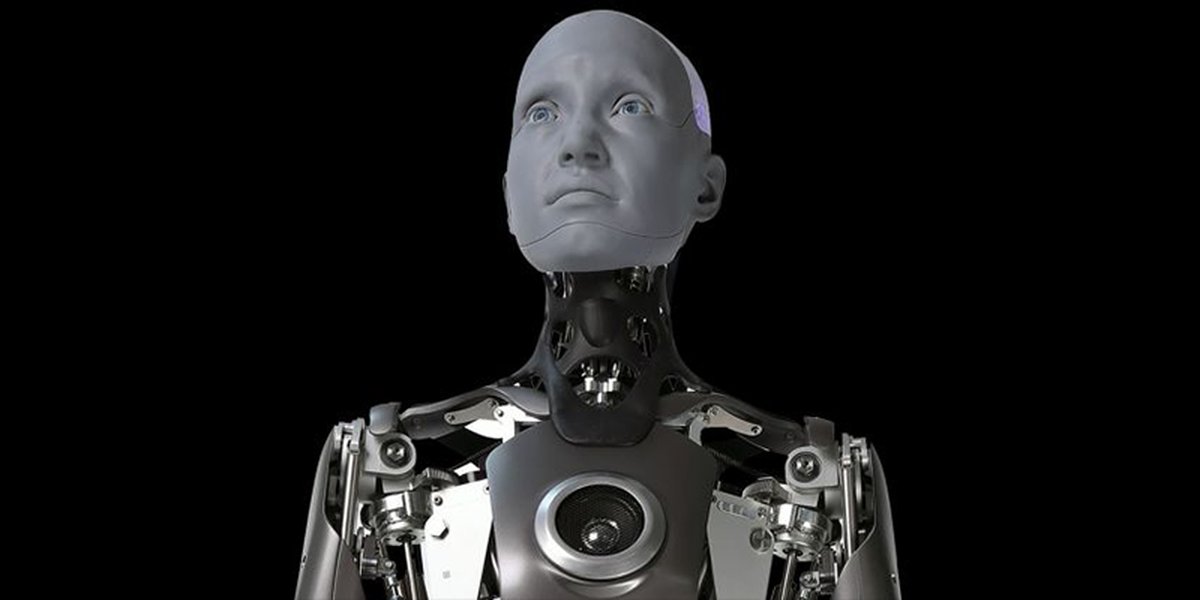
Advancements in creating lifelike humanoid robots powered by AI.
Challenges and Ethical Considerations in AI
As AI becomes more powerful and pervasive, addressing the associated challenges and ethical considerations is crucial.
Bias, Fairness, and Responsible AI
Ensuring fairness and mitigating bias in AI systems remains a significant challenge. Researchers and organizations are working on developing frameworks and tools for responsible AI development and deployment. This includes addressing potential biases in training data and algorithms to prevent discriminatory outcomes.
Efforts are underway to create open-source toolkits and guidelines to promote responsible AI practices across the industry. The goal is to build AI systems that are transparent, accountable, and align with human values.
The Impact on Employment and the Economy
The increasing capabilities of AI raise questions about its impact on the job market. While AI is creating new opportunities, there are also concerns about potential job displacement in certain sectors. Discussions around the future of work and the need for reskilling and upskilling the workforce are ongoing.
Economically, AI is seen as a major driver of growth and innovation. Businesses are reporting record revenues partly attributed to their AI strategies. However, there are also economic implications related to the cost of developing and deploying AI infrastructure, particularly in terms of energy consumption.
AI and Misinformation
The ability of generative AI to create realistic fake content, including images and videos, poses a challenge in combating misinformation and rumors. New AI-based monitoring tools are being developed to detect and track the spread of false information on social media platforms. This highlights the need for ongoing vigilance and technological solutions to address the potential misuse of AI.
Regulatory Landscape and Policy Discussions
Governments and international bodies are actively engaged in discussions about regulating AI to ensure its safe and ethical development and deployment.
Government Initiatives and Policies
Policies related to AI are being shaped by concerns about national security, economic competitiveness, and societal impact. Discussions include export controls on advanced AI chips and technologies, as well as initiatives to boost domestic AI production. There is also a focus on streamlining processes related to the significant energy infrastructure required to support AI development and deployment.
Global Perspectives on AI
Views on AI's benefits and drawbacks vary across different regions. While many countries see significant advantages, there are also concerns about potential risks and the need for international cooperation in establishing norms and standards for AI governance.
Trends to Watch in 2025
Based on current developments and expert analysis, several trends are expected to gain prominence in the remainder of 2025:
| Trend | Description | Potential Impact |
|---|---|---|
| More Capable AI Agents | AI systems with increased autonomy to perform tasks on behalf of users. | Increased automation of complex workflows, personalized assistance. |
| Continued Improvement of Small Language Models | Development of smaller, more efficient AI models capable of performing a range of tasks. | Wider accessibility and deployment of AI on various devices and platforms. |
| Advancements in Multimodal AI | AI that can understand and generate information across different formats (text, images, video, etc.). | More natural and intuitive human-AI interaction, new creative possibilities. |
| Specialized AI Models | AI tailored for specific industries or tasks. | Highly efficient and effective solutions for niche applications. |
| Focus on Responsible AI and Ethics | Increased emphasis on fairness, transparency, and accountability in AI development. | Development of ethical guidelines, tools for bias detection and mitigation. |
| Integration of AI in Robotics | Combining AI with robotics to create more intelligent and capable machines. | Advancements in automation, exploration of new applications for robots. |
Further Exploration of AI News
For those interested in delving deeper into the world of AI news, numerous resources provide up-to-date information, analysis, and insights. These include reputable news outlets, technology publications, university research centers, and industry-specific reports.
Staying informed about the latest developments is essential for understanding the potential opportunities and challenges presented by this transformative technology.
This video discusses recent significant developments and breakthroughs in the field of AI and robotics, providing a relevant visual context for the rapid progress in this area.
Frequently Asked Questions About AI News
What are the most significant recent AI breakthroughs?
Recent significant breakthroughs include advancements in the capabilities of large language models, improved performance on various AI benchmarks, and progress in developing more autonomous AI agents. There have also been notable developments in multimodal AI and specialized models for specific applications.
How is AI impacting different industries?
AI is impacting nearly every industry, from healthcare and finance to manufacturing and entertainment. It is being used to automate tasks, analyze data, improve decision-making, and create new products and services. Examples include AI in drug discovery, personalized marketing, predictive maintenance, and content generation.
What are the main ethical concerns surrounding AI?
Key ethical concerns include bias in AI systems, the potential for job displacement, the spread of misinformation through AI-generated content, data privacy, and the need for transparency and accountability in AI development and deployment. Discussions around responsible AI and human oversight are crucial to addressing these concerns.
How is the regulatory landscape for AI evolving?
Governments and international bodies are actively exploring and implementing regulations for AI. This includes policies related to the export of advanced AI technology, initiatives to promote domestic AI development, and discussions around establishing legal and ethical frameworks for AI governance. The pace and nature of regulation vary across different regions.
What are the expected future trends in AI?
Expected future trends include the continued development of more capable and autonomous AI agents, further improvements in small language models, increased adoption of multimodal AI, greater specialization of AI for specific tasks, and a growing focus on ensuring the responsible and ethical development and deployment of AI.
References
Last updated May 11, 2025