
Beyond the Click: Unpacking the Dynamic World of Ecommerce in 2025
AI, shifting consumer values, and global forces are reshaping how we shop online.
The ecommerce landscape in 2025 is a vibrant ecosystem undergoing rapid transformation. Fueled by technological breakthroughs, evolving consumer expectations, and significant global shifts, the way businesses sell and customers buy online is continuously being redefined. Staying informed about these changes is crucial for navigating this dynamic market.
Key Ecommerce Highlights for 2025
- Artificial Intelligence is Central: From hyper-personalized shopping journeys and AI-driven recommendations to automated customer service and operational efficiencies, AI integration is no longer a novelty but a fundamental component of successful ecommerce strategies.
- Experience is Everything: Consumers increasingly seek immersive, convenient, and engaging shopping experiences. Trends like voice commerce, AR/VR try-ons, livestream shopping, and seamless omnichannel journeys are becoming key differentiators.
- Values and Trust Matter: Sustainability, ethical practices, data privacy, and transaction security are paramount. Blockchain technology, transparent sourcing, and robust cybersecurity measures are gaining importance as consumers prioritize trust and values in their purchasing decisions.
The AI Revolution in Online Retail
Transforming Operations and Customer Experiences
Artificial Intelligence (AI) stands as a cornerstone of modern ecommerce, fundamentally altering how businesses operate and interact with customers. Its applications are diverse and increasingly sophisticated:
- Hyper-Personalization: AI algorithms analyze vast amounts of customer data to deliver tailored product recommendations, personalized marketing messages, and customized website experiences, significantly boosting engagement and conversion rates.
- Enhanced Customer Service: AI-powered chatbots and virtual assistants provide instant, 24/7 customer support, handling inquiries, resolving issues, and even guiding users through the purchasing process. Generative AI is further enhancing these interactions, making them more conversational and human-like.
- Operational Efficiency: AI optimizes various backend processes, including inventory management, demand forecasting, dynamic pricing strategies, and fraud detection, leading to cost savings and improved efficiency.
- Smarter Marketing and SEO: AI tools assist in identifying market trends, optimizing advertising spend, targeting specific audience segments (including cold audiences), and improving search engine optimization (SEO) through content analysis and keyword strategy. Surveys show ecommerce SEO professionals widely adopting AI for these tasks.
- AI-Assisted Sales: Techniques like AI-driven upselling and cross-selling suggest relevant additional products to customers during their shopping journey, increasing average order value. Platforms like Amazon are experimenting with AI tools to generate personalized product suggestions based on prompts.
Retailers like Toys R Us are also exploring AI for creating engaging video content and refining ad targeting, showcasing the broadening scope of AI applications in the sector.

Example of a clean, modern UI design crucial for today's ecommerce platforms.
Emerging Technologies Shaping the Future
Beyond AI: Voice, Immersive Experiences, and Blockchain
While AI takes center stage, other technologies are significantly impacting the ecommerce landscape:
Voice Commerce Takes Hold
Driven by the proliferation of smart speakers and voice assistants on mobile devices, voice commerce is gaining momentum. Consumers appreciate the convenience of using voice commands to search for products, place orders, check order status, and find deals. Integrating zero-click voice search capabilities is becoming essential for retailers aiming to provide seamless, hands-free shopping experiences.
Immersive Shopping with AR & VR
Augmented Reality (AR) and Virtual Reality (VR) are transforming how consumers interact with products online. AR "try-before-you-buy" features allow customers to visualize furniture in their homes, try on clothing or cosmetics virtually, reducing purchase uncertainty and minimizing returns. VR offers potential for entirely virtual shopping environments, though AR currently sees broader practical application.

Blending digital convenience with physical aesthetics is key in modern retail design.
Blockchain and Web3 Integration
Blockchain technology and the broader Web3 concept are beginning to make inroads into ecommerce. Key applications include:
- Enhanced Security & Transparency: Blockchain can secure transactions, verify product authenticity, and provide transparent supply chain tracking, building consumer trust.
- New Payment Methods: Acceptance of cryptocurrencies as payment is slowly growing, catering to a segment of tech-savvy consumers.
- Innovative Engagement: Some brands are experimenting with NFTs (Non-Fungible Tokens) for loyalty programs or exclusive digital collectibles.
While technical challenges remain, embracing these technologies positions businesses for future shifts towards decentralized and more secure digital commerce.
Composable and Headless Architectures
Businesses are increasingly adopting composable commerce approaches. This involves using modular, independent components (like checkout, search, personalization engines) that can be easily assembled, swapped, and scaled. Headless commerce, which decouples the front-end presentation layer from the back-end ecommerce functionality, offers similar flexibility, allowing brands to create unique customer experiences across various touchpoints (web, mobile app, smart devices) more rapidly.
Technology Impact Radar
The following chart provides an opinionated assessment of the relative impact and projected growth of key ecommerce technologies in 2025. It reflects the current prominence and anticipated future influence based on prevailing trends.
Evolving Consumer Behaviors and Market Dynamics
Shifting Priorities and New Ways to Engage
The Rise of Social and Livestream Commerce
Shopping is becoming increasingly integrated into social media platforms. Social commerce allows users to discover and purchase products directly within apps like Instagram, TikTok, and Pinterest. Livestream shopping takes this further, with brands and influencers hosting live video events to showcase products, interact with viewers in real-time, and drive impulse purchases. QVC's expansion onto TikTok Shop exemplifies this trend, blending entertainment with direct sales.
Omnichannel Consistency is Key
Consumers expect a seamless experience whether they shop online, via a mobile app, or in a physical store. Effective omnichannel strategies integrate these channels, allowing customers to browse online and pick up in-store, return online purchases to a physical location, or access consistent brand experiences across all touchpoints. Retailers like J. Jill are enhancing their capabilities with initiatives like ship-from-store fulfillment.
Subscription Models Thrive
Subscription services continue to expand beyond media and basic necessities into diverse categories like fashion, beauty, food, and wellness products. These models offer convenience and curated experiences for consumers while providing businesses with predictable recurring revenue and fostering customer loyalty.
Sustainability and Ethical Considerations
Consumers are increasingly conscious of the environmental and social impact of their purchases. Demand is rising for sustainable products, eco-friendly packaging, carbon-neutral shipping options, and transparent, ethical supply chains. Brands that prioritize and communicate their sustainability efforts effectively are gaining favor with value-driven shoppers. The popularity of items like barrel-fit jeans and tallow moisturizer reflects this alignment with eco-conscious and wellness trends.
Flexible Payment Options
The demand for payment flexibility is growing. Buy Now, Pay Later (BNPL) services remain popular, allowing consumers to split purchases into installments. Innovations like "Pay by Bank" systems, particularly in Europe, aim to streamline checkout processes further. Offering diverse payment options, including multi-currency support and potentially cryptocurrencies, caters to broader consumer preferences and can reduce cart abandonment.
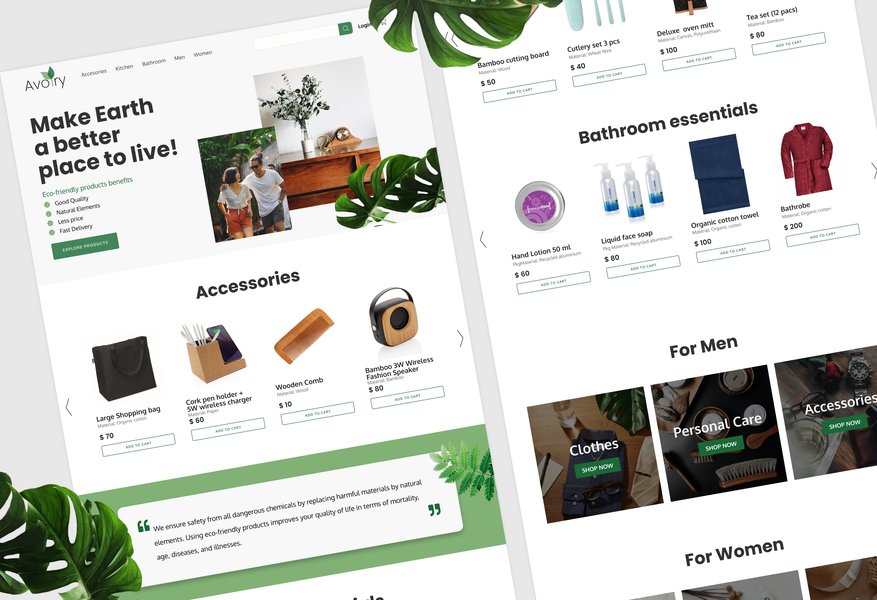
User experience design focusing on sustainability is increasingly important for ecommerce.
Navigating the Global Landscape: Policy, Regions, and Platforms
Geopolitics, Regulations, and Market-Specific Developments
The ecommerce world doesn't exist in a vacuum. Global events, regulations, and regional nuances significantly shape the market:
Policy and Trade Impacts
- Tariffs: Recent tariff implementations, such as the potential 10% increase on imports discussed in the US, can significantly impact global supply chains, pricing strategies, and major players like Amazon and Walmart.
- Trade Agreements: Negotiations, like those between the US and India aiming for greater market access in ecommerce, data storage, and other sectors, highlight the strategic importance of cross-border digital trade.
- Regulatory Changes: China's planned discontinuation of "refund without returns" policies by July 2025 on major platforms reflects evolving market regulations that can affect consumer behavior and operational practices. Changes to rules like the U.S. de minimis threshold (ending duty-free shipments under $800 from China) also impact cross-border sellers.
- Data Privacy: Compliance with regulations like GDPR and CCPA remains crucial, requiring businesses to balance personalized marketing with robust data protection and cybersecurity measures.
Regional Spotlights
- Emerging Markets: Growth in ecommerce is often faster in emerging markets, driven by increasing mobile internet penetration and digital payment adoption. Africa's B2B ecommerce sector, for example, is seeing innovation with startups like OmniRetail leveraging technology and embedded finance.
- Established Markets: In the US and Europe, focus remains on technological sophistication, omnichannel integration, and navigating regulatory landscapes. Mobile commerce continues to challenge desktop dominance globally.
- Asia-Pacific: Markets like India (with platforms like Meesho launching creator marketplaces) and China continue to innovate rapidly, particularly in social and livestream commerce, while also navigating significant regulatory shifts.
Platform Innovations
Major ecommerce platforms and technology providers continually introduce new features. Amazon is piloting AI shopping tools ("Buy for Me") and AI recommendations. OpenAI is integrating specialized ecommerce features into ChatGPT, competing with search giants. Companies like Coveo offer advanced AI-powered search to enhance product discovery. These platform-level advancements constantly push the boundaries of online retail.
Ecommerce Trends Interconnectedness
The following mindmap illustrates how various drivers, trends, and outcomes in the 2025 ecommerce landscape are interconnected, influencing each other to shape the overall market direction.
Key Technologies Powering Ecommerce Advancement
Several key technologies are driving innovation and efficiency in the ecommerce sector. The table below summarizes some of the most impactful advancements and their applications:
| Technology | Primary Application(s) | Impact on Ecommerce |
|---|---|---|
| Artificial Intelligence (AI) & Machine Learning (ML) | Personalization, Recommendations, Chatbots, Fraud Detection, Inventory Management, Predictive Analytics, SEO Optimization, Dynamic Pricing | Enhances customer experience, improves operational efficiency, increases sales and conversion rates, enables data-driven decision making. |
| Augmented Reality (AR) & Virtual Reality (VR) | Virtual Product Try-ons (e.g., clothing, makeup, furniture), Immersive Shopping Experiences | Increases buyer confidence, reduces return rates, enhances product visualization, creates engaging brand interactions. |
| Voice Technology | Voice Search, Voice Ordering, Customer Service Queries via Smart Speakers/Assistants | Offers hands-free convenience, streamlines the purchasing process, opens new interaction channels. |
| Blockchain | Secure Transactions, Supply Chain Transparency, Product Authenticity Verification, Cryptocurrency Payments, NFT-based Loyalty | Increases trust and security, combats counterfeiting, enables new payment methods and engagement models. |
| Composable/Headless Commerce | Flexible Architecture, API-driven Integrations, Multi-channel Content Delivery | Enables rapid deployment of new features, supports unique customer experiences across touchpoints, improves scalability and adaptability. |
| Advanced Analytics & Big Data | Customer Segmentation, Trend Analysis, Performance Tracking, ROI Measurement | Provides deep insights into customer behavior and market trends, optimizes marketing spend, informs strategic planning. |
Insightful Perspectives on Winning in Ecommerce
Understanding the current trends is vital for success. The following video delves into strategies for navigating the evolving ecommerce landscape, particularly focusing on the impact of AI and changing customer acquisition methods in 2025.
Video discussing new ways to acquire and retain ecommerce customers in 2025, highlighting the role of AI shopping.
Frequently Asked Questions (FAQ)
How is AI specifically changing the online shopping experience?
AI enhances the shopping experience through hyper-personalization (showing relevant products and offers), smarter product recommendations, 24/7 customer support via chatbots, visual search capabilities, and increasingly conversational interactions powered by generative AI. It aims to make online shopping more intuitive, efficient, and tailored to individual preferences.
What exactly is social commerce?
Social commerce refers to the process of selling products directly through social media platforms. Instead of clicking a link to an external website, users can browse, select, and often purchase products entirely within the social media app (e.g., Instagram Checkout, TikTok Shop, Pinterest Buyable Pins). It leverages the social environment for discovery and seamless transactions.
Why is sustainability becoming so important in ecommerce?
Consumers are increasingly aware of the environmental and social impact of their purchases. They actively seek brands that align with their values, prioritizing sustainable materials, ethical production, eco-friendly packaging, and carbon-neutral shipping. For businesses, embracing sustainability is not just ethical but also a competitive advantage, attracting environmentally conscious customers and building brand loyalty.
What does 'omnichannel' mean for ecommerce?
Omnichannel refers to providing a seamless and consistent customer experience across all possible shopping channels and touchpoints – including websites, mobile apps, physical stores, social media, and customer service interactions. The goal is to allow customers to start their journey on one channel and continue it on another without friction (e.g., browse online, buy in-store, or return an online order to a physical location).
Recommended Further Exploration
Delve deeper into related topics with these queries:
- How is AI specifically enhancing personalization in ecommerce today?
- What are the key features and differences between leading social commerce platforms?
- What practical steps can online retailers take to become more sustainable?
- What is the long-term potential for Augmented and Virtual Reality in shaping online shopping?
References

Last updated May 5, 2025