
Healthcare's High-Tech Horizon: How Innovation is Reshaping Medicine in 2025
Explore the synergy of AI, robotics, wearables, and genomics driving a new era of personalized, predictive, and accessible healthcare.
Key Breakthroughs Transforming Healthcare
- Artificial Intelligence (AI) is rapidly enhancing diagnostics and treatment personalization, analyzing complex data faster and more accurately than ever before.
- Wearable devices and telemedicine are decentralizing care, enabling continuous monitoring, remote consultations, and greater patient empowerment.
- Gene editing and precision medicine offer unprecedented potential for curing genetic disorders and tailoring treatments to individual needs.
The Dawn of Intelligent Healthcare
AI: The New Brain Behind Medical Advancement
Artificial Intelligence (AI) stands as a transformative force in the medical landscape of 2025. It's no longer a futuristic concept but an increasingly integrated component enhancing nearly every facet of healthcare. Fueled by the growing availability of data from electronic health records (EHRs) and the proliferation of health monitoring devices, AI algorithms are becoming adept at identifying complex patterns invisible to the human eye. This capability is revolutionizing diagnostics, drug development, treatment personalization, and even administrative tasks.
Smarter Diagnostics and Prediction
AI-powered diagnostic tools are significantly improving the speed and accuracy of detecting diseases. By analyzing medical images (like X-rays, CT scans, and MRIs), pathology slides, and genomic data, AI can spot subtle signs of conditions such as cancer, diabetic retinopathy, and neurological disorders often earlier and with greater precision than traditional methods. Furthermore, predictive analytics, driven by AI, can forecast disease progression and patient risk, allowing clinicians to intervene proactively and tailor preventative strategies.
Personalized Treatment Pathways
Precision medicine benefits immensely from AI. Algorithms analyze a patient's unique genetic makeup, lifestyle factors, and medical history to recommend the most effective treatment protocols. This is particularly impactful in oncology, where AI helps identify targeted therapies based on tumor genetics. Generative AI models are also emerging as virtual assistants for clinicians, helping interpret complex data, summarize patient information, and even suggest potential treatment options based on the latest research.
Operational Efficiency and Drug Discovery
Beyond clinical applications, AI is streamlining healthcare operations by automating administrative tasks, optimizing patient scheduling, and managing resources more effectively. In pharmaceutical research, AI accelerates the lengthy and expensive process of drug discovery and development by predicting molecule efficacy and potential side effects, significantly reducing the time from lab to market.
The Connected Patient: Wearables and Remote Monitoring
Bringing Healthcare Beyond the Clinic Walls
The rise of wearable technology and remote patient monitoring (RPM) systems is fundamentally shifting healthcare from reactive treatment in clinical settings to proactive, continuous health management in everyday life. These technologies empower patients, improve access, and provide clinicians with invaluable real-time data.
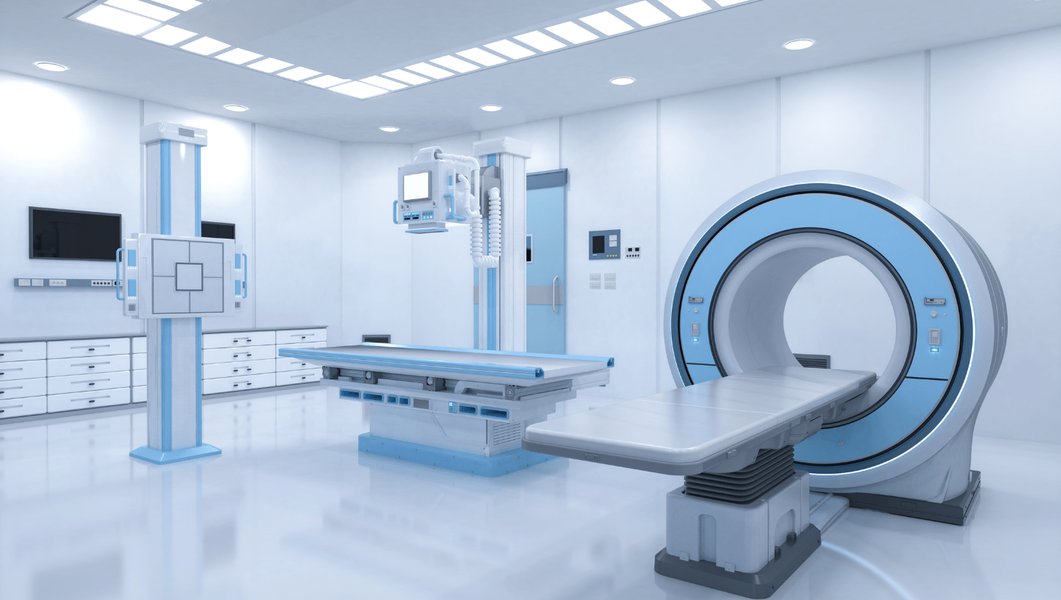
Modern diagnostic equipment, increasingly connected and intelligent.
Continuous Monitoring and Early Detection
Sophisticated sensors embedded in smartwatches, patches, and other wearable devices continuously track vital signs like heart rate, blood oxygen saturation, activity levels, sleep patterns, and even glucose levels. This constant stream of data, often analyzed by AI algorithms, can detect subtle deviations from a patient's baseline, potentially indicating the early onset of conditions like atrial fibrillation, respiratory issues, or infections. Early warnings allow for timely interventions, improving outcomes and potentially preventing hospitalizations.
Enhancing Chronic Disease Management
RPM is particularly transformative for managing chronic diseases such as diabetes, hypertension, and heart failure. Patients can track their metrics at home and share data seamlessly with their healthcare providers via mobile health (mHealth) apps and telehealth platforms. This enables clinicians to monitor patient status remotely, adjust treatment plans dynamically, and provide personalized feedback, fostering better adherence and self-management. The integration of 5G technology further enhances this by ensuring rapid, reliable data transmission for real-time analysis.
Data Integration and Interoperability
A key challenge and focus area is ensuring the interoperability of data from diverse sources. Efforts are underway to integrate data from wearables and RPM devices into patients' EHRs. This holistic view allows clinicians to make more informed decisions. Cloud-based platforms play a crucial role in securely storing and analyzing this vast amount of health data, facilitating collaborative care among different specialists and supporting population health initiatives. The expansion of the Internet of Medical Things (IoMT) connects various devices, creating a network that supports comprehensive remote care.
Virtual Frontiers: Telemedicine and Immersive Technologies
Expanding Access and Enhancing Experience
Telemedicine, significantly accelerated by global events, has matured into an integral part of healthcare delivery. By 2025, it's more than just video calls; it incorporates sophisticated diagnostics, AI assistance, and integration with other digital health tools, breaking down geographical barriers and improving convenience.
Telehealth Evolution
Modern telehealth platforms offer high-resolution video consultations, secure messaging, and integration with RPM devices. AI is increasingly used during virtual visits to help analyze patient-reported symptoms or data from connected devices. This expands access to specialists, provides timely care for minor ailments, supports mental health services, and makes routine follow-ups more efficient, especially benefiting those in rural or underserved areas.

Digital tools are central to modern medical practice.
Virtual Reality (VR) and Augmented Reality (AR) in Medicine
VR and AR are finding compelling applications in healthcare. VR is used for:
- Medical Training: Creating immersive, realistic simulations for surgical procedures and complex anatomical studies, allowing trainees to practice skills in a risk-free environment.
- Pain Management and Therapy: Distracting patients during painful procedures or providing therapeutic environments for mental health conditions like PTSD, anxiety, and phobias through exposure therapy.
- Rehabilitation: Gamified physical therapy exercises within VR environments can motivate patients and track progress more effectively.
Revolutionizing Procedures and Production
Robotics, 3D Printing, and Nanomedicine
Technological advancements are profoundly impacting surgical interventions and the creation of medical tools and therapies through robotics, additive manufacturing, and nanotechnology.
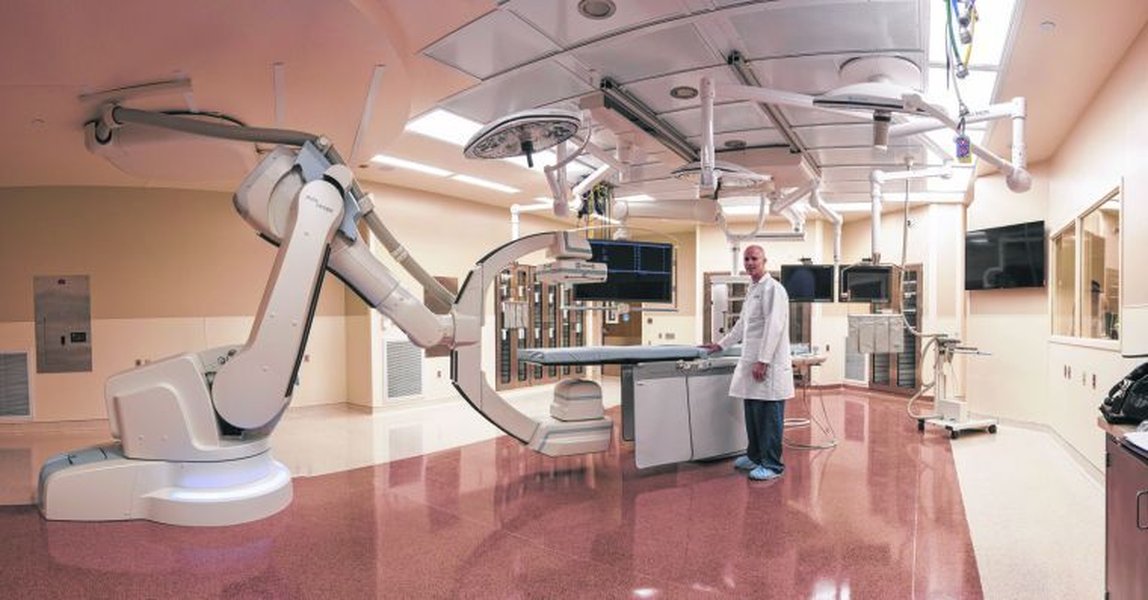
Cutting-edge hybrid operating room combining imaging and surgical capabilities.
Surgical and Assistive Robotics
Robotic systems are becoming increasingly common in operating rooms. Robot-assisted surgery offers surgeons enhanced precision, dexterity, and visualization, particularly for minimally invasive procedures. This often leads to smaller incisions, reduced blood loss, less pain, and faster recovery times for patients. AI integration is making surgical robots smarter, capable of providing real-time feedback and adapting to the surgical environment. Beyond surgery, robots are used in rehabilitation to assist patients in regaining mobility and function, and in hospitals for tasks like delivering supplies or disinfecting rooms.
3D Printing: Customization at Scale
3D printing (additive manufacturing) allows for the rapid creation of customized medical products. Key applications include:
- Patient-Specific Implants: Creating perfectly fitting orthopedic, cranial, or dental implants.
- Prosthetics: Developing affordable, personalized prosthetic limbs.
- Surgical Models: Printing precise anatomical models from patient scans, allowing surgeons to plan complex procedures beforehand.
- Tissue Engineering Scaffolds: Creating structures that can be seeded with cells to grow replacement tissues or organs, a cornerstone of regenerative medicine.
Nanomedicine: Targeting at the Molecular Level
Nanomedicine operates at the nanoscale to develop novel diagnostic tools and therapies. Nanoparticles can be engineered for targeted drug delivery, carrying therapeutic agents directly to diseased cells (like cancer cells) while minimizing damage to healthy tissue. They are also being explored for advanced imaging techniques and as components in highly sensitive diagnostic sensors.
Decoding and Recoding Life: Genomics and Precision Medicine
Tailoring Treatments to Our Unique Biology
The convergence of genomics, data analytics, and biotechnology is paving the way for precision medicine – an approach that tailors disease prevention and treatment to individual variability in genes, environment, and lifestyle.
The CRISPR Revolution Continues
Gene editing technologies, particularly CRISPR-Cas9, represent a monumental leap. Following initial landmark approvals (like Casgevy for sickle cell disease and beta-thalassemia), research is rapidly advancing. CRISPR allows scientists to make precise modifications to DNA, offering the potential to correct genetic defects underlying inherited disorders. Clinical trials are exploring its use for a widening range of conditions, including certain cancers, HIV, and inherited blindness. While ethical considerations remain paramount, the therapeutic promise of gene editing is immense.
Hyper-Personalized Therapies
Precision medicine leverages genomic sequencing and other molecular diagnostic tools to understand the specific drivers of a patient's disease. This enables the selection of therapies most likely to be effective for that individual, minimizing trial-and-error approaches and reducing side effects. This is particularly advanced in oncology but is expanding to other areas like cardiology and autoimmune diseases. mRNA technology, validated by COVID-19 vaccines, is also being explored for personalized cancer vaccines and therapies targeting specific genetic mutations.
Advanced Diagnostics and Exposomics
Innovation extends to diagnostic methods. Liquid biopsies (analyzing blood or other fluids for traces of cancer DNA) offer less invasive cancer detection and monitoring. Novel biomarker discovery, including vocal biomarkers (analyzing voice patterns for signs of neurological or mental health conditions) and sophisticated analysis of the microbiome, provides new windows into health status. Furthermore, the field of exposomics uses cutting-edge tech to study the cumulative impact of environmental exposures on health, aiming to develop personalized prevention strategies.
Impact Assessment of Key Medical Technologies
Visualizing the Landscape of Innovation
The following chart provides a comparative overview of several key technologies transforming healthcare in 2025. It assesses their perceived impact and maturity across critical dimensions: enhancing patient outcomes, reducing healthcare costs, improving accessibility, boosting diagnostic accuracy, and the level of associated ethical complexity. Note that these are qualitative assessments reflecting current trends and potential.
Mapping the Interconnected World of Health Tech
A Mindmap of Medical Innovation
The advancements in medical technology are not isolated; they form a complex, interconnected ecosystem. This mindmap illustrates the relationships between major technological domains and their diverse applications within healthcare, highlighting the synergy driving progress in diagnostics, treatment, monitoring, and research.
Transformation (2025)"] id1["Artificial Intelligence (AI)"] id1a["Diagnostics
(Imaging, Pathology)"] id1b["Predictive Analytics"] id1c["Personalized Medicine"] id1d["Drug Discovery"] id1e["Virtual Assistants"] id1f["Operational Efficiency"] id2["Wearables & Remote
Patient Monitoring (RPM)"] id2a["Continuous Health Tracking"] id2b["Early Disease Detection"] id2c["Chronic Disease Management"] id2d["Telehealth Integration"] id2e["mHealth Apps"] id3["Telemedicine & Virtual Care"] id3a["Remote Consultations"] id3b["Improved Accessibility"] id3c["Virtual Reality (VR)
(Training, Therapy)"] id3d["Augmented Reality (AR)
(Surgical Guidance)"] id3e["IoMT Integration"] id4["Robotics"] id4a["Robot-Assisted Surgery
(Minimally Invasive)"] id4b["Rehabilitation Robots"] id4c["Hospital Logistics &
Assistance"] id4d["Smart Instruments"] id5["Advanced Manufacturing"] id5a["3D Printing
(Implants, Prosthetics, Models)"] id5b["Tissue Engineering Scaffolds"] id5c["Nanomedicine
(Targeted Delivery, Diagnostics)"] id6["Genomics & Precision Medicine"] id6a["CRISPR Gene Editing"] id6b["Personalized Vaccines/
Therapies"] id6c["Advanced Biomarkers
(Liquid Biopsy, Vocal)"] id6d["Exposomics"] id7["Data Infrastructure"] id7a["Big Data Analytics"] id7b["Cloud Computing"] id7c["Blockchain (Security,
Interoperability)"] id7d["EHR Integration"]
Spotlight on Healthcare Technology Trends
Insights from the Forefront
To provide further perspective on the dynamic landscape of medical technology, the following video discusses key trends anticipated to shape healthcare. It delves into areas like AI adoption, the expanding role of wearables, and the continued growth of telehealth, offering insights into how these innovations are converging to create a more connected and intelligent healthcare ecosystem.
This video, featuring insights from experts, explores how technologies like AI are not just theoretical possibilities but are actively being integrated into clinical workflows, enhancing efficiency and decision-making. It also touches upon the increasing sophistication of wearable devices, moving beyond simple fitness tracking to providing clinically relevant data, and how telehealth is evolving to offer more comprehensive remote care solutions. Understanding these trends is crucial for comprehending the near-future trajectory of healthcare delivery.
Key Technologies and Their Medical Applications
A Summary Table
The table below summarizes some of the most influential technologies discussed, their primary applications in medicine, and their key benefits or potential challenges.
| Technology | Primary Medical Applications | Key Benefits / Considerations |
|---|---|---|
| Artificial Intelligence (AI) | Diagnostics (imaging, pathology), predictive analytics, personalized treatment planning, drug discovery, virtual assistance, operational efficiency. | Improved accuracy & speed, personalization, efficiency gains. Requires large datasets, ethical oversight (bias, privacy), regulatory clarity. |
| Wearable Devices & RPM | Continuous health monitoring (vitals, activity), early disease detection, chronic disease management, telehealth support. | Patient empowerment, proactive care, improved access, convenience. Data accuracy/reliability, data security, patient engagement needed. |
| Telemedicine | Remote consultations, follow-ups, specialist access, mental health support, remote monitoring integration. | Increased access (rural/underserved), convenience, cost savings. Requires digital literacy/access, limitations in physical examination, reimbursement policies. |
| Robotics | Minimally invasive surgery, rehabilitation assistance, laboratory automation, hospital logistics. | Enhanced surgical precision, faster recovery, consistency. High cost, requires specialized training, integration challenges. |
| 3D Printing | Patient-specific implants & prosthetics, surgical planning models, tissue engineering scaffolds, low-cost device production. | High degree of customization, faster production, potential for organ regeneration. Material limitations, regulatory approval, quality control. |
| Gene Editing (CRISPR) | Treating/curing genetic disorders, developing targeted cancer therapies, combating infectious diseases. | Potential for cures, high precision. Ethical concerns (germline editing), off-target effects, accessibility/cost of therapies. |
| Nanomedicine | Targeted drug delivery, advanced diagnostics (nanosensors), enhanced imaging contrast agents. | Improved drug efficacy, reduced side effects, higher sensitivity diagnostics. Long-term safety/toxicity studies needed, manufacturing scale-up. |
| Blockchain | Secure health record management, data integrity and interoperability, supply chain transparency. | Enhanced security and privacy, patient control over data. Scalability issues, integration complexity, regulatory uncertainty. |
Frequently Asked Questions (FAQ)
Addressing Common Queries
How is AI actually used by doctors today?
AI is currently used in several ways:
- Medical Image Analysis: Assisting radiologists in detecting anomalies in X-rays, CT scans, and MRIs (e.g., identifying tumors or signs of diabetic retinopathy).
- Decision Support: Providing clinicians with evidence-based recommendations for diagnosis or treatment based on patient data and medical literature.
- Predictive Analytics: Identifying patients at high risk for certain conditions or predicting disease progression.
- Administrative Tasks: Automating tasks like scheduling, billing, and clinical documentation to reduce workload.
- Drug Discovery: Accelerating the identification and testing of potential new drugs.
Are wearable health devices accurate enough for medical use?
The accuracy varies significantly depending on the device and the metric being measured. Consumer-grade wearables are excellent for tracking trends and promoting general wellness (e.g., step counts, general heart rate patterns). However, for clinical decision-making, medical-grade devices that have undergone rigorous testing and regulatory approval (e.g., FDA clearance) are typically required. Many newer wearables are achieving higher accuracy for specific functions like ECG readings for atrial fibrillation detection or continuous glucose monitoring. It's crucial to understand the distinction and use data appropriately – consumer device data can provide useful context but shouldn't replace clinical diagnostics without validation.
What is the difference between personalized medicine and precision medicine?
The terms "personalized medicine" and "precision medicine" are often used interchangeably, but there's a subtle difference.
- Precision Medicine: This is generally considered the more accurate term. It focuses on identifying which treatments will be effective for which patients based on genetic, environmental, and lifestyle factors. It involves classifying individuals into subpopulations that differ in their susceptibility to a particular disease or their response to a specific treatment.
- Personalized Medicine: This term implies treatments uniquely developed for an individual. While this is the ultimate goal, current approaches are more about stratifying patients into groups (precision) rather than creating entirely unique treatments for every single person (personalization).
What are the main ethical concerns with technologies like AI and gene editing?
Several significant ethical concerns exist:
- AI Ethics: Concerns include algorithmic bias (AI reflecting or amplifying existing societal biases, leading to health disparities), data privacy and security, lack of transparency ("black box" algorithms), accountability (who is responsible if an AI makes an error?), and the potential impact on the patient-doctor relationship.
- Gene Editing Ethics: Major concerns revolve around safety (potential for off-target mutations), equity of access (will therapies be affordable?), and the profound implications of germline editing (making heritable changes to DNA), which could affect future generations and raises questions about altering the human gene pool.
- Data Privacy: With the rise of wearables and EHRs, ensuring the security and appropriate use of vast amounts of sensitive health data is a critical challenge, often addressed through regulations like HIPAA and technologies like blockchain.
Recommended Reading
Explore Further
- How is AI changing cancer diagnosis and treatment?
- What are the latest advancements in CRISPR gene editing therapies?
- How do wearable devices integrate with telehealth platforms?
- What are the applications of 3D printing in regenerative medicine?
References
Sources Consulted
Last updated May 3, 2025