
Comprehensive Techniques for Manufacturing Laundry Sheets
Exploring the Innovative Methods Behind Eco-Friendly Laundry Solutions
Key Takeaways
- Precision in formulation and blending ensures the efficacy and consistency of laundry sheets.
- Advanced sheet formation and drying techniques are vital for product durability and complete dissolution.
- Emphasizing environmental sustainability drives the selection of biodegradable and non-toxic materials.
Introduction
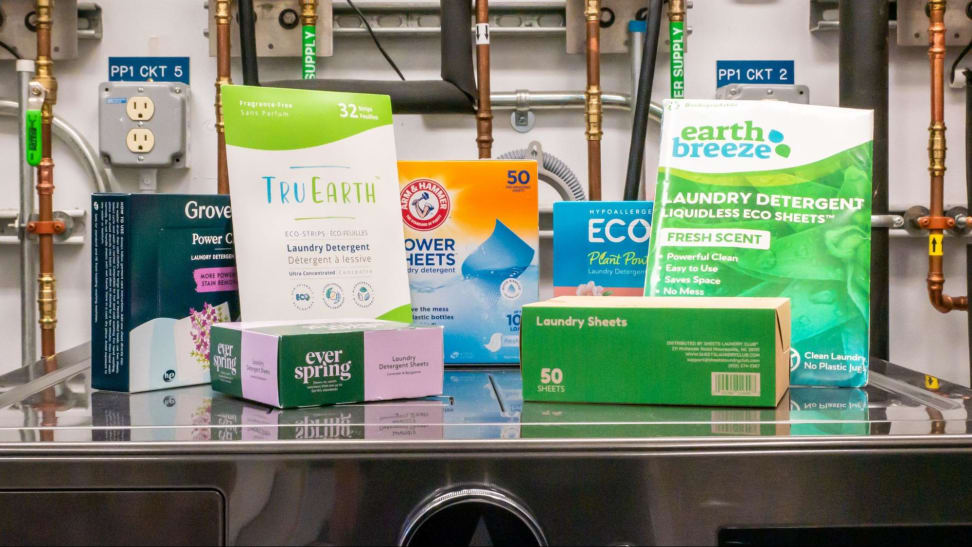
Laundry detergent sheets represent a significant advancement in the detergent industry, offering a sustainable and efficient alternative to traditional liquid and powdered detergents. These thin, pre-measured sheets are designed to dissolve entirely in water, reducing waste and minimizing environmental impact. This comprehensive guide delves into the various techniques employed in the manufacturing of laundry sheets, highlighting the processes from raw material preparation to packaging.
Raw Material Preparation
Ingredient Selection
The foundation of effective laundry sheets lies in the careful selection of raw materials. Key components include:
- Surfactants: These are the primary cleaning agents, responsible for removing dirt and stains. Both anionic and nonionic surfactants are commonly used to enhance cleaning power.
- Thickening Agents: Ingredients like polyvinyl alcohol (PVA) or other water-soluble polymers are used to give the sheets their structural integrity.
- Solvents: Water or other solvents are incorporated to dissolve and evenly distribute the detergent components.
- Humectants: These help retain moisture within the sheet during the drying process, ensuring flexibility and preventing brittleness.
- Fragrances and Preservatives: Added to enhance the user experience and extend the shelf-life of the product.
Measurement and Mixing
Accurate measurement of ingredients is crucial to achieving a balanced formulation. Precision ensures that each sheet delivers consistent cleaning performance and maintains structural integrity. The mixing process often involves controlled temperatures and pH levels to ensure stability and optimal performance of the final product.
Formulation and Blending
Chemical Formulation
Creating a concentrated detergent solution involves blending surfactants, builders, enzymes, and other additives in specific proportions. This formulation is tailored to address various cleaning needs, such as stain removal, fabric care, and fragrance preferences.
Adjustment of Composition
Manufacturers adjust the composition based on desired properties. Factors include:
- Stain Removal Efficiency: Higher concentrations of certain surfactants enhance the ability to remove tough stains.
- Biodegradability: Selecting eco-friendly ingredients to minimize environmental impact.
- Skin-Friendliness: Ensuring that the formulation is gentle on the skin, especially for sensitive users.
- Fragrance: Balancing scent strength to provide a pleasant laundry experience without overwhelming fragrances.
Sheet Formation Techniques
Traditional Solution Casting
In this method, the detergent mixture is evenly spread onto a flat surface using specialized machinery such as doctor blades or slot-die coaters. The thickness of the layer is meticulously controlled to ensure uniformity across all sheets.
Extrusion or Continuous Web Processing
This technique involves extruding the detergent formulation through a machine to create a continuous web of detergent film. Heated rollers may be used to form a uniform layer before it's cut into individual sheets.
Encapsulation with Water-Soluble Films
Detergent mixtures are encapsulated within water-soluble films, typically made from materials like polyvinyl alcohol (PVA). This encapsulation ensures that the detergent remains intact during handling and dissolves completely during the wash cycle.
Drying Processes
Thermal Drying
After sheet formation, the detergent film undergoes thermal drying to remove excess water or solvents. Controlled heat application ensures thorough drying without degrading sensitive ingredients such as enzymes or fragrances.
Vacuum Drying
Vacuum drying is employed to dry the detergent sheets at lower temperatures, preserving heat-sensitive components. This method is beneficial for maintaining the integrity and efficacy of active ingredients.
Freeze-Drying (Lyophilization)
Although less common in large-scale manufacturing, freeze-drying involves rapidly removing water from the detergent mixture through sublimation. This technique preserves the structural and chemical integrity of all components.
Cutting and Packaging
Precision Cutting
Once dried, the continuous film is precisely cut into individual sheets using high-speed cutting machines. Uniform sizing ensures consistent dosing per laundry load, enhancing user convenience and product reliability.
Packaging Materials
Packaging plays a critical role in maintaining the quality and longevity of laundry sheets. Eco-conscious manufacturers opt for recyclable or biodegradable packaging solutions, such as cardboard boxes, paper envelopes, or water-resistant wrappers, to minimize environmental impact.
Additives and Post-Processing
Moisture Absorbents and Coatings
To enhance the dissolution rate and prevent moisture absorption during storage, additives like moisture absorbents may be incorporated. Additionally, coatings can be applied to the sheets to facilitate rapid disintegration in water.
Essential Oils and Fragrances
Fragrance additives, including essential oils, are blended into the formulation to provide a pleasant scent to laundered clothes. The concentration of fragrances is carefully balanced to ensure longevity without causing irritation.
Quality Control
Throughout the manufacturing process, rigorous quality control measures are implemented to ensure each laundry sheet meets established standards. These checks include:
-
Ingredient verification and consistency in formulation.
-
Monitoring sheet thickness and uniformity.
-
Assessing dissolution rates to ensure complete disintegration in wash cycles.
-
Testing for cleaning efficacy and fabric care benefits.
-
Ensuring packaging integrity to protect against moisture and contaminants.
Environmental Considerations
Modern laundry sheet manufacturing places a strong emphasis on sustainability. Key environmental considerations include:
- Biodegradable Ingredients: Utilizing surfactants and polymers that break down naturally, reducing environmental impact.
- Minimal Plastic Use: Selecting packaging materials that are recyclable or compostable to decrease plastic waste.
- Energy-Efficient Processes: Implementing drying and manufacturing techniques that consume less energy, thereby lowering the carbon footprint.
- Water Conservation: Reducing water content in formulations and optimizing drying processes to minimize water usage.
Comparison of DIY and Commercial Manufacturing Methods
Manufacturing laundry sheets can be approached through DIY methods or commercial industrial processes. Each method has its unique steps, advantages, and limitations, as outlined below:
| Aspect | DIY Methods | Commercial Methods |
|---|---|---|
| Ingredients | Simple ingredients like grated bar soap, washing soda, and essential oils. | Highly specialized and precisely measured surfactants, polymers, and additives. |
| Equipment | Basic kitchen tools such as pots, molds, and cutting instruments. | Advanced machinery for mixing, casting, drying, and cutting. |
| Scale | Small-scale production suitable for personal use. | Large-scale production capable of mass manufacturing. |
| Drying Techniques | Air drying at room temperature. | Controlled thermal, vacuum, or freeze-drying processes. |
| Quality Control | Basic checks for consistency and usability. | Comprehensive quality assurance protocols ensuring product reliability and safety. |
| Environmental Impact | Potential variability in environmental sustainability based on DIY choices. | Focused on eco-friendly practices with biodegradable materials and sustainable packaging. |
Conclusion
The manufacturing of laundry detergent sheets involves a complex interplay of precise formulation, advanced sheet formation techniques, and sustainable practices. Whether approached through DIY methods or commercial manufacturing processes, the key to producing effective and environmentally friendly laundry sheets lies in the careful selection of ingredients, meticulous quality control, and an unwavering commitment to sustainability. As the demand for eco-conscious cleaning solutions continues to grow, innovations in manufacturing techniques will play a pivotal role in shaping the future of the detergent industry.
References
How Are Laundry Detergent Sheets Made? - Laundry FAQs
Laundry Sheet Manufacturing Machine - Guanyu Mixer
The Production Process of Laundry Sheets - Cleansing Sheets
Ingredients exposed: the science behind how laundry detergent sheets ... - HomeScale
How are Laundry Sheets Made: Unraveling the Production Process - Clean Mastermind
Behind the Sheets: The Technology of Laundry Detergent Sheets - Zero Trace Living
Laundry Detergent Sheets Patent
How Are Laundry Detergent Sheets Made - Lucent Globe
Last updated February 2, 2025