
Comprehensive Overview of Lead Acid Batteries
Exploring the Chemistry, Applications, and Future Trends
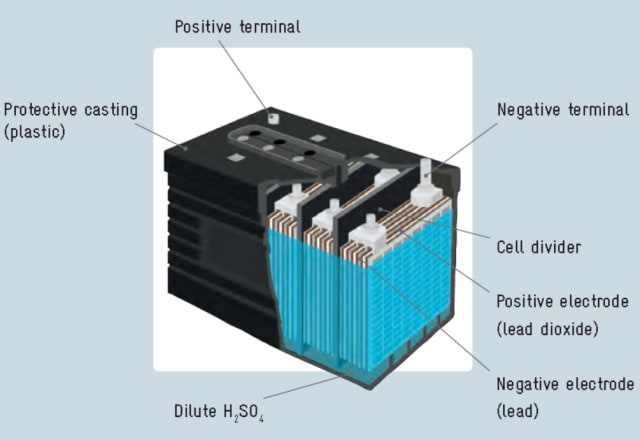
Key Highlights
- Chemistry and Operation: Understanding the reversible chemical reactions between lead, lead dioxide, and sulfuric acid.
- Types and Applications: From automotive SLI systems to renewable energy storage, the versatility of lead acid batteries is well demonstrated.
- Advantages and Challenges: Cost-effectiveness, high surge current capabilities contrasted with maintenance needs and environmental concerns.
Introduction
Lead acid batteries are among the oldest forms of rechargeable batteries, having been invented in the mid-19th century. Their time-tested technology, despite the emergence of newer battery chemistries, continues to play a crucial role across a spectrum of applications. Whether used in automotive starting systems, backup power supplies, or industrial settings, these batteries harness a unique chemical process that makes them both reliable and highly efficient in delivering short bursts of high current.
This comprehensive article delves into the core chemistry of lead acid batteries, outlines the different types, enumerates their advantages and limitations, explores a variety of applications, and discusses future considerations, including environmental impacts and recycling initiatives. The synthesis of the latest insights focuses on providing an in-depth understanding of why, despite emerging alternatives, lead acid batteries remain indispensable in many sectors.
Chemistry and Operation
Fundamental Chemical Reactions
The operation of a lead acid battery is based on reversible chemical reactions. During the discharge phase, a reaction occurs between the electrodes and the electrolyte:
Discharge Reaction
The negative electrode (composed of sponge lead, Pb) and the positive electrode (consisting of lead dioxide, PbO₂) interact with a diluted solution of sulfuric acid (H₂SO₄). The overall chemical reaction during discharge can be represented as follows:
$$ {\rm Pb} + {\rm PbO}_2 + 2{\rm H}_2{\rm SO}_4 \rightarrow 2{\rm PbSO}_4 + 2{\rm H}_2{\rm O} $$
During this process, lead sulfate (PbSO₄) forms on both electrodes, and water is produced, causing a decrease in the concentration of the sulfuric acid electrolyte. The reaction is reversible; when the battery is charged, the lead sulfate is converted back into lead, lead dioxide, and sulfuric acid.
Charging and Cycle Efficiency
The recharge process involves applying an external voltage, effectively reversing the chemical reaction. The energy efficiency of lead acid batteries generally ranges from 70% to 90%, influenced by factors such as temperature, charge rate, and discharge depth. While the energy density of these batteries is comparatively low, their ability to provide high current surges makes them particularly useful in applications requiring intense, momentary power.
Types of Lead Acid Batteries
Overview and Classifications
Lead acid batteries come in several variants, each tailored to specific applications. The most commonly encountered types include:
Flooded Lead Acid (FLA) Batteries
Flooded lead acid batteries, also known as wet cell batteries, are the traditional design where the electrolyte is in a liquid state. These require periodic maintenance, including water refilling, to ensure proper operation. They are often used where high surge current and deep cycling are required, such as in automotive applications or backup power systems.
Valve-Regulated Lead Acid (VRLA) Batteries
VRLA batteries include Absorbent Glass Mat (AGM) and gel cell configurations. These designs are sealed and virtually maintenance-free. AGM batteries use a fiberglass mat to hold the electrolyte, whereas gel cells incorporate a silica-based gel. Their sealed nature and flexible installation options make them popular for uninterruptible power supplies, security systems, and portable devices.
Specialized Variants
Some lead acid batteries are specifically designed for deep-cycle applications. Deep-cycle batteries are engineered to provide a steady amount of current over extended periods and can withstand being discharged deeply repeatedly. They are widely used in renewable energy systems, marine applications, and electric vehicles like golf carts.
Comparison Table
| Battery Type | Maintenance | Common Applications | Advantages |
|---|---|---|---|
| Flooded Lead Acid (FLA) | High (Requires water refilling and electrolyte balance) | Automotive, Industrial backup, Deep cycle | High surge current; Cost-effective |
| Valve-Regulated Lead Acid (VRLA) - AGM | Low (Sealed design) | UPS, Security systems, Telecommunications | Maintenance-free; Versatile installation |
| Valve-Regulated Lead Acid (VRLA) - Gel | Low (Sealed design) | Recreational vehicles, Mobility devices | Low leakage; Stable performance |
| Deep Cycle Lead Acid | Variable (Depends on design) | Marine, Renewable energy storage, Electric vehicles | Designed for sustained discharges; Robust longevity in cycle applications |
Applications of Lead Acid Batteries
Automotive and Transportation
Perhaps the most recognized application of lead acid batteries is in the automotive industry. They are the primary source of power for starting, lighting, and ignition (SLI) systems found in most cars and trucks. The ability to deliver high surge currents in brief bursts makes them ideal for jump-starting engines. Additionally, many electric and hybrid vehicles use specially designed deep-cycle lead acid batteries for auxiliary power demands.
Backup Power and Uninterruptible Systems
Due to their reliability and established infrastructure, lead acid batteries remain a staple in uninterruptible power supplies (UPS), ensuring that critical systems such as data centers, hospitals, and telecommunication hubs continue functioning during power outages. Their robust performance in providing instant backup power is a key factor in their widespread adoption in these sectors.
Renewable Energy Systems
As the world shifts towards renewable energy sources, lead acid batteries often serve as an energy storage solution in solar and wind power installations. Although they have a lower energy density compared to newer technologies, their cost-effectiveness and reliability make them a frequent choice for residential solar systems, off-grid applications, and grid-scale energy storage. By storing excess energy during peak production and releasing it when needed, these batteries contribute to a more balanced and sustainable energy grid.
Industrial and Commercial Use
Lighting and Emergency Systems
Emergency and security systems, including backup lighting and fire alarm systems, commonly utilize lead acid batteries. Their proven reliability in providing instant power in critical situations ensures safety and security in commercial and residential buildings.
Mobilized Systems
In industrial settings, lead acid batteries are often found in forklifts, automated guided vehicles (AGVs), and other machinery requiring a consistent power supply. Their ability to deliver high bursts of current when needed complements the operational demands of such equipment.
Advantages and Limitations
Major Advantages
One of the key benefits of lead acid batteries is their cost-effectiveness. The manufacturing process for these batteries is well established, and the availability of raw materials such as lead makes them relatively inexpensive to produce. Other notable advantages include:
- High Surge Currents: Ideal for applications that require quick, high-powered output, such as starting engines.
- Proven Technology: With over 150 years of usage, the reliability and refinement of lead acid technology is well documented.
- Robust Recycling Infrastructure: The high recycling rate of lead acid batteries mitigates some of the environmental impacts while ensuring material recovery.
- Wide Application Range: Their use ranges from automotive and industrial energy storage to emergency backup systems and renewable energy integration.
Limitations and Challenges
Despite their many advantages, lead acid batteries come with some inherent limitations. Their relatively low energy density means that for a given energy storage requirement, the physical size and weight of the battery can be significant. In portable applications, this can be a substantial drawback. Furthermore, several challenges need to be addressed:
- Maintenance Requirements: Traditional flooded lead acid batteries require periodic maintenance, including water refilling and ensuring proper electrolyte levels.
- Cycle Life Limitations: Subjected to repeated deep discharges, these batteries can experience sulfation, resulting in diminished capacity and performance over time.
- Sensitivity to Temperature: Extreme temperatures can affect the battery's efficiency and performance, necessitating careful management in such environments.
- Environmental Concerns: The lead content and corrosive nature of sulfuric acid make improper disposal a potential hazard, although high recycling rates help counterbalance this issue.
Maintenance, Charging, and Lifecycle
Proper Maintenance Practices
For flooded lead acid batteries, routine maintenance such as checking electrolyte levels and ensuring complete charging cycles is essential to avoid premature degradation. Regular maintenance regimes include:
- Water Replacement: Adding distilled water periodically to replenish the loss during gassing.
- Equalization Charging: A process used to balance the charge between cells to minimize stratification and sulfation.
- Terminal Cleaning: Maintaining clean and corrosion-free terminals to ensure optimal connectivity and efficiency.
Sealed variants like VRLA batteries minimize the need for these maintenance practices, offering more convenience especially in settings where regular manual intervention is impractical.
Charging Considerations and Best Practices
The charging process of a lead acid battery must be carefully managed to prevent damage and extend its lifecycle. Key considerations include:
- Voltage Regulation: Preventing overcharging is critical to avoid excessive gassing and heat generation, which can result in loss of electrolyte and physical damage to the battery plates.
- Temperature Management: Charging at extreme temperatures can strain the battery. It is important to operate within the manufacturer’s recommended temperature ranges.
- Charge Algorithms: Implementing multi-stage charging (bulk, absorption, and float stages) is a common practice that optimizes energy intake while protecting the battery from undue stress.
Lifecycle and Performance Metrics
The typical useful lifespan of a lead acid battery varies based on operating conditions and maintenance routines. Generally, these batteries can last between 3 to 5 years, or approximately 250 to 1000 complete charge/discharge cycles under ideal conditions. Performance metrics include:
- Energy Efficiency: Often in the range of 70% to 90%, based on charge/discharge dynamics.
- Power-to-Weight Ratio: Although not as favorable as modern lithium-ion batteries, the high current delivery makes them suitable for applications requiring significant surge power.
- Cost per Kilowatt-hour: One major economic advantage is the relatively low cost per kWh compared to newer battery technologies.
Environmental and Economic Considerations
Sustainability and Recycling
Despite the environmental risks associated with toxic lead and corrosive acid, lead acid batteries offer an impressive recycling rate which mitigates some of these concerns. The recycling process recovers lead, plastic components, and other materials for reuse in new batteries or other industrial products. This high recycling efficiency is pivotal in offsetting the environmental impact, especially when compared to battery chemistries that face recycling challenges.
Economically, the cost-effectiveness of lead acid batteries makes them particularly attractive for applications where budget constraints are pivotal. Their long-standing market presence has led to infrastructural systems that support both manufacture and recycling on a global scale. This well-established industry base continues to ensure that even as newer battery types gain popularity, lead acid batteries remain a viable option for many use cases.
Economic Implications
In many sectors, the choice between lead acid batteries and other storage systems is dictated by an analysis of the total cost of ownership. While the upfront cost is relatively low, considerations such as maintenance, replacement frequency, and energy efficiency play important roles. An integrated view of the entire lifecycle cost, including recycling and disposal, is essential when evaluating the economic feasibility of these batteries versus other technologies.
Future Perspectives and Innovations
Evolving Technologies and Market Trends
While the fundamental technology behind lead acid batteries has remained largely unchanged since its inception, incremental improvements have been made over the decades. Innovations have focused on enhancing performance in deep-cycle applications, improving charge acceptance, and minimizing maintenance requirements. Additionally, efforts to optimize the internal design to reduce weight and improve energy density have been part of ongoing research.
In markets such as renewable energy storage and grid stabilization, hybrid systems that combine lead acid batteries with newer technologies are being explored. These hybrid solutions aim to leverage the cost advantages of lead acid batteries for bulk storage while using higher energy density systems for portability and compact applications. Furthermore, advancements in electrolyte composition and electrode design continue to push the boundaries of what may be achievable with modified lead acid battery systems.
Challenges and Research Opportunities
Research efforts continue to address the challenges that have long been associated with lead acid technology. Among these are the development of more resistant materials to extend cycle life, improvements in maintenance-free designs, and the integration of smart battery management systems (BMS) that can provide real-time monitoring and predictive maintenance. These developments may help extend the practical applications of lead acid batteries in an increasingly competitive energy storage market.
Conclusion and Final Thoughts
In summary, lead acid batteries remain a cornerstone in the landscape of energy storage solutions. Their enduring utility is rooted in a well-established chemical foundation, cost-effective manufacturing, and the ability to deliver high surge currents. Diverse types—from traditional flooded batteries requiring diligent maintenance to advanced sealed designs—address a wide array of applications, including automotive SLI systems, emergency backup power, industrial machinery, and renewable energy installations.
Despite challenges such as lower energy density, maintenance demands, and environmental concerns associated with lead and sulfuric acid, the continuously evolving technology - coupled with a robust recycling infrastructure - secures their position as a reliable energy storage medium. As emerging innovations strive to extend the cycle life and improve energy efficiency, lead acid batteries are likely to coexist with modern battery technologies, each optimized for specific use scenarios. This synergy, alongside ongoing research and rigorous environmental management practices, assures that lead acid batteries will continue to be relevant and dynamically adapted to meet future energy needs.
Overall, the legacy of the lead acid battery exemplifies the successful integration of established technology with ongoing advancements, ensuring its relevance in both present and future energy landscapes.
References
-
Lead Acid Battery - ScienceDirect Topics
- How Lead Acid Batteries Work - Powering Autos
- Lead–Acid Battery - Wikipedia
- About Lead Batteries - Battery Council
- Types and Uses of Lead Acid Batteries - Battery Tech Online
Recommended Further Queries
Last updated February 20, 2025