
Mastering the Art of Circus Rigging: A Comprehensive Learning Guide
Unlocking the Secrets to Safe and Effective Aerial Setups for Performers and Enthusiasts
Circus arts rigging is a highly specialized discipline crucial for the safety and success of aerial performances. It involves the meticulous assembly and maintenance of equipment to support performers, ensuring their well-being while enabling breathtaking acts. This guide provides a comprehensive overview of how to learn and master circus rigging, from foundational principles to advanced practices, highlighting key safety considerations and educational pathways.
Key Insights into Learning Circus Rigging
- Prioritize Safety Education: The paramount aspect of learning circus rigging is an unwavering commitment to safety, including understanding load bearing capacities, safety factors, and proper equipment inspection.
- Seek Qualified Instruction: Formal training from certified riggers and reputable institutions is essential, as hands-on experience under expert supervision is irreplaceable for developing practical skills.
- Embrace Multidisciplinary Knowledge: Circus rigging draws from diverse fields such as construction, entertainment, and industrial rope access, requiring a broad understanding of mechanics, materials, and regulations.
The Foundational Principles of Circus Rigging
Understanding the Core Concepts
At its heart, circus rigging is about creating a secure and reliable system for aerialists and other performers. This involves much more than simply hanging equipment; it demands a deep understanding of physics, material science, and stringent safety protocols. Beginners should focus on grasping the fundamental concepts that underpin all rigging operations.
Forces and Load Management
A critical initial step in learning circus rigging is to comprehend the forces exerted during aerial performances. Different circus acts generate varying dynamic loads, which can be significantly higher than the performer's static weight. For human or acrobatic rigging, a safety factor of 10 is recommended, meaning the rigging system should be able to withstand ten times the expected load. This accounts for sudden movements, drops, and other dynamic elements that can multiply the force on the equipment.
Understanding concepts like Minimum Breaking Load (MBL) and Working Load Limit (WLL) is vital. MBL is the minimum force required to break a component, while WLL is the maximum force that should be applied to a component in use, taking into account the safety factor. Properly calculating these loads and selecting equipment with appropriate capacities is non-negotiable for safety.
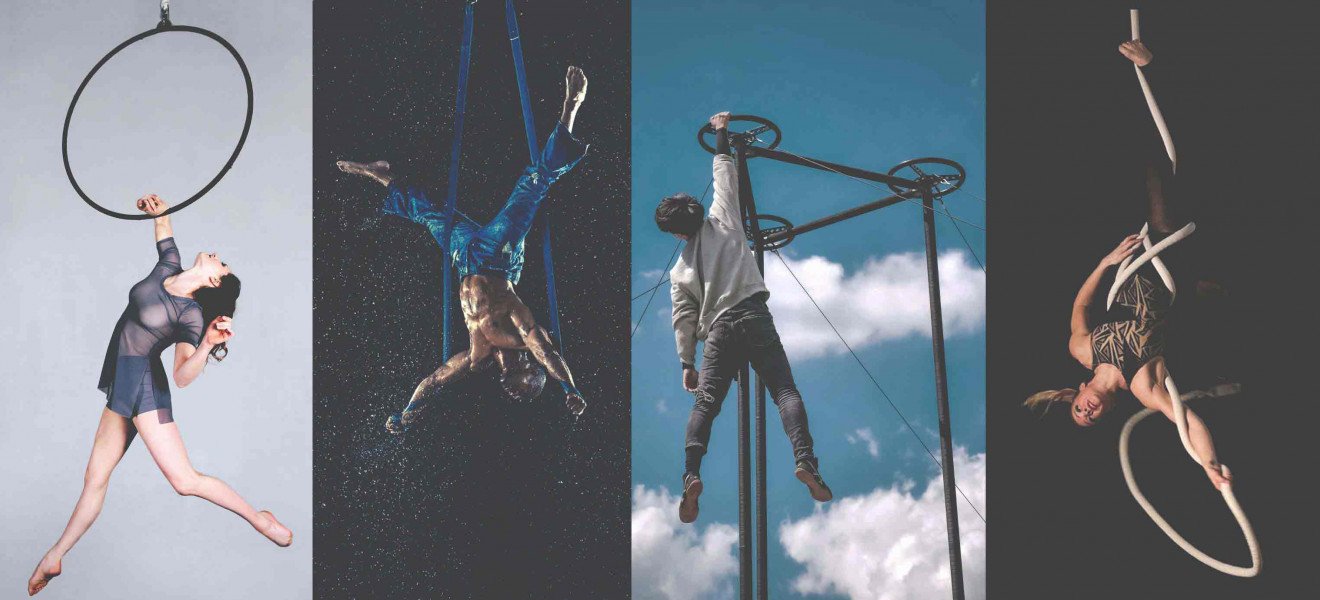
An aerial performer relying on expertly rigged equipment, emphasizing the critical role of safe rigging in circus arts.
Equipment Selection and Inspection
The choice of rigging equipment is paramount. This includes a wide array of components such as carabiners, slings, swivels, pulleys, and specialized apparatuses like aerial silks, hoops, and straps. Each piece of equipment has its own specifications, intended use, and lifespan. It is crucial to use certified equipment designed for acrobatic rigging and to inspect it meticulously before every training session or performance for signs of wear, damage, or improper connection.
Maintaining a log of equipment use is recommended to track its lifespan and ensure timely replacement. Using tools correctly and avoiding misuse are fundamental to preventing serious accidents. Rigging is a skill in itself, and only trained riggers are qualified to assess the load-bearing capacity of structures and potential rigging points.
Pathways to Learning Circus Rigging
Educational Opportunities and Training Programs
Given the inherent dangers of aerial arts, informal learning or self-rigging, especially for beginners, is strongly discouraged. Formal education and hands-on training under the guidance of qualified and competent professionals are indispensable. Several avenues exist for aspiring riggers to acquire the necessary knowledge and skills.
Online Courses and Workshops
Many institutions and experienced riggers offer online courses that cover the theoretical aspects of circus rigging. These courses often provide foundational knowledge, introduce safety protocols, discuss different types of rigging systems, and explain basic rigging knots. Examples include:
- Circus Rigging & Safety Online Training: This course covers basic theoretical knowledge, safe working practices, regulations, PPE, and the erection of basic support structures. It delves into the forces generated by different circus arts and appropriate safety factors.
- Night Owl Circus Arts (NOCA) - Rigging Fundamentals with Craig Lewis: These online Zoom classes teach the basic fundamentals of aerial rigging and help identify common red flags of unsafe rigging setups.
- Circus Arts Institute - Aerial Rigging Fundamentals: Offered both online and in-person as traveling workshops, these classes provide essential rigging knowledge for aerialists and venues.
While online courses are excellent for theoretical understanding, they must be complemented by practical experience. Many online courses emphasize that while knowledge is gained, actual rigging should only be done under expert supervision.
An insightful video demonstrating the robust aerial rigging system in a professional studio, showcasing the dedication to safety and structural integrity.
This video from Night Owl Circus Arts offers a practical glimpse into how a studio's aerial rigging operates, emphasizing the "super heavy duty" nature of the setups to ensure safety in classes. It visually reinforces the concepts of secure rigging points and the complexity involved in professional aerial environments, which is crucial for anyone aspiring to understand circus rigging.
In-Person Training and Apprenticeships
The most effective way to learn circus rigging is through hands-on training and mentorship from qualified professionals. This often involves:
- Rigging Workshops and Intensives: Many circus schools and rigging educators offer intensive workshops focusing on practical application, risk analysis, and advanced rigging techniques. These workshops provide opportunities to work with various pieces of equipment and learn different rigging configurations.
- Apprenticeships with Certified Riggers: Working directly under an experienced rigger is invaluable. This allows for real-world application of theoretical knowledge, troubleshooting, and learning best practices for complex rigging scenarios, including flying performers. Organizations like American Circus Educators (ACE) often list certified riggers.
- University Programs: Some institutions, such as Stockholm University of the Arts, offer courses that combine circus rigging with artistic practice, focusing on safe and well-thought-out rigging designs and methodologies.
Critical Safety Considerations in Circus Rigging
Ensuring a Secure Environment for Performance and Practice
Safety is not merely a component of circus rigging; it is the fundamental principle guiding every decision and action. Neglecting safety can lead to severe injuries or fatalities. Thus, a comprehensive understanding of safety protocols and a diligent approach to their implementation are paramount.
Risk Assessment and Mitigation
Before any equipment is rigged or performance takes place, a thorough risk assessment must be conducted. This involves identifying potential hazards, evaluating the risks, and implementing measures to mitigate them. Factors to consider include:
- The specific type of circus art and the dynamic forces it generates.
- The integrity and load-bearing capacity of the chosen rigging points (e.g., roof structures, trusses, portable rigs). Consulting with a structural engineer is often necessary for permanent installations.
- The condition and certification of all rigging equipment.
- The experience level of the performers and riggers.
- Environmental factors, especially when rigging outdoors.
Sufficient padding and crash mats should always be used underneath aerial equipment, unless their presence increases risk. Regular inspections of rigging systems by a Competent Person are essential, and systems should be designed and installed by or under the supervision of a Qualified Person.
Regulatory Compliance and Best Practices
Circus rigging borrows from various industries, and riggers must be aware of applicable regulations and industry best practices. While the "Machinery Directive" might apply in an industrial context, circus arts require a balance between high industrial requirements and the specific demands of performance. Key areas include:
- Personal Protective Equipment (PPE): Understanding and correctly using PPE for rigging operations and working at height.
- Tool Safety: Knowing the safety rules for each rigging tool and never using a tool improperly or if it's damaged.
- Documentation: Maintaining logs of equipment use, inspections, and any incidents.
- Collaboration: Clear communication between riggers, performers, and venue staff is vital for a safe working environment.
Developing Rigging Expertise: A Multi-faceted Approach
The Skills and Knowledge Required for Advanced Rigging
Becoming a truly expert rigger requires continuous learning and a broad skill set. It's not just about mechanics but also about problem-solving, adaptability, and an understanding of performance needs.
Beyond the Basics: Specialized Rigging Scenarios
Advanced rigging involves understanding how to rig for a variety of circus arts and unique performance scenarios. This includes:
- Rigging aerial silks, hoops, straps, and other apparatuses.
- Setting up and working with different types of truss systems.
- Designing and erecting temporary support structures for performances.
- Understanding how to safely "fly" people in performances, which requires specialized knowledge and rigorous safety protocols.
- Adapting rigging for different venues, from traditional circuses to theaters and outdoor spaces.
This radar chart illustrates the progression of expertise in various critical areas for a circus rigger, categorizing them into Beginner, Experienced, and Expert levels. It visually represents how proficiency in technical knowledge, safety protocols, practical experience, problem-solving, communication, adaptability, and regulatory understanding deepens with experience. An expert rigger demonstrates high competency across all dimensions, underscoring the holistic skill set required for safe and effective circus rigging.
Continuing Education and Community Involvement
The field of rigging is constantly evolving with new equipment, techniques, and safety standards. Continuous learning is crucial for riggers to stay current. This includes attending advanced workshops, participating in industry forums, and engaging with professional communities like the RIGGERS EU project and the American Circus Educators (ACE) Safety Committee. These communities provide valuable platforms for exchanging knowledge, best practices, and addressing day-to-day challenges.
Key Equipment for Circus Rigging
Essential Tools and Components for Safe Setups
Understanding and correctly using the right equipment is fundamental to circus rigging. Here's a table outlining common equipment and their primary functions:
| Equipment Type | Function | Key Considerations |
|---|---|---|
| Carabiners | Connecting various rigging components (e.g., apparatus to slings, slings to anchors). | Must be rated for human loads, locking (screw-gate or auto-locking), and regularly inspected for wear. Oval shapes are often preferred for optimal loading of pulleys. |
| Slings (Webbing or Rope) | Creating anchor points, extending rigging, or connecting to structural elements. | Available in various lengths and materials. Must be appropriately rated and protected from sharp edges or abrasion. |
| Swivels | Allowing apparatuses to rotate freely, preventing twisting of ropes or silks. | Essential for many aerial acts to prevent equipment damage and ensure performer comfort and safety. |
| Pulleys | Used in mechanical advantage systems for lifting and lowering equipment or performers. | Reduces friction and required force. Must be rated for the loads and used correctly within a system. |
| Spreader Plates | Distributing load over multiple points, often used when rigging multiple lines to an apparatus. | Ensures even distribution of force and avoids point loading on equipment. |
| Aerial Apparatuses | The equipment performers interact with (e.g., silks, hoops, straps, trapeze). | Must be specifically manufactured for circus use, regularly inspected, and replaced based on wear and use logs. |
| Mats / Padding | Provides impact absorption beneath aerial equipment. | Crucial for performer safety, especially during training and when learning new moves. Thickness often varies by activity (e.g., 12" standard, 24" for pits). |
Always source equipment from reputable suppliers like CircusConcepts or Circus Gear, who specialize in safe, high-quality circus props and rigging accessories.
Frequently Asked Questions about Learning Circus Rigging
How important is a structural engineer for home rigging?
For home rigging, consulting with a structural engineer is critically important. Only a structural engineer can definitively calculate the safety of a structure for aerial rigging. Aerial forces can range from 2 to 7 times a person's body weight, and professional, human-rated rigging often requires a safety factor of 10. Without proper assessment, rigging at home can be extremely dangerous and life-threatening.
Can I learn circus rigging completely online?
While online courses can provide a strong theoretical foundation in circus rigging, they are not sufficient for full mastery. Rigging is a highly practical skill that requires hands-on experience, direct supervision, and mentorship from qualified professionals to ensure safety and competence. Online learning should be complemented with in-person workshops and apprenticeships.
What is a "Qualified Person" or "Competent Person" in rigging?
A "Qualified Person" is someone who, by possession of a recognized degree, certificate, or professional standing, or by extensive knowledge, training, and experience, has successfully demonstrated the ability to solve or resolve problems relating to the subject matter, the work, or the project. A "Competent Person" is one who is capable of identifying existing and predictable hazards in the surroundings or working conditions which are unsanitary, hazardous, or dangerous to employees, and who has authorization to take prompt corrective measures to eliminate them. These designations are crucial for safe rigging practices, especially for inspections and installations.
What are the main dangers of practicing aerial arts at home without proper rigging knowledge?
Practicing aerial arts at home without proper rigging knowledge carries significant risks, including equipment failure due to incorrect setup or unsuitable rigging points, leading to falls and severe injuries. Without professional assessment of load-bearing capacity and a thorough understanding of dynamic forces, even seemingly strong structures can fail. It can also lead to entanglement hazards if not properly supervised or trained.
Conclusion
Learning circus arts rigging is a demanding yet rewarding journey that demands rigorous training, unwavering attention to safety, and continuous education. It is a discipline that marries the precision of engineering with the artistry of performance, ensuring that the spectacle on stage is built upon an invisible foundation of meticulous safety. By pursuing comprehensive training from qualified educators, understanding the intricate forces at play, diligently inspecting equipment, and adhering to strict safety protocols, aspiring riggers can contribute to the mesmerizing world of circus arts responsibly and expertly.
Recommended Queries
- How are advanced dynamic load calculations performed for circus rigging?
- What are the specific certification requirements for professional circus riggers?
- What are the best practices for ensuring safety in outdoor aerial rigging setups?
- What are the latest innovations in circus rigging technology and materials?
References
 circusismylife.wordpress.com
Last updated May 22, 2025