
Mastering Music: Your Comprehensive Guide to Learning an Instrument
Unlock your musical potential with a strategic approach to instrument learning.
Key Highlights for Aspiring Musicians
- Choose the Right Instrument: Select an instrument that excites you and aligns with your musical preferences for sustained motivation.
- Set Realistic Goals: Define achievable short-term and long-term objectives to maintain progress and prevent discouragement.
- Consistent Practice: Regular, focused practice sessions are more valuable than infrequent, lengthy ones; aim for at least 25 minutes a day with short breaks.
Selecting Your Instrument: A Harmonious Beginning
Choosing the right instrument is the first step toward a fulfilling musical journey. Your personal preferences, the type of music you enjoy, and the instrument's role in those genres should guide your decision. Consider instruments like the piano or guitar, which are versatile across many styles. For example, aspiring blues, folk, or country musicians might find the harmonica particularly accessible.
Matching Instrument to Musical Taste
Aligning your instrument choice with your musical tastes is crucial. If you love rock, a guitar or drums might be ideal. If classical music resonates with you, consider the piano, violin, or cello. This alignment ensures that you remain engaged and motivated, turning practice into a joyful activity rather than a chore.
Easy Instruments for Beginners
Some instruments are easier to start with due to their simpler mechanics and quicker learning curves. Here are a few beginner-friendly options:
-
Harmonica: Compact and relatively easy to produce sound, making it great for beginners.
-
Ukulele: With only four strings, it's simpler to learn chords compared to the guitar.
-
Piano/Keyboard: Develops a strong understanding of music theory and is versatile across genres.
-
Recorder: Simple to learn and a good starting point for understanding wind instruments.
Considering the Learning Curve
Assess the initial difficulty of producing a good sound on different instruments. The piano, for instance, allows beginners to produce clear, crisp sounds relatively quickly. In contrast, instruments like the guitar, violin, or trumpet may require more time to develop a strong tonal quality. Each instrument offers unique challenges and rewards, so choose one that matches your patience and dedication.
Setting Achievable Goals: Charting Your Musical Path
Setting realistic goals is essential for maintaining motivation and tracking progress. Break down your musical journey into short-term and long-term objectives. Short-term goals could include learning a new song or mastering basic scales, while long-term goals might involve playing in a band or reaching an advanced skill level.
Defining Short-Term and Long-Term Objectives
Start with achievable short-term goals to build momentum. For example, commit to learning one new chord per week on the guitar or mastering a simple melody on the piano. As you gain confidence, set long-term goals, such as performing at a local open mic night or joining a community orchestra. Regularly reassess your goals to ensure they remain challenging yet attainable.
The Role of Music Theory
Understanding music theory can significantly enhance your learning experience. Familiarize yourself with basic concepts like scales, chords, and rhythms. This knowledge will provide a solid foundation for understanding how music is constructed and improve your ability to learn and play new pieces.
Choosing the Right Learning Method
Select a learning method that suits your individual style. Options include private lessons, online courses, self-teaching with books and videos, or group classes. Each approach has its advantages, so consider your budget, schedule, and learning preferences.
Effective Practice Strategies: Honing Your Skills
Consistent practice is the cornerstone of mastering any instrument. Regular, focused practice sessions are more effective than infrequent, lengthy ones. Aim for at least 25 minutes of practice each day, followed by a short break to allow your brain to process what you've learned. Consistency helps develop muscle memory and reinforces learned concepts.
Creating a Practice Schedule
Establish a structured practice schedule that fits into your daily routine. Consistency is key, so set aside a specific time each day for practice. Whether it's early in the morning, during your lunch break, or in the evening, having a regular schedule will help you stay on track and make steady progress.
The Importance of Warm-Ups
Before each practice session, warm up your hands and brain with simple exercises. For example, practice scales and arpeggios to improve finger dexterity and coordination. Warming up prepares your muscles and mental focus for more challenging tasks, reducing the risk of injury and enhancing your performance.
Seeking Feedback and Performing
Don't be afraid to seek feedback from teachers, mentors, or fellow musicians. Constructive criticism can help you identify areas for improvement and refine your technique. Additionally, perform for friends and family to gain confidence and experience playing in front of an audience. Performing also helps you assess your abilities objectively.
The Value of Listening
Immerse yourself in music by listening to performances of the instrument you are learning. Pay attention to the nuances of tone, rhythm, and phrasing. Listening actively enhances your understanding of the instrument's capabilities and inspires you to emulate the techniques of skilled musicians. Make listening an integral part of your learning process.
Choosing Between Self-Teaching and Lessons
Deciding whether to self-teach or take lessons depends on your learning style, budget, and goals. Self-teaching offers flexibility and affordability, but it requires discipline and access to reliable resources. Lessons provide structured guidance and personalized feedback, accelerating your progress and preventing the development of bad habits.
Online Resources and Lessons: Digital Aids for Musical Growth
Online resources offer a wealth of opportunities for learning an instrument. Platforms like YouTube, online music schools, and interactive apps provide lessons, tutorials, and exercises for various instruments and skill levels. These resources allow you to learn at your own pace and access expert instruction from anywhere in the world.
Exploring Online Platforms
Several online platforms offer structured music lessons. Websites and apps like ArtistWorks, Lessonface, and Forte provide access to experienced instructors and comprehensive lesson libraries. These platforms often include features like video exchange, live feedback, and community forums to enhance your learning experience.
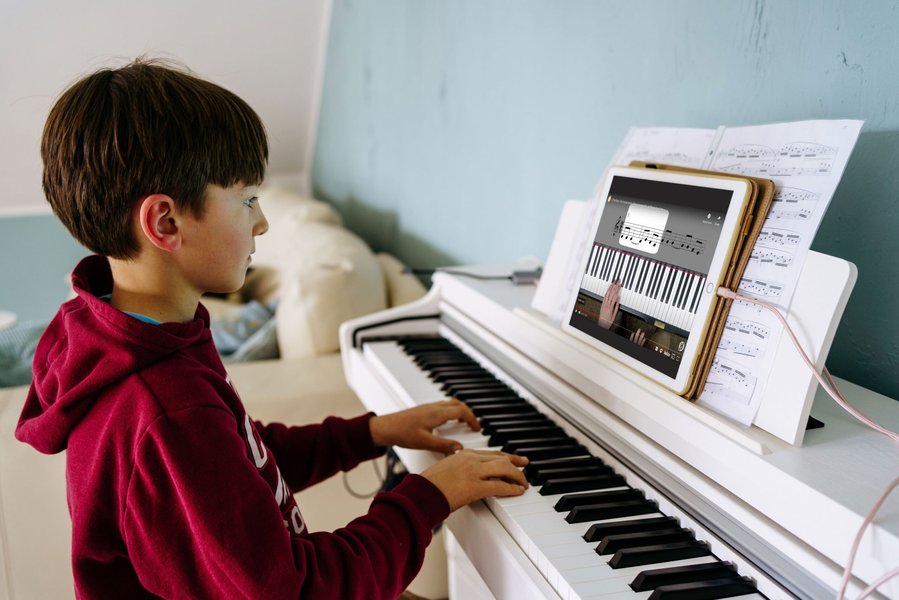
A young student uses a tablet to learn piano, showcasing the integration of technology in modern music education.
Free Online Resources
Numerous free online resources can supplement your learning. YouTube channels, online music theory websites, and free apps offer tutorials, exercises, and sheet music. Platforms like Practicing Musician provide structured, interactive lessons for instruments like the flute and violin. Leveraging these free resources can make learning more accessible and affordable.
The Benefits of Interactive Apps
Interactive apps like Yousician and Simply Piano combine video lessons with songs and exercises, making learning engaging and fun. These apps provide immediate feedback on your playing, helping you identify and correct mistakes. They also track your progress and offer personalized recommendations, keeping you motivated and on track.
Considering Online Music Communities
Engage with online music communities to connect with fellow learners, share your progress, and seek advice. Online forums, social media groups, and virtual jam sessions provide opportunities to collaborate, receive feedback, and stay motivated. Interacting with others who share your passion can enhance your learning experience and foster a sense of belonging.
Table of Online Music Platforms
Choosing the right online platform depends on your specific needs and preferences. Here's a comparison of some popular options:
| Platform | Instruments Offered | Lesson Style | Key Features | Pricing |
|---|---|---|---|---|
| ArtistWorks | Guitar, Piano, Banjo, Ukulele, and more | Video Exchange Learning | Massive lesson library, feedback from instructors, online community | Subscription-based |
| Lessonface | Various instruments and voice | Live online lessons | Personalized feedback, customized learning approach | Pay-per-lesson or subscription |
| Forte | Various instruments | Live online lessons | High audio resolution, features built for music learning | Subscription-based |
| Yousician | Guitar, Piano, Bass, Ukulele, and Singing | Interactive lessons | Video lessons, songs, exercises, immediate feedback | Subscription-based |
| Simply Piano | Piano | Interactive lessons | Video lessons, songs, exercises, progress tracking | Subscription-based |
Overcoming Challenges: Maintaining Motivation and Momentum
Learning an instrument can be challenging, but maintaining motivation is crucial for long-term success. Celebrate small victories, find ways to make practice enjoyable, and don't be discouraged by setbacks. Remember that progress is not always linear, and there will be times when you feel stuck. The key is to persevere and keep practicing.
Dealing with Frustration
It’s common to experience frustration when learning an instrument. When you feel overwhelmed, take a break, revisit easier material, or seek help from a teacher or mentor. Breaking down complex tasks into smaller, manageable steps can make them less daunting and help you regain confidence. Remember, every musician faces challenges, and overcoming them is part of the learning process.
Staying Inspired
Keep yourself inspired by attending concerts, listening to your favorite musicians, and exploring new genres of music. Surround yourself with a musical environment that fuels your passion and motivates you to keep learning. Connecting with other musicians and sharing your experiences can also provide encouragement and support.
Balancing Practice with Other Commitments
Balancing practice with other commitments can be challenging, especially for busy adults. The key is to find creative ways to incorporate music into your daily routine. Practice during your lunch break, listen to music while commuting, or join a band that rehearses on weekends. Even small amounts of consistent practice can lead to significant progress over time.
FAQ: Your Questions Answered
What is the easiest instrument to learn as a beginner?
The harmonica, ukulele, and keyboard are often recommended as easy instruments for beginners due to their simple mechanics and quick learning curves. Each offers a low barrier to entry and can provide a satisfying musical experience early on.
How much should I practice each day?
Aim for at least 25 minutes of focused practice each day. Consistent, regular practice is more effective than infrequent, lengthy sessions. Short breaks during practice can also help your brain process what you've learned.
Should I take music lessons or teach myself?
The choice depends on your learning style, budget, and goals. Lessons provide structured guidance and personalized feedback, while self-teaching offers flexibility and affordability. Many people find a combination of both to be the most effective approach.
How important is music theory?
Understanding music theory can significantly enhance your learning experience. It provides a solid foundation for understanding how music is constructed and improves your ability to learn and play new pieces. However, it's not essential to master music theory before starting to learn an instrument.
What are some good online resources for learning an instrument?
There are many excellent online resources, including ArtistWorks, Lessonface, Forte, Yousician, and Simply Piano. YouTube channels, online music theory websites, and free apps can also supplement your learning.
How can I stay motivated when learning an instrument?
Set realistic goals, celebrate small victories, find ways to make practice enjoyable, and don't be discouraged by setbacks. Immerse yourself in music by attending concerts, listening to your favorite musicians, and connecting with other musicians.
References
Last updated April 14, 2025