
Your Journey to Financial Growth: A Beginner's Guide to Investing
Unlocking the World of Investments and Building Your Wealth with Confidence
Embarking on the investment journey can feel daunting, with a myriad of terms, strategies, and platforms to navigate. However, the truth is that you don't need to be a financial expert or possess a large sum of money to begin. The core principle of investing is to put your money to work for you, allowing it to grow over time and help you achieve your financial goals. This comprehensive guide will equip you with the essential knowledge and actionable steps to confidently start your investment learning and practice in 2025.
Key Highlights for Aspiring Investors
- Start with Your Goals: Before diving into specific investments, clearly define what you are investing for. Whether it's retirement, a down payment on a home, or your child's education, your goals will shape your investment strategy and risk tolerance.
- Embrace Diversification: For beginners, focusing on diversified investments like mutual funds or Exchange-Traded Funds (ETFs) that track broad market indexes is highly recommended. This approach helps reduce risk compared to investing in individual stocks.
- Leverage Accessible Platforms: The investment landscape in 2025 offers numerous user-friendly platforms, including robo-advisors and online brokerages, which make investing accessible even with minimal capital. Many now offer commission-free trades and no account minimums, simplifying the entry process.
Understanding the Fundamentals of Investing
Investing is essentially allocating capital with the expectation of generating a profit or a return. Unlike saving, which typically involves keeping money in a secure, low-growth account, investing involves putting your money "at risk" in various assets with the potential for higher returns. The earlier you start, the more time your money has to grow through the power of compound earnings.
The "Why" Before the "What": Defining Your Investment Goals
One of the most crucial first steps in learning about investing is to understand your personal financial objectives. This foundation will guide your investment choices, account types, and risk appetite. Common investment goals include:
- Retirement Planning: Building a substantial nest egg to support your lifestyle in later years. This is often a long-term goal, allowing for greater risk tolerance.
- Buying a Home: Saving for a down payment or future mortgage payments. The timeline for this goal might influence the types of investments you choose.
- Education Funding: Saving for your children's college education through specific tax-advantaged accounts.
- Wealth Accumulation: General long-term growth of your capital for financial security or future large purchases.
- Emergency Fund: While not strictly an investment, having a robust emergency fund (typically 3-6 months of living expenses in a high-yield savings account) is a prerequisite to investing, as it prevents you from needing to withdraw from your investments during market downturns.
Your goals directly influence your time horizon—how long you plan to keep your money invested. A longer time horizon generally allows you to weather market fluctuations and potentially take on more risk for higher returns.
Assessing Your Risk Tolerance
Risk tolerance is your comfort level with the potential for loss in exchange for potential gains. Understanding this is vital because it helps you select investments that align with your psychological comfort and financial capacity to absorb losses. Factors influencing risk tolerance include:
- Time Horizon: Generally, longer time horizons allow for higher risk.
- Financial Stability: Your current income, expenses, and emergency savings influence how much risk you can afford to take.
- Personal Disposition: Some individuals are naturally more aggressive, while others prefer conservative approaches.
Many investment platforms offer questionnaires to help you assess your risk tolerance, which can guide your asset allocation decisions.
Navigating Investment Vehicles and Accounts
Once you have your goals and risk tolerance defined, the next step is to understand the various investment vehicles and the types of accounts available to hold them.
Understanding Core Asset Classes
The building blocks of any investment portfolio are asset classes. The three main asset classes are:
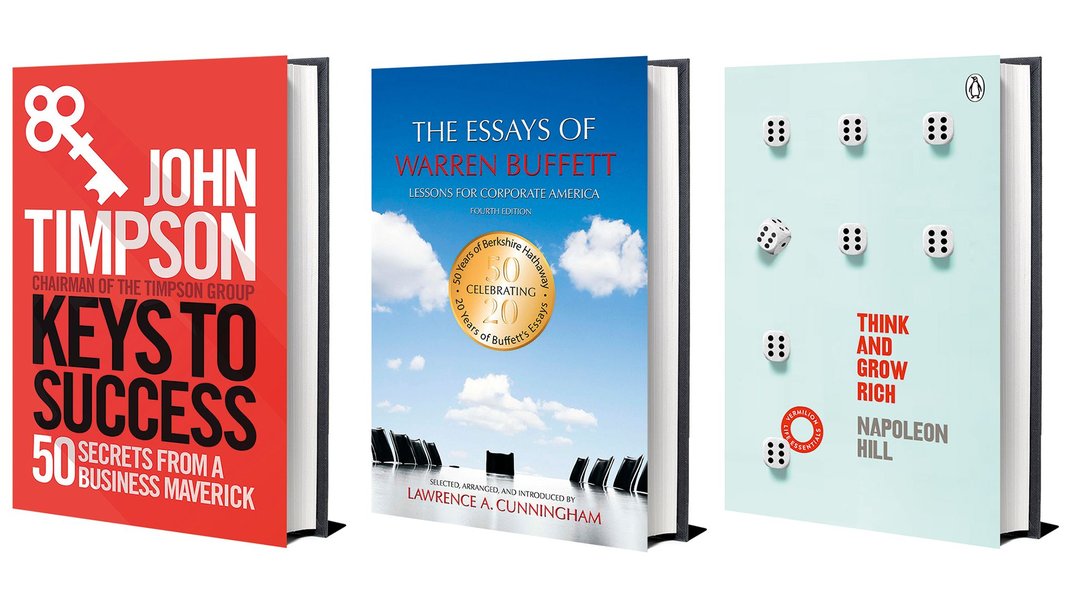
Educating yourself through reliable resources is a cornerstone of successful investing.
Stocks (Equities)
Stocks represent ownership in a company. When you buy a stock, you own a small part of that company. The value of your shares can fluctuate based on the company's performance, industry trends, and overall market conditions. Historically, stocks have offered the highest returns among asset classes, but they also come with higher volatility. For beginners, investing in individual stocks can be overwhelming due to the sheer volume of choices and the need for thorough research. Many financial experts recommend starting with diversified stock funds instead.
Bonds (Fixed Income)
Bonds are essentially loans made to a government or corporation. In return for lending your money, the issuer promises to make regular interest payments and return your initial investment (par value) on a specified maturity date. Bonds are generally considered less risky than stocks and can provide a steady income stream. However, their returns tend to be lower, and their value can be sensitive to interest rate fluctuations.
Mutual Funds and ETFs
These are excellent starting points for beginners because they offer instant diversification. A mutual fund pools money from many investors to invest in a diversified portfolio of stocks, bonds, or other securities, managed by a professional fund manager. ETFs (Exchange-Traded Funds) are similar but trade like stocks on an exchange throughout the day. Both are cost-effective ways to get broad market exposure without having to research and buy individual securities.
- Index Funds: A type of mutual fund or ETF that tracks a specific market index, like the S&P 500. They are passively managed, meaning lower fees, and are often recommended for their broad diversification and consistent performance.
Real Estate
Investing in real estate can provide diversification and potential for appreciation and rental income. For beginners, direct property ownership can be capital-intensive. More accessible options include:
- Real Estate Investment Trusts (REITs): Companies that own, operate, or finance income-producing real estate. They trade like stocks on exchanges, offering liquidity and a way to invest in real estate without buying physical property.
- Real Estate Crowdfunding Platforms: These platforms allow multiple investors to pool money to invest in larger real estate projects.
Choosing the Right Investment Account
The type of account you choose impacts how your investments are taxed and accessed. Here are common options for beginners:
- Individual Retirement Accounts (IRAs): Tax-advantaged accounts designed for retirement savings.
- Traditional IRA: Contributions might be tax-deductible, and taxes are paid upon withdrawal in retirement.
- Roth IRA: Contributions are made with after-tax money, but qualified withdrawals in retirement are tax-free.
- 401(k)s and Other Employer-Sponsored Plans: Many employers offer retirement plans (like 401(k)s in the U.S. or similar plans elsewhere) where you can contribute a portion of your paycheck, often with employer matching contributions, which is essentially free money.
- Brokerage Accounts (Taxable Accounts): General investment accounts that offer flexibility to invest in a wide range of assets for any financial goal. Gains are typically taxed in the year they are realized.
- 529 College Savings Plans: Tax-advantaged accounts specifically designed to save for education expenses.
Step-by-Step Guide to Getting Started
With an understanding of the basics, here’s a practical roadmap to begin your investment journey:
Step 1: Set Your Financial Foundation
- Create a Budget: Understand your income and expenses. The 50:30:20 rule (50% needs, 30% wants, 20% savings/debt repayment) can be a good starting point. This helps identify how much you can consistently invest.
- Build an Emergency Fund: Before investing in riskier assets, ensure you have 3-6 months of living expenses saved in an easily accessible, low-risk account like a high-yield savings account.
- Pay Down High-Interest Debt: Debts like credit card balances often have higher interest rates than potential investment returns. Prioritize paying these off before heavily investing.
Step 2: Choose Your Investment Platform
In 2025, numerous user-friendly platforms cater to beginners. Consider factors like fees, investment options, customer support, and educational resources.
Online Brokerages
These platforms allow you to actively manage your investments, buying and selling stocks, ETFs, mutual funds, and more. Many now offer commission-free trades for various investments, making them highly accessible. Examples include Fidelity, Charles Schwab, and Vanguard.
Robo-Advisors
Ideal for beginners, robo-advisors use algorithms to build and manage a diversified portfolio based on your financial goals and risk tolerance. They offer automated investing at a lower cost than traditional financial advisors. Popular robo-advisors include Betterment and Wealthfront.
Step 3: Fund Your Account and Make Your First Investment
Once you've chosen a platform, link your bank account and transfer funds. Many platforms have eliminated account minimums, allowing you to start with as little as $5 or $100. For your first investment, consider broad-market index funds or ETFs. For example, an S&P 500 index fund provides diversification across 500 of the largest U.S. companies, making it a solid choice for beginners.
Here's a visual representation of how different investment approaches might align with various investor profiles:
This radar chart illustrates the characteristics of different investment approaches from a beginner's perspective. For instance, robo-advisors and index funds/ETFs generally require less time commitment and offer higher diversification, making them suitable for those starting out. Individual stocks, while offering high potential returns, demand significant time for research and carry higher risk and lower inherent diversification. Direct real estate investing typically requires more capital and time but can also offer strong returns and some diversification.
Step 4: Develop an Investment Strategy
While robo-advisors handle strategy automatically, self-directed investors need to consider approaches like:
- Buy and Hold: A long-term strategy where you buy investments and hold onto them for many years, riding out market fluctuations. This is often recommended for beginners due to its simplicity and effectiveness.
- Dollar-Cost Averaging (DCA): Investing a fixed amount of money at regular intervals (e.g., $100 every month), regardless of market highs or lows. This strategy reduces risk by averaging out your purchase price over time and building a consistent investing habit.
Step 5: Monitor and Adjust Your Portfolio
Investing is not a one-time event. Regularly review your investments to ensure they still align with your goals and risk tolerance. While frequent trading is discouraged for beginners, periodic rebalancing (adjusting your asset allocation back to your target percentages) can be beneficial.
Key Considerations for Beginner Investors
As you delve deeper, keep these important points in mind:
The Power of Compound Earnings
This is arguably the most powerful concept in investing. Compound earnings occur when your investment returns start earning their own returns, causing your account balance to snowball over time. Starting early maximizes the effect of compounding.
\[ \text{Future Value} = \text{Principal} \times \left(1 + \frac{\text{Annual Interest Rate}}{\text{Number of Compounding Periods}}\right)^{(\text{Number of Compounding Periods} \times \text{Time})} \]This formula highlights how your initial investment (Principal) grows exponentially over time, especially with consistent contributions and reinvested earnings.
The Importance of Diversification
Diversification means spreading your investments across different asset classes, industries, and geographic regions. This strategy helps reduce overall risk, as a downturn in one area might be offset by gains in another. "Don't put all your eggs in one basket" is a timeless investing adage for a reason.
Keeping Costs Low
Every dollar paid in fees is a dollar not working for you. Opt for low-cost index funds or ETFs. Be mindful of account maintenance fees and trading commissions, although many online brokers have eliminated the latter for standard stock and ETF trades.
Patience and Long-Term Mindset
Market fluctuations are normal. Successful investing requires patience and a long-term perspective. Avoid making emotional decisions based on short-term market movements. Remember that financial security is attained over a long period of consistent saving and investing.
Understanding Regulatory Protection
In the U.S., entities like the Securities and Exchange Commission (SEC) and FINRA regulate the securities markets to protect investors through rules, supervision, and enforcement. Key tenets like disclosure and transparency are designed to ensure fair and balanced information about investment products.
Resources for Further Learning
Beyond this guide, several avenues can deepen your investment knowledge:
- Educational Resources from Brokerages: Many online brokers like Fidelity, Charles Schwab, and Vanguard offer extensive free educational content, articles, and videos.
- Government Resources: Websites like Investor.gov by the U.S. SEC and FINRA.org provide unbiased information and investor protection tips.
- Books: Classic investment books can provide foundational knowledge. Look for simplified guides for beginners written by experienced practitioners.
- Online Communities: Forums like Reddit's r/investingforbeginners offer a community where you can ask questions and learn from others' experiences (though always cross-reference advice with credible sources).
To further illustrate the practical aspects of getting started, here is a helpful video that covers the essentials for beginners:
This video provides a practical walkthrough on how to invest for beginners, including basics, stocks, and shares.
Summary of Investment Paths for Beginners
This table summarizes different ways to get started, highlighting their key characteristics relevant to new investors.
| Investment Path | Description | Pros for Beginners | Cons for Beginners | Recommended For |
|---|---|---|---|---|
| Robo-Advisors | Automated platforms that manage diversified portfolios based on your risk profile. | Low cost, minimal effort, diversified, easy to set up. | Less control over specific investments, algorithm-driven (may not beat market). | Those who want a hands-off approach and diversified exposure. |
| Index Funds/ETFs | Funds that track a market index, providing broad market exposure and diversification. | Low fees, highly diversified, easy to buy and hold, good long-term returns. | No active management, tied to market performance. | Those comfortable selecting their own funds, seeking broad market exposure. |
| Mutual Funds (Actively Managed) | Professionally managed funds that invest in a variety of securities. | Professional management, diversification. | Higher fees than index funds/ETFs, performance dependent on fund manager. | Those who prefer professional management but are aware of higher costs. |
| Employer Retirement Plans (e.g., 401k) | Retirement savings plans offered through employers, often with matching contributions. | Tax advantages, employer matching (free money), automated contributions. | Limited investment options, typically for retirement only. | Almost everyone, especially if there's an employer match. |
| Real Estate Investment Trusts (REITs) | Companies that own income-producing real estate, trading like stocks. | Exposure to real estate without direct ownership, liquidity, dividend income. | Market volatility, sensitive to interest rates. | Those interested in real estate exposure with stock-like liquidity. |
Frequently Asked Questions
What is the difference between saving and investing?
How much money do I need to start investing?
Is investing risky?
Should I invest in individual stocks as a beginner?
What is dollar-cost averaging?
Conclusion
Starting your investment journey in 2025 is more accessible than ever. By understanding your financial goals, assessing your risk tolerance, choosing the right accounts and platforms, and focusing on diversified, low-cost investments, you can confidently begin building wealth. Remember that patience, consistent contributions, and a long-term perspective are your most valuable assets in the world of investing. Educate yourself, stay informed, and watch your money work for you towards achieving your financial aspirations.
Recommended Further Queries
- What are the best investment accounts for beginners in 2025?
- How do I accurately assess my risk tolerance for investing?
- Why is diversification so important for a beginner's investment portfolio?
- When should I choose a robo-advisor over a traditional brokerage account?
