
Embarking on Your Athletic Journey: Mastering a New Sport
A comprehensive guide to learning and excelling in a new sport, from choosing the right activity to advanced training techniques.
Key Takeaways for Learning a New Sport
- Start Slow and Build Gradually: Avoid burnout and injury by easing into the sport and progressively increasing intensity and duration.
- Focus on Fundamentals and Proper Technique: Mastering the basic skills and correct form from the outset is crucial for long-term success and injury prevention.
- Embrace the Learning Process and Seek Feedback: Be comfortable with making mistakes, learn from them, and actively seek guidance from experienced players or coaches.
Choosing the Right Sport for You
Selecting a sport that aligns with your interests, physical capabilities, and lifestyle is the crucial first step in a successful learning journey. Consider what you enjoyed as a child, explore different activities, and think about whether you prefer individual or team sports. Accessibility is also a key factor; choose a sport that is easily available to you in terms of location and required equipment.
Think about your goals. Are you looking to improve your fitness, meet new people, compete, or simply have fun? Different sports offer varying benefits and levels of commitment. Researching the time commitment, potential costs (equipment, fees), and the physical demands of a sport can help you make an informed decision.
Factors to Consider When Choosing a Sport
- Personal interests and enjoyment
- Current fitness level and physical capabilities
- Availability and accessibility
- Time commitment required
- Cost of equipment and participation
- Desired outcomes (fitness, socialization, competition)
- Preference for individual or team environment
Getting Started: The Beginner's Mindset
Approaching a new sport as a beginner requires a specific mindset. It's essential to set aside your ego and be comfortable with being uncomfortable. Embrace being a novice and recognize that making mistakes is a natural and necessary part of the learning process. Patience and perseverance are key.
Starting slow and gradually increasing your involvement is vital to prevent injury and burnout. Don't try to do too much too soon. Focus on learning the basic rules, techniques, and strategies of the sport. This foundational knowledge will provide a solid base for future development.
Cultivating the Right Mindset for Beginners
- Be patient with yourself.
- Embrace the learning curve.
- Don't be afraid to make mistakes.
- Celebrate small victories.
- Stay positive and motivated.
Learning the Fundamentals and Proper Technique
Mastering the fundamental skills and proper technique is paramount in any sport. This not only improves your performance but also significantly reduces the risk of injury. Seek out resources to learn the correct form, whether through coaches, experienced players, online tutorials, or instructional videos.
Practice is essential for developing muscle memory and refining your technique. Focus on quality over quantity in your practice sessions. Break down complex skills into smaller, manageable steps and practice them repeatedly. As you become more comfortable, you can gradually increase the intensity and complexity of your training.

Focusing on proper form during practice is crucial for improvement and injury prevention.
Strategies for Learning Fundamentals
- Find a qualified coach or instructor.
- Watch and learn from experienced players.
- Utilize online resources and instructional videos.
- Practice consistently and with focus.
- Break down skills into smaller components.
Practice Makes Progress: Effective Training Methods
Consistent and effective practice is the cornerstone of improving in any sport. Simply going through the motions is not enough; you need to engage in deliberate practice that focuses on improving specific skills. This involves identifying your weaknesses, setting goals, and designing training sessions to address those areas.
Incorporating both blocked and random practice can enhance learning and skill retention. Blocked practice involves practicing the same skill repeatedly, while random practice involves mixing different skills within a single training session. Random practice can help improve your ability to adapt to different situations within the sport.
Don't underestimate the importance of physical conditioning alongside skill development. Building general fitness, strength, and flexibility will support your ability to perform the sport effectively and reduce fatigue. Tailor your conditioning program to the specific demands of your chosen sport.
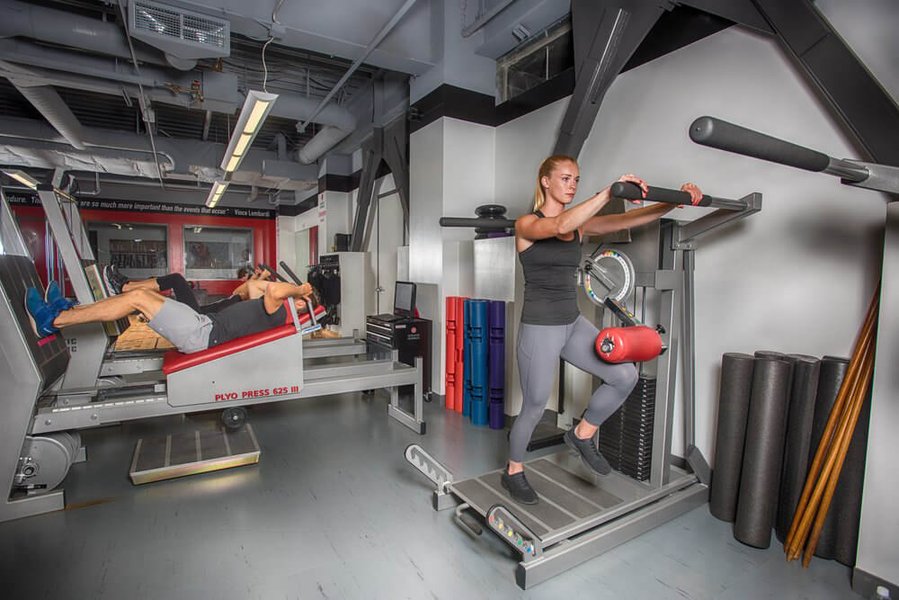
Utilizing appropriate training equipment can enhance your performance and skill development.
Tips for Effective Practice
- Set specific and achievable goals for each practice session.
- Focus on one or two skills per session.
- Use repetition to build muscle memory.
- Incorporate realistic game situations into practice.
- Seek feedback on your performance.
- Stay hydrated and fuel your body properly.
Seeking Guidance and Learning from Others
Learning from others is an invaluable part of the process. Don't hesitate to ask questions from coaches, more experienced players, or even fellow beginners. Joining a team or a local sports group provides opportunities for structured learning, practice partners, and a supportive community.
Observing experienced players can provide insights into technique, strategy, and game awareness. Watch live games, analyze professional athletes, and try to understand their decision-making process. However, remember that watching is not a substitute for doing; you must actively participate to develop your own skills.
Leveraging Social Interaction for Learning
- Join a team or club.
- Find a mentor or coach.
- Practice with partners of varying skill levels.
- Engage in discussions about the sport.
- Attend workshops or clinics.
Staying Motivated and Overcoming Challenges
Learning a new sport can be challenging, and there will be times when you feel discouraged. It's important to stay motivated and develop strategies for overcoming setbacks. Remember why you started and focus on the progress you've made, no matter how small.
Setting realistic goals and tracking your progress can help maintain motivation. Celebrate your achievements and learn from your failures without dwelling on them. Connect with others who are also learning or participating in the sport for support and encouragement. Don't be afraid to step outside your comfort zone and embrace new challenges.
Strategies for Maintaining Motivation
-
Set achievable short-term and long-term goals.
-
Track your progress and celebrate milestones.
-
Connect with a supportive community.
-
Vary your training to keep things interesting.
-
Visualize success and focus on the positive aspects.
-
Learn to manage frustration and setbacks.
Frequently Asked Questions
How long does it take to learn a new sport?
The time it takes to learn a new sport varies greatly depending on the complexity of the sport, your natural aptitude, the amount of time you dedicate to practice, and the quality of instruction you receive. Some basic skills can be learned relatively quickly, while mastering a sport can take years of dedicated effort. The key is consistent practice and a willingness to learn.
Is it too late to start a new sport as an adult?
It is absolutely not too late to start a new sport as an adult! Many adults successfully take up new sports for fitness, fun, and social interaction. The approach may differ slightly from learning as a child, with a greater emphasis on proper warm-ups, cool-downs, and listening to your body to prevent injury. Focusing on enjoyment and personal progress rather than elite competition can make the experience very rewarding.
What is the best way to find a sports group or team for beginners?
Several avenues can help you find beginner-friendly sports groups or teams. Look for local community centers, sports clubs, or recreational leagues. Websites and social media platforms dedicated to sports can also be great resources for finding groups in your area. Don't be afraid to reach out to organizers or existing members to inquire about beginner programs or suitability for newcomers.
How can I prevent injuries when starting a new sport?
Injury prevention is crucial when starting a new sport. Start slowly and gradually increase the intensity and duration of your activities. Learn and use proper technique for all movements. Always warm up before playing and cool down afterward. Listen to your body and rest when needed. Investing in appropriate equipment, such as supportive shoes, is also important. If you have any pre-existing health conditions, consult with a doctor before starting a new sport.
References
Last updated May 5, 2025