
Unlock the Treasures of the Quran: Your Comprehensive Guide to Learning
Embark on a transformative journey of spiritual growth and understanding with accessible pathways to Quranic knowledge.
Learning the Quran is a profound and enriching endeavor for Muslims, encompassing not just reading its sacred verses but also understanding their meanings, mastering their recitation, and, for many, committing them to memory. In today's interconnected world, a wealth of resources, particularly online, has made this spiritual pursuit more accessible than ever before. This guide aims to provide a comprehensive overview of how you can begin or continue your journey with the Quran, drawing upon various effective methods and tools available as of May 07, 2025.
Key Highlights of Your Quranic Learning Journey
- Multifaceted Learning: Successfully learning the Quran involves several key dimensions, including Tajweed (correct pronunciation), Tafseer (exegesis and understanding), and Hifz (memorization), each contributing to a holistic connection with the divine text.
- Unprecedented Accessibility: The digital era offers diverse learning options, from structured online academies with expert tutors to a vast array of free resources and mobile applications, catering to all ages, levels, and learning preferences.
- Personalized and Flexible Study: Modern approaches emphasize learner-centric education, allowing you to study at your own pace, from the comfort of your home, often with one-on-one guidance tailored to your specific needs and goals.
Understanding the Journey of Learning the Quran
Embarking on the path of Quranic learning is a significant commitment. It involves several integral components that work together to foster a deep and meaningful relationship with the holy scripture.
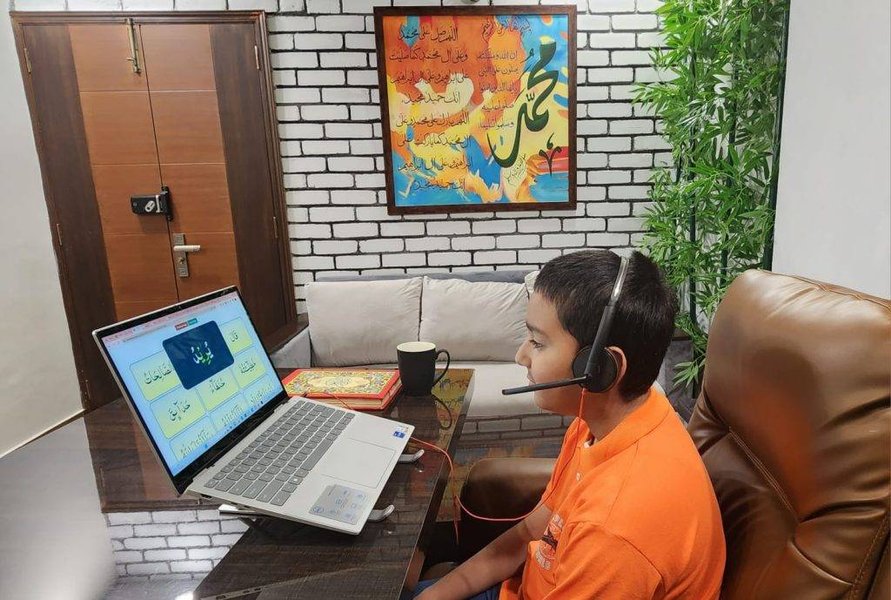
Online platforms offer diverse tools for interactive Quranic education.
The Core Pillars of Quranic Study
Reading and Reciting with Tajweed
Tajweed is the science of perfecting the recitation of the Quran. It encompasses a set of rules governing the correct pronunciation of Arabic letters, their attributes (Sifat), and the various rules that apply when different letters meet. Learning Tajweed ensures that the Quran is recited as it was revealed to Prophet Muhammad (peace be upon him), preserving its melody and meaning. For beginners, this journey often starts with foundational programs like the Noorani Qaida, which teaches the Arabic alphabet and basic pronunciation rules. Mastering Tajweed allows for a clear, beautiful, and accurate recitation.

Tajweed is crucial for accurate and melodious Quranic recitation.
Understanding the Meaning: Translation and Tafseer
While reciting the Quran carries immense blessings, understanding its message is crucial for applying its wisdom in daily life. This involves:
- Translation: Accessing reliable translations in your native language to grasp the literal meaning of the verses. Word-by-word translations can be particularly helpful for beginners.
- Tafseer (Exegesis): Delving into Tafseer provides deeper insights into the verses. Tafseer literature explains the context of revelation (Asbab al-Nuzul), linguistic nuances, related Ahadith (prophetic traditions), and scholarly interpretations, unlocking profound layers of meaning.
Memorization (Hifz)
Hifz, the memorization of the Quran, is a highly esteemed act of devotion. Many Muslims aspire to memorize parts or the entirety of the Quran. This requires dedication, consistency, and often, the guidance of a qualified teacher. Online platforms offer structured Hifz programs, revision schedules, and techniques to aid students in this noble pursuit.
Studying Quranic Arabic
While not always the first step for non-Arabic speakers, learning Quranic Arabic significantly enhances one's ability to connect directly with the Quran's message. Many courses focus on Quranic vocabulary and grammar, making the language of the revelation more accessible.
Visualizing Your Learning Path: Key Components and Resources
The journey of learning the Quran can take many forms, utilizing various methods and resources. This mindmap illustrates the interconnected aspects of Quranic study, from its core pillars to the diverse avenues available for learning.
(Correct Recitation & Pronunciation)"] id1b["Tafseer & Translation
(Understanding Meaning & Context)"] id1c["Hifz
(Memorization of Verses)"] id1d["Quranic Arabic
(Language Comprehension)"] id2["Methods & Approaches"] id2a["Online Quran Academies
(Structured, Tutor-led learning)"] id2a1["One-on-One Personalized Tutoring"] id2a2["Interactive Virtual Classrooms"] id2a3["Progress Tracking & Feedback"] id2b["Self-Study Resources
(Flexible, Independent learning)"] id2b1["Websites & Online Databases (e.g., Quran.com)"] id2b2["Mobile Applications (Interactive Lessons & Practice)"] id2b3["Free Study Materials (Translations, Notes, Planners)"] id2c["Community & Group Learning
(Support, Motivation & Shared Understanding)"] id3["Key Considerations for Success"] id3a["Setting Clear & Achievable Goals"] id3b["Maintaining Consistency & Discipline"] id3c["Choosing Resources Aligned with Learning Style"] id3d["Seeking Guidance from Qualified Teachers"] id3e["Making Dua (Supplication) for Ease & Understanding"]
This mindmap provides a bird's-eye view of the Quranic learning landscape, helping you identify the areas you wish to focus on and the types of resources that might best suit your journey. Whether you prefer structured guidance or flexible self-study, a path exists for you.
Navigating Your Learning Path: Resources and Platforms
A multitude of resources are available to support your Quran learning, from dedicated online academies to free tools and apps.
Prominent Online Quran Academies
Many online academies offer structured courses with qualified male and female tutors, often from countries renowned for Quranic scholarship like Egypt, Saudi Arabia, and Jordan. These platforms typically provide personalized, one-on-one sessions via video conferencing tools like Skype or Zoom.
- TarteeleQuran: Known for its focus on Tajweed, recitation, and memorization for both kids and adults, offering interactive sessions with tutors from various countries and 24/7 availability.
- Qutor: Provides affordable classes covering Noorani Qaida, Tajweed, recitation, and memorization, allowing users to browse teacher profiles and offering features like class recordings.
- Firdaws Academy: Offers one-on-one interactive classes with expert tutors (many from Al-Azhar University) in Quran recitation, Arabic, and Islamic studies, with personalized plans.
- Understand Al Quran Academy: Focuses on helping students understand Quranic vocabulary and concepts, offering courses from beginner Tajweed to deeper comprehension.
- IQRA Network: Delivers personalized study plans for Quran, Tajweed, and Arabic, catering to individual learning speeds with qualified teachers.
- Studio Arabiya: Offers online Quran classes for kids and adults, including options for female tutors and an emphasis on Tajweed, understanding, and memorization.
Most of these academies offer free trial classes, allowing prospective students to experience the teaching style and platform before committing.

Interactive online classes make Quran learning engaging for children.
Valuable Free Resources and Tools
For those seeking self-study options or supplementary materials, numerous free resources are available:
- Websites and Databases:
- Quran.com: A popular portal offering multiple translations, Tafsir, various recitations, and structured learning plans like "How to Explore the Quran."
- StudentsOfQuran.com: Provides free study materials, including word-to-word English translations, Arabic grammar lessons, and study planners.
- QuranDB.net: A database resource offering translations, Tafseer, commentary, and information on the circumstances of revelation (available as a Windows application for offline study).
- Specialized Learning Platforms:
- Bayyinah TV: Offers high-quality courses by renowned scholars focusing on Quranic Arabic and detailed Tafsir studies, suitable for deeper understanding (some content may require subscription).
- Mobile Applications:
- Quran Teacher App (iOS): A free app for learning Quran recitation with lessons on basic Tajweed rules, usable offline once downloaded. Many other Quran apps offer reading, listening, and learning features.
- Community Support:
- Online Forums (e.g., Reddit's r/islam): Communities where learners share resources, advice, and motivation. Threads often discuss free courses and tools.
Comparing Quran Learning Approaches
To help you decide which path might be best for you, the following chart offers a comparative look at different facets of online Quran learning approaches. This radar chart visually represents the relative strengths of Structured Online Academies, Self-Paced Mobile Apps, and Free Web Resources/Self-Study across key dimensions such as Tajweed proficiency, Tafseer depth, Hifz support, interactivity, cost-effectiveness, and tutor expertise. The scores are opinion-based, intended to provide a general comparison rather than absolute measures.
As the chart illustrates, structured online academies typically excel in providing expert guidance and comprehensive support for Tajweed and Hifz, with high interactivity. Mobile apps offer good cost-effectiveness and flexibility, while free web resources are unbeatable in terms of cost but may require more self-discipline and lack direct tutor interaction.
The Advantages of Online Quran Education
Learning the Quran online offers several compelling benefits:
- Flexibility and Convenience: Study from anywhere, at any time that fits your schedule. This is particularly beneficial for those with busy lives or limited access to local teachers.
- Personalized Learning: One-on-one sessions allow tutors to tailor lessons to your individual pace, learning style, and specific goals.
- Access to Expert Tutors: Connect with qualified and experienced Quran teachers from around the world, including native Arabic speakers and scholars from esteemed institutions.
- Interactive Technology: Modern platforms utilize video conferencing, digital whiteboards, screen sharing, and recording features to create an engaging and effective learning environment.
- Cost-Effectiveness: Online classes can often be more affordable than in-person tutoring, and many platforms offer free trials or access to a wealth of free supplementary materials.
- Comfort and Safety: Learn from the comfort and privacy of your own home, which can be especially reassuring for children and female students who may prefer female tutors.
Getting Started with Quranic Arabic and Understanding
For many, a deeper connection with the Quran comes from understanding its original language. The following video provides insights into approaches for understanding the Quran, which can complement your recitation and memorization efforts.
This video, "Full Course | Understand Quran and Salaah Easy Way," offers a structured approach to learning Quranic Arabic and understanding Salah, aiming to make the language of the Quran more accessible through short, manageable lessons. It emphasizes direct understanding and can be a valuable resource for those looking to deepen their comprehension alongside recitation.
Tips for a Successful Learning Experience
Regardless of the method you choose, certain practices can enhance your Quran learning journey:
- Set Clear Intentions and Goals: Know why you are learning and what you aim to achieve (e.g., improve recitation, understand specific Surahs, memorize a certain portion).
- Be Consistent: Allocate regular time for your Quran studies, even if it's just for a short period each day. Consistency is key to progress.
- Start with the Basics: If you are new to Arabic or Tajweed, begin with foundational courses like Noorani Qaida before moving to more advanced topics.
- Seek Qualified Guidance: Especially for Tajweed and Hifz, learning from a qualified teacher can prevent mistakes and accelerate progress.
- Utilize Multiple Resources: Combine different tools – perhaps an online tutor for Tajweed, an app for vocabulary, and a website for Tafseer.
- Practice Regularly: Recite what you learn frequently, and try to apply the meanings in your daily life.
- Use Planners and Trackers: Many free printable planners are available online to help you track your progress in reading, memorization, and understanding.
- Join a Study Circle or Community: Learning with others can provide motivation, support, and opportunities for discussion.
- Be Patient and Persistent: Learning the Quran is a journey, not a race. Embrace the process and celebrate your progress.
Comparative Overview of Quran Learning Methods
The table below offers a summary comparison of different approaches to learning the Quran, highlighting key features to help you choose the best fit for your needs.
| Feature | Online Academies (Tutor-led) | Mobile Apps (Self-Paced) | Free Websites & Self-Study |
|---|---|---|---|
| Cost | Moderate to High (Subscription/Per-class fees) | Free to Moderate (Optional premium features) | Generally Free |
| Personalization | High (Tailored to individual student) | Moderate (Adaptive learning, choice of modules) | Low (General resources, self-directed) |
| Live Tutor Interaction | High (Direct, real-time feedback) | None to Limited (AI feedback or community forums) | None |
| Structured Curriculum | High (Often well-defined learning paths) | Moderate to High (Structured lessons and levels) | Variable (Depends on resource, often self-structured) |
| Tajweed Focus | Very High (Detailed instruction and correction) | Moderate to High (Interactive exercises, pronunciation guides) | Variable (Depends on resource quality) |
| Tafseer/Understanding Depth | Moderate to High (Can be integrated into lessons) | Low to Moderate (Often translations, basic explanations) | Variable (Wide range from basic to in-depth Tafseer) |
| Flexibility | High (Scheduled but often adaptable) | Very High (Learn anytime, anywhere) | Very High (Complete autonomy) |
| Suitability for Beginners | Excellent (Direct guidance helps build strong foundation) | Good (Interactive features can be engaging) | Good (Requires discipline and careful resource selection) |
| Hifz (Memorization) Support | High (Structured plans, regular revision, tutor checks) | Moderate (Tracking tools, repetition features) | Low to Moderate (Relies on self-discipline and tools) |
Choosing the right method depends on your learning style, goals, budget, and time availability. Many learners find a combination of approaches to be most effective.
Frequently Asked Questions (FAQ)
What is Tajweed and why is it important?
Tajweed refers to the set of rules governing the proper pronunciation of the Quranic Arabic letters and words. It ensures that the Quran is recited with precision, clarity, and beauty, just as it was revealed to Prophet Muhammad (peace be upon him) and recited by him. Learning Tajweed is important because incorrect pronunciation can alter the meaning of the words, and reciting the Quran correctly is a way of showing respect and reverence for the holy text. It enhances the spiritual experience of recitation for both the reciter and the listener.
What is Tafseer and how does it help in understanding the Quran?
Tafseer is the scholarly exegesis or interpretation of the Quran. It goes beyond literal translation to explain the meanings of Quranic verses, their historical context (Asbab al-Nuzul or reasons for revelation), linguistic nuances, related prophetic traditions (Ahadith), and practical lessons. Studying Tafseer helps in gaining a deeper, more comprehensive understanding of the Quran's message, its wisdom, and its guidance for humanity. It clarifies ambiguities and provides context, enabling a more informed application of Quranic teachings in one's life.
Are there free resources available for learning the Quran online?
Yes, there is a wealth of free resources available for learning the Quran online. Websites like Quran.com offer full Quran text with multiple translations, recitations, and basic learning plans. Platforms like StudentsOfQuran.com provide free word-to-word translations, grammar notes, and study materials. Many mobile apps offer free tiers for reading, listening, and learning basic Tajweed. YouTube channels host numerous free lessons on various aspects of Quranic studies. While free resources are excellent for self-study, structured guidance from a teacher might be beneficial for mastering Tajweed or for in-depth Tafseer.
What is Hifz (memorization) and how can I start?
Hifz is the Arabic term for the memorization of the Quran. It is considered a highly virtuous act in Islam. To start Hifz, it's recommended to:
- Correct your recitation (Tajweed) of the verses you intend to memorize.
- Start with shorter Surahs (chapters) from the end of the Quran (Juz Amma).
- Set realistic daily or weekly memorization goals.
- Use a consistent Mushaf (Quran copy).
- Revise regularly: new memorization should be coupled with revising previously memorized portions.
- Recite to a qualified teacher who can listen to your memorization and correct any mistakes. Many online Hifz programs offer this guidance.
What are the benefits of learning Quran with a live tutor online?
Learning with a live tutor online offers several advantages:
- Personalized Attention: Tutors can identify your specific strengths and weaknesses and tailor lessons accordingly.
- Immediate Feedback: Crucial for correcting Tajweed mistakes instantly and ensuring proper pronunciation from the start.
- Motivation and Accountability: Regular sessions with a tutor can help maintain motivation and provide a structured learning schedule.
- Interactive Learning: Live interaction, asking questions, and discussions can make learning more engaging and effective than passive self-study.
- Expert Guidance: Access to qualified teachers, including those with Ijazah (certification to teach Quran), ensures authentic and high-quality instruction.
- Customized Pace: You can learn at a speed that is comfortable for you, ensuring thorough understanding before moving on.
Recommended Further Exploration
- What are the best techniques for Quran memorization for adults?
- How can I effectively learn Quranic Arabic as a beginner?
- Compare the top online Quran academies for children's Tajweed classes.
- What are some reliable Tafseer resources in English for in-depth Quran study?
References

 theniqabicodermum.wordpress.com
Last updated May 7, 2025