
Unlock Your Voice: The Definitive Path to Learning How to Sing
Master essential techniques and consistent practice to transform your singing ability, starting today.
Highlights: Your Singing Journey Essentials
- Master the Fundamentals: Proper posture, diaphragmatic breathing, and understanding your vocal range are the non-negotiable cornerstones of effective singing.
- Consistent, Mindful Practice: Daily vocal warm-ups and targeted exercises are crucial for building strength, control, and pitch accuracy. Focus on technique over just singing songs initially.
- Vocal Health is Paramount: Protect your instrument by staying hydrated, avoiding vocal strain (like yelling or whispering), resting your voice, and maintaining healthy lifestyle habits.
Many believe singing talent is purely innate, but the reality is that singing is a skill anyone can develop with dedication and the right approach. Whether you dream of hitting high notes effortlessly or simply want to sing your favorite songs in tune, learning involves mastering foundational techniques, committing to regular practice, and understanding how to care for your voice. This guide synthesizes expert advice to provide a comprehensive path for beginners eager to unlock their vocal potential.
Building the Foundation: Your Vocal Launchpad
Before you can soar vocally, you need a solid launchpad. These fundamental elements are critical for supporting your voice and preventing injury.
Posture Perfection
Good posture isn't just about looking confident; it's essential for optimal breath support and resonance. Stand tall with your feet shoulder-width apart, spine aligned, shoulders relaxed (not slumped or raised), and chest slightly lifted. Avoid locking your knees. This open, aligned stance allows your diaphragm and lungs to function without restriction, providing the necessary airflow for powerful and controlled singing.
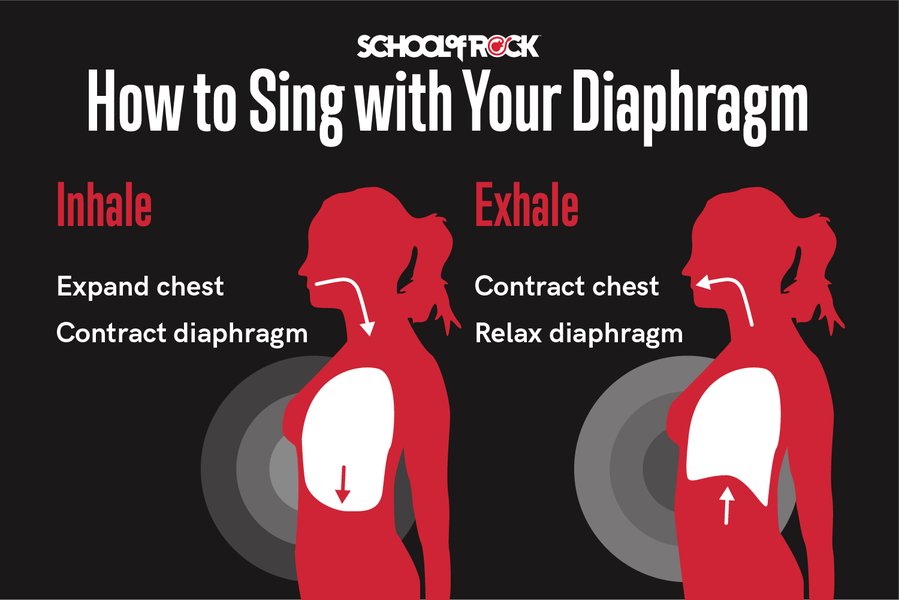
Illustration showing correct posture and the mechanics of diaphragmatic breathing.
Mastering Breath Control
Breath is the fuel for your voice. Learning to breathe deeply from your diaphragm, rather than taking shallow breaths from your chest, is perhaps the single most important singing technique. Place a hand on your belly; as you inhale slowly through your nose or mouth, feel your belly expand outwards. Your chest and shoulders should remain relatively still. Exhale slowly and steadily, controlling the release of air. This diaphragmatic breathing provides consistent air pressure, allowing you to sustain notes longer, control pitch more accurately, and sing with greater power without straining your throat.
Key Breathing Exercise:
- Inhale deeply through your nose for 4 counts, feeling your abdomen expand.
- Hold the breath gently for 4 counts.
- Exhale slowly and evenly through your mouth on a hissing "sss" sound for 8 counts or more, engaging your abdominal muscles gently to control the airflow.
- Repeat this cycle for several minutes daily.
Understanding Your Voice
Every voice is unique. Getting acquainted with yours is an important early step.
Finding Your Vocal Range:
Your vocal range is the span of notes you can comfortably sing, from the lowest to the highest. Use a piano, keyboard app, or online tool to find the lowest note you can sing comfortably and the highest note you can reach without straining. Knowing your range helps you choose appropriate songs and exercises.
Exploring Vocal Registers:
Most singers utilize different vocal registers:
- Chest Voice: Your lower, speaking-range notes. You'll feel vibrations primarily in your chest.
- Head Voice: Your higher notes, often lighter and brighter. Vibrations are felt more in the head/facial area (the "mask").
- Mixed Voice: A blend of chest and head voice qualities, crucial for smoothly transitioning between low and high notes without breaks or strain. Developing a strong mixed voice is a key goal for many singers.
Experiment gently with singing scales or simple melodies, paying attention to where you feel the sound resonating for different pitches.
Essential Vocal Techniques: Honing Your Skills
With a solid foundation, you can start refining your technique through targeted exercises.
The Importance of Warm-ups
Just like athletes warm up their muscles, singers must warm up their vocal cords before practice or performance. Warm-ups gently prepare your voice, increase blood flow, improve flexibility, and reduce the risk of strain or injury. Never skip your warm-ups!

Visual representation of various vocal warm-up techniques.
Common Warm-up Exercises (10-15 minutes):
- Lip Trills (Lip Bubbles): Gently blow air through closed, relaxed lips, creating a buzzing or trilling sound ("brrrr"). Glide up and down your range on this sound. This relaxes the lips and facial muscles while engaging breath support.
- Humming: Hum gently on a comfortable pitch (e.g., on an "mmm" sound), feeling vibrations in your lips and face. Sing simple scales or sirens (sliding up and down) while humming.
- Scales on Vowels: Sing simple five-note scales (Do-Re-Mi-Fa-Sol-Fa-Mi-Re-Do) on open vowel sounds like "Ah," "Ee," "Oh," "Oo." Focus on smooth transitions between notes.
- Yawn-Sigh: Inhale deeply as if starting a yawn, then exhale on a gentle, relaxed sigh. This helps relax the throat and larynx.
- Tongue Trills: Roll your 'R's while singing scales, similar to lip trills. This helps relax tongue tension.
Pitch Perfect Practice
Singing "on pitch" or "in tune" means accurately hitting the intended musical notes. This is a fundamental skill.
Improving Pitch Accuracy:
- Pitch Matching: Use a piano, keyboard, or pitch app (like Vocal Pitch Monitor) to play a note. Listen carefully, then sing the note back, trying to match it exactly. Start with notes in your comfortable mid-range.
- Singing Scales Slowly: Practice major and minor scales slowly, focusing intently on hitting the center of each note. Record yourself to check your accuracy.
- Ear Training: Regularly listen to music, paying close attention to melodies and intervals. Apps and websites dedicated to ear training can also be beneficial.
Developing Resonance and Tone
Resonance refers to how the sound produced by your vocal cords vibrates and amplifies within the cavities of your throat, mouth, and nasal passages. Good resonance results in a fuller, richer tone.
Enhancing Tone Quality:
- Explore Placement: Experiment with feeling the vibrations in different areas (chest, mask/face, head) as you sing different pitches and vowels. Exercises focusing on forward placement (feeling buzziness around the lips and nose) can help create a brighter, more projecting sound.
- Vowel Modification: Slightly modifying vowel sounds, especially on higher notes, can improve tone and make singing feel easier. A coach can provide specific guidance here.
- Exercises for Resonance: Exercises using sounds like "Ng" (as in "sing"), "Gee", or "Mum" can help develop balanced resonance. Singing scales on these sounds encourages vibration in the facial area.
Articulation and Diction
Clear articulation ensures your audience understands the lyrics. Good diction involves pronouncing consonants crisply without creating tension.
Improving Clarity:
- Tongue Twisters: Practice tongue twisters slowly at first, focusing on precise consonant sounds, then gradually increase speed.
- Exaggerated Chewing: Gently mimic chewing motions to loosen jaw muscles.
- Practice Consonants: Sing scales or simple phrases focusing on clear consonants (e.g., "Da-Da-Da," "Bee-Bee-Bee").
- Pencil Trick (Use with caution): Some suggest gently holding a pencil between the teeth while speaking or singing lyrics slowly to encourage better tongue and lip movement (ensure it doesn't create jaw tension).
Structuring Your Practice Routine
Technique is important, but consistent practice is what truly builds skill and muscle memory.
Consistency is King
Aim for daily practice sessions, even if they're short. 15-30 minutes of focused practice each day is far more effective than one long session per week. Establish a regular time and place for practice to build the habit.
Mindful Practice Sessions
Don't just sing songs aimlessly. Structure your practice:
- Warm-up (10-15 min): Prepare your voice using exercises like lip trills, humming, and scales.
- Technique Work (10-20 min): Focus on specific areas like breath control, pitch accuracy, resonance, or range expansion using targeted exercises.
- Song Work (10-20 min): Apply the techniques you're learning to actual songs within your comfortable range.
- Cool-down (Optional, 5 min): Gentle humming or sighs can help relax the voice after practice.
Be mindful during practice. Are you maintaining good posture? Is your breathing diaphragmatic? Are you feeling tension anywhere? Record yourself periodically to listen back objectively.
Learning Songs Effectively
When learning a new song:
- Listen Actively: Familiarize yourself thoroughly with the melody, rhythm, and lyrics.
- Break It Down: Tackle the song phrase by phrase or section by section, rather than trying to sing the whole thing perfectly from the start.
- Speak the Lyrics: Recite the lyrics rhythmically to internalize the phrasing and diction.
- Focus on Melody First: Try singing the melody on a neutral syllable like "la" or "doo," or even just one word repeated, to master the pitches and rhythm before adding lyrics.
- Integrate Technique: Consciously apply proper breathing, posture, and resonance while singing the song.
- Memorization Tactics: Some find handwriting lyrics (tactile method) helpful, while others rely on repeated listening and singing back (auditory method).
Mapping Your Vocal Journey
Learning to sing involves interconnected elements. This mindmap illustrates the key areas you'll focus on as you develop your voice, showing how foundational aspects support technique, practice solidifies skills, and vocal health underpins everything.
(Range, Registers)"] id1c1["Chest Voice"] id1c2["Head Voice"] id1c3["Mixed Voice"] id2["Vocal Techniques"] id2a["Warm-ups"] id2a1["Lip Trills"] id2a2["Humming"] id2a3["Scales"] id2a4["Yawn-Sigh"] id2b["Pitch Accuracy"] id2b1["Matching Notes"] id2b2["Scales & Arpeggios"] id2b3["Ear Training"] id2c["Resonance & Tone"] id2d["Articulation & Diction"] id3["Practice Strategy"] id3a["Consistency (Daily)"] id3b["Structured Sessions
(Warm-up, Technique, Song)"] id3c["Mindful Focus"] id3d["Song Learning Methods"] id4["Vocal Health"] id4a["Hydration"] id4b["Avoiding Strain
(Yelling, Whispering)"] id4c["Voice Rest"] id4d["Healthy Lifestyle
(No Smoking, Diet)"] id5["Feedback & Resources"] id5a["Self-Recording"] id5b["Vocal Coach"] id5c["Apps & Online Courses"] id5d["YouTube Tutorials"]
Vocal Health: Protecting Your Instrument
Your vocal cords are delicate tissues. Treating them with care is essential for long-term singing health and improvement.
Hydration Habits
Water is crucial for keeping your vocal folds lubricated and functioning optimally. Drink plenty of room-temperature water throughout the day, not just when you feel thirsty. Avoid excessive caffeine and alcohol, as they can have a dehydrating effect.
Avoiding Vocal Strain
Listen to your body. If your throat feels tired, scratchy, or sore, stop singing and rest your voice.
- Avoid Yelling and Screaming: These actions put immense stress on your vocal cords.
- Don't Whisper Excessively: While it seems gentle, whispering can actually be quite strenuous and drying for the vocal folds. Speak softly instead if needed.
- Don't Push Your Range Too Soon: Avoid straining for notes that are currently out of reach. Gradually expand your range through exercises.
- Rest When Sick: Don't sing if you have a cold, sore throat, or laryngitis. Let your voice recover fully. Avoid menthol cough drops, as they can be irritating.
Lifestyle Factors
Your overall health impacts your voice.
- Avoid Smoking: Smoking (including vaping) severely damages lung capacity and irritates vocal cords, hindering vocal quality and stamina.
- Get Enough Sleep: Fatigue affects vocal control and endurance.
- Manage Allergies/Reflux: These conditions can negatively impact vocal health; seek treatment if necessary.
- Healthy Diet: Good nutrition supports overall physical health, including your vocal mechanism.
Focus Areas: Beginner vs. Intermediate Development
As you progress, the emphasis of your practice will shift. This chart visualizes the relative importance of different vocal aspects at beginner and intermediate stages. While all areas remain important, beginners typically focus heavily on mastering the absolute fundamentals, while intermediate singers start balancing those with developing more nuanced control, range, and expressive qualities.
This chart illustrates a typical progression. Beginners prioritize foundational elements like breath, pitch, and posture (scoring high 8s and 9s). Intermediate singers continue refining these while increasingly focusing on expanding range, improving tone quality, blending registers, and adding expressiveness (scores become more balanced around 7s and 8s).
Seeking Guidance and Feedback
While self-teaching is possible with dedication and good resources, feedback is invaluable for identifying bad habits and accelerating progress.
The Value of Self-Assessment
Regularly record yourself singing – both exercises and songs. Listen back critically (but kindly!). Are you on pitch? Is your breathing audible or strained? Does your tone sound clear or tight? Comparing your recordings over time is a great way to track progress and identify areas needing work. Using a mirror during practice can also help you spot physical tension in your jaw, neck, or shoulders.
Working with a Vocal Coach
A qualified vocal coach offers personalized guidance tailored to your specific voice and goals. They can:
- Assess your voice accurately.
- Correct technique issues you might not notice yourself.
- Provide targeted exercises for your needs (e.g., range extension, register blending).
- Help you navigate challenging passages in songs.
- Offer encouragement and structured learning plans.
Even a few lessons can provide significant insights and set you on the right track.
Leveraging Resources
Numerous resources can supplement your learning:
- YouTube Channels: Many professional coaches offer free tutorials and exercises (e.g., channels mentioned in sources like Ramsey Voice Studio, 30 Day Singer).
- Singing Apps: Apps can help with pitch training, ear training, and provide vocal exercises.
- Online Courses: Structured online programs (like 30 Day Singer) offer comprehensive lessons for self-paced learning.
- Books and Articles: Reputable websites and books provide in-depth information on vocal technique and health.
Practical Exercises Overview
Here's a table summarizing some key exercises mentioned, their purpose, and tips for beginners:
| Exercise | Purpose | Beginner Tip |
|---|---|---|
| Diaphragmatic Breathing | Develop breath support & control | Focus on belly expansion, keep chest still. Practice daily. |
| Lip Trills / Bubbles | Warm-up, relax lips/face, engage breath support | Keep lips loose, maintain steady airflow. Glide smoothly through range. |
| Humming | Warm-up, develop forward resonance | Feel vibrations on lips/nose ("mask"). Keep sound gentle. |
| 5-Note Scales (on Vowels) | Improve pitch accuracy, smooth transitions | Start slowly in comfortable range. Focus on clear, open vowels ("Ah", "Ee", "Oo"). |
| Pitch Matching | Develop ear-to-voice connection, accuracy | Use a reliable pitch source (piano/app). Listen carefully before singing back. |
| 'Ng' Sound Scales | Develop mixed voice, prevent strain on high notes | Keep sound nasal (like "sing"), feel vibration in mask. Don't force high notes. |
| Yawn-Sigh | Relax throat and larynx | Allow a natural, easy sigh on the exhale. |
Visual Learning: Your First Vocal Lesson
Sometimes, seeing and hearing instruction makes all the difference. This video provides a great starting point for beginners, covering some fundamental concepts visually. It introduces basic posture, breathing, and initial sounds in an accessible way, complementing the techniques discussed above.
Frequently Asked Questions (FAQ)
Can absolutely anyone learn to sing?
Yes, virtually everyone can learn to sing better! While some people may have a natural aptitude or a more pleasing initial tone, singing is fundamentally a physical skill based on muscle coordination (breath support, vocal cord control) and auditory perception (pitch matching). With proper technique, consistent practice, and patience, significant improvement is possible for almost anyone, regardless of their starting point. True "tone deafness" (amusia) is rare.
How long does it take to learn to sing well?
Progress varies greatly depending on individual factors (starting ability, consistency of practice, quality of instruction, goals). With consistent daily practice (e.g., 30 minutes), beginners can often notice improvements in pitch, breath control, and tone within a few weeks to a few months. Achieving a proficient level typically takes months or years of dedicated effort. Focus on steady progress rather than a fixed timeline.
Do I absolutely need a vocal coach?
While not strictly mandatory, working with a qualified vocal coach is highly recommended, especially for beginners. A coach provides personalized feedback, corrects bad habits early, ensures you're practicing safely and effectively, and tailors exercises to your voice. Self-teaching is possible using online resources, but progress is often faster and safer with expert guidance.
How do I find my vocal range accurately?
You can find your approximate range using a piano, keyboard app, or online vocal range finder tool. Start in your comfortable mid-range and sing down the scale note by note until you reach the lowest note you can produce clearly without croaking. Then, start again from the middle and sing up the scale until you reach the highest note you can sing without straining, cracking, or feeling discomfort. Note these lowest and highest comfortable pitches. Remember that your range can expand over time with proper training.
Is it bad to imitate other singers?
Listening to and learning from accomplished singers is beneficial. However, trying to sound *exactly* like someone else can lead to vocal strain if their voice type or technique is very different from yours. It's better to learn techniques and musicality from others while developing your own unique vocal quality based on healthy production.
Recommended Further Exploration
- What are specific exercises to expand vocal range safely?
- How can I develop a strong mixed voice for seamless singing?
- What are the best apps and online resources for learning to sing at home?
- Are there effective tips for overcoming stage fright when singing?
References
Last updated May 4, 2025