
Best Ways to Learn to Sing
A Comprehensive Guide to Developing Your Vocal Skills
Key Takeaways
- Consistent Practice: Regular and focused practice is essential for vocal improvement.
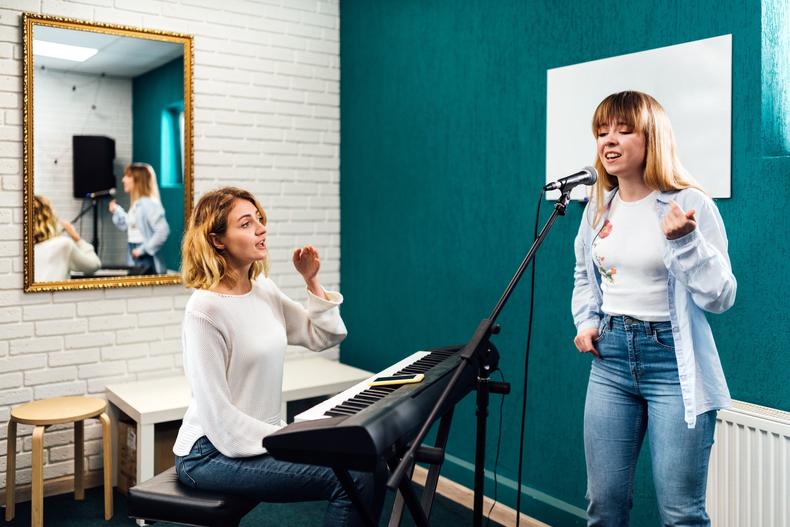
- Professional Guidance: Working with a vocal coach provides personalized feedback and technique refinement.
- Healthy Vocal Habits: Maintaining vocal health through proper hydration, rest, and avoiding strain is crucial.
Fundamentals of Singing
Posture and Alignment
Maintaining proper posture is the foundation of effective singing. Stand tall with feet shoulder-width apart, ensuring that your spine is straight and relaxed. Good posture facilitates optimal breath control and allows your vocal cords to function without unnecessary strain.
Breathing Techniques
Diaphragmatic Breathing
Diaphragmatic breathing involves engaging the diaphragm to take deep breaths, expanding the belly as you inhale and contracting it as you exhale. This technique provides better breath control, allowing you to sustain notes longer and sing more powerfully.
Breath Control Exercises
Incorporate exercises such as sustained s-captions and controlled exhalation to enhance your breath control. Practicing these exercises regularly can significantly improve your ability to manage your breath while singing.
Vocal Warm-ups
Starting each practice session with vocal warm-ups is essential to prepare your vocal cords for singing. Common warm-up exercises include lip trills, humming scales, and vocal sirens. These exercises help in gradually increasing your vocal range and flexibility.
Professional Guidance
Hiring a Vocal Coach
Working with a professional vocal coach provides personalized instruction tailored to your unique vocal needs. A coach can assess your current skill level, identify areas for improvement, and offer targeted exercises to enhance your technique. Regular lessons ensure that you receive consistent feedback and guidance.
Joining a Choir or Singing Group
Participating in a choir or singing group offers practical experience in singing harmoniously with others. It helps in developing your ability to blend your voice, follow musical arrangements, and perform confidently in a group setting. Additionally, it fosters a supportive community that can motivate and inspire your singing journey.
Consistent Practice
Establishing a Practice Schedule
Consistency is key to vocal improvement. Set aside dedicated time each day for vocal practice, even if it's just 30 minutes. Structured practice sessions that include warm-ups, technique exercises, and song practice help in systematically developing your singing skills.
Recording and Self-Assessment
Recording your singing sessions allows you to objectively evaluate your performance. Listen to your recordings to identify strengths and areas needing improvement. This self-assessment helps in tracking progress over time and making informed adjustments to your practice routine.
Using Technology for Feedback
Utilize singing apps and pitch-matching tools to receive instant feedback on your pitch accuracy and tone. These technological aids can complement your practice by providing measurable metrics to guide your improvement.
Developing Vocal Techniques
Breath Control
Effective breath control is essential for sustaining notes and delivering powerful performances. Practice exercises that strengthen your diaphragm and improve your ability to manage breath flow during singing.
Understanding Vocal Registers
Learn to navigate different vocal registers—chest voice, head voice, and mixed voice. Mastery of these registers allows for a wider vocal range and greater versatility in your singing.
Projection and Volume
Developing the ability to project your voice without straining is crucial. Practice singing at varying volumes, using your diaphragm to control the airflow and maintain a clear, strong sound.
Vocal Placement
Vocal placement refers to where the sound resonates in your body. Techniques like forward placement can enhance clarity and brightness in your voice, making your singing more vibrant and engaging.
Expanding Your Skills
Exploring Different Musical Styles
Experimenting with various musical genres broadens your vocal versatility. Each style has unique techniques and expressions that can enhance different aspects of your singing, from control to emotional delivery.
Healthy Vocal Habits
Maintaining vocal health is paramount. Stay hydrated by drinking plenty of water, ensure adequate rest for your voice, and avoid habits that can cause vocal strain, such as excessive shouting or singing beyond your range.
Diet and Lifestyle
A balanced diet and healthy lifestyle contribute to overall vocal health. Avoid smoking, limit alcohol consumption, and engage in activities that reduce stress, as stress can negatively impact your vocal performance.
Dealing with Vocal Fatigue
Vocal fatigue can hinder your singing progress. Incorporate regular breaks during practice sessions, use proper techniques to avoid strain, and consult a professional if you experience persistent vocal issues.
Vocal Exercises and Practices
| Exercise | Purpose | How to Perform |
|---|---|---|
| Lip Trills | Warm up the vocal cords and improve breath control. | Relax your lips and blow air through them to create a brrr sound while singing scales. |
| Vocal Sirens | Extend vocal range and smooth transitions between registers. | Start from a low pitch and glide smoothly to a high pitch, then back down. |
| Humming | Enhance resonance and focus on breath support. | Hum a song or scale, focusing on vibrations in the facial mask. |
| Scales | Improve pitch accuracy and vocal agility. | Sing major and minor scales using different vowels and maintaining consistent tone. |
| Staccato Exercises | Increase vocal flexibility and articulation. | Sing short, detached notes on a single pitch or scale. |
Utilizing Online Resources
Online Singing Lessons and Courses
There is a plethora of online singing lessons and courses available that cater to all skill levels. These platforms offer structured learning paths, video tutorials, and interactive exercises that can complement your in-person training or serve as an alternative if personal lessons are not feasible.
YouTube Tutorials
Platforms like YouTube host numerous tutorials that cover a wide range of singing techniques and styles. These free resources are valuable for supplementary learning and can provide visual and auditory examples of proper techniques.
Singing Apps
Singing apps offer interactive tools for practice, including pitch analysis, vocal exercises, and progress tracking. These apps can be integrated into your daily routine to provide additional practice outside of dedicated sessions.
Online Communities and Forums
Joining online communities and forums allows you to connect with fellow singers, share experiences, seek advice, and receive constructive feedback. These platforms create a supportive environment conducive to continuous learning and improvement.
Performance and Confidence Building
Public Performances
Participating in public performances, whether through open mics, concerts, or community events, builds confidence and performance skills. It also provides valuable experience in managing stage presence and engaging with an audience.
Mental Preparation
Managing performance anxiety is crucial for delivering a strong vocal performance. Techniques such as deep breathing, visualization, and positive affirmations can help reduce nervousness and enhance focus during performances.
Feedback and Improvement
Actively seeking feedback from audiences, coaches, and peers allows you to identify strengths and areas for improvement. Constructive criticism is instrumental in refining your technique and enhancing your overall performance.
Healthy Lifestyle for Vocal Health
Hydration
Staying well-hydrated ensures that your vocal cords remain lubricated, reducing the risk of strain and improving vocal quality. Aim to drink ample water throughout the day, especially before and after singing sessions.
Rest and Recovery
Allowing adequate rest for your voice is essential for recovery and preventing vocal fatigue. Incorporate periods of vocal rest into your routine, particularly after intensive singing sessions or performances.
Avoiding Harmful Substances
Substances like tobacco and excessive alcohol can negatively impact vocal health by causing dehydration and irritation of the vocal cords. Avoiding these substances helps maintain optimal vocal performance.
Balanced Diet
A balanced diet rich in vitamins and minerals supports overall health, including vocal health. Foods that are soothing for the throat, such as herbal teas and honey, can be particularly beneficial.
Monitoring Progress and Setting Goals
Setting Achievable Goals
Establishing clear and attainable goals provides direction and motivation for your singing journey. Whether it's mastering a specific song, expanding your vocal range, or performing confidently, goals help track progress and maintain focus.
Tracking Progress
Keep a practice journal to document your daily exercises, vocal range improvements, and performance experiences. Monitoring your progress helps in recognizing achievements and identifying areas that require more attention.
Adjusting Practice Strategies
Based on your progress and feedback, adjust your practice strategies to address weaknesses and build on strengths. Flexibility in your approach ensures continuous improvement and adaptation to evolving vocal needs.
Conclusion
Learning to sing is a multifaceted journey that combines consistent practice, professional guidance, and healthy vocal habits. By focusing on fundamental techniques, seeking personalized instruction, and maintaining vocal health, you can significantly enhance your singing abilities. Additionally, leveraging online resources, engaging in public performances, and setting clear goals contribute to a well-rounded and effective learning experience. Embrace the process with patience and dedication, and enjoy the transformative journey of developing your unique vocal prowess.
References
Last updated February 5, 2025