
Unlock the World of Dutch: Can Your AI Assistant Converse, and How Can YOU Master This Charming Language?
Discover if I can "speak" Dutch and explore a comprehensive guide to learning the language spoken by millions.
You asked if I can speak Dutch. As an AI assistant, I don't "speak" in the same way a human does with vocal cords and a physical presence. However, I can process, understand, and generate text in Dutch. My capabilities are based on the vast amounts of data I was trained on, with my knowledge current up to May 14, 2025. So, while I can't have a spoken conversation with you, I can certainly communicate with you in written Dutch, translate texts, and assist you with learning the language.
But perhaps more importantly, this query opens up a fascinating topic: how you can learn to speak Dutch! It's a journey many find rewarding, and I can guide you through the resources and strategies to make it successful.
Highlights: Your Fast Track to Dutch Fluency
- Dutch is Accessible: As a West Germanic language, Dutch shares many similarities with English and German, making it relatively easier for English speakers to learn.
- Abundant Resources: A wide array of learning tools, from free apps and websites to structured online courses and immersive experiences, are readily available.
- Practice is Key: Consistent practice, especially speaking with native speakers and engaging with Dutch media, is crucial for developing fluency and confidence.
Embarking on Your Dutch Language Adventure
Understanding the Dutch Language
Dutch (Nederlands) is a West Germanic language spoken by approximately 23-28 million people worldwide. It's the official language of the Netherlands and one of the official languages of Belgium (in the region of Flanders). You'll also hear it in Suriname and parts of the Caribbean (Aruba, Curaçao, Sint Maarten). Its linguistic roots trace back to the fifth century, and it shares a significant lexical and grammatical core with both English and German, though it has also been influenced by Romance languages like French.
Learning Dutch can open doors to rich cultural experiences, academic opportunities, and career advancements in several European countries and beyond. The Netherlands, for example, boasts a high quality of life, a strong economy, and a welcoming environment for internationals.
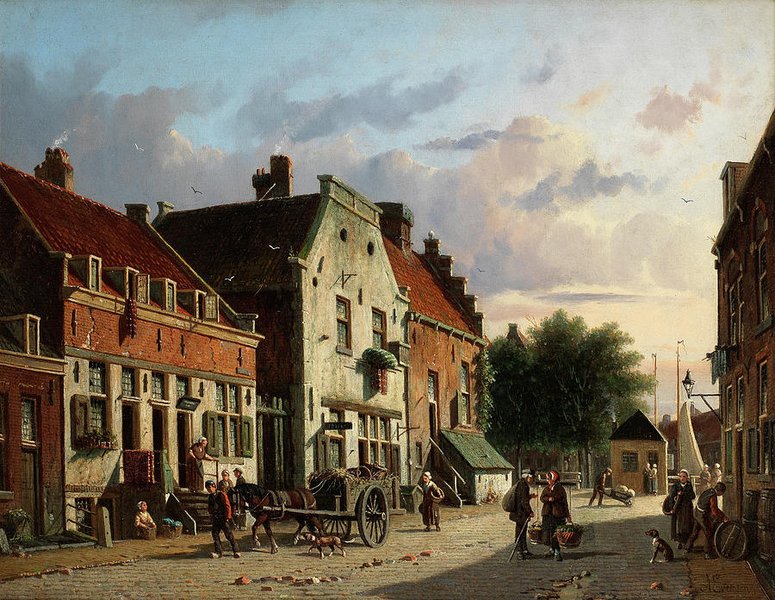
A vibrant depiction of a Dutch town, showcasing its unique atmosphere. Learning the language can deepen your appreciation for such scenes.
Crafting Your Learning Strategy: A Multifaceted Approach
The most effective way to learn Dutch, like any language, involves a combination of methods tailored to your learning style, goals, and available time. Below is a comprehensive overview of key areas and resources to consider.
Building a Strong Vocabulary Foundation
A robust vocabulary is the bedrock of language proficiency. Several tools utilize scientifically-backed methods like spaced repetition to help you memorize words efficiently:
- Language Learning Apps:
- Duolingo: Offers gamified, bite-sized lessons perfect for beginners to learn basic phrases, vocabulary, and grammar. It includes speaking exercises where you can compare your pronunciation.
- Memrise: Uses spaced repetition and user-generated content, often with audio and video clips from native speakers, to help embed vocabulary in your long-term memory.
- Drops: Focuses on visual learning through engaging games and illustrations, teaching vocabulary in thematic blocks (e.g., food, travel, nature).
- Online Vocabulary Lists: Websites like Mylanguages.com and Language Guide offer themed vocabulary lists, often with audio, to build your lexicon systematically.
Mastering Dutch Grammar
While Dutch grammar shares similarities with English, there are unique aspects to master, such as word order (especially in subclauses), verb conjugations, and the use of "de" and "het" articles. Resources include:
- Dedicated Grammar Websites: Sites like DutchGrammar.com offer detailed explanations and exercises on various grammatical concepts.
- Online Courses: Many comprehensive courses (mentioned below) integrate grammar instruction seamlessly into their lessons. The University of Groningen's introductory MOOC is a good starting point.
- Practice Platforms: BeterSpellen.nl can be useful for drilling grammar and spelling.
Developing Listening Comprehension
Understanding spoken Dutch, with its unique sounds (like the guttural 'g' or the 'ui' diphthong), requires consistent exposure:
- Audio-Based Courses:
- Pimsleur: Employs a call-and-response method, focusing on conversational phrases and pronunciation from the get-go.
- Glossika Dutch: Uses spaced repetition of full sentences to help you internalize natural speech patterns and intonation.
- Authentic Media:
- DutchPod101: Provides a vast library of podcasts for various levels, covering cultural topics and everyday conversations.
- TuneIn Radio: Offers free streaming of Dutch radio stations, exposing you to different accents and real-time language use.
- TV Shows and Movies: Watching Dutch television programs or films (with subtitles initially, then without) is an enjoyable way to immerse yourself.
- Music: Listening to Dutch music can help you pick up common phrases and improve your feel for the language's rhythm.
Honing Your Speaking Skills
Speaking is often the most challenging yet rewarding part of language learning. Confidence comes with practice:
- Language Exchange Platforms:
- HelloTalk & Tandem: Connect you with native Dutch speakers for text, voice, and video chat. This is an excellent way to get real-time feedback and learn colloquialisms.
- Online Tutors: Platforms like italki allow you to find affordable Dutch tutors for personalized lessons and conversation practice.
- Meetup Groups: Look for local or online Dutch conversation groups. Practicing in a group setting can be less intimidating and more fun.
- Self-Practice: Don't underestimate the power of speaking aloud, even to yourself. Record your voice and compare it to native speakers. Reading texts out loud also helps.
Improving Reading and Writing
- Graded Readers: Books written specifically for language learners at different proficiency levels.
- News Articles: Websites like Translatihan offer news articles in Dutch with side-by-side English translations.
- Online Course Exercises: Most courses include reading comprehension and writing tasks to solidify your learning.
Navigating Dutch Learning Resources: A Comparative Look
The landscape of Dutch learning resources is vast. To help you choose, the radar chart below offers a visual comparison of common resource types based on key learning aspects. The scores (1-10, higher is generally better) are an opinionated analysis based on typical offerings; individual experiences may vary. For 'Cost Efficiency', a higher score means lower cost or better value.
This chart illustrates how different methods excel in various areas. For instance, language exchange platforms score high on speaking practice and cost efficiency, while structured online courses might offer a more balanced approach to grammar and vocabulary.
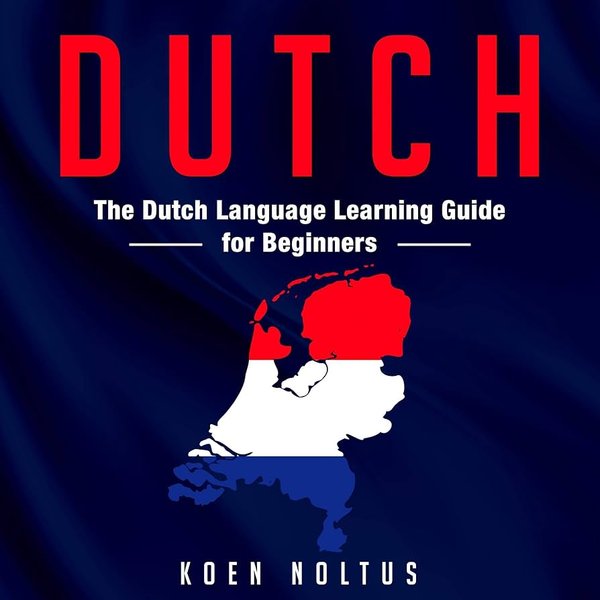
Many learners supplement apps and courses with traditional books for in-depth grammar and vocabulary.
Key Learning Platforms and Tools
Here's a breakdown of some highly recommended resources, many of which are free or offer free introductory content:
| Resource Type | Primary Focus | Pros | Cons | Examples |
|---|---|---|---|---|
| Free Apps | Vocabulary, Basic Grammar, Introduction | Accessible, fun, good for daily habits, often free | May lack depth for advanced learning, limited speaking practice with native speakers | Duolingo, Memrise, Drops |
| Online Courses (Freemium/Paid) | Structured Learning (All Skills) | Comprehensive curriculum, often interactive, can offer certificates | Can be costly, requires commitment | Babbel, Busuu, Learndutch.org (Bart de Pau), University of Groningen MOOC, Taalthuis, DutchPod101 |
| Audio-Based Programs | Listening Comprehension, Speaking Pronunciation | Good for auditory learners, immersive, encourages speaking from day one | Can be expensive, might lack grammar explanation | Pimsleur, Glossika, DutchPod101 Podcasts |
| Language Exchange Platforms | Conversational Practice, Cultural Exchange | Real-life practice, free, flexible | Partner consistency can vary, not structured lessons | Tandem, HelloTalk, iTalki (for tutors) |
| Websites & Self-Study Materials | Grammar, Vocabulary, Reading | Often free, in-depth information, self-paced | Can be passive, requires self-discipline | DutchGrammar.com, Oefenen.nl, Loecsen, Translatihan |
Visualizing Your Dutch Learning Path
To help you conceptualize the interconnectedness of different learning components, here is a mindmap. It outlines the core skills you'll develop, the types of resources available, and essential strategies for success in your Dutch language journey.
(Woordenschat)"] id1_2["Grammar
(Grammatica)"] id1_3["Listening
(Luisteren)"] id1_4["Speaking
(Spreken)"] id1_5["Reading
(Lezen)"] id1_6["Writing
(Schrijven)"] id2["Resource Types"] id2_1["Apps
(Duolingo, Memrise)"] id2_2["Online Courses
(Babbel, Learndutch.org)"] id2_3["Audio Materials
(Pimsleur, Podcasts)"] id2_4["Practice Platforms
(Tandem, iTalki)"] id2_5["Media
(TV, Music, Books)"] id3["Learning Strategies"] id3_1["Consistency
(Dagelijkse oefening)"] id3_2["Immersion
(Onderdompeling)"] id3_3["Active Practice
(Actief oefenen)"] id3_4["Cultural Context
(Culturele kennis)"] id3_5["Goal Setting
(Doelen stellen)"]
This mindmap illustrates that a balanced approach, engaging various skills and resources, guided by effective strategies, will lead to the most successful learning outcome.
Boost Your Learning with Video Content
Visual and auditory learning can significantly enhance your understanding of Dutch basics, pronunciation, and common phrases. The video below, "Learn Dutch in 50 Minutes - ALL Basics Every Beginners Need," is an excellent starting point for absolute beginners. It covers fundamental vocabulary and expressions that you'll encounter in everyday situations, providing a quick and engaging introduction to the language. Watching such videos can help you grasp pronunciation nuances and build a foundational vocabulary rapidly.
This particular video is beneficial because it consolidates essential information into a digestible format. It serves as a practical supplement to more structured learning methods like apps or courses, offering a dynamic way to review or preview core concepts.
Pro Tips for Effective and Enjoyable Dutch Learning
Making Your Journey Smoother
- Start Small and Be Consistent: Dedicate even 10-15 minutes daily. Consistency is more effective than sporadic long sessions. Use apps like Duolingo or Memrise for these short bursts.
- Immerse Yourself: Change your phone language to Dutch (once comfortable), listen to Dutch music or podcasts (like DutchPod101 or TuneIn radio) during commutes, and watch Dutch TV shows or YouTube channels (e.g., "Learn Dutch with Bart de Pau").
- Focus on Speaking Early: Don't wait until you "know enough." Start speaking from day one, even if it's just simple phrases. Use resources like Pimsleur or practice with language exchange partners on Tandem or HelloTalk.
- Embrace Mistakes: Mistakes are a natural part of learning. Don't be afraid to make them; they are opportunities to learn and improve.
- Learn About the Culture: Understanding Dutch customs, traditions, and humor (as offered by resources like Taalthuis or Digital Dialects) will make your learning more meaningful and help in real-life conversations.
- Set Realistic Goals and Track Progress: Aim for specific, measurable achievements, like having a 5-minute conversation or understanding a short news article. Many platforms like Busuu or university courses help track your CEFR level.
- Combine Resources: No single tool has it all. Mix and match apps, courses, media, and real-life practice to cover all aspects of the language.
Frequently Asked Questions (FAQ)
How long does it typically take to learn Dutch?
The time it takes to learn Dutch varies greatly depending on your native language, previous language learning experience, the intensity of your study, and the amount of practice. For English speakers, achieving basic conversational fluency (A2-B1 level) can take anywhere from 3 to 6 months of consistent study (e.g., 1-2 hours daily). Reaching a higher level of proficiency (B2-C1), where you can comfortably navigate complex conversations and professional environments, might take 1 to 2 years.
Is Dutch considered a difficult language for native English speakers?
Dutch is generally considered one of the easier languages for native English speakers to learn. This is because both languages belong to the West Germanic language family, sharing many cognates (similar words) and grammatical structures. However, some aspects can be challenging, such as certain vowel sounds (like 'ui', 'eu', 'ij'), the guttural 'g' and 'ch', and differences in word order, particularly in subordinate clauses.
What's the most effective way to practice speaking Dutch?
The most effective way to practice speaking Dutch is by regularly engaging in conversations with native speakers or proficient learners. Language exchange apps like Tandem and HelloTalk, hiring an online tutor via platforms like italki, or joining local Dutch conversation groups (Meetups) are excellent options. Additionally, practicing speaking aloud by yourself, recording your voice, and using audio-based courses like Pimsleur that prompt you to speak can significantly build confidence and fluency.
Are there quality free resources available for learning Dutch?
Yes, there are numerous high-quality free resources for learning Dutch. Popular apps like Duolingo and Memrise offer substantial free content. Websites like Learndutch.org (Bart de Pau) provide free video lessons and exercises. The University of Groningen offers a free introductory MOOC (Massive Open Online Course) on FutureLearn. You can also find free podcasts (e.g., on DutchPod101), YouTube channels, and online vocabulary/grammar guides. Public libraries may also offer language learning materials.
Recommended Further Exploration
If you're keen to delve deeper, consider exploring these related queries:
- What are the best strategies for overcoming Dutch pronunciation challenges for English speakers?
- How can I effectively use Dutch media for language immersion?
- Compare the pros and cons of learning Dutch with a tutor versus self-study methods.
- What are some common mistakes English speakers make when learning Dutch grammar and how to avoid them?
References
This response synthesized information from various sources. For further reading, you might find these useful:
Last updated May 14, 2025