
Unlock Growth: Transform Your Errors into Powerful Lessons
Discover the structured process for turning missteps into stepping stones for personal and professional development.
Making mistakes is an inevitable part of the human experience, whether in personal life or professional pursuits. However, the true differentiator lies not in avoiding errors, but in how effectively we learn from them. Embracing mistakes as opportunities for growth can build resilience, enhance problem-solving skills, and foster a mindset geared towards continuous improvement. This guide synthesizes expert advice into a comprehensive approach for mastering the art of learning from your mistakes.
Essential Insights: Learning from Mistakes
Key Takeaways for Effective Growth
- Embrace Acknowledgment & Responsibility: The first crucial step is admitting the mistake honestly, without defensiveness or blame. Taking ownership creates the foundation for genuine learning and improvement.
- Reframe Mistakes as Feedback: Shift your perspective to view errors not as failures, but as valuable data points indicating areas for growth, skill development, or process adjustments. This fosters a resilient, growth-oriented mindset.
- Implement Structured Reflection & Action: Learning requires more than just experiencing an error; it demands intentional analysis of root causes, extraction of specific lessons, and the creation of a concrete plan to apply those lessons moving forward.
The Foundational Steps: Acknowledging and Accepting Errors
Setting the Stage for Learning
The journey of learning from a mistake begins the moment you recognize and accept its occurrence. Resisting, denying, or blaming others creates barriers to understanding and growth. True learning necessitates honesty and accountability.
Face It Honestly
Actively acknowledge that a mistake happened. This involves admitting the error to yourself and, when appropriate, to others involved (e.g., colleagues, supervisors, friends). This transparency can actually build trust and demonstrates integrity.
Accept Responsibility
Take ownership of your role in the mistake. Avoid the temptation to deflect blame onto external factors or other people. Focusing on your own actions and decisions empowers you to make changes. If your mistake affected others, a sincere apology can be a crucial part of this step.
Process Emotions Constructively
It's natural to feel disappointment, frustration, or even embarrassment after making a mistake. Allow yourself to experience these emotions without getting stuck in them. Recognize the feelings, understand their source, and then consciously shift focus towards learning and problem-solving. Practicing self-compassion during this phase is vital; treat yourself with the same kindness you would offer a friend in a similar situation.
Shifting Perspective: Mistakes as Growth Opportunities
Cultivating a Growth Mindset
How you perceive mistakes profoundly impacts your ability to learn from them. Viewing errors as endpoints ("failures") stifles growth, while seeing them as detours ("lessons") fuels it. This requires a conscious reframing effort.

Mistakes and failures can be viewed not as dead ends, but as crucial steps on the path to success.
Adopt a Growth Mindset
Embrace the belief that abilities and intelligence can be developed through dedication, effort, and learning from experience – including mistakes. This contrasts with a fixed mindset, which assumes abilities are innate and unchangeable, making errors feel threatening.
Normalize Mistakes
Understand that making mistakes is a universal and fundamental part of learning and innovation. Highly successful individuals and organizations often have histories marked by significant errors that provided crucial lessons. Recognizing this normality reduces the fear and stigma associated with messing up.
Focus on Learning, Not Just Outcomes
Shift the primary goal from "avoiding failure" to "maximizing learning." When learning is the objective, mistakes transform from negative outcomes into valuable feedback mechanisms, illuminating what works, what doesn't, and why.
Deep Dive: Analyzing and Understanding the Mistake
Extracting Valuable Insights
Superficial acknowledgment isn't enough. Effective learning requires a thorough investigation into the mechanics of the mistake – the "what," "why," and "how."
Identify the Root Cause(s)
Move beyond surface-level symptoms to understand the underlying factors that led to the error. Ask critical questions:
- Was it a lack of information or skill?
- Was it a flaw in the process or plan?
- Did cognitive biases (e.g., overconfidence, confirmation bias) play a role?
- Were environmental factors (e.g., time pressure, distractions) significant?
- What assumptions were made that turned out to be incorrect?
Breaking down the situation step-by-step can help pinpoint the critical junctures where things went awry.
Look for Patterns
Consider if this mistake is isolated or part of a recurring theme. Do you tend to make similar errors in specific situations or contexts? Identifying patterns is crucial for addressing systemic issues rather than just individual incidents. Keeping a journal or log of mistakes and reflections can help reveal these patterns over time.
Determine What Needs to Change
Analysis should lead to clarity on what needs to be learned, unlearned, or done differently. This "triple insight" identifies:
- What to unlearn: Outdated beliefs, ineffective habits, or flawed assumptions.
- What to learn: New knowledge, skills, or strategies.
- What actions to take: Specific changes in behavior, process, or planning.
Visualizing the Learning Process
A Mindmap for Turning Errors into Expertise
The process of learning from mistakes can be visualized as a cyclical journey involving several key stages. This mindmap outlines the core components of effectively transforming errors into valuable learning experiences.
(Unlearn, Learn, Act)"] id3d["Challenge Assumptions"] id4["Extract Lessons & Plan"] id4a["Pinpoint Specific Insights"] id4b["Create Actionable Guidelines"] id4c["Develop Concrete Plan"] id4d["Set Measurable Goals"] id5["Implement & Iterate"] id5a["Apply Changes"] id5b["Practice Deliberately"] id5c["Monitor Progress"] id5d["Adjust as Needed"] id6["Seek External Input"] id6a["Ask for Feedback"] id6b["Consult Mentors/Peers"] id6c["Learn Vicariously"] id7["Build Resilience"] id7a["Overcome Fear/Shame"] id7b["Embrace Discomfort"] id7c["Develop Coping Strategies"]
This mindmap illustrates the interconnected nature of acknowledging the mistake, shifting your mindset, analyzing the situation, deriving lessons, planning improvements, seeking feedback, and building the resilience needed to navigate future challenges effectively.
From Insight to Action: Planning and Implementation
Making Learning Concrete
Analysis and reflection are essential, but learning is incomplete without application. Turning insights into tangible changes is where true growth occurs.
Develop a Concrete Plan
Based on your analysis, outline specific, actionable steps you will take to prevent recurrence. What will you do differently next time? This plan should be realistic and tailored to the lessons learned. For example:
- If the mistake was due to lack of knowledge, the plan might involve research, training, or seeking mentorship.
- If it was a process error, the plan might involve creating checklists, changing workflows, or implementing review stages.
- If it stemmed from a behavioral pattern (e.g., procrastination), the plan might involve time management techniques or accountability partners.
Set Measurable Goals
Define clear objectives for improvement related to the mistake. How will you know if your changes are effective? Setting measurable goals helps track progress and maintain motivation.
Implement Changes and Practice
Put your plan into action. This often requires conscious effort and self-discipline, especially when changing ingrained habits. Deliberate practice in applying the new approach, perhaps in lower-stakes situations first, can build confidence and competence.
Monitor and Iterate
Continuously evaluate the effectiveness of your changes. Are they preventing similar mistakes? Are adjustments needed? Learning is often an iterative process; be prepared to refine your plan based on ongoing experience and feedback.
Leveraging External Perspectives
Seeking Feedback and Learning from Others
Your own reflection is powerful, but external viewpoints can offer invaluable insights you might miss on your own.
Actively Seek Feedback
Ask trusted peers, mentors, supervisors, or even clients for their perspective on the mistake and potential improvements. Be specific in your request and open to receiving constructive criticism. People are often more willing to provide honest feedback when they see you are genuinely committed to learning.
Learn Vicariously
You don't always have to make the mistake yourself to learn the lesson. Pay attention to the experiences of others – both their successes and failures. Analyze case studies, read biographies, or simply observe colleagues and competitors. Warren Buffett famously said, "It's good to learn from your mistakes. It's better to learn from other people's mistakes."
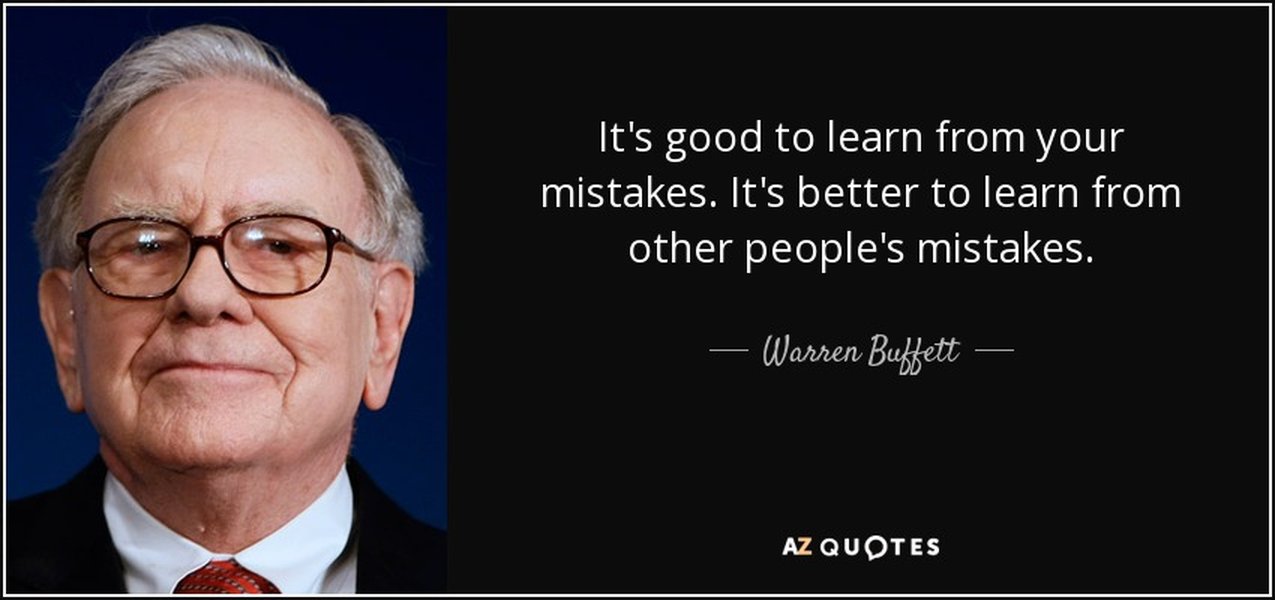
Learning from the experiences of others can save time and prevent unnecessary errors.
Share Your Lessons (When Appropriate)
Explaining your mistake and the lessons learned to others can reinforce your own understanding and accountability. In team or organizational settings, sharing failures openly (when psychologically safe) can foster a culture of learning, normalize mistakes, and help others avoid similar pitfalls.
The Psychology of Learning from Mistakes
Building Resilience and Overcoming Barriers
Psychological factors play a significant role in our ability to learn from errors. Fear, shame, and defensiveness can block the learning process.
Build Resilience
Learning from mistakes is intrinsically linked to resilience – the ability to bounce back from adversity. Each time you navigate a mistake constructively, you strengthen this crucial life skill. Experiencing and overcoming challenges, especially starting from a young age, builds mental toughness and adaptability.
Practice Self-Compassion
Avoid harsh self-criticism. Treat yourself with kindness and understanding when you make a mistake. Recognize that errors are part of being human and don't define your worth. Self-compassion makes it easier to face mistakes objectively without being overwhelmed by negative emotions.
Overcome Fear and Shame
The fear of making mistakes or the shame associated with them can be paralyzing. Actively work to separate your actions (the mistake) from your identity (your self-worth). Techniques like mindfulness and cognitive reframing can help manage these emotions.
Cultivate Humility and Openness
Defensive reactions prevent learning. Approach mistakes with humility, recognizing that there's always room for improvement. Be open to the possibility that your initial understanding or approach was flawed.
Effectiveness of Different Learning Strategies
A Comparative Radar Chart
Various strategies contribute to learning from mistakes. This radar chart provides a comparative perspective on the perceived effectiveness and impact of key approaches, based on the synthesized insights. The axes represent different facets of learning, scaled from 1 (Low) to 10 (High), reflecting their general importance and contribution to robust learning and growth.
This chart highlights that while all components are important, areas like Root Cause Analysis, Action Planning, Mindset Reframing, and Pattern Recognition are often perceived as having a high impact on growth and long-term benefits, though they also require significant intentional effort. Self-compassion, while perhaps requiring less analytical effort, provides crucial long-term emotional benefits supporting the overall learning process.
Tools and Environments for Learning
Facilitating the Learning Process
Certain tools and environmental factors can significantly enhance your ability to learn from mistakes.
Utilize Reflection Tools
- Journaling: Regularly writing about mistakes, analyses, and lessons learned helps clarify thoughts, track patterns, and reinforce learning.
- Structured Reflection Frameworks: Using models like "What? So What? Now What?" or conducting After-Action Reviews (AARs) can provide a systematic way to dissect experiences.
- Mindfulness and Meditation: These practices can help create emotional distance, allowing for calmer, clearer reflection on challenging experiences.
Foster Psychological Safety
Learning thrives in environments where individuals feel safe to take risks, make mistakes, and speak up without fear of punishment or humiliation. In teams or organizations, leaders play a key role in cultivating psychological safety, support, respect, and trust.
Embrace Experiential Learning
Active learning approaches that involve applying concepts, experimenting, and inevitably making some errors along the way are highly effective. Create opportunities for low-stakes practice where mistakes are expected and treated as part of the learning curve.
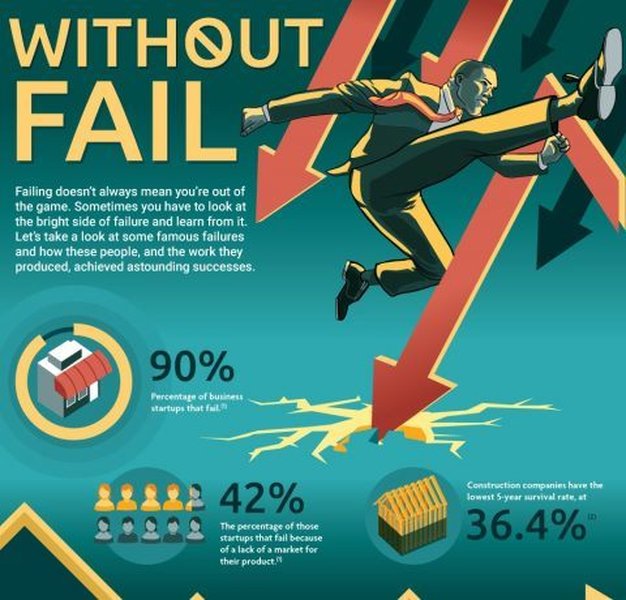
Visualizing the connection between mistakes and success highlights the importance of a structured learning process.
Actionable Summary Table
Key Steps to Effectively Learn from Mistakes
This table summarizes the core actions involved in transforming mistakes into valuable learning experiences.
| Step | Action | Purpose | Key Considerations |
|---|---|---|---|
| 1. Acknowledge & Accept | Admit the error honestly; take responsibility. | Creates foundation for learning; builds integrity. | Avoid blame/denial; practice self-compassion. |
| 2. Reframe Mindset | View the mistake as feedback/opportunity. | Fosters growth mindset; reduces fear of failure. | Focus on learning, not just the negative outcome. |
| 3. Analyze Thoroughly | Identify root causes, context, and contributing factors. | Understand *why* it happened; reveal patterns. | Be objective; challenge assumptions; consider biases. |
| 4. Extract Lessons | Pinpoint specific insights and takeaways. | Define what needs to change (learn/unlearn/do). | Convert insights into memorable principles or guidelines. |
| 5. Seek Feedback | Ask trusted sources for external perspectives. | Gain objective viewpoints; identify blind spots. | Be open to criticism; learn vicariously from others. |
| 6. Plan for Improvement | Develop a concrete, actionable plan. | Translate lessons into tangible changes. | Set specific, measurable goals; outline clear steps. |
| 7. Implement & Iterate | Apply the plan; practice new approaches. | Solidify learning through action; build new habits. | Monitor progress; adjust plan as needed; be patient. |
| 8. Build Resilience | Manage difficult emotions; embrace challenges. | Strengthen ability to cope with setbacks. | Practice self-compassion; separate mistake from self-worth. |
Expert Insights: Learning from Mistakes
Video Perspective
Listen to expert Jim Kwik discuss practical strategies for acknowledging, learning from, and avoiding the repetition of mistakes. This video provides actionable tips aligned with the principles discussed, emphasizing the importance of mindset and intentional learning.
Kwik's approach reinforces the steps of admitting errors, analyzing them to extract lessons, and consciously working to prevent repeating them, highlighting the active role individuals must take in the learning process.
Frequently Asked Questions (FAQ)
Common Queries About Learning from Errors
Why is acknowledging the mistake so important?
Acknowledgment is the gateway to learning. Without admitting an error occurred and taking responsibility, your mind remains closed to analysis and improvement. Denial or blaming prevents you from seeing your own role and potential areas for change. It's about creating the mental space needed to objectively assess the situation and extract lessons.
How can I overcome the fear of making mistakes?
Overcoming this fear involves several strategies:
- Reframing: Consciously view mistakes as learning opportunities, not personal failures.
- Focusing on Growth: Prioritize learning and development over perfection.
- Starting Small: Practice taking risks and potentially making errors in low-stakes environments.
- Practicing Self-Compassion: Be kind to yourself when you do make mistakes.
- Seeking Supportive Environments: Surround yourself with people who encourage growth and understand that errors happen.
What if I keep making the same mistake?
Repeating mistakes often indicates that the root cause hasn't been fully identified or addressed, or that the planned changes haven't been effectively implemented. Try these steps:
- Deeper Analysis: Re-examine the situation. Are there underlying assumptions or habits you missed? Use tools like the "5 Whys" to dig deeper.
- Pattern Recognition: Keep a log to explicitly track when and why the mistake occurs. This can reveal subtle triggers or contexts.
- Seek External Feedback: Ask someone else for their perspective; they might see something you don't.
- Change Your Approach: If your previous plan didn't work, try a different strategy. This might involve learning a new skill, changing your environment, or building stronger accountability systems.
- Consider Underlying Beliefs: Sometimes repeated mistakes stem from limiting beliefs about your capabilities.
Is it really possible to learn from other people's mistakes?
Yes, absolutely. Learning vicariously is a highly efficient way to gain wisdom without experiencing the negative consequences yourself. This involves:
- Observing Others: Pay attention to the actions and outcomes of colleagues, mentors, or public figures.
- Analyzing Case Studies: Study documented failures in business, history, or science to understand pitfalls and successful responses.
- Seeking Advice: Ask experienced individuals about mistakes they've made in areas relevant to you.
- Reading: Biographies, articles, and reports often detail errors and the lessons learned.
Recommended Further Exploration
Dive Deeper into Related Concepts
- How does developing a growth mindset impact learning from failure?
- What is the role of psychological safety in team learning from mistakes?
- Compare different techniques for root cause analysis of personal mistakes.
- Strategies for practicing self-compassion after making a significant error.
References
Sources Used for This Analysis
Last updated May 4, 2025