
Mastering SQLAlchemy: A Comprehensive Guide to Effective Learning
Unlock the power of Python database interactions with a structured approach to learning SQLAlchemy.
Key Highlights for Learning SQLAlchemy
- Start with the Basics: Begin with SQLAlchemy Core to understand SQL expressions before moving to the ORM for object-oriented database interactions.
- Follow a Structured Tutorial: Use comprehensive tutorials and documentation, such as the SQLAlchemy Unified Tutorial, to guide your learning process.
- Practice with Real Projects: Apply your knowledge by building projects that involve creating, reading, updating, and deleting data in a database.
Understanding SQLAlchemy
SQLAlchemy is a powerful Python SQL toolkit and Object-Relational Mapper (ORM) that gives application developers the full power and flexibility of SQL. It provides a high-level interface for interacting with databases in an object-oriented manner, building on top of a core that allows for direct SQL expression.
Why Learn SQLAlchemy?
SQLAlchemy simplifies database interactions in Python, offering a flexible and expressive way to work with relational databases. Whether you're building web applications, data analysis tools, or any other database-driven software, SQLAlchemy can streamline your development process.
Step-by-Step Guide to Learning SQLAlchemy
1. Grasp the Fundamentals of SQL and Relational Databases
Before diving into SQLAlchemy, ensure you have a solid understanding of SQL (Structured Query Language) and relational database concepts. Familiarize yourself with basic SQL commands such as SELECT, INSERT, UPDATE, and DELETE, as well as concepts like tables, columns, primary keys, and foreign keys.
2. Start with SQLAlchemy Core
SQLAlchemy Core is the foundation of SQLAlchemy, providing a SQL expression language that allows you to interact with databases using Python code. Begin by learning how to:
- Connect to a database
- Define table metadata
- Construct SQL expressions
- Execute queries
This approach helps you understand the underlying SQL operations before abstracting them with the ORM.
3. Transition to SQLAlchemy ORM
Once you're comfortable with SQLAlchemy Core, move on to the ORM (Object-Relational Mapper). The ORM allows you to interact with databases using Python classes and objects, making your code more object-oriented and easier to maintain.
Key Concepts in SQLAlchemy ORM:
- Mappings: Defining how Python classes are mapped to database tables.
- Sessions: Managing database interactions, tracking changes, and executing queries.
- Relationships: Defining relationships between tables, such as one-to-many or many-to-many.
- Querying: Using the ORM to retrieve data from the database.
4. Follow a Structured Tutorial
Use comprehensive tutorials and documentation to guide your learning process. The SQLAlchemy Unified Tutorial is an excellent resource that integrates both Core and ORM components. Additionally, many online tutorials and courses cater to beginners, providing step-by-step instructions and examples.
5. Practice with Real Projects
The best way to learn SQLAlchemy is by applying your knowledge to real projects. Start with small projects and gradually increase the complexity. Consider building applications that involve:
- Creating tables and defining models
- Inserting, updating, and deleting data
- Querying data using various criteria
- Implementing relationships between tables
6. Explore Advanced Features
Once you have a solid understanding of the basics, explore advanced features such as:
-
Transactions: Managing database transactions to ensure data consistency.
-
Connection Pooling: Improving performance by reusing database connections.
-
Events: Hooking into database events to perform custom actions.
-
Custom Types: Defining custom data types for your database columns.
Leveraging SQLAlchemy Core and ORM: A Comparison
SQLAlchemy offers two primary ways to interact with databases: Core and ORM. Understanding the strengths of each will help you choose the right approach for your project.
SQLAlchemy Core
SQLAlchemy Core provides a SQL expression language that allows you to construct SQL queries programmatically. It gives you fine-grained control over the SQL that is executed, making it suitable for complex queries and performance-critical applications.
SQLAlchemy ORM
The ORM builds on top of the Core and provides a high-level interface for working with databases in an object-oriented manner. It maps Python classes to database tables, allowing you to interact with the database using objects and methods. This approach can simplify development and improve code readability, but it may also introduce some overhead.
The table below summarizes the key differences between SQLAlchemy Core and ORM:
| Feature | SQLAlchemy Core | SQLAlchemy ORM |
|---|---|---|
| Abstraction Level | Low-level SQL expression language | High-level object-oriented interface |
| Control | Fine-grained control over SQL | Abstraction over SQL, less control |
| Complexity | More complex for simple tasks | Simpler for common tasks |
| Performance | Potentially better performance for complex queries | May have some overhead due to abstraction |
| Use Cases | Complex queries, performance-critical applications | Web applications, general-purpose database interactions |
Deep Dive: SQLAlchemy ORM in Action
To illustrate the power and flexibility of SQLAlchemy ORM, let's delve into a practical example. Imagine you're building a library management system. You'll need to model books, authors, and their relationships.
First, define the models:
# Import necessary modules
from sqlalchemy import create_engine, Column, Integer, String, ForeignKey
from sqlalchemy.orm import relationship, sessionmaker
from sqlalchemy.ext.declarative import declarative_base

# Define the base
Base = declarative_base()

# Define the Author model
class Author(Base):
    __tablename__ = 'authors'

    id = Column(Integer, primary_key=True)
    name = Column(String)

    books = relationship("Book", back_populates="author")

    def __repr__(self):
        return f"<Author(name='{self.name}')>"

# Define the Book model
class Book(Base):
    __tablename__ = 'books'

    id = Column(Integer, primary_key=True)
    title = Column(String)
    author_id = Column(Integer, ForeignKey('authors.id'))

    author = relationship("Author", back_populates="books")

    def __repr__(self):
        return f"<Book(title='{self.title}')>"

# Create an engine and bind it to the base
engine = create_engine('sqlite:///:memory:')  # Use an in-memory SQLite database for simplicity
Base.metadata.create_all(engine)

# Create a session
Session = sessionmaker(bind=engine)
session = Session()

# Create instances of Author and Book
author1 = Author(name='Jane Austen')
book1 = Book(title='Pride and Prejudice', author=author1)
book2 = Book(title='Emma', author=author1)

# Add instances to the session and commit
session.add_all([author1, book1, book2])
session.commit()

# Query the database
authors = session.query(Author).all()
books = session.query(Book).all()

# Print the results
for author in authors:
    print(author)
    for book in author.books:
        print(f"  - {book}")
This code demonstrates how to define models, create relationships, and interact with the database using SQLAlchemy ORM. By practicing with such examples, you can gain a deeper understanding of how to use SQLAlchemy in real-world scenarios.
Enhancing Your Learning with Visual Aids
Visual aids can greatly enhance your understanding of SQLAlchemy and its components. The following images provide visual representations of key concepts and architectures.
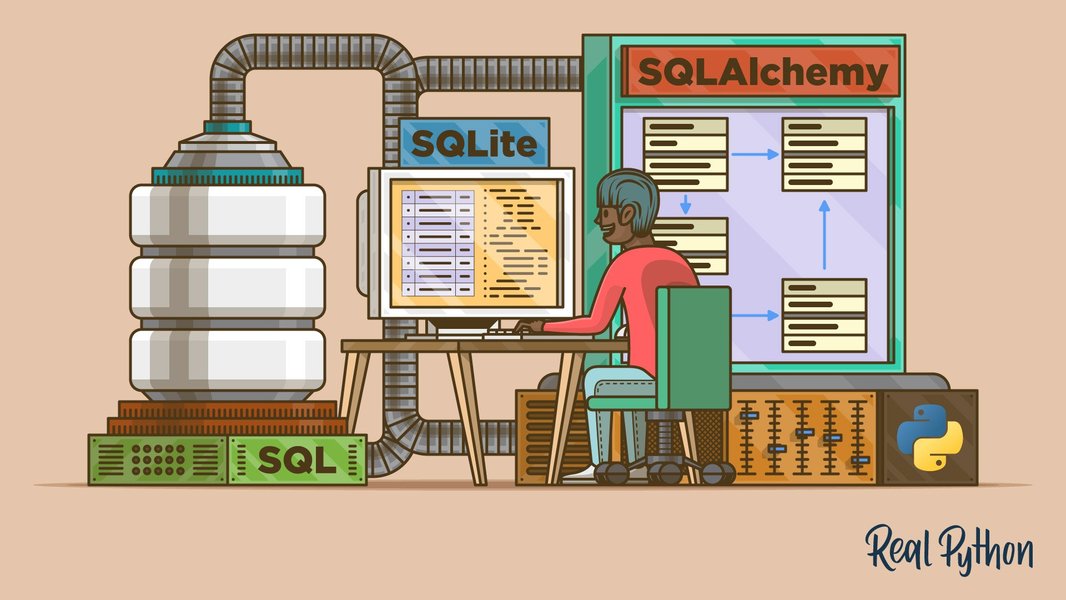
SQLAlchemy Architecture Overview: This image provides a high-level overview of SQLAlchemy's architecture, illustrating how the Core and ORM components interact with each other and with the database. Understanding this architecture can help you grasp the overall structure of SQLAlchemy and how its different parts work together.
SQLAlchemy Introduction and Setup: This image provides a visual guide to setting up SQLAlchemy and connecting to a database. It highlights the initial steps required to start working with SQLAlchemy, such as creating an engine and defining metadata. This visual aid can be particularly helpful for beginners who are just getting started with SQLAlchemy.
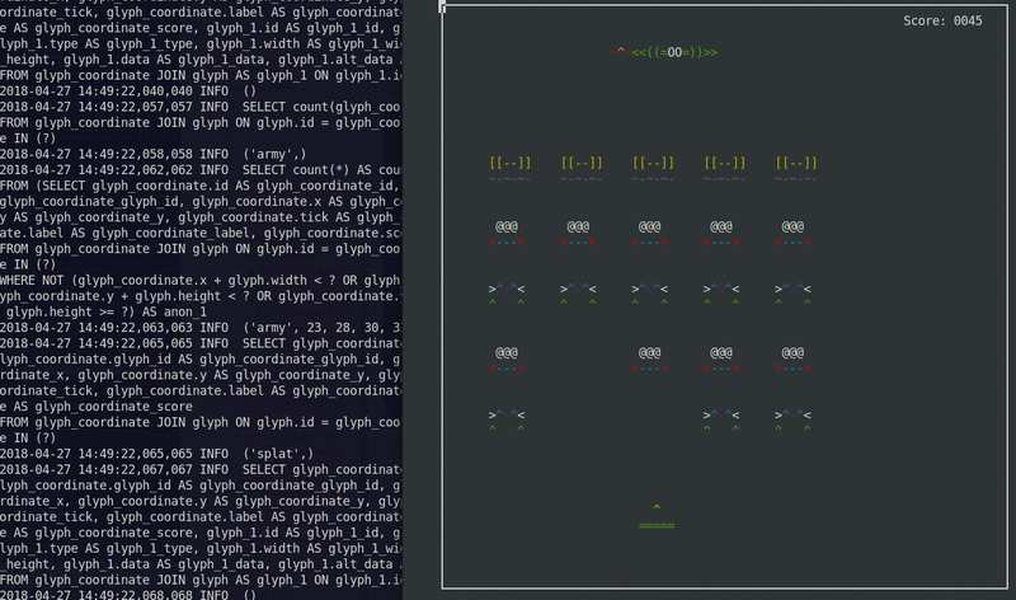
SQLAlchemy Space Invaders Example: This image shows an example usage of SQLAlchemy in a space invaders game. It provides an idea of how SQLAlchemy can be applied in real-world scenarios.
SQLAlchemy 2.0 ORM Crash Course: A Video Tutorial
This video offers a comprehensive crash course on SQLAlchemy 2.0 ORM, covering the core concepts and features you need to manage relational databases with Python. It walks you through setting up SQLAlchemy, defining models, and performing CRUD (Create, Read, Update, Delete) operations. Watching this video can provide a hands-on understanding of how to use SQLAlchemy in practice.
FAQ: Frequently Asked Questions About Learning SQLAlchemy
Q: What are the prerequisites for learning SQLAlchemy?
A: Basic knowledge of Python and SQL is recommended. Familiarity with relational database concepts is also helpful.
Q: Should I start with SQLAlchemy Core or ORM?
A: Starting with SQLAlchemy Core can provide a better understanding of the underlying SQL operations. However, if you prefer a more object-oriented approach, you can start with the ORM.
Q: Where can I find good tutorials and documentation for SQLAlchemy?
A: The SQLAlchemy Unified Tutorial is an excellent resource. Additionally, many online tutorials and courses are available on platforms like Tutorialspoint and Datacamp.
Q: What are some common challenges when learning SQLAlchemy?
A: Some common challenges include understanding the mapping between Python classes and database tables, managing sessions, and defining relationships between tables.
Q: How can I improve my SQLAlchemy skills?
A: Practice with real projects, explore advanced features, and participate in online communities to ask questions and share your knowledge.
References
Last updated April 11, 2025