
Understanding Search Engine Crawling and Indexing for Your Website
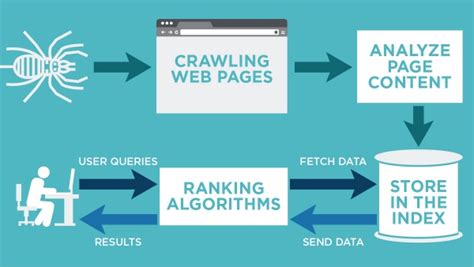
In the dynamic landscape of digital marketing, understanding how search engines crawl and index your website is crucial for optimizing visibility and performance. This comprehensive guide delves into the typical number of new pages search engines crawl daily and the timeframe required for newly created webpages to appear in search results. By exploring factors influencing these processes and best practices to enhance them, you can strategically improve your website’s search engine ranking.
Daily Crawling Rates: How Many New Pages Are Crawled?
The number of new pages search engines, particularly Google, crawl each day varies significantly based on several key factors, including your website's size, authority, update frequency, structure, and server performance. Below is a detailed breakdown:
| Website Size | Daily Crawling Rate | Factors Influencing Crawling |
|---|---|---|
| Small Websites (Less than 500 pages) | A few pages to dozens per day |
|
| Medium Websites (500 to 25,000 pages) | 100–500 pages per day |
|
| Large Websites (25,000 to 100,000 pages) | 1,000 to tens of thousands of pages per day |
|
| Very Large Websites (100,000+ pages) | Tens of thousands of pages per day |
|
Search engines assign a crawl budget to each website, which determines the number of URLs they will crawl within a specific timeframe. This budget is influenced by factors such as website authority, quality, and server health. Ensuring that your website is well-structured and optimized can help maximize your crawl budget, allowing more of your pages to be discovered and indexed efficiently (Safari Digital).
Indexing Timelines: From Creation to Search Results
The time it takes for a new webpage to be indexed by search engines like Google varies based on multiple factors, including the website’s size, authority, content quality, and SEO practices. Understanding these timelines can help set realistic expectations and inform optimization strategies:
| Indexing Speed | Timeframe | Characteristics |
|---|---|---|
| Fast Indexing | Several hours to 1 week |
|
| Moderate Indexing Speed | 1 week to 1 month |
|
| Slow Indexing | 1 month or more |
|
Research indicates that approximately 83% of pages are indexed within the first week of publication, particularly for established websites. News sites and other content with time-sensitive relevance may experience same-day crawling and indexing due to the urgency of their content (Search Engine Journal).
Key Factors Influencing Crawl Rates and Indexing Speed
1. Website Authority
Higher authority websites, characterized by a strong backlink profile and established presence, tend to have a higher crawl budget. This means search engines crawl these sites more frequently and efficiently, leading to faster indexing of new content (BlackHatWorld).
2. Content Quality and Frequency
Regularly updated, high-quality content encourages search engines to crawl your website more frequently. Websites that publish fresh, unique, and valuable content are rewarded with a higher crawl rate, facilitating quicker discovery and indexing of new pages.
3. Site Structure and Technical SEO
A well-structured website with clear internal linking, optimized sitemaps, and clean URL structures enhances crawl efficiency. Technical SEO aspects such as mobile-friendliness, fast loading speeds, and the absence of crawl errors (e.g., broken links, duplicate content) play a pivotal role in improving both crawl rates and indexing speed (Google Developers).
4. Server Performance
Websites with robust server performance can handle more frequent crawl requests without experiencing downtime or slow responses. Poor server performance may lead search engines to reduce crawl activity to prevent overloading your server.
5. Crawl Budget Management
For large websites, effectively managing the crawl budget is essential. This involves optimizing the robots.txt file to disallow unnecessary pages, using XML sitemaps effectively, and prioritizing high-value pages to ensure that search engines focus their crawling efforts where it matters most (Conductor).
Best Practices to Enhance Crawl Rates and Accelerate Indexing
1. Submit URLs via Google Search Console
Utilize the "URL Inspection" tool in Google Search Console to manually submit new URLs for indexing. This proactive approach can significantly reduce the time it takes for new pages to appear in search results.
2. Maintain an Updated XML Sitemap
Ensure that your XML sitemap is always up-to-date and includes all new and important URLs. Submit this sitemap to search engines through platforms like Google Search Console to facilitate efficient crawling and indexing.
3. Optimize Internal Linking
Strategically link new pages from existing high-ranking and authoritative pages within your website. Effective internal linking helps search engines discover new content more quickly and understand its relevance within the overall site structure.
4. Build Quality Backlinks
Acquiring external backlinks from reputable websites signals to search engines the importance and quality of your new pages. Backlinks act as votes of confidence, enhancing both crawl rates and indexing speed.
5. Improve Page Load Speeds
Optimize your website’s performance to ensure fast loading times. Faster pages can handle more crawl requests efficiently, positively influencing the crawl budget and allowing more content to be indexed promptly.
6. Implement Structured Data
Using structured data (schema markup) helps search engines understand the content and context of your pages better. This can enhance indexing accuracy and potentially lead to richer search result listings.
7. Regularly Update Content
Consistently adding fresh, high-quality content signals to search engines that your website is active and relevant, encouraging more frequent crawls and faster indexing of new pages.
Optimizing Crawl Budget for Large Websites
For websites with extensive content libraries, effectively managing the crawl budget is essential to ensure that search engines focus on the most valuable pages. Here are strategies to optimize your crawl budget:
- Disallow Low-Value Pages: Use the robots.txt file or meta tags to prevent search engines from crawling pages that offer little to no value, such as admin pages, duplicate content, or thin content pages.
- Prioritize Important Pages: Ensure that your high-value pages are easily accessible through clear and logical internal linking structures.
- Monitor Crawl Activity: Use tools like Google Search Console to monitor crawl rates and identify any issues that may be affecting your crawl budget.
- Fix Crawl Errors Promptly: Address any crawl errors or broken links to maintain efficient crawling and prevent wasted crawl budget on non-existent pages.
Conclusion
Understanding how search engines crawl and index your website is fundamental to optimizing your online presence. While the number of new pages crawled daily and the time taken for indexing depend on various factors such as website size, authority, content quality, and technical SEO practices, implementing best practices can significantly enhance both crawl rates and indexing speed.
By maintaining a well-structured website, regularly updating high-quality content, optimizing internal and external linking, and managing your crawl budget effectively, you can ensure that your new webpages are discovered and indexed promptly. Leveraging tools like Google Search Console to monitor and submit URLs further accelerates the indexing process, contributing to improved search engine visibility and overall digital success.
Last updated January 8, 2025