
War on Lebanon in 2024
A Comprehensive Overview of the Conflict, Impacts, and Aftermath
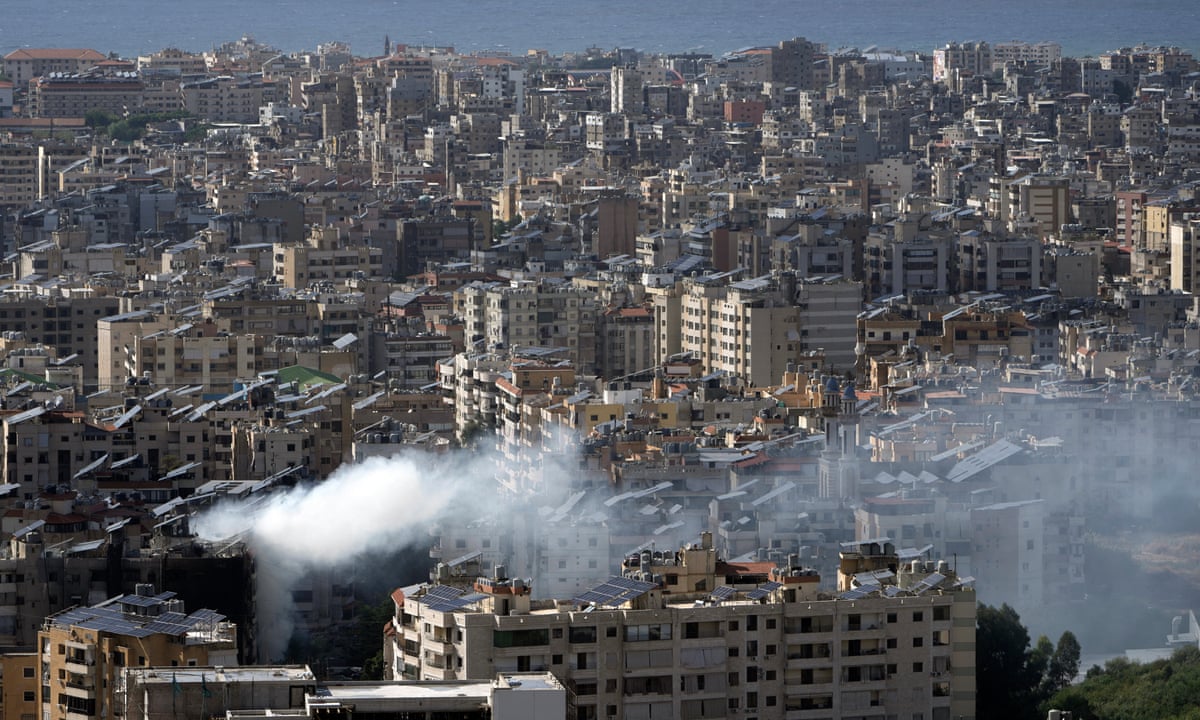
Key Highlights
- Escalation of Conflict: The escalation began with aggressive Israeli airstrikes followed by a ground invasion, marking the sixth invasion since 1978.
- Humanitarian and Economic Impact: Thousands of casualties, massive infrastructure damage, and an estimated $11 billion needed for reconstruction.
- Geopolitical and International Dynamics: Involvement of international mediators and lingering tensions with sporadic military engagements continuing into early 2025.
Timeline and Major Events
Early Escalation (Late 2023 – September 2024)
The conflict's roots in late 2023 saw a series of provocations that escalated the longstanding tensions between Israel and Hezbollah, a prominent Lebanese militant organization. Following initial confrontations in October 2023, Israel and Hezbollah found themselves on a collision course that would soon impact the entirety of Lebanon. The period from late 2023 to early 2024 witnessed heightened alert and minor skirmishes, setting the stage for larger military actions.
Israeli Airstrikes: Operation “Northern Arrows” (September 2024)
On September 23, 2024, Israel initiated a series of airstrikes against strategic targets in Lebanon. Code-named “Northern Arrows,” these operations targeted Hezbollah positions and key military installations. The airstrikes led to significant casualties, with reports confirming over 800 deaths and thousands of injuries. These strikes displaced hundreds of thousands of civilians, thereby adding a dire humanitarian element to the conflict.
Ground Invasion and Expanded Conflict (October 2024)
The situation further escalated on October 1, 2024, when Israel launched a ground invasion into Southern Lebanon. This marked the sixth such invasion since 1978, emphasizing the recurring nature of the conflict in the region. The objectives of the invasion were primarily to degrade Hezbollah’s military capabilities and reduce the recurring rocket attacks into Israeli territory. This phase saw heavy clashes, leading to widespread destruction and a further increase in civilian casualties.
Ongoing Military Operations and Ceasefire Efforts
Despite drastic military measures, hostilities persisted beyond the initial ground operations. Sporadic strikes continued to plague the region, with both Israeli operations and Hezbollah responding with limited military tactics such as drone strikes. Under intense international pressure and mediation spearheaded by the United States and France, a ceasefire agreement was eventually brokered. Signed in late November 2024, the agreement initially set a deadline for Israeli forces to withdraw by January 27, 2025, later extended to February 18, 2025. However, the ceasefire did not immediately quell the conflict, as intermittent violence and military posturing continued well into early 2025.
Humanitarian and Economic Repercussions
Casualties and Human Displacement
The toll on human life was one of the most severe aspects of the 2024 conflict. Estimates suggest that over 4,047 people lost their lives, and approximately 16,638 individuals were injured during the hostilities. Beyond these tragic statistics, the civilian population suffered immensely, with hundreds of thousands displaced from their homes. The combined effects of airstrikes and ground invasions have left many communities in ruins, contributing to an unprecedented refugee crisis within the region.
Economic Strain and Infrastructure Damage
The economic impact has been staggering. Lebanon's already fragile economy suffered further due to the destruction of critical infrastructure including housing, healthcare facilities, energy stations, and transportation networks. International financial bodies, particularly the World Bank, estimated that around $11 billion would be necessary for post-conflict reconstruction and recovery. This figure reflects not only the cost of rebuilding physical structures but also the broader economic disruption caused by the conflict.
The substantial damage has contributed to an estimated $21 billion in broader economic losses, affecting multiple sectors including public services and industry. The affected areas require substantial international aid and extensive reforms to rebuild a stable and functional economy.
Challenges in Reconstruction
Rebuilding efforts in Lebanon face significant hurdles beyond the immediate physical destruction. The political climate in Lebanon is complex, characterized by internal divisions, sectarian fractures, and ongoing challenges in governance. International aid has been cautious, with funds and reconstruction loans contingent upon substantial reforms, particularly in issues related to corruption and sectarian governance. This complicated environment has stalled reconstruction projects, leaving many critical areas of the country in a state of prolonged disrepair.
Geostrategic Dynamics and International Involvement
Regional and Global Implications
The 2024 conflict in Lebanon did not occur in isolation. It intersected with broader regional dynamics, notably following an earlier conflict between Israel and Hamas in October 2023. Hezbollah’s decision to align itself by firing rockets into northern Israel further intensified hostilities. This alignment underscored the interconnectivity of conflicts in the region, drawing in multiple parties and intensifying existing geopolitical tensions.
International involvement has been multifaceted. The United States and France played critical roles in mediating ceasefire agreements, while global financial institutions like the World Bank have highlighted the urgent need for reconstruction funding. Moreover, the broader international community remains vigilant, as the conflict holds potential implications for stability not only in Lebanon but also in neighboring Israel and the wider Middle East.
Military Spending and Future Uncertainties
The conflict has precipitated significant military expenditures. In 2024, Israel’s military spending reportedly reached $31 billion, reflecting the extensive financial commitment required to sustain ongoing operations in both Gaza and Lebanon. This massive investment further illustrates the scale and intensity of the hostilities.
Looking ahead, the resolution of the conflict remains uncertain. Sporadic engagements continue to occur even after the ceasefire, indicative of unresolved tensions. Critical issues such as the disarmament of Hezbollah, long-standing territorial disputes, and the underlying political instability in Lebanon continue to hamper prospects for lasting peace.
Detailed Breakdown of Key Data
| Aspect | Details |
|---|---|
| Initial Escalation | Conflict rooted in late 2023, with skirmishes leading to major escalations in 2024. |
| Airstrike Campaign | Operation "Northern Arrows" began on September 23, 2024, resulting in over 800 deaths and mass displacement. |
| Ground Invasion | Launched on October 1, 2024, marking Israel’s sixth invasion of Lebanon. |
| Casualties | Approximately 4,047 deaths and 16,638 injuries reported across Lebanon. |
| Economic Impact | $11 billion estimated for reconstruction; overall economic losses nearing $21 billion. |
| International Mediation | Ceasefire mediated by the US and France; extended withdrawal deadlines into early 2025. |
| Remaining Military Engagements | Post-ceasefire sporadic strikes and military operations continue as tensions persist. |
Implications for the Region and Future Outlook
Political and Social Ramifications
The conflict has deep-rooted implications for Lebanon’s political and social landscape. Fragmented political factions and persistent corruption issues have intensified post-war challenges. The need for comprehensive reforms in governance is widely recognized as critical for both securing international aid and ensuring long-term stability. In addition, the war has exacerbated existing sectarian divisions, which are likely to influence future political realignments and social cohesion within the country.
Long-term Security and Stability
Security remains an ongoing challenge in the post-conflict era. While the ceasefire has provided a temporary halt to large-scale military operations, the underlying issues driving the conflict—such as Hezbollah’s militarized presence and territorial disputes—remain unresolved. The sporadic nature of military engagements suggests that the region continues to be at risk of renewed violence. As such, long-term peace in Lebanon is contingent upon addressing both the immediate physical reconstruction needs and the deeper structural political challenges.
Analysts suggest that international stakeholders, including regional powers and global organizations, must work collaboratively to create an environment conducive to political reform and comprehensive security arrangements. Without this multifaceted approach, the cycle of violence may persist, affecting not only Lebanon but the broader Middle East.
Additional Perspectives and Considerations
The Role of International Financial Institutions
Global financial institutions like the World Bank have played a pivotal role in assessing the aftermath of the conflict. Their reports highlight the monumental task of reconstruction, emphasizing that financial aid and loans will be crucial in rebuilding Lebanon. However, the disbursement of funds is heavily dependent on the Lebanese government’s ability to implement reforms, particularly in governance and anti-corruption measures.
Media and Diplomatic Narratives
Media coverage and official statements by international diplomats have significantly influenced public discourse around the conflict. The narrative has been shaped by both regional reporting and global analyses, portraying a complex picture of geopolitical rivalries, humanitarian crises, and the challenges of post-conflict recovery. While the ceasefire has temporarily reduced the scale of violence, ongoing diplomatic efforts continue to emphasize the necessity for a sustainable peace settlement.
References
- Israeli Invasion of Lebanon (2024–present) - Wikipedia
- September 2024 Israeli Attacks - Wikipedia
- Lebanon Human Rights Overview - Human Rights Watch
- Israeli Wars and Invasions - Law & Israel
- Guide to Lebanon Conflict - CFR
Recommended Queries for Further Insights
Last updated March 20, 2025