
Unveiling the Zest: What Terpenes Define Lemon Kush's Unique Charm?
An in-depth exploration of the aromatic compounds that give Lemon Kush its signature scent, flavor, and nuanced effects.
Highlights: Decoding Lemon Kush
- Limonene Leads the Way: The most prominent terpene in Lemon Kush is Limonene, responsible for its unmistakable zesty lemon aroma and often associated with mood elevation and stress relief.
- A Symphony of Aromas and Effects: Beyond Limonene, a complex blend of terpenes including Beta-Caryophyllene (spicy, peppery) and Myrcene (earthy, musky) contribute to Lemon Kush's unique profile, offering a balance of uplifting and relaxing sensations.
- The Entourage Effect in Action: These terpenes don't just provide scent; they work synergistically with cannabinoids like THC to modulate the overall effects, a phenomenon known as the "entourage effect," making the Lemon Kush experience more than the sum of its parts.
Understanding Terpenes: The Aromatic Architects of Cannabis
Before diving into the specific profile of Lemon Kush, it's helpful to understand what terpenes are. Terpenes are a large and diverse class of organic compounds produced by a variety of plants, including cannabis. These aromatic molecules are responsible for the distinct smells and flavors of different cannabis strains – from the citrus burst of Lemon Kush to the piney notes of other varieties. In nature, terpenes play a crucial role in a plant's survival, helping to repel predators and attract pollinators. For cannabis consumers, they are increasingly recognized for their potential to influence the effects of different strains, contributing to the overall experience alongside cannabinoids like THC and CBD.
The concentration and combination of terpenes can vary significantly from strain to strain, and even from one batch to another, depending on factors like genetics, growing conditions, and curing processes. Understanding a strain's terpene profile can offer valuable insights into its likely aromatic character and potential effects.
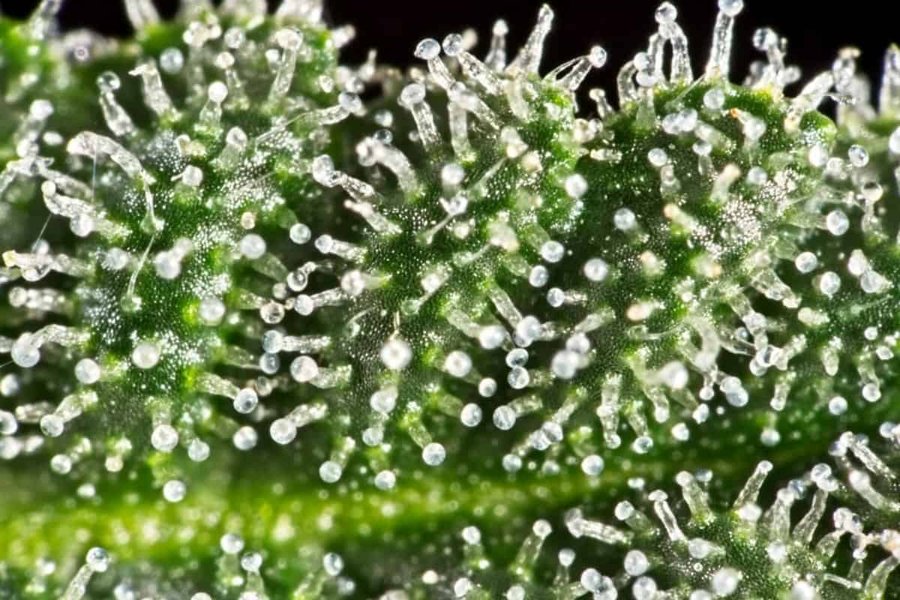
A magnified view of cannabis trichomes, the glandular structures where terpenes and cannabinoids are synthesized.
The Primary Terpene Orchestra in Lemon Kush
Lemon Kush is celebrated for its vibrant and refreshing citrus aroma, coupled with a balanced and nuanced high. This signature profile is primarily shaped by a few dominant terpenes that work in concert.
Limonene: The Citrus Maestro
Aroma and Flavor Profile
As its name strongly suggests, Limonene is the star terpene in Lemon Kush, typically being the most abundant. It imparts the strain's characteristic bright, zesty, and sweet lemon scent, often reminiscent of fresh lemon peel or citrus groves. Some analyses indicate Limonene can be present at levels around 0.52% of the chemical composition, or approximately 5.2 mg/g, though this can vary.
Reported Effects and Benefits
Limonene is widely associated with mood elevation, stress relief, and an overall sense of well-being. It's often linked to uplifting and energizing effects, potentially combating anxiety and depression. Its presence is a key reason why Lemon Kush is frequently described as a happy and creativity-inducing strain. Research also suggests Limonene may possess anti-fungal and anti-bacterial properties. For more general information on terpenes and their chemical properties, Wikipedia offers a comprehensive overview.
Beta-Caryophyllene: The Spicy Counterpoint
Aroma and Flavor Profile
Beta-Caryophyllene (often simply Caryophyllene) adds a distinct layer of complexity to Lemon Kush's aroma, introducing spicy, peppery, and sometimes woody or earthy notes. This terpene provides a warm counterbalance to Limonene's bright citrus. Its concentration can range from approximately 1.9 mg/g to as high as 11.36 mg/g in some samples.
Reported Effects and Benefits
Beta-Caryophyllene is unique because it's the only known terpene to also act as a cannabinoid, directly interacting with CB2 receptors in the body's endocannabinoid system. This interaction is linked to its notable anti-inflammatory and analgesic (pain-relieving) properties. It may contribute to the calming and relaxing physical effects of Lemon Kush, potentially helping with stress, chronic pain, and inflammation without causing significant psychoactivity itself.
Myrcene: The Earthy Foundation
Aroma and Flavor Profile
Myrcene is another common terpene in many cannabis strains, including Lemon Kush, where it contributes earthy, musky, and sometimes slightly fruity or herbal undertones, often described as reminiscent of mango or hops. While it might not be as dominant as Limonene in Lemon Kush, its presence is crucial for the strain's overall character, with concentrations around 1.47 mg/g noted in some analyses.
Reported Effects and Benefits
Myrcene is widely known for its relaxing and sedative qualities. It's often associated with the "couch-lock" effect in more indica-dominant strains, but in a balanced hybrid like Lemon Kush, it likely contributes to a sense of calm and physical relaxation that complements Limonene's uplifting effects. Myrcene is also thought to enhance the permeability of cell membranes, potentially increasing the transport of cannabinoids like THC to the brain, thus contributing to the overall intensity and nature of the high.
Supporting Terpenes: Adding Nuance and Depth
While Limonene, Beta-Caryophyllene, and Myrcene are often the headliners, other terpenes typically appear in Lemon Kush in smaller concentrations, adding further complexity to its aromatic bouquet and effects.
Alpha-Pinene: A Breath of Freshness
Alpha-Pinene, as its name implies, offers a fresh, sharp aroma of pine trees. In Lemon Kush, it can add a subtle crispness that complements the dominant citrus notes. Pinene is often associated with increased alertness, focus, and memory retention. It may also act as a bronchodilator, potentially aiding respiratory function. Its presence can help to balance some of the more sedative effects from Myrcene, contributing to a clear-headed experience. Concentrations are usually modest, around 0.17 mg/g to 0.6 mg/g.
Alpha-Humulene: Earthy and Woody Subtleties
Alpha-Humulene (or simply Humulene) shares a similar aromatic profile with Beta-Caryophyllene, offering earthy, woody, and hoppy notes (it's also found in hops). It often works in synergy with Caryophyllene and is recognized for its own anti-inflammatory properties. Humulene has also been investigated for its potential as an appetite suppressant, which can be a differentiating factor for some users. Typical concentrations in Lemon Kush might be around 0.9 mg/g to 2.01 mg/g.
Other Potential Terpenes
Depending on the specific phenotype and cultivation, Lemon Kush may also contain traces of other terpenes like Carene (citrusy, cypress, potentially anti-inflammatory) or Alpha-Bisabolol (floral, chamomile-like, known for anti-irritant and anti-inflammatory effects), each adding subtle nuances to the final profile.
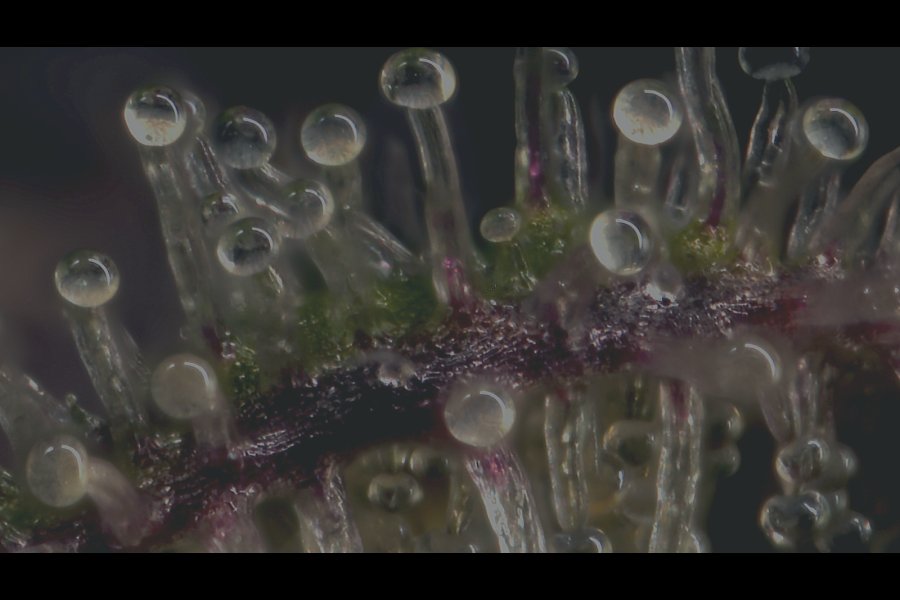
Terpenes, like the ones found in Lemon Kush, are diverse aromatic molecules that contribute to the strain's unique characteristics.
Visualizing Lemon Kush's Terpene Contributions
To better understand how these primary terpenes contribute to the overall experience of Lemon Kush, the radar chart below offers a visual representation of their relative impact on aroma and their potential uplifting versus relaxing effects. This is a generalized interpretation, as individual experiences can vary.
This chart illustrates Limonene's strong impact on aroma and uplifting potential, Myrcene's significant role in relaxation, and Beta-Caryophyllene's contribution to both aroma and calming effects, with Pinene and Humulene adding their distinct influences.
The Entourage Effect: Terpenes and Cannabinoids in Harmony
The concept of the "entourage effect" is crucial when discussing terpenes. This theory posits that cannabinoids (like THC and CBD) and terpenes work together synergistically, enhancing or modulating each other's effects. In Lemon Kush, the specific blend of Limonene, Beta-Caryophyllene, Myrcene, and other minor terpenes, interacts with the strain's cannabinoid content (which can range from 20-26% THC) to produce its characteristic balanced high – often described as happy, creative, and mellow. The uplifting qualities of Limonene might be tempered by the relaxing nature of Myrcene, while Beta-Caryophyllene adds its therapeutic potential. This complex interplay is what makes each cannabis strain, including Lemon Kush, a unique experience. Scientific research continues to explore these interactions, with studies available on platforms like PubMed Central discussing terpenes in cannabis and their pharmacological effects.
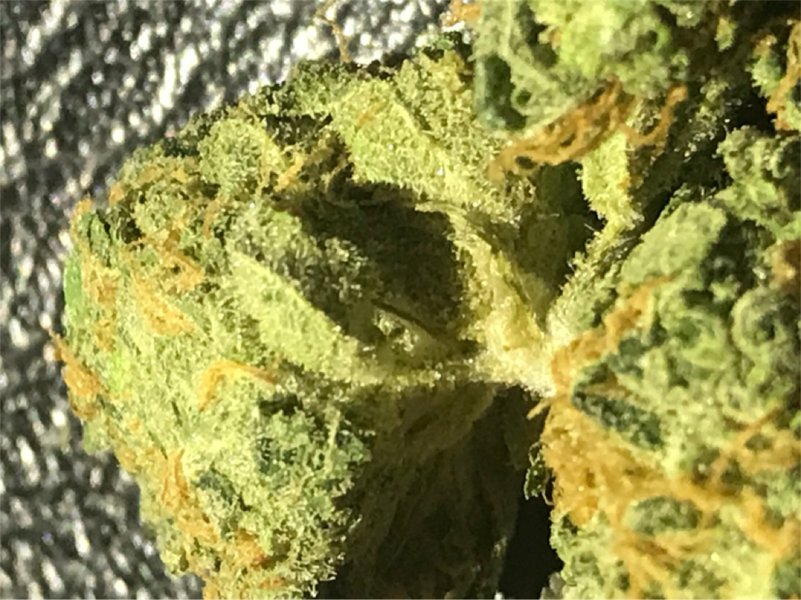
The vibrant appearance of Lemon Kush buds hints at their rich terpene content, particularly the prominent Limonene.
Connecting Terpenes to the Lemon Kush Experience
The mindmap below provides a visual overview of Lemon Kush's primary terpenes and their contributions to its overall profile, illustrating how these aromatic compounds shape the strain's identity from scent to sensation.
Zesty Lemon,
Sweet"] idLimoneneEffects["Effects: Uplifting,
Mood Enhancement,
Stress Relief, Energizing"] idCaryophyllene["Beta-Caryophyllene"] idCaryophylleneAroma["Aroma: Spicy, Peppery,
Woody, Earthy"] idCaryophylleneEffects["Effects: Anti-inflammatory,
Analgesic (Pain Relief),
Calming, CB2 Activator"] idMyrcene["Myrcene"] idMyrceneAroma["Aroma: Earthy, Musky,
Herbal, Slight Fruit (Mango-like)"] idMyrceneEffects["Effects: Relaxing, Sedative,
Calming, Enhances THC"] idPinene["Alpha-Pinene (Supporting)"] idPineneAroma["Aroma: Fresh Pine,
Sharp"] idPineneEffects["Effects: Alertness, Focus,
Memory Aid, Bronchodilator"] idHumulene["Alpha-Humulene (Supporting)"] idHumuleneAroma["Aroma: Earthy, Woody,
Hoppy"] idHumuleneEffects["Effects: Anti-inflammatory,
Appetite Suppressant (Potential)"] idOverall["Overall Lemon Kush Experience"] idOverallAroma["Aroma: Predominantly Lemon/Citrus
with Spicy & Earthy Undertones"] idOverallEffects["Effects: Balanced Hybrid -
Happy, Creative, Mellow,
Uplifted yet Relaxed"] idEntourage["The Entourage Effect"] idEntourageDesc["Synergistic interaction of terpenes
and cannabinoids (THC, CBD etc.)
shaping the complete experience."]
This mindmap highlights how each key terpene contributes unique aromatic notes and potential effects, culminating in the well-rounded and sought-after experience that Lemon Kush offers.
Summary Table of Key Lemon Kush Terpenes
For a quick reference, the table below summarizes the primary terpenes found in Lemon Kush and their main characteristics:
| Terpene | Typical Aroma | Associated Effects | Common Notes |
|---|---|---|---|
| Limonene | Strong citrus, lemon, orange zest | Mood elevation, stress relief, uplifting, energizing, anti-anxiety | Often the most dominant terpene in Lemon Kush. |
| Beta-Caryophyllene | Spicy, peppery, woody, cloves | Anti-inflammatory, pain relief, calming, anti-anxiety | Unique for interacting with CB2 receptors. |
| Myrcene | Earthy, musky, herbal, slightly fruity (mango) | Relaxing, sedative, calming, muscle relaxant, enhances THC effects | Contributes to the "Kush" earthiness. |
| Alpha-Pinene | Sharp pine, fresh, foresty | Alertness, focus, memory enhancement, bronchodilator, anti-inflammatory | Adds a fresh counterpoint to citrus and earth. |
| Alpha-Humulene | Earthy, woody, hoppy | Anti-inflammatory, appetite suppressant (potential), analgesic | Often found alongside Beta-Caryophyllene. |
It's important to remember that terpene profiles can vary. These are general characteristics based on typical findings for the Lemon Kush strain. For those interested in particular methods of enjoying these complex flavors, such as smoking prerolls, understanding the terpene profile is key to anticipating the aromatic experience and overall effects. Exploring products with clearly defined terpene profiles can greatly enhance your appreciation of strains like Lemon Kush.
Frequently Asked Questions (FAQ)
What exactly are terpenes and why are they important in Lemon Kush?
Terpenes are aromatic organic compounds found in many plants, including cannabis. In Lemon Kush, they are responsible for its distinctive citrusy aroma and flavor. Beyond scent, terpenes interact with cannabinoids (like THC and CBD) to modulate the strain's effects, contributing to the overall experience through the "entourage effect." Understanding Lemon Kush's terpenes, such as Limonene, Beta-Caryophyllene, and Myrcene, helps predict its potential effects, from mood elevation to relaxation.
Which terpene is most responsible for Lemon Kush's signature lemon aroma?
Limonene is the terpene primarily responsible for Lemon Kush's characteristic bright, zesty, and refreshing lemon scent. It's typically the most abundant terpene in this strain and is also commonly found in the rinds of citrus fruits.
How do the different terpenes in Lemon Kush contribute to its overall effects?
Lemon Kush's terpenes create a balanced effect. Limonene often contributes to uplifting, mood-enhancing, and stress-relieving sensations. Beta-Caryophyllene may add anti-inflammatory and calming physical effects due to its interaction with CB2 receptors. Myrcene typically brings relaxing and sedative qualities. Together with minor terpenes like Pinene (alertness) and Humulene (anti-inflammatory), they produce Lemon Kush's signature happy, creative, yet mellow high.
Can the terpene profile of Lemon Kush vary?
Yes, absolutely. While the general profile (Limonene-dominant with Caryophyllene and Myrcene) is characteristic of Lemon Kush, the exact concentrations of terpenes can vary significantly based on factors like the specific genetic phenotype, growing conditions (soil, light, nutrients), harvesting time, and curing methods. This is why one batch of Lemon Kush might have a slightly different aroma or nuance in effects compared to another.
Apart from aroma and effects, do terpenes in Lemon Kush offer any other benefits?
Many terpenes, including those found in Lemon Kush, are being studied for various potential therapeutic benefits. For instance, Limonene has shown potential anti-anxiety and antidepressant properties in some research. Beta-Caryophyllene is well-regarded for its anti-inflammatory and analgesic (pain-relieving) effects. Myrcene may act as a muscle relaxant and sedative. While more research is needed, the therapeutic potential of terpenes is a growing area of interest in cannabis science.
Recommended Further Exploration
- How does the entourage effect enhance the benefits of Lemon Kush terpenes?
- What are the differences in terpene profiles between Lemon Kush and other lemon-scented cannabis strains?
- Can growing conditions significantly alter the primary terpenes in Lemon Kush?
- What are the best consumption methods to fully experience Lemon Kush's terpene profile?
References
 theganjagoddessblog.wordpress.com
Last updated May 8, 2025