
Current Status of Lettuce Production in the Philippines
Comprehensive Overview of Trends, Challenges, and Innovations
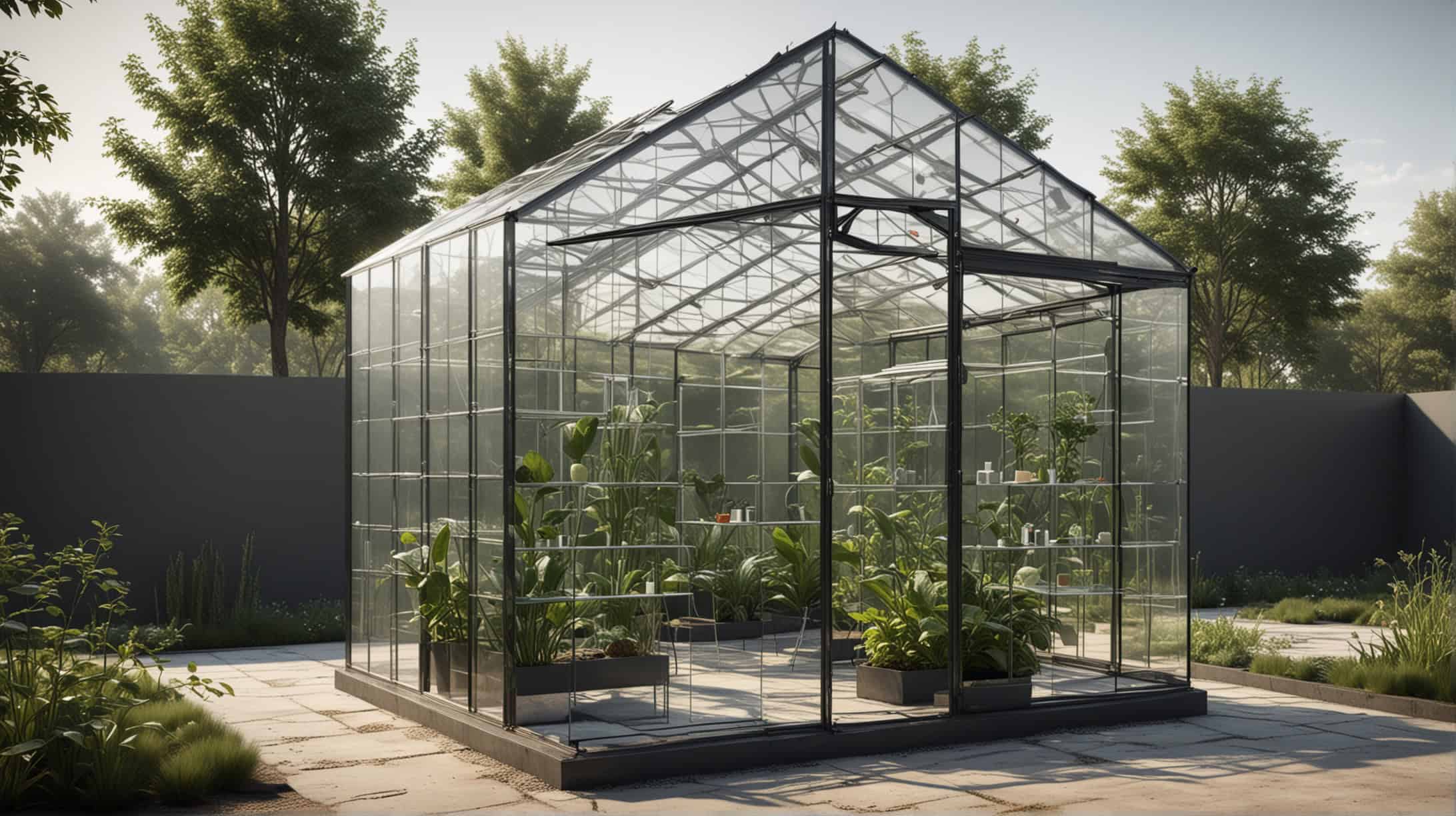
Key Highlights
- Steady Production Growth: Despite market fluctuations, overall production is trending upward with innovative farming techniques.
- Modern Cultivation Techniques: Indoor vertical farming, hydroponics, and greenhouse methods drive consistent yield improvement.
- Geographical and Climatic Challenges: Optimal production is concentrated in cooler highland regions, while technology mitigates tropical climate adversities.
Production Trends and Forecast
Overview of Production Volume
Lettuce production in the Philippines has experienced a progressive upward trend over the past decade, spurred by both market demand and continuous improvements in agricultural practices. Although there was a slight contraction reflected in the market value—amounting to approximately $16 million due to various factors—production volumes have been buoyed by innovative cultivation strategies and a focus on quality. In recent years, production data indicate that the country recorded an impressive increase, reaching approximately 4.9 thousand metric tons in 2022, with production values recording around 4.58 thousand metric tons in 2023.
Looking ahead, forecasts for the next few years suggest modest but steady increases. For instance, projections indicate an estimated growth of 1.72% in 2025 with further incremental rises of around 1.69% in 2026, 1.66% in 2027, and 1.63% in 2028. The gross production value is also set to grow, reaching nearly 1.95 million US Dollars PPP by 2025. This gradual but stable increase highlights the underlying resilience and potential of the lettuce production sector in the country.
Year-by-Year Production Overview
| Year | Volume (Metric Tons) | Growth Rate (%) | Market Value (USD Millions / PPP) |
|---|---|---|---|
| 2022 | 4.9K | ~8% | - |
| 2023 | 4.58K (approx.) | Minor fluctuations | - |
| 2025 (Forecast) | ~4.66K | 1.72% | ~1.95 (US Dollars PPP) |
| 2026 (Forecast) | Increased marginally | 1.69% | - |
| 2027 (Forecast) | Slight rise | 1.66% | - |
| 2028 (Forecast) | Incremental growth | 1.63% | - |
Modern Cultivation Techniques and Innovations
Technological Advancements in Lettuce Farming
The Philippine agricultural sector has been gradually incorporating advanced technologies to overcome climatic and geographic challenges. Traditional methods are continually being supplemented by modern approaches like hydroponics, greenhouse cultivation, and indoor vertical farming. One notable example is the use of Intelligent Green Boxes – a form of controlled-environment agriculture where container vans or dedicated indoor structures enable precise temperature, humidity, and light regulation. This innovation not only helps in optimizing yields but also mitigates the detrimental effects of the tropical climate, which is typically adverse to lettuce—a crop that thrives in cooler environments.
Modern indoor farming techniques are becoming increasingly popular, notably in regions where traditional methods might be less effective due to high humidity and intense rainfall. Such methods include:
- Hydroponics: Soil-less cultivation tailored to minimize environmental risks and maximize resource use efficiency.
- Greenhouse Cultivation: Utilization of controlled environments with tunnel structures or actual greenhouses to protect crops from pests and adverse weather conditions.
- Indoor Vertical Farming: Multi-layered farming within indoor facilities allowing for high-density production and year-round harvests.
The use of these techniques ensures a higher survival rate, consistent quality, and an overall boost in production stability regardless of external climatic variations.
Economic Incentives and Profitability
The integration of advanced farming practices provides economic benefits for farmers. Under controlled greenhouse conditions, for instance, yields tend to be significantly higher, which directly boosts profitability. In a scenario where a 150 square meter greenhouse farm is utilized, operations during the wet season have shown a net income of approximately ₱48,533.33. These economic incentives not only help stabilize the local market but also encourage the adoption of more sustainable farming methods.
Furthermore, the modernization of agriculture supports the overall competitiveness of the Philippine lettuce sector. Even though challenges persist—especially in lowland areas due to the tropical environment—innovative methods ensure that production remains efficient. This sustained focus on modernization has caught the attention of both domestic consumers and international markets, likely setting the stage for improved export potential in the future.
Geographical Distribution and Climatic Considerations
Ideal Production Regions
Given the tropical climate of the Philippines, lettuce production thrives primarily in cooler, highland areas where temperatures are more favorable. The Cordillera region, including areas such as Benguet and the Mountain Province, provides an optimal environment for growing lettuce successfully. These regions, with their cooler temperatures and steady rainfall, allow for higher-quality yields when supplemented with appropriate modern techniques.
Even in geographical regions where traditional outdoor farming is not feasible because of high temperatures or heavy rains, farmers are now utilizing protected cultivation technologies such as greenhouses and tunnel structures. These controlled systems help moderate microclimates, reduce the risk of bolting (premature flowering), and combat pests, ensuring a consistent production cycle.
Challenges Posed by the Tropical Climate
The typical tropical climate in the Philippines presents several challenges for crops like lettuce, which prefer cooler conditions. High ambient temperatures, intense rains, and humidity can lead to bolting, pest infestations—including armyworms—and overall reduced crop quality. Each of these issues requires targeted solutions:
- Temperature Control: Using tunneling techniques and indoor systems helps mitigate high-temperature exposure.
- Pest Management: Controlled environments and integrated pest management strategies reduce the need for chemical interventions.
- Resource Optimization: Enhanced irrigation and nutrient management in systems like hydroponics ensure that plants receive optimal resources despite external climatic swings.
Market Dynamics and Trade Insights
Domestic Market Trends
In the domestic market, lettuce remains a staple ingredient in many households, driven by a growing number of health-conscious consumers. While the market value showed minor fluctuations—such as a slight dip to around $16 million in 2024—the trend in actual production volumes continues to be upward. This is indicative of farmers’ ability to adapt through the adoption of innovative techniques and improved crop management practices.
The focus on sustainability and quality also plays a crucial role in maintaining the local market's competitiveness, with organic and locally grown lettuce increasingly preferred by discerning consumers.
Imports and Export Dynamics
Although the Philippines primarily focuses on meeting domestic demand, there is also a component of international trade that shapes the industry. In 2023, for example, the nation imported lettuce worth approximately $427,000 from countries like China, Australia, France, and Brazil. This import reliance indicates that while local production is robust, there remains a gap in supply, particularly during off-peak production seasons affected by climatic factors.
Given the current scale of production, which positions the Philippines modestly in the global ranking, there is significant potential for future export opportunities if domestic production efficiencies continue to increase. However, current market strategies remain heavily focused on stabilizing domestic supplies and gradually reducing the reliance on imports.
Challenges and Opportunities in Lettuce Production
Principal Challenges
The journey of lettuce production in the country is not without hurdles:
- Adverse Tropical Conditions: The natural environment presents challenges, such as high temperatures and excessive humidity, which can lead to crop stress.
- Pest and Disease Management: The prevalence of pests like armyworms and the risk of fungal diseases demand constant vigilance and adaptive strategies.
- Infrastructure and Investment: Scaling modern farming methods like vertical farming systems requires initial capital and robust support systems, which can be a barrier for smallholder farmers.
Emerging Opportunities
On the flip side, the continuous adoption of modern agricultural practices opens several opportunities for the sector:
- Integration of Controlled Environment Agriculture: Techniques such as greenhouse farming, intelligent green boxes, and hydroponics allow for year-round production and enhanced crop consistency.
- Technological Investment and Skill Development: As farmers adapt to new methodologies, the transfer of knowledge and investment in technology propels the entire sector forward, positioning the Philippines as a potential model for sustainable agriculture in tropical regions.
- Market Diversification: With increasing demand for organic and high-quality produce, there is room for premium pricing and potentially expanding export markets, provided that production reliability continues to improve.
Comparative Analysis of Production Techniques
Traditional vs. Modern Farming
A comparative analysis of the traditional and modern approaches to lettuce production highlights significant distinctions:
| Aspect | Traditional Methods | Modern Techniques |
|---|---|---|
| Cultivation Environment | Open field; subject to extreme weather fluctuations | Indoor vertical farms, greenhouses, controlled environments |
| Yield Consistency | Variable yields due to environmental changes | More stable yields with regulated climate and nutrient inputs |
| Resource Management | Traditional irrigation and nutrient management | Optimized use of water, fertilizers, and energy through advanced systems |
| Pest Control | Reliance on chemical pesticides and manual monitoring | Integrated pest management and controlled pest exposure in climate-controlled settings |
| Economic Impact | Lower initial investment but limited scalability | Higher initial costs offset by increased yield and profit margins |
The table above illustrates the fundamental differences between these approaches, emphasizing that while traditional methods are still in use, modern techniques are paving the way for increased productivity and economic sustainability.
Policy and Government Support
Support Mechanisms for Farmers
The Philippine government and various agricultural organizations have recognized the need to boost the vegetable sector, including lettuce production. Initiatives such as the Philippine Vegetable Industry Roadmap for 2021-2025 have emphasized the integration of modern agricultural practices, the reduction of post-harvest losses, and the support for organic farming methods. These policies not only help in capitalizing on current market trends but also ensure that the farmers receive the technical as well as financial support necessary to transition to more efficient farming methods.
Such support mechanisms include training programs, subsidies for equipment upgrades, and partnerships with research institutions to develop locally adaptable agricultural technologies. These policies are designed to fortify the resilience of the production chain, ensuring that the country can maintain steady output despite external challenges.
References
- Forecast: Chicory and Lettuce Production - ReportLinker
- Philippines Lettuce and Chicory Market Report 2025 - IndexBox
- Technology Assures Leyte Lettuce Growers - PNA
- Modern Cultivation Techniques in Lettuce Farming - ISHS
- Trends of Fresh Lettuce Production in the Philippines - Tridge
Recommended Related Queries
Last updated March 17, 2025