
Applications of Lidar Wind Profilers in Naval Operations
Enhancing Naval Efficiency and Safety through Advanced Wind Measurement Technology
Key Takeaways
- Operational Excellence: Lidar wind profilers provide precise wind data critical for mission planning, enhancing the safety and efficiency of naval operations.
- Environmental Intelligence: Continuous atmospheric monitoring enables the Navy to better understand and react to environmental changes, supporting both immediate operational needs and long-term strategic planning.
- Technological Integration: Advanced lidar systems seamlessly integrate with existing naval technologies, offering high-resolution data that supports a wide range of applications from missile defense to autonomous systems.
Introduction to Lidar Wind Profilers
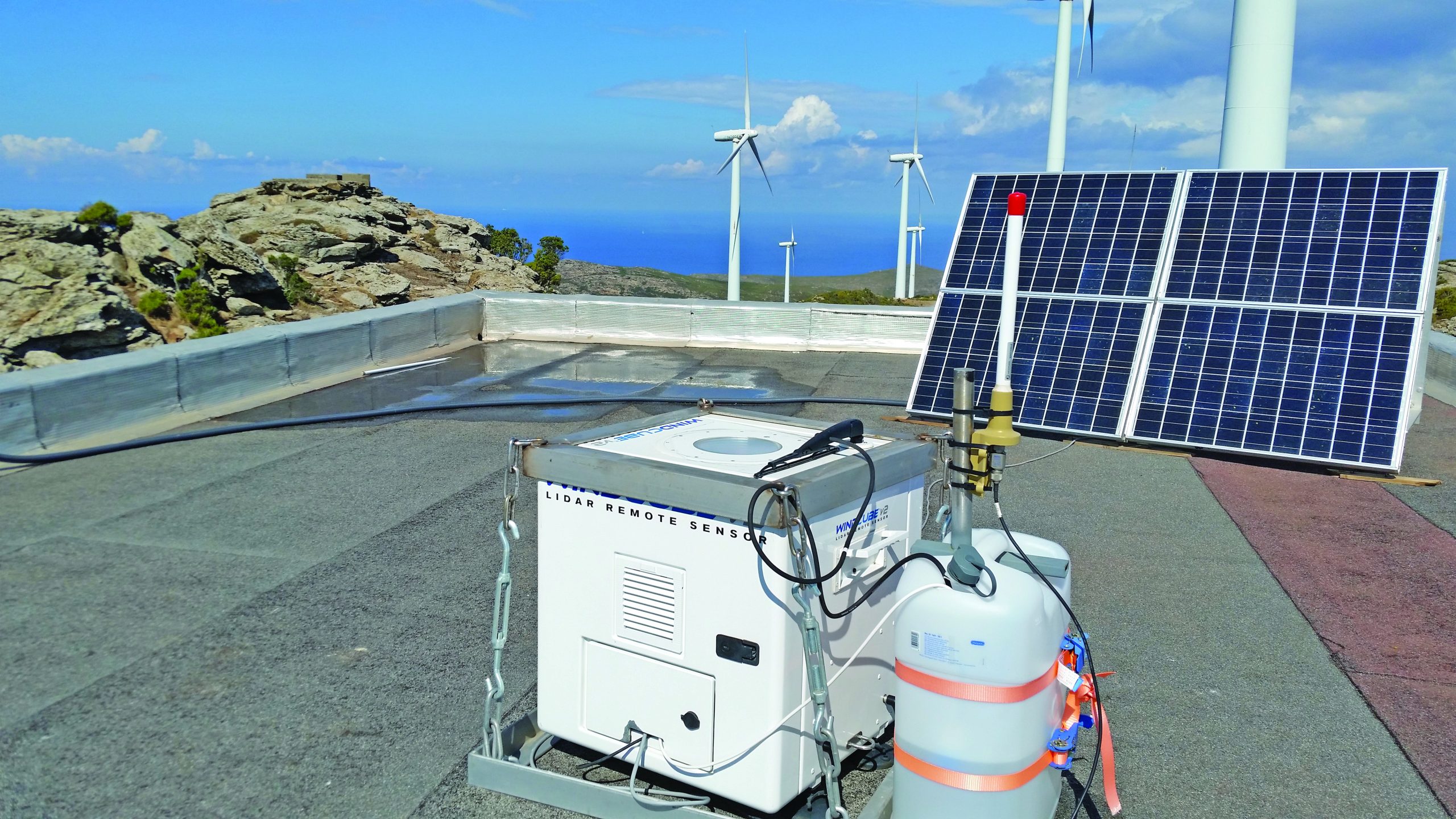
Lidar (Light Detection and Ranging) wind profilers are sophisticated remote-sensing instruments that utilize laser pulses to measure wind speed and direction across various altitudes. These devices are pivotal in providing high-resolution wind data essential for diverse naval operations. The Navy's adoption of lidar technology underscores its commitment to leveraging advanced tools to enhance operational capabilities, safety, and strategic planning.
Operational Planning and Safety
Enhancing Mission Planning and Execution
Accurate wind data is indispensable for the planning and execution of naval missions. Lidar wind profilers enable the Navy to obtain precise measurements of wind speed and direction, which are crucial for activities such as aircraft takeoffs and landings on carriers. By providing real-time wind profiles, these systems help in forecasting weather conditions that could impact the safety of naval personnel and the success of operations.
Aircraft Operations
Carrier-based aircraft and helicopters rely heavily on wind data for safe takeoffs and landings. Lidar wind profilers supply detailed wind profiles that allow for better assessment of low-level turbulence and wind shear, thereby enhancing the safety and efficiency of airborne operations.
Ship Maneuvering
For maneuvering large naval vessels, understanding wind conditions is critical. Lidar systems provide continuous wind data, enabling precise navigation and positioning of ships, which is especially important during complex operations such as amphibious landings or coordinated fleet movements.
Environmental Monitoring and Climate Research
Continuous Atmospheric Data Collection
The Navy utilizes lidar wind profilers to monitor atmospheric conditions, contributing to both operational intelligence and environmental research. These systems collect vast amounts of data on wind patterns and atmospheric changes, which are essential for understanding weather phenomena and long-term climate trends.
Atmospheric Profiling
Lidar wind profilers measure wind speed and direction across different altitudes, providing a comprehensive vertical profile of the atmosphere. This high-resolution data supports meteorological analyses and enhances the Navy's ability to predict and respond to weather-related challenges.
Long-Term Climate Studies
By continuously monitoring wind patterns and atmospheric conditions, the Navy contributes valuable data to climate research. This information aids in the study of climate change impacts on maritime operations and helps in the development of adaptive strategies for future naval activities.
Technological Integration and Advancement
Seamless Integration with Naval Systems
Lidar wind profilers are designed to integrate seamlessly with existing naval technologies, enhancing situational awareness and operational effectiveness. The ability to combine wind data with other sensor systems, such as radar and optical sensors, provides a holistic view of the operational environment.
Sensor Fusion
Integrating lidar wind data with radar and other sensor inputs allows for more accurate situational awareness. This fusion of data supports various applications, including missile trajectory analysis, surveillance, and real-time decision-making during missions.
Autonomous and Remote Systems
Unmanned aerial and surface vehicles benefit from real-time wind data provided by lidar systems. This information enables these autonomous systems to adjust flight paths, stabilize operations, and optimize energy consumption, enhancing their effectiveness in missions where human intervention is limited or impractical.
Strategic and Tactical Applications
Supporting Defense and Surveillance Operations
Lidar wind profilers play a crucial role in supporting strategic defense operations and enhancing surveillance capabilities. By providing detailed wind profiles, these systems contribute to the accuracy of ballistic missile trajectories and improve the effectiveness of interception systems.
Ballistic Missile Defense
Accurate wind data at various altitudes are essential for predicting the trajectories of ballistic missiles. Lidar profilers supply the necessary atmospheric information to model and anticipate missile paths, thereby enhancing the Navy's missile defense systems and interception strategies.
Surveillance Enhancement
Integrating lidar systems with other surveillance technologies provides a comprehensive understanding of the air-sea interface. This integration is vital for effective monitoring and defense against potential threats, ensuring that the Navy maintains a strategic advantage in maritime environments.
Ship-Based Operations
Improving Navigation and Mission Planning
Lidar wind profilers are deployed on naval vessels to gather critical wind data, which aids in navigation and mission planning. These systems are designed to function reliably even in challenging maritime conditions, providing continuous and accurate wind profiles necessary for safe and efficient vessel operations.
Navigation Support
Accurate wind measurements are essential for plotting safe and efficient courses for naval ships. Lidar systems provide real-time wind data that inform navigational decisions, helping to avoid adverse weather conditions and ensuring the smooth execution of missions.
Mission Planning
For complex naval missions, such as amphibious landings or coordinated fleet movements, precise wind data is crucial for planning and execution. Lidar wind profilers supply the necessary information to optimize mission parameters, enhancing the overall effectiveness and success rate of operations.
Technical Capabilities and Advantages
High-Resolution and Reliable Wind Data
Lidar wind profilers are equipped with advanced technological features that enable them to deliver high-resolution wind data with exceptional accuracy. These capabilities make them invaluable tools for naval applications where precise environmental data is critical.
| Technical Feature | Benefit |
|---|---|
| 2D and 3D Wind Vector Measurement | Provides comprehensive wind profiles, enhancing situational awareness and operational planning. |
| High Spatial and Temporal Resolution | Allows for real-time monitoring and rapid response to changing wind conditions. |
| Portability and Remote Sensing | Enables deployment in various maritime environments, including remote and challenging locations. |
| Non-Intrusive and Passive Measurements | Reduces maintenance risks and ensures reliability in hostile marine environments. |
| Advanced Motion Compensation | Maintains data accuracy despite vessel movement, ensuring consistent wind measurements. |
Challenges and Considerations
Addressing Operational and Environmental Challenges
While lidar wind profilers offer numerous advantages, their deployment in naval operations comes with specific challenges that must be addressed to ensure optimal performance and data integrity.
Platform Motion Compensation
Naval vessels are subject to constant motion due to waves and maneuvers. Lidar systems must incorporate advanced stabilization techniques and data correction algorithms to compensate for this motion, ensuring that wind measurements remain accurate and reliable.
Atmospheric Attenuation
Marine environments often contain varying levels of aerosols and water vapor, which can affect the strength and clarity of lidar signals. Effective calibration and adaptive signal processing are necessary to mitigate these effects and maintain high-quality data collection.
System Integration
Ensuring seamless integration of lidar wind profilers with existing naval sensor networks and command systems is crucial for maximizing their utility. Compatibility with other technologies enhances the overall effectiveness of operational data and supports comprehensive situational awareness.
Future Developments and Research
Advancing Lidar Technology for Naval Applications
The Navy continues to invest in the research and development of lidar wind profiler technology, aiming to enhance its capabilities and expand its applications. Ongoing advancements focus on improving measurement accuracy, extending operational ranges, and integrating new functionalities to meet evolving naval requirements.
Enhanced Measurement Accuracy
Future developments aim to refine lidar systems to achieve even higher precision in wind measurement, reducing margins of error and increasing the reliability of data used in critical naval operations.
Extended Operational Range
Research is focused on expanding the effective range of lidar wind profilers, enabling the Navy to gather wind data over larger areas and at greater distances, thereby supporting broader operational and strategic initiatives.
Integration with Emerging Technologies
Integrating lidar systems with emerging naval technologies, such as artificial intelligence and machine learning, is a key area of development. These integrations aim to enhance data analysis capabilities, automate decision-making processes, and improve overall system responsiveness.
Conclusion
Lidar wind profilers represent a significant technological advancement for the Navy, providing accurate and high-resolution wind data crucial for a wide range of naval operations. From enhancing operational planning and safety to supporting environmental monitoring and strategic defense applications, these systems offer multifaceted benefits that contribute to the Navy's mission effectiveness. As lidar technology continues to evolve, its integration into naval operations will undoubtedly play a pivotal role in shaping the future of maritime defense and operational excellence.
References
Last updated February 14, 2025