
Life on Modified Ceres: A Comprehensive Analysis
Understanding Human Existence in a Rotating Space Colony
Key Takeaways
- Gravity Stratification: Modified Ceres features distinct gravity zones, each influencing living conditions and social structures.
- Extensive Infrastructure: An intricate tunnel network supports transportation, habitation, and industrial activities across the colony.
- Social and Health Challenges: Stratified living conditions and low gravity present unique physiological and societal challenges for inhabitants.
Introduction
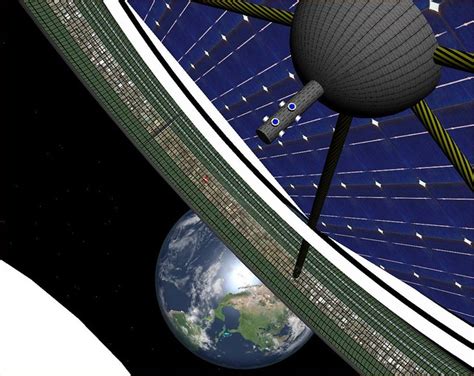
The concept of human habitation on celestial bodies has long fascinated scientists and visionaries alike. Modified Ceres, a rotating space colony, represents a pinnacle of engineering and societal design, aiming to support a population of 12 million individuals. This analysis delves into the multifaceted aspects of life on Modified Ceres, examining its physical environment, infrastructure, social stratification, and the myriad challenges and adaptations required for sustainable human existence.
Physical Environment and Gravity Zones
Gravity Stratification
Modified Ceres employs rotational dynamics to create artificial gravity through centrifugal force. The rotation period of 41.7 minutes results in varying gravity levels across different latitudes, profoundly affecting daily life:
| Location | Effective Gravity | Living Conditions |
|---|---|---|
| Equatorial Region | 0.3g | Premium housing, luxury amenities, spacious living areas |
| Mid-Latitudes | 0.15-0.25g | Middle-class housing, mixed-use facilities, public services |
| Low Gravity Zones | 0.05-0.15g | High-density housing, industrial zones, basic amenities |
| Near-Zero-G Zones | ~0g | Industrial operations, storage facilities, unofficial settlements |
Physiological Implications
The varying gravity levels necessitate significant physiological adaptations among inhabitants. In the equatorial region with 0.3g, residents experience a semblance of Earth-like gravity, reducing the strain on muscles and bones. However, even at this level, prolonged exposure may lead to gradual muscle atrophy and bone density loss, requiring regular exercise regimens and possible pharmacological interventions.
In mid-latitudes and low gravity zones, the effects are more pronounced. Muscle and bone deterioration accelerate, compelling inhabitants to engage in more rigorous physical activities or utilize artificial gravity solutions within their living spaces. Near-zero-g zones present severe challenges, as the lack of substantial gravity leads to significant physiological degradation, making long-term habitation untenable without advanced medical support.
Infrastructure and Tunnel Network
Comprehensive Tunnel Systems
Modified Ceres boasts an extensive tunnel network spanning approximately 222,949 kilometers, meticulously designed to support transportation, habitation, and industrial operations. The primary tunnel systems include:
- Equatorial Main Tunnel: A 500-meter diameter tunnel encircling the equator, serving as the hub for elite housing and major commercial zones.
- Rotational Axis Tunnel: A 500-meter diameter tunnel running pole to pole, facilitating transportation and industrial activities.
- Longitudinal Tunnels: 24 tunnels spaced every 15 degrees of longitude, each 100 meters in diameter, connecting various gravity zones.
- Latitudinal Ring Tunnels: 12 tunnels encircling the colony at specific latitudes, with diameters varying from 100 meters to 500 meters near the poles.
Secondary and Support Networks
Supplementing the primary tunnels are secondary networks including cross-bracing tunnels (48 tunnels, 50 meters in diameter) and support tunnels exceeding 200 in number with diameters ranging from 25 to 50 meters. These networks provide structural reinforcement, maintenance access, and emergency evacuation routes, ensuring the colony's resilience against potential structural stresses and external threats.
Transportation Systems
The tunnel networks are integrated with advanced transportation systems such as maglev trains, transport pods, and express elevators. These facilitate seamless movement of personnel and cargo across vast distances within the colony. The equatorial and axial tunnels serve as primary corridors, while longitudinal and latitudinal tunnels cater to specific gravity zones and industrial sectors.
Population Distribution and Social Stratification
Social Classes and Living Conditions
The population of Modified Ceres is meticulously stratified based on social class and the corresponding gravity zones:
- Elite Class (300,000): Residing in the equatorial main tunnels, they enjoy spacious living areas (500-5,000 m² per person), full services, and luxury amenities. Their living conditions are optimal, with access to premium commercial facilities and climate-controlled environments.
- Middle Class (1,000,000): Located in equatorial support tunnels and mid-latitude zones, members of this class live in moderately sized spaces (50-200 m² per person) with good services and facilities. They primarily comprise administrative staff and skilled workers.
- Working Class (7,000,000): Predominantly situated in low gravity zones, these individuals reside in high-density housing (10-15 m² per person) with basic amenities. Their environment is functional, focusing on industrial labor and infrastructure maintenance.
- Undocumented Population (3,700,000): Scattered across fringe areas, they live in minimal spaces (3-8 m² per person) with makeshift services. This group often relies on informal markets and may face limited access to essential resources.
Functional Zoning
The colony's functional zoning ensures that residential areas, commercial zones, and industrial sectors are strategically placed to optimize efficiency and resource distribution:
- Residential Zones: Tailored to each social class, from spacious elite housing to high-density working-class accommodations.
- Commercial Areas: Major commercial hubs are located within the equatorial tunnels, while secondary and local commercial facilities are distributed across smaller tunnel intersections.
- Industrial Zones: Heavy industries are concentrated in axial tunnels, with lighter manufacturing and processing operations spread across longitudinal and latitudinal tunnels.
- Infrastructure: Utilities, maintenance access, and emergency routes are embedded within support tunnel networks to ensure seamless operations and rapid response capabilities.
Daily Life and Infrastructure
Transportation and Mobility
The advanced transportation infrastructure on Modified Ceres enables efficient movement across the sprawling colony:
- Maglev Systems: High-speed maglev trains traverse primary tunnels, reducing travel time between distant sections.
- Transport Pods: Automated pods facilitate short-distance travel within local areas, enhancing accessibility within residential and commercial zones.
- Express Elevators: Vertical transport systems rapidly connect different levels of the tunnel network, crucial for accessing high-density living areas and industrial floors.
Life Support Systems
Maintaining a habitable environment within Modified Ceres relies on sophisticated life support systems:
- Air Processing: Complete air refresh cycles occur 12 times daily, ensuring a consistent supply of breathable air. Quality varies by zone, with elite areas receiving the highest standards of air purification.
- Water Recycling: Daily water usage reaches 905.5 million liters, necessitating near-perfect recycling systems to sustain the population.
- Waste Management: Advanced waste recycling technologies convert waste into usable resources, minimizing environmental impact and ensuring sustainability.
- Environmental Control: Climate control systems maintain stable temperature and humidity levels, with microclimates adjusted to suit different gravity zones and population densities.
Social Dynamics and Stratification
The rigid social stratification within Modified Ceres fosters distinct community dynamics:
- Elite Communities: Enjoy unimpeded access to luxury services, recreational facilities, and advanced healthcare, fostering a sense of exclusivity and privilege.
- Middle-Class Neighborhoods: Balance practical living with occasional luxuries, maintaining a stable middle ground between the elite and working classes.
- Working-Class Enclaves: Emphasize functionality over comfort, with communal dining areas and shared utilities fostering community cohesion amidst challenging living conditions.
- Undocumented Settlements: Often marginalized, these areas may give rise to underground economies and informal governance structures, reflecting the diversity of human adaptability.
Challenges and Adaptations
Physiological Health Concerns
Prolonged exposure to low gravity environments presents significant health challenges:
- Muscle Atrophy and Bone Density Loss: Residents must engage in regular physical exercise and utilize artificial gravity solutions to mitigate the adverse effects of reduced gravity on musculoskeletal health.
- Circulatory Issues: Lower gravity can affect blood circulation, necessitating medical interventions and monitored health regimens.
- Artificial Gravity Solutions: Incorporating technology to simulate Earth-like gravity in living and working spaces can help maintain physical health and improve overall quality of life.
Resource Management
Efficient resource utilization is paramount in sustaining the colony:
- Water Recycling: With daily consumption at 905.5 million liters, near-perfect recycling systems are essential to prevent scarcity and ensure continuous supply.
- Air Quality Maintenance: Rigorous air processing systems must filter pollutants and maintain oxygen levels, particularly in high-density living areas.
- Power Distribution: A robust 88.7 GW power system, comprised of nuclear and advanced renewable sources, underpins all colony operations, requiring meticulous management to prevent outages and ensure reliability.
Structural Integrity and Maintenance
The engineered tunnel network and structural components must withstand rotational forces and centrifugal stress:
- Material Fatigue: Continuous exposure to rotational stress necessitates the use of advanced materials with high durability and resistance to fatigue.
- Regular Maintenance: Ongoing inspections and repairs are critical to address wear and tear, ensuring the longevity and safety of the infrastructure.
- Advanced Construction Techniques: Integrating multiple layers of structural support and utilizing modular designs can enhance the resilience of the colony against potential structural failures.
Psychological and Social Challenges
The confined and stratified environment can lead to significant psychological stress:
- Claustrophobia and Anxiety: Living in enclosed spaces with limited exposure to natural environments may contribute to mental health issues, necessitating robust psychological support systems.
- Social Tensions: Stratified living conditions can exacerbate class divisions, leading to potential conflicts and social unrest.
- Community Support: Implementing virtual reality access, communal recreation centers, and mental health services can help alleviate psychological stress and foster a sense of community.
Opportunities and Innovations
Technological Advancements
The unique challenges of life on Modified Ceres drive innovation in various technological domains:
- Recycling Technologies: Enhancements in water and waste recycling improve sustainability and reduce dependency on external resource inputs.
- Energy Management: Advanced power distribution systems ensure efficient energy use and support the colony's extensive infrastructure.
- Habitat Engineering: Modular and adaptable living spaces allow for flexibility in accommodating varying population densities and social needs.
Scientific Research and Development
The colony serves as a hub for scientific research, particularly in areas related to human adaptation to low gravity and closed environments:
- Biomechanical Studies: Understanding how reduced gravity affects human physiology can inform future space colonization efforts and medical interventions.
- Environmental Control Systems: Research into efficient air, water, and waste management systems contributes to advancements in sustainable living technologies.
- Engineering Innovations: Developing materials and construction techniques capable of withstanding rotational stresses enhances the feasibility of large-scale space habitats.
Cultural and Societal Evolution
The confined and stratified nature of the colony fosters the development of unique cultural practices and societal structures:
-
Community Cohesion: Shared living conditions within social classes encourage the formation of tight-knit communities with distinct cultural identities.
-
Adaptive Governance: Governance structures must adapt to manage diverse population needs and mitigate social tensions effectively.
-
Cultural Diversity: The multi-class environment promotes a rich tapestry of cultural expressions, reflecting the adaptability and resilience of the human spirit in space colonization contexts.
Conclusion
Life on Modified Ceres embodies a blend of advanced engineering, intricate social structures, and human resilience. The rotational dynamics create distinct gravity zones that influence not only the physical experiences of inhabitants but also their social interactions and daily routines. The extensive tunnel network and robust infrastructure support a complex and stratified society, where each class navigates unique challenges and opportunities. While the colony presents formidable physiological, psychological, and structural challenges, it also stands as a testament to human ingenuity and adaptability in the quest for sustainable extraterrestrial living. The lessons learned from habitation on Modified Ceres will undoubtedly inform future endeavors in space colonization, paving the way for humanity's expansion beyond Earth.
References
- Modified Ceres Physical Characteristics
- Comprehensive Tunnel Network Configuration
- Population Distribution and Social Stratification
Last updated January 19, 2025