
Lifecycle Cost Analysis for Trenchless Technology
A comprehensive overview of economic, environmental, and social impacts
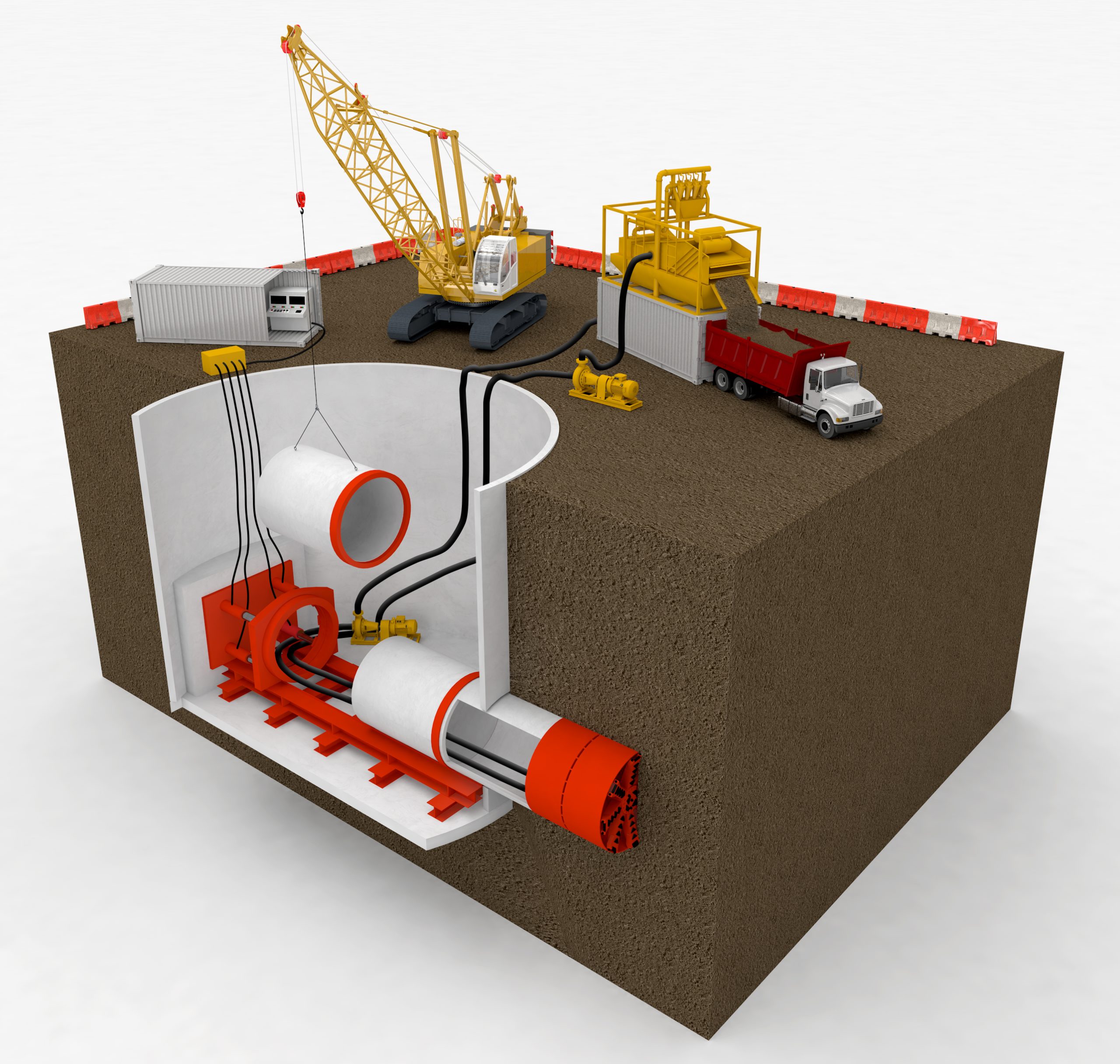
Key Highlights
- Long-Term Economic Benefits – Trenchless methods offer lower maintenance and operational costs despite higher initial expenditures.
- Environmental and Social Advantages – Minimal disruption, reduced environmental impact, and fewer community disturbances.
- Comparative Cost Efficiency – Advanced lifecycle cost analysis enables comparison against traditional open-cut methods leading to informed decision-making.
Introduction
Lifecycle Cost Analysis (LCCA) has become a pivotal tool in evaluating infrastructure projects, particularly when comparing trenchless technology to traditional methods such as open-cut excavation. LCCA intends to provide a comprehensive framework that incorporates not only initial construction costs but also long-term operational, maintenance, environmental, and socio-economic impacts. This detailed analysis facilitates decision-making by highlighting the advantages and challenges associated with each construction method.
Fundamental Components of LCCA
Initial Investment Costs
Initial costs comprise the upfront expenditures required to deploy the trenchless technology. This can include equipment purchase or rental, specialized materials, and the labor cost linked to employing skilled technicians. Although these initial costs tend to be higher than those required for open-cut methods, the subsequent long-term savings often justify the premium. Notably, advanced materials like Perma-liner and high-quality epoxy resins, which are integral to some trenchless methods, offer performance lifespans that can exceed 50 years, thereby mitigating future replacement or repair expenses.
Components Considered in Initial Costs
- Equipment and Materials: Specialized machinery and high-grade materials are needed in trenchless technology, contributing to a higher upfront cost.
- Skilled Labor: The need for training and advanced skills increases labor costs; however, it also guarantees precision and reliability during installation.
Operational and Maintenance Costs
One of the most significant advantages of trenchless technology lies in its reduced operational and maintenance costs. Due to minimal surface disruption and the inherent durability of trenchless installations, these systems often experience lower daily costs compared to traditional methods. Reduced physical wear and a lowered propensity for environmental damage diminish the necessity for frequent maintenance, thereby contributing to long-term cost efficiency. As these technologies continue to mature, predictive maintenance tools, sometimes augmented by machine learning techniques, are increasingly being integrated to optimize maintenance schedules and further reduce costs.
Key Aspects of Operational Efficiency
- Durability: The materials used in trenchless technology can often withstand corrosive elements, thereby extending the service life of the pipelines.
- Predictive Maintenance: Advanced monitoring systems ensure early detection of potential issues, allowing for timely intervention and preempting significant repair costs.
Environmental Costs
Traditional open-cut methods typically involve extensive excavation, leading to significant environmental disturbances that include soil degradation, ecosystem disruption, and a higher overall carbon footprint. In contrast, trenchless technology is known for its reduced environmental impact. By eliminating the need for widespread digging, trenchless methods minimize land disturbance and decrease the demand for restoration post-construction. Furthermore, reduced vehicular traffic and lower noise emissions benefit nearby communities, thereby reducing social costs as well.
Environmental Benefits Over Time
- Reduced Soil Disruption: Minimizes erosion and preserves existing land use.
- Lower Carbon Footprint: Fewer machinery hours and shorter project durations contribute to decreased emissions.
- Community Impact: Less disruption leads to lower indirect costs such as traffic delays and local business impacts.
Social Costs and Considerations
Social costs form an essential component of LCCA because infrastructure projects invariably affect communities. Traditional methods can lead to significant disruptions, including traffic diversions, noise, dust, and temporary closures of businesses. Trenchless technology, however, is less intrusive. The minimized need for surface disruptions results in a favorable social cost profile, which is an important factor when public acceptance and impact on local economies are taken into account. By reducing inconvenience and potential hazards associated with open-cut methods, communities benefit from improved quality of life during construction projects.
Implications for Urban Areas
- Reduced Traffic Disruption: Fewer lane closures and detours lessen community inconvenience.
- Lower Noise Levels: Contributes to community well-being and promotes a healthier urban environment.
- Enhanced Public Safety: Minimizes risks associated with open excavation sites.
Comparative Analysis: Trenchless vs. Traditional Open-Cut Methods
To provide a more vivid picture of the comparative advantages of trenchless technology over traditional open-cut methods, it is useful to consider the following table which synthesizes key economic, environmental, and social factors:
| Factor | Trenchless Technology | Traditional Open-Cut Methods |
|---|---|---|
| Initial Costs | Higher due to specialized equipment and skilled labor | Lower upfront but may require extensive site preparation |
| Maintenance Costs | Lower due to durable materials and reduced disruption | Higher ongoing costs due to frequent repairs and restoration |
| Operational Efficiency | Faster completion rates, predictive maintenance opportunities | Longer project durations leading to prolonged disruption |
| Environmental Impact | Minimal soil and ecosystem disruption, lower emissions | Significant disturbance to the environment, high restoration costs |
| Social Costs | Less community disruption, lower traffic management costs | High due to traffic diversions, noise, and public inconvenience |
| Lifecycle Duration | Durable systems often lasting over 50 years | May require more frequent interventions and upgrades |
This comparative table illustrates that despite a higher initial cost, trenchless technology generally provides considerable long-term benefits. These benefits include reduced maintenance and operational costs, lower environmental degradation, and decreased social disruption, factors that cumulatively enhance its cost-effectiveness over the lifecycle of the asset.
Economic Analysis and Project Viability
Cost Breakdown and Savings Over Time
The economic justification for adopting trenchless technology is rooted in its lifecycle savings. While the upfront investment might be significant, the following aspects contribute to its economic viability:
1. Lower Long-Term Maintenance Costs
The use of high-durability materials and advanced installation methods significantly reduces the frequency and extent of required repairs. As a result, operational costs are minimized, leading to substantial cost savings over time. The integration of real-time monitoring systems further optimizes these savings by enabling timely interventions and preventing costly failures.
2. Reduced Project Disruption
The rapid completion time provided by trenchless methods not only curbs labor costs by shortening project durations, but also lessens the economic impact on surrounding communities. This translates into lower costs associated with traffic management and reduced loss of business revenue during construction.
3. Comprehensive Cost Modules
LCCA integrates various cost components such as direct construction expenses, operational costs, environmental restoration expenses, and social impact costs. By encapsulating these different modules, it provides a holistic evaluation that demonstrates the long-term economic benefits of trenchless technology. For instance, while traditional open-cut methods may appear economical initially, the cumulative costs due to environmental remediation and extensive maintenance often result in a higher overall expenditure.
Challenges and Future Directions
Addressing Technical Complexity
One of the principal challenges associated with trenchless technology is its technical complexity. The requirement for specialized equipment and the need for highly trained professionals to operate that equipment can present logistical hurdles during project planning and execution. In many cases, the technological sophistication increases operational risks if not managed correctly. However, with ongoing advancements in industry-specific training programs and technology enhancements, these challenges are progressively being mitigated.
Innovations and Research Imperatives
Further research in predictive maintenance, particularly using machine learning and data analytics, is underway to refine cost modeling and enhance reliability. These advancements promise to reduce uncertainty related to long-term project costs and streamline the decision-making process. Additionally, future innovations are expected to optimize materials and methods further, providing even greater cost savings and environmental benefits.
Navigating Regulatory and Environmental Concerns
Regulatory hurdles and environmental considerations remain a significant component of the lifecycle cost analysis. However, governments and environmental agencies are increasingly recognizing the advantages of trenchless technology, particularly its lower ecological impact. This recognition often translates to supportive policies and potential incentives that further improve the economic profile of trenchless solutions. Being proactive in these areas and integrating comprehensive environmental assessments into LCCA can lead to greater transparency and more favorable project endorsements.
Application Areas and Case Studies
Infrastructure Renewal Projects
Many municipalities and utility companies have embraced trenchless technology as a viable alternative for pipeline rehabilitation and installation. Case studies have documented instances where pipeline renewals using methods like Cured-in-Place Pipe (CIPP) have resulted in a 10-30% cost reduction compared to traditional open-cut methods. Beyond cost savings, these projects have showcased enhanced durability and service life, thus reinforcing their long-term economic sustainability.
Representative Examples
- Urban Sewer Rehabilitation: Cities have used trenchless technologies to replace aging sewer infrastructures with minimal disruption to urban life, thereby reducing long-term maintenance and operational challenges.
- Water Distribution Systems: Trenchless pipeline installations have been employed in modernizing water distribution networks, offering improved resilience against environmental stressors and avoiding complications inherent in traditional excavations.
- Infrastructure Updates in Historic Areas: Minimizing impacts on cultural heritage sites, trenchless technology allows for necessary infrastructure updates with controlled interference in sensitive contexts.
Comparative Table of Lifecycle Cost Components
The following table provides an aggregated view of the lifecycle cost components, highlighting how trenchless technology compares with traditional methods from multiple perspectives:
| Cost Component | Trenchless Technology | Traditional Open-Cut |
|---|---|---|
| Initial Investment | High due to equipment, materials, and specialized labor | Lower upfront but with extensive site prep costs |
| Operational Costs | Optimized through quick project turnaround and efficient monitoring | Higher due to additional restoration and repair work |
| Maintenance | Reduced frequency and severity owing to superior material durability | Higher maintenance frequency and significant repair costs |
| Environmental Impact | Minimal disturbance, reduced remediation costs | Significant disruption with higher remediation and restoration expenses |
| Social Costs | Lower public inconvenience, reduced traffic and noise-related expenses | Higher indirect costs due to prolonged community disruption |
This table reinforces the view that, from a lifecycle perspective, trenchless technology offers enhanced cost-effectiveness despite the higher initial investment, especially when the analysis spans decades of project operation and maintenance.
Future Outlook and Industry Trends
Emerging Technologies and Their Impact
The evolution in materials science and smart monitoring systems is proving to be a game-changer in the deployment of trenchless technology. With contemporary research focusing on integrating machine learning algorithms into predictive maintenance, the reliability and accuracy of lifecycle cost assessments are poised to increase. This technological progression is expected to further enhance trenchless solutions, leading to even greater cost savings, improved environmental performance, and a reduction in the overall lifecycle cost of infrastructure projects.
Key Trends
- Integration of Advanced Sensors: Real-time monitoring systems improve maintenance scheduling and cost prediction.
- Use of High-Durability Materials: Innovations in material technology extend the service life of installed systems.
- Data-Driven Decision Making: Enhanced predictive analytics facilitate more accurate cost-benefit analysis.
Policy and Regulatory Considerations
Government incentives and regulatory frameworks are increasingly favorable toward sustainable and less disruptive construction practices. By aligning the lifecycle cost analysis with environmental policies and community planning, trenchless technology projects not only gain economic legitimacy but also foster public acceptance and regulatory compliance. Future policy developments are likely to further incentivize the adoption of trenchless methods, reinforcing their economic advantages over traditional techniques.
References
- Sustainability Study - MDPI
- Framework for LCCA - ASCE Library
- Applied Sciences Analysis - MDPI
- Cost Benefits of Trenchless Technology - Express Sewer
- Comparative LCCA Study - ASCE Library
Recommended Queries
Last updated March 6, 2025