
Unlock the Secrets to Lifelong Parenting: Your Ultimate Guide from Cradle to Confident Adulthood
A comprehensive roadmap to navigate every stage of your child's development with wisdom and love.
Embarking on the journey of parenthood is one of life's most profound experiences. This book plan is designed to be your trusted companion, offering comprehensive, stage-specific guidance to help you nurture your child from their very first breath into a well-rounded, capable adult. We'll explore the multifaceted aspects of raising children in today's world, drawing on insights into child development, positive parenting strategies, and practical wisdom to address the challenges and celebrate the joys at every step.
Highlights of Your Parenting Blueprint
- Lifespan Coverage: Detailed guidance from birth through emerging adulthood and beyond, addressing the evolving needs of your child and your role as a parent.
- Structured Approach: Organized into five distinct parts and 16 comprehensive chapters, each breaking down into 10 specific subchapters with 15 actionable talking points, ensuring no stone is left unturned.
- Holistic Development: Focuses on nurturing all facets of your child – physical, cognitive, emotional, social, and moral – while also emphasizing parental well-being and adapting to modern challenges.
The Complete Book Plan: "The Lifelong Parent: A Comprehensive Guide from Birth Through Adulthood"
This book is meticulously structured to provide an "ultimate guide" experience. Below is the overarching plan, detailing Parts, Chapters, and an example of the depth each subchapter will contain. For brevity in this plan, only one subchapter is fully expanded with its 15 talking points; the full book would feature this level of detail throughout.
Part 1: The Foundational Years (Birth to Age 5)
This part lays the groundwork for a healthy and secure childhood, focusing on the critical early developmental milestones, attachment, and the beginnings of independence.

Building a secure attachment is paramount in the early years.
Chapter 1: The First Year: Nurturing New Life (Birth-12 Months)
This chapter delves into the essentials of caring for a newborn and infant, covering everything from physical needs to the crucial development of trust and security.
-
Subchapter 1.1: Welcoming Your Newborn: The First Three Months
- Understanding and responding to newborn hunger cues (e.g., rooting, sucking).
- Establishing safe sleep practices: back to sleep, clear crib.
- Mastering diapering basics and skin care to prevent irritation.
- Recognizing common newborn reflexes and their significance.
- The importance of skin-to-skin contact for bonding and regulation.
- Tracking early developmental milestones (e.g., lifting head, smiling).
- Creating a soothing environment: managing light, sound, and temperature.
- Navigating the "fourth trimester": supporting baby's adjustment to the world.
- Understanding typical newborn sleep patterns (and disruptions).
- Techniques for comforting a crying baby: swaddling, gentle motion.
- Parental self-care essentials during the demanding newborn phase.
- Recognizing signs that warrant a call to the pediatrician.
- Building early communication: responding to coos and gurgles.
- The role of routines in providing security for the newborn.
- Celebrating small victories and milestones in the first few months.
- Subchapter 1.2: Infant Nutrition and Feeding Milestones (Focuses on: Breastfeeding techniques, formula feeding guidelines, introducing first solids, recognizing readiness for solids, managing feeding challenges, nutritional needs, hydration, identifying allergies, growth spurts, and weaning.)
- Subchapter 1.3: Sleep Foundations: Healthy Habits from the Start (Focuses on: Age-appropriate sleep schedules, creating bedtime routines, safe sleep environments, recognizing sleep cues, managing night wakings, nap strategies, sleep regressions, co-sleeping considerations, transitioning from bassinet to crib, and SIDS prevention.)
- Subchapter 1.4: Building Secure Attachment and Emotional Bonds (Focuses on: Responsive parenting, understanding attachment theory, mirroring emotions, comforting techniques, the role of consistent caregiving, reading infant body language, separation anxiety, father's role in bonding, and the impact of parental emotional health.)
- Subchapter 1.5: Physical Development and Motor Skills (Focuses on: Tummy time importance, tracking gross motor skills (rolling, sitting, crawling), fine motor skill development (grasping), sensory exploration, creating a stimulating environment, baby-proofing for mobile infants, and encouraging movement.)
- Subchapter 1.6: Cognitive Growth and Early Learning (Focuses on: Understanding object permanence, promoting language development through talk and reading, age-appropriate toys, simple games for stimulation, cause-and-effect learning, music and rhythm, and recognizing cognitive milestones.)
- Subchapter 1.7: Infant Health: Well-Child Visits and Common Concerns (Focuses on: Vaccination schedules, what to expect at check-ups, common infant illnesses (colds, fevers), teething remedies, choosing a pediatrician, when to seek emergency care, and understanding infant CPR.)
- Subchapter 1.8: Play and Stimulation for Growing Minds (Focuses on: The importance of play, sensory play ideas, interactive play, outdoor experiences for infants, choosing developmental toys, limiting screen time, and making everyday activities learning opportunities.)
- Subchapter 1.9: Communication: Understanding Your Baby's Cues (Focuses on: Interpreting cries, non-verbal communication, encouraging babbling, introducing baby sign language, the power of eye contact, responsive communication, and celebrating early language milestones.)
- Subchapter 1.10: Supporting Parental Well-being in the First Year (Focuses on: Dealing with sleep deprivation, recognizing postpartum mood disorders, seeking support from partners and community, managing stress, finding time for self-care, balancing responsibilities, and celebrating parenting achievements.)
Chapter 2: The Toddler Adventure: Navigating Ages 1-3
This chapter guides parents through the dynamic toddler years, marked by burgeoning independence, language explosions, and the occasional tantrum.
- Subchapter 2.1: Understanding Toddler Development Milestones (Physical, cognitive, language, social-emotional changes)
- Subchapter 2.2: Language Explosion: Encouraging Communication (Vocabulary building, reading, conversation)
- Subchapter 2.3: Potty Training: Readiness and Strategies (Signs of readiness, methods, managing accidents)
- Subchapter 2.4: Managing Temper Tantrums and Challenging Behaviors (Understanding triggers, positive discipline)
- Subchapter 2.5: Fostering Independence and Self-Help Skills (Dressing, feeding, simple chores)
- Subchapter 2.6: Nutrition for Active Toddlers (Balanced meals, picky eating, healthy snacks)
- Subchapter 2.7: Play and Learning Through Exploration (Imaginative play, outdoor activities, early concepts)
- Subchapter 2.8: Establishing Routines and Structure (Bedtime, mealtime, daily schedules)
- Subchapter 2.9: Socialization: Peer Interaction and Sharing (Playdates, parallel play, teaching empathy)
- Subchapter 2.10: Safety for Curious Toddlers (Childproofing updates, outdoor safety, supervision)
Chapter 3: The Preschool Explorer: Cultivating Curiosity (Ages 3-5)
Focuses on the preschooler's expanding world, emphasizing early education, social skills, and emotional intelligence.
- Subchapter 3.1: Preschooler Developmental Leaps (Motor skills, cognitive abilities, social growth)
- Subchapter 3.2: Early Literacy and Numeracy Skills (Pre-reading, counting, shapes, colors)
- Subchapter 3.3: Encouraging Cognitive Development and Problem-Solving (Asking questions, puzzles, critical thinking)
- Subchapter 3.4: Developing Social and Emotional Intelligence (Empathy, managing emotions, friendships)
- Subchapter 3.5: Positive Discipline for Preschoolers (Setting boundaries, consequences, teaching self-control)
- Subchapter 3.6: Promoting Healthy Habits: Nutrition and Activity (Balanced diet, active play, hygiene)
- Subchapter 3.7: The Power of Imaginative and Creative Play (Art, music, storytelling, role-playing)
- Subchapter 3.8: Preparing for Kindergarten (School readiness skills, separation anxiety, social preparedness)
- Subchapter 3.9: Navigating Sibling Relationships (Sharing, conflict resolution, jealousy)
- Subchapter 3.10: Screen Time and Media Literacy for Young Children (Setting limits, choosing quality content)
Part 2: The Growing Years (Ages 6-12)
This section addresses the school-age child, focusing on academic learning, peer relationships, developing responsibility, and the early signs of puberty.

Supporting academic and personal growth during the school years.
Chapter 4: Early School Days: Building Skills and Confidence (Ages 6-8)
Covers the transition to formal schooling, foundational academic skills, and expanding social circles.
- Subchapter 4.1: Understanding Middle Childhood Development (6-8) (Physical, cognitive, social changes)
- Subchapter 4.2: Supporting Academic Success in Early Grades (Homework routines, reading, math skills)
- Subchapter 4.3: Building Strong Peer Relationships and Social Skills (Friendships, sharing, conflict resolution)
- Subchapter 4.4: Developing Responsibility and Independence (Chores, self-care, basic money concepts)
- Subchapter 4.5: Promoting Physical Health and Activity (Sports, play, nutrition, sleep)
- Subchapter 4.6: Managing Screen Time and Media Choices (Setting limits, online safety basics)
- Subchapter 4.7: Fostering Creativity and Interests Beyond School (Hobbies, arts, music)
- Subchapter 4.8: Effective Communication with Your School-Aged Child (Active listening, discussing school day)
- Subchapter 4.9: Positive Discipline and Setting Expectations (Rules, consequences, problem-solving)
- Subchapter 4.10: Family Dynamics and Sibling Interactions (Fairness, individual time, shared activities)
Chapter 5: The Pre-Teen Path: Fostering Independence (Ages 9-12)
Navigates the pre-teen years, focusing on increasing independence, peer influence, early puberty, and critical thinking.
- Subchapter 5.1: Development in Late Middle Childhood (9-12) (Physical (early puberty), cognitive, emotional shifts)
- Subchapter 5.2: Navigating Peer Pressure and Social Influences (Friendship dynamics, resisting negative influences)
- Subchapter 5.3: Managing Increased Independence and Responsibilities (Time management, more complex chores, trust)
- Subchapter 5.4: Supporting Emotional Well-being and Mental Health (Stress, anxiety, self-esteem)
- Subchapter 5.5: Understanding Puberty and Physical Changes (Open communication, body image)
- Subchapter 5.6: Healthy Use of Technology and Social Media (Online safety, digital citizenship, cyberbullying)
- Subchapter 5.7: Fostering Critical Thinking and Decision-Making Skills (Evaluating information, problem-solving)
- Subchapter 5.8: Academic Challenges and Motivation in Upper Elementary/Middle School (Study skills, organization)
- Subchapter 5.9: Exploring Values, Ethics, and Moral Development (Right vs. wrong, empathy, responsibility)
- Subchapter 5.10: Preparing for the Transition to Middle/Junior High School (New routines, social changes, academic demands)
Part 3: The Transformative Teens (Ages 13-18)
This part tackles adolescence, a period of significant identity formation, burgeoning independence, and preparation for adulthood.

Guiding teens through identity formation and towards responsible independence.
Chapter 6: Early Adolescence: Understanding Change (Ages 13-15)
Focuses on the initial teen years, brain development, emotional intensity, and navigating new social landscapes.
- Subchapter 6.1: The Adolescent Brain and Developmental Shifts (13-15) (Cognitive changes, risk-taking behavior)
- Subchapter 6.2: Communicating Effectively with Your Young Teen (Active listening, trust, difficult conversations)
- Subchapter 6.3: Setting Boundaries and Expectations with Adolescents (Negotiating rules, consequences, consistency)
- Subchapter 6.4: Supporting Identity Formation and Self-Discovery (Exploring interests, values, self-expression)
- Subchapter 6.5: Navigating Complex Social Challenges and Peer Relationships (Friendships, cliques, bullying, early dating)
- Subchapter 6.6: Promoting Healthy Physical and Mental Well-being (Sleep, nutrition, exercise, stress management)
- Subchapter 6.7: Academic Pressures and Motivation in High School (Study habits, course selection, future planning)
- Subchapter 6.8: Responsible Technology Use and Online Safety for Teens (Social media impact, digital footprint)
- Subchapter 6.9: Discussing Risky Behaviors: Prevention and Guidance (Substance use, peer pressure)
- Subchapter 6.10: Family Relationships: Adapting to Teen Independence (Privacy, trust, maintaining connection)
Chapter 7: Late Adolescence: Preparing for Adulthood (Ages 16-18)
Covers the later teen years, focusing on practical life skills, future planning (college/career), and fostering responsible independence.
- Subchapter 7.1: Development in Late Adolescence: Nearing Adulthood (Future orientation, decision-making)
- Subchapter 7.2: Preparing for Post-High School Transitions (College applications, vocational training, job market)
- Subchapter 7.3: Developing Essential Life Skills (Financial literacy, cooking, time management, driving)
- Subchapter 7.4: Navigating Romantic Relationships and Healthy Sexuality (Consent, communication, safety)
- Subchapter 7.5: Addressing Substance Use and Promoting Healthy Choices (Risks, refusal skills, support)
- Subchapter 7.6: Supporting Mental Health Through Stressful Transitions (Coping strategies, seeking help)
- Subchapter 7.7: Fostering Civic Engagement and Social Responsibility (Voting, community involvement)
- Subchapter 7.8: Financial Literacy: Budgeting, Saving, and Credit (Preparing for financial independence)
- Subchapter 7.9: Strengthening Family Bonds Before They Leave Home (Open communication, traditions)
- Subchapter 7.10: Parental Letting Go and Continued Support (Trust, guidance from a distance, emotional adjustment)
Parenting Focus Across Developmental Stages
Parenting is a dynamic process, with different aspects requiring more focus at various stages of a child's development. The radar chart below illustrates a generalized view of how parental emphasis might shift across key areas. The scale is conceptual, indicating relative importance or intensity of focus, not absolute values.
This chart helps visualize that while all areas are important, the intensity and nature of parental involvement shifts. For instance, direct physical care is highest in infancy, while fostering independence becomes a primary goal in adolescence.
Part 4: Launching and Beyond (Ages 19+)
This part explores the parenting role as children transition into adulthood, establish their own lives, and the relationship evolves into an adult-to-adult dynamic.
Chapter 8: Emerging Adulthood: Supporting Independence (Ages 19-25)
Guides parents in supporting their young adult children as they navigate college, careers, and independent living.
- Subchapter 8.1: Understanding Emerging Adulthood (19-25) (Key developmental tasks, identity exploration)
- Subchapter 8.2: Supporting Higher Education or Vocational Paths (Guidance vs. control, financial discussions)
- Subchapter 8.3: Navigating Career Development and First Jobs (Mentorship, networking, resilience)
- Subchapter 8.4: Fostering Financial Independence and Responsibility (Budgeting, debt management, saving)
- Subchapter 8.5: Healthy Relationships in Young Adulthood (Romantic partnerships, friendships, setting boundaries)
- Subchapter 8.6: Supporting Mental and Physical Health from Afar (Encouraging self-care, resource awareness)
- Subchapter 8.7: Navigating Independent Living: Challenges and Triumphs (Household management, problem-solving)
- Subchapter 8.8: Maintaining Connection: The Evolving Parent-Adult Child Relationship (Communication, respect)
- Subchapter 8.9: Dealing with "Failure to Launch" or Boomerang Kids (Support strategies, setting expectations)
- Subchapter 8.10: Celebrating Milestones and Independence (Acknowledging achievements, respecting autonomy)
Chapter 9: The Evolving Relationship: Parenting Adult Children
Focuses on maintaining a healthy, supportive relationship with adult children, respecting their autonomy while remaining a source of guidance.
- Subchapter 9.1: Transitioning to an Adult-to-Adult Dynamic (Mutual respect, boundaries)
- Subchapter 9.2: Offering Support Without Overstepping (Advice vs. unsolicited opinions, financial help)
- Subchapter 9.3: Navigating Your Adult Child's Partnerships and Marriage (In-law relationships, support)
- Subchapter 9.4: Dealing with Adult Children's Life Challenges (Career changes, financial struggles, health issues)
- Subchapter 9.5: Communication Strategies for Lifelong Connection (Staying in touch, active listening)
- Subchapter 9.6: Financial Entanglements and Support for Adult Children (Loans, gifts, expectations)
- Subchapter 9.7: Celebrating Their Successes and Supporting Their Dreams (Encouragement, pride)
- Subchapter 9.8: Managing Expectations and Letting Go of Control (Accepting their choices)
- Subchapter 9.9: Sibling Relationships in Adulthood: Your Role (Encouraging connection, mediating conflict)
- Subchapter 9.10: Finding Joy in Your Adult Child's Independent Life (New roles, shared experiences)
Chapter 10: Grandparenthood and Legacy: The Continuing Journey
Explores the joys and challenges of becoming a grandparent and reflecting on one's parenting legacy.
- Subchapter 10.1: The Transition to Grandparenthood (Emotional adjustments, new roles)
- Subchapter 10.2: Building Strong Bonds with Grandchildren (Meaningful interactions, traditions)
- Subchapter 10.3: Supporting Your Adult Children as Parents (Respecting their parenting style, offering help)
- Subchapter 10.4: Navigating Intergenerational Family Dynamics (Communication, expectations)
- Subchapter 10.5: Passing Down Family Values and History (Storytelling, traditions, legacy)
- Subchapter 10.6: Dealing with Long-Distance Grandparenting (Staying connected, technology)
- Subchapter 10.7: The Role of Grandparents in Modern Families (Childcare, financial support, wisdom)
- Subchapter 10.8: Maintaining Your Own Well-being as a Grandparent (Boundaries, self-care)
- Subchapter 10.9: Reflecting on Your Parenting Legacy (Lessons learned, contributions)
- Subchapter 10.10: End-of-Life Planning and Discussions with Adult Children (Wills, advance directives, family conversations)
Visualizing the Parenting Journey: A Mindmap Overview
The journey of parenting is complex and interconnected. This mindmap provides a high-level visualization of the book's structure, showcasing how different life stages and core principles interrelate to form a comprehensive guide.
(Birth - Age 5)"] Ch1["Ch 1: The First Year"] Ch2["Ch 2: The Toddler Adventure"] Ch3["Ch 3: The Preschool Explorer"] Part2["Part 2: The Growing Years
(Ages 6-12)"] Ch4["Ch 4: Early School Days"] Ch5["Ch 5: The Pre-Teen Path"] Part3["Part 3: The Transformative Teens
(Ages 13-18)"] Ch6["Ch 6: Early Adolescence"] Ch7["Ch 7: Late Adolescence"] Part4["Part 4: Launching and Beyond
(Ages 19+)"] Ch8["Ch 8: Emerging Adulthood"] Ch9["Ch 9: Parenting Adult Children"] Ch10["Ch 10: Grandparenthood & Legacy"] Part5["Part 5: Core Principles &
Special Circumstances"] Ch11["Ch 11: Positive Parenting Pillars"] Ch12["Ch 12: Mental & Emotional Well-being"] Ch13["Ch 13: Health, Safety, Nutrition"] Ch14["Ch 14: Education & Lifelong Learning"] Ch15["Ch 15: Navigating Modern Challenges"] Ch16["Ch 16: Diverse Families & Unique Journeys"]
This mindmap illustrates the book's progression through key life phases, from the intense care of infancy to the supportive guidance required for adult children, all underpinned by core parenting principles applicable throughout the journey.
Part 5: Core Parenting Principles and Special Circumstances (Applicable Across All Ages)
This final part consolidates universal parenting wisdom and addresses specific situations that parents may encounter, ensuring the guide is truly comprehensive and adaptable.
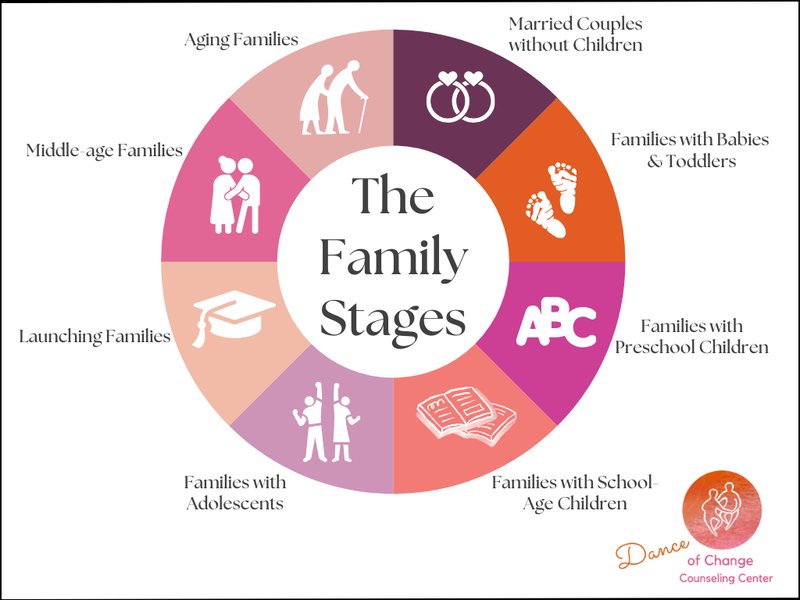
Understanding diverse family structures and seeking support are crucial elements of modern parenting.
Chapter 11: Pillars of Positive Parenting: Communication, Discipline, and Connection
Explores foundational techniques for building strong, respectful relationships and guiding behavior effectively.
- Subchapter 11.1: The Philosophy of Positive Parenting (Authoritative approach, respect, empathy)
- Subchapter 11.2: Effective Communication Strategies Across Ages (Active listening, "I" statements, open dialogue)
- Subchapter 11.3: Positive Discipline Techniques that Teach (Natural/logical consequences, problem-solving)
- Subchapter 11.4: Building and Maintaining Strong Family Connections (Quality time, rituals, shared values)
- Subchapter 11.5: Setting Clear and Consistent Boundaries (Age-appropriateness, follow-through)
- Subchapter 11.6: Teaching Responsibility and Accountability (Chores, ownership of actions)
- Subchapter 11.7: Conflict Resolution Skills within the Family (Teaching negotiation, compromise)
- Subchapter 11.8: The Importance of Play and Laughter in Family Life (Bonding, stress relief)
- Subchapter 11.9: Fostering Sibling Harmony and Resolving Rivalry (Fairness, individual attention)
- Subchapter 11.10: Adapting Your Parenting Style as Children Grow (Flexibility, responsiveness)
Chapter 12: Nurturing Mental and Emotional Well-being in Your Child (and Yourself)
Focuses on the critical aspect of emotional health, resilience, and seeking support when needed.
- Subchapter 12.1: Understanding Child and Adolescent Mental Health (Common issues, warning signs)
- Subchapter 12.2: Building Emotional Intelligence and Empathy (Recognizing/managing feelings, perspective-taking)
- Subchapter 12.3: Fostering Resilience and Coping Skills (Overcoming adversity, problem-solving)
- Subchapter 12.4: Creating a Supportive Home Environment for Emotional Expression (Safety, non-judgment)
- Subchapter 12.5: Addressing Anxiety and Stress in Children and Teens (Sources, coping mechanisms, relaxation)
- Subchapter 12.6: Recognizing and Responding to Depression and Other Mood Disorders (Symptoms, seeking help)
- Subchapter 12.7: The Importance of Parental Mental Health and Self-Care (Modeling, stress management)
- Subchapter 12.8: When and How to Seek Professional Help (Therapy, counseling, resources)
- Subchapter 12.9: Supporting Children Through Grief, Loss, and Trauma (Age-appropriate responses, comfort)
- Subchapter 12.10: Building Self-Esteem and a Positive Body Image (Affirmation, healthy perspectives)
Chapter 13: Health, Safety, and Nutrition Across the Lifespan
A comprehensive guide to physical well-being from infancy through adulthood.
- Subchapter 13.1: Foundational Nutrition for Optimal Growth and Development (Age-specific needs, balanced diets)
- Subchapter 13.2: Promoting Lifelong Physical Activity and Fitness (Benefits, finding enjoyable activities)
- Subchapter 13.3: Ensuring Adequate Sleep for All Ages (Importance, routines, addressing sleep problems)
- Subchapter 13.4: Home Safety and Accident Prevention Throughout Childhood (Baby-proofing to teen driving)
- Subchapter 13.5: Outdoor Safety: Sun, Water, and Environmental Hazards (Precautions, awareness)
- Subchapter 13.6: Understanding and Managing Common Illnesses and Injuries (First aid, when to see a doctor)
- Subchapter 13.7: The Importance of Vaccinations and Preventative Healthcare (Schedules, well-child visits)
- Subchapter 13.8: Teaching Personal Hygiene and Self-Care Habits (Dental, handwashing, body care)
- Subchapter 13.9: Addressing Special Dietary Needs and Allergies (Management, awareness, communication)
- Subchapter 13.10: Educating on Substance Abuse Prevention and Healthy Choices (Drugs, alcohol, vaping)
Chapter 14: Education and Lifelong Learning: Guiding Your Child's Potential
Covers supporting your child's educational journey and fostering a love for learning.
- Subchapter 14.1: The Parent's Role in Early Childhood Education (Play-based learning, readiness)
- Subchapter 14.2: Partnering with Schools and Educators (Communication, involvement, advocacy)
- Subchapter 14.3: Creating a Supportive Home Learning Environment (Homework space, resources, routines)
- Subchapter 14.4: Fostering a Love of Reading and Literacy (Reading aloud, library visits, diverse books)
- Subchapter 14.5: Encouraging Curiosity and Critical Thinking Skills (Asking questions, exploring interests)
- Subchapter 14.6: Supporting Children with Learning Differences or Special Needs (IEPs, resources, advocacy)
- Subchapter 14.7: Navigating Standardized Testing and Academic Pressure (Stress management, perspective)
- Subchapter 14.8: The Importance of Extracurricular Activities and Hobbies (Balance, skill development)
- Subchapter 14.9: Guiding Career Exploration and Future Planning (Interests, skills, pathways)
- Subchapter 14.10: Promoting Lifelong Learning and Adaptability (Growth mindset, continuous development)
Chapter 15: Navigating Modern Challenges: Technology, Social Pressures, and Resilience
Addresses contemporary issues facing parents and children in the 21st century.
- Subchapter 15.1: Responsible Technology Use and Digital Citizenship (Screen time balance, online safety)
- Subchapter 15.2: Managing Social Media's Impact on Youth (Self-esteem, cyberbullying, privacy)
- Subchapter 15.3: Understanding and Addressing Peer Pressure (Refusal skills, positive influences)
- Subchapter 15.4: Dealing with Bullying: Prevention and Intervention (Empowerment, reporting, support)
- Subchapter 15.5: Cultivating Media Literacy in a Digital Age (Critical consumption of information)
- Subchapter 15.6: Building Resilience to Navigate Setbacks and Disappointments (Coping strategies, growth mindset)
- Subchapter 15.7: Discussing Societal Issues and Current Events Appropriately (Age-level conversations, empathy)
- Subchapter 15.8: Promoting Inclusivity, Diversity, and Anti-Racism (Education, modeling, conversations)
- Subchapter 15.9: Environmental Awareness and Sustainable Living (Teaching responsibility for the planet)
- Subchapter 15.10: The Importance of Unstructured Play and Downtime in a Busy World (Creativity, stress reduction)
Chapter 16: Diverse Families and Unique Journeys: Tailoring Your Approach
Acknowledges and supports the variety of family structures and unique circumstances in parenting.
- Subchapter 16.1: Understanding and Celebrating Diverse Family Structures (Single-parent, blended, LGBTQ+, adoptive)
- Subchapter 16.2: Co-Parenting Strategies After Separation or Divorce (Communication, consistency, child focus)
- Subchapter 16.3: Parenting Children with Special Needs or Chronic Illnesses (Advocacy, support, resources)
- Subchapter 16.4: Raising Children in Multilingual or Multicultural Households (Benefits, challenges, identity)
- Subchapter 16.5: Navigating Grief and Loss Within the Family (Supporting children, coping strategies)
- Subchapter 16.6: The Unique Challenges of Military Families or Frequent Relocations (Transitions, support networks)
- Subchapter 16.7: Grandparents Raising Grandchildren: Support and Resources (Unique needs, legal aspects)
- Subchapter 16.8: Adoption and Foster Care Journeys (Attachment, identity, specialized support)
- Subchapter 16.9: Seeking and Building Your Parenting Village (Support networks, community resources)
- Subchapter 16.10: Embracing Your Unique Parenting Path with Confidence (Trusting instincts, continuous learning)
Key Parental Focus Areas by Developmental Stage
Understanding the primary areas of focus for parents at different developmental stages can help tailor parenting strategies effectively. The following table provides a simplified overview:
| Developmental Stage | Physical Focus | Cognitive Focus | Social-Emotional Focus | Key Parental Strategies |
|---|---|---|---|---|
| Infancy (0-1 year) | Basic needs (feeding, sleep, safety), motor skill development (tummy time, grasping). | Sensory exploration, early language exposure (talking, reading), object permanence. | Secure attachment, trust building, responding to cues, emotional regulation (soothing). | Responsive care, consistent routines, safe environment, loving interaction. |
| Toddlerhood (1-3 years) | Gross motor skills (walking, running), fine motor skills (stacking, scribbling), potty training. | Language explosion, imaginative play, early problem-solving, curiosity. | Developing independence ("me do it"), managing tantrums, parallel play, early empathy. | Positive discipline, clear boundaries, encouraging exploration, patience. |
| Preschool (3-5 years) | Refining motor skills, establishing healthy eating habits, hygiene. | Pre-literacy/numeracy, asking "why," longer attention span, simple reasoning. | Cooperative play, making friends, understanding emotions, developing self-control. | Play-based learning, consistent rules, emotional coaching, social opportunities. |
| Early School Age (6-8 years) | Organized sports/activities, continued growth, importance of sleep for learning. | Formal learning (reading, writing, math), developing logic, understanding rules. | Friendships become central, developing empathy, understanding fairness, group dynamics. | Homework support, encouraging interests, teaching social skills, fostering responsibility. |
| Pre-Teen (9-12 years) | Onset of puberty for some, body image awareness, need for physical activity. | More complex thinking, planning skills, developing interests, media literacy. | Peer influence increases, navigating social hierarchies, developing self-esteem, mood swings. | Open communication, monitoring technology, supporting hobbies, teaching critical thinking. |
| Adolescence (13-18 years) | Puberty changes, sleep needs, nutrition for growth, risk assessment (driving, substances). | Abstract thinking, future planning (college/career), identity formation, ethical reasoning. | Intense peer relationships, romantic interests, emotional regulation, independence seeking. | Trust & autonomy balance, guidance on choices, mental health support, life skills education. |
| Emerging Adulthood (19+) | Maintaining healthy lifestyle independently. | Higher education/career development, complex decision-making. | Establishing intimate relationships, career identity, financial independence. | Supportive guidance, mentorship (when asked), respecting autonomy, adult-to-adult communication. |
This video discusses the importance of structure and routine in parenting, a key theme woven throughout the proposed book.
Creating structure and routine is a fundamental aspect of effective parenting, providing children with a sense of security, predictability, and understanding of expectations. As explored in the video, routines help children navigate their day, reduce anxiety, and develop self-discipline. This book plan incorporates the establishment of age-appropriate routines across various chapters, from bedtime rituals for infants to homework schedules for school-aged children and time management skills for teens, highlighting its significance throughout a child's development.
Frequently Asked Questions (FAQ)
Why is a lifespan approach to parenting important? ▼
Parenting doesn't stop when a child reaches a certain age. A lifespan approach acknowledges that the parent-child relationship evolves continuously. Understanding developmental stages from birth through adulthood allows parents to adapt their strategies, offer relevant support, and maintain strong connections as their children grow into independent individuals and even become parents themselves. This book covers all these phases, ensuring parents are equipped for the entire journey.
How does this book plan address diverse family structures and challenges? ▼
Chapter 16, "Diverse Families and Unique Journeys," is specifically dedicated to this. It covers topics like single parenting, blended families, LGBTQ+ parenting, adoption, co-parenting, and supporting children with special needs. Moreover, the principles throughout the book, such as positive communication and emotional support, are adaptable to any family dynamic. The aim is to provide inclusive and relevant guidance for all parents.
What makes this book the "ultimate guide"? ▼
The "ultimate" nature of this guide stems from its comprehensive scope, depth, and structured approach. It covers the entire lifespan from birth to adulthood (and beyond into grandparenthood), delves into 16 key chapters with 10 subchapters each, and outlines 15 specific talking points per subchapter. This ensures detailed, actionable advice on physical, cognitive, social, and emotional development, alongside modern challenges and universal parenting principles. It aims to be a one-stop resource for parents seeking thorough and thoughtful guidance.
How much detail will each of the 15 talking points per subchapter actually contain? ▼
Each of the 15 talking points is envisioned to be a specific, actionable piece of advice or information. In the full book, each point would be expanded with explanations, examples, and practical tips, potentially spanning a paragraph or more. The goal is to provide not just a list, but a rich discussion around each point to make it truly useful for parents. The example provided for Subchapter 1.1 gives a glimpse into the nature of these points.
Recommended Further Exploration
- How can parents effectively adapt their communication style as children age from toddlerhood to adolescence?
- What are the most effective strategies for building resilience in children facing modern social pressures?
- Explore detailed techniques for fostering financial literacy in children at different developmental stages.
- How can parents best support their own mental well-being while navigating the demands of raising children?
References
 amazon.com
Last updated May 7, 2025