
Unlock a Calmer Skin: How Your Daily Habits Can Tame Psoriasis Flare-Ups
Discover practical lifestyle adjustments that significantly impact the frequency and severity of psoriasis, empowering you to manage your condition.
Essential Insights: Key Takeaways
- Dietary Discipline: Adopting an anti-inflammatory diet rich in fruits, vegetables, and omega-3s, while avoiding trigger foods like processed items and excess sugar, can significantly reduce systemic inflammation linked to psoriasis flare-ups.
- Stress & Habits: Effectively managing stress through techniques like mindfulness and yoga, alongside quitting smoking and limiting alcohol, plays a crucial role in stabilizing the immune system and minimizing flare frequency.
- Holistic Approach: Lifestyle modifications are powerful allies to medical treatments. Consistent skincare, healthy weight management, and regular low-impact exercise contribute to overall well-being and better psoriasis control.
Understanding Psoriasis and Its Unpredictable Flare-Ups
Psoriasis is a chronic autoimmune condition that accelerates the life cycle of skin cells, causing them to build up rapidly on the surface of the skin. These extra skin cells form scales and red patches that are sometimes itchy and painful. Psoriasis is characterized by periods of remission, where symptoms are minimal, and flare-ups, where symptoms worsen significantly. These flare-ups can be triggered by a variety of internal and external factors, making their management a key aspect of living with the condition. Understanding these triggers and how lifestyle can influence them is paramount for improving quality of life.

A microscopic view revealing the characteristic skin changes in psoriasis.
Key Lifestyle Modifications for Psoriasis Management
While medical treatments are essential for controlling psoriasis, incorporating specific lifestyle changes can make a substantial difference in managing flare-ups, reducing their severity, and extending periods of remission. These adjustments work by addressing underlying inflammation, minimizing exposure to known triggers, and promoting overall health.
Diet and Nutrition: Fueling Your Skin's Health
What you eat can directly influence inflammation levels in your body, which is a core component of psoriasis. An anti-inflammatory diet is widely recommended.
Emphasizing Anti-Inflammatory Foods
Focus on a diet rich in:
- Fruits and Vegetables: Especially leafy greens (spinach, kale), berries, and brightly colored vegetables, which are packed with antioxidants.
- Whole Grains: Oats, brown rice, and quinoa provide fiber and nutrients that support overall health.
- Lean Proteins: Poultry, fish, beans, and legumes. Fatty fish like salmon, mackerel, and sardines are particularly beneficial due to their high omega-3 fatty acid content, known for anti-inflammatory properties.
- Healthy Fats: Sources like avocados, nuts (walnuts, almonds), seeds (flaxseeds, chia seeds), and olive oil.
- Low-Fat Dairy: Or dairy alternatives if dairy is a trigger for you.
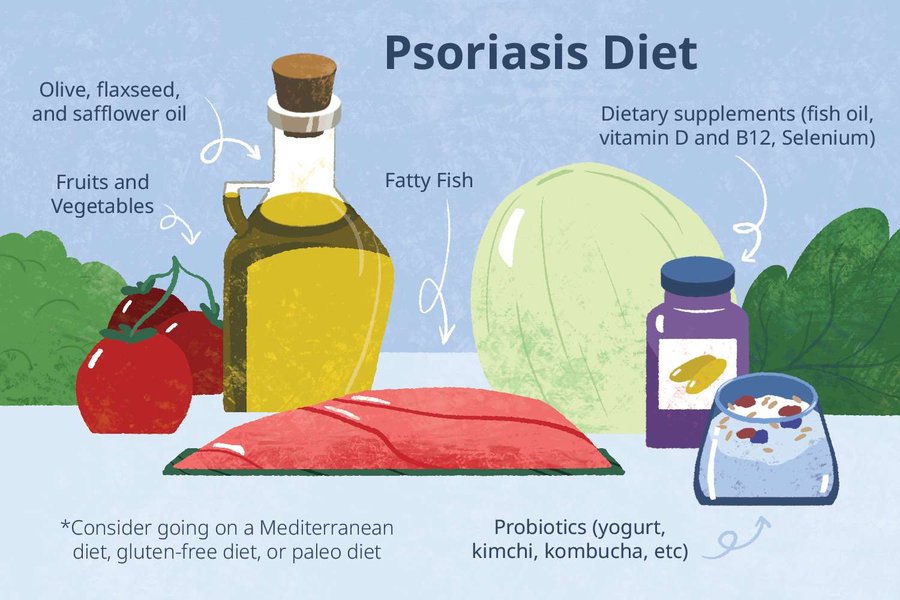
A colorful array of fruits, vegetables, and lean proteins recommended for a psoriasis-friendly diet.
Foods to Approach with Caution
Certain foods may exacerbate inflammation and trigger flare-ups in some individuals:
- Ultra-Processed Foods: These are often high in unhealthy fats, sugar, and artificial additives.
- Added Sugars: Found in sweets, sugary drinks, and many processed items.
- Saturated and Trans Fats: Present in red meat, full-fat dairy, and fried foods.
- Red Meat: Particularly processed red meats.
- Alcohol: A known trigger for many; see further details below.
- Gluten: Some individuals with psoriasis may find a gluten-free diet beneficial, especially if they have a gluten sensitivity.
Stress Management: Calming the Storm Within
Stress is one of the most common and potent triggers for psoriasis flare-ups. High stress levels can dysregulate the immune system, leading to increased inflammation.
Proven Stress-Reduction Techniques
- Mindfulness and Meditation: Regular practice can help lower stress hormones.
- Yoga and Tai Chi: Combine physical movement with meditative practices.
- Deep Breathing Exercises: Simple yet effective for immediate stress relief.
- Adequate Sleep: Prioritize 7-9 hours of quality sleep per night.
- Counseling or Therapy: Professional support can help develop coping strategies for chronic stress.
- Engaging in Hobbies: Activities you enjoy can be a great stress reliever.
Weight Management: Lightening the Load on Your Body
Excess body weight, particularly obesity, is linked to increased inflammation and more severe psoriasis. Adipose (fat) tissue produces pro-inflammatory cytokines, which can worsen symptoms.
The Link Between Weight and Psoriasis
- Maintaining a healthy weight through a balanced diet and regular exercise can reduce systemic inflammation.
- Even modest weight loss can lead to a noticeable improvement in psoriasis severity and may enhance the effectiveness of medical treatments.
Physical Activity: Moving Towards Better Skin
Regular exercise offers multiple benefits for individuals with psoriasis, including reducing inflammation, aiding weight management, and relieving stress.
Recommended Low-Impact Exercises
Choose activities that are gentle on the skin and joints:
- Swimming: Water can be soothing, but ensure to rinse off chlorine and moisturize afterward.
- Cycling: Both stationary and outdoor.
- Walking: A simple and accessible form of exercise.
- Yoga: Also beneficial for flexibility and stress reduction.
Skin Care Regimen: Protecting Your Body's Barrier
A consistent and gentle skincare routine is vital for managing psoriasis. It helps to protect the skin barrier, reduce dryness and scaling, and prevent irritation that could trigger a flare-up.
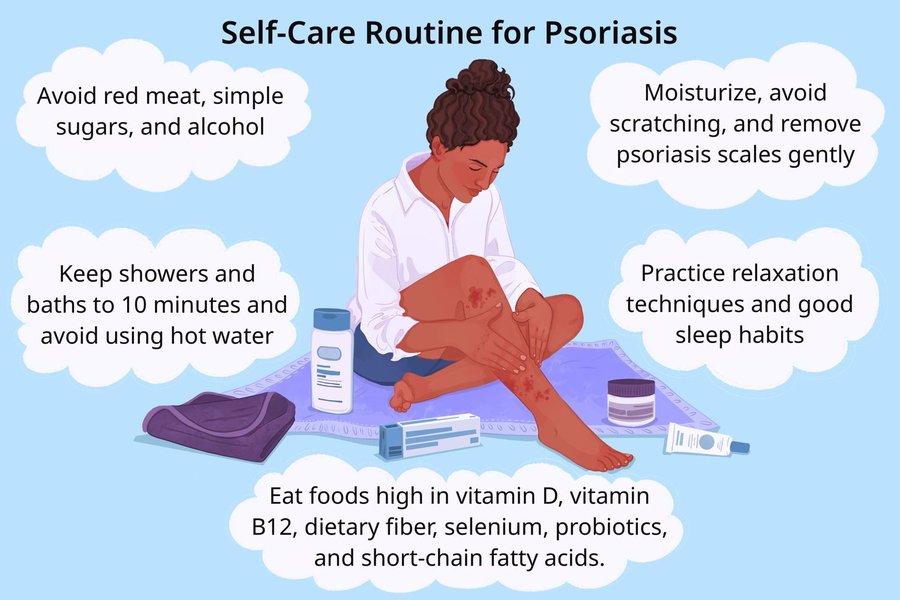
Essential self-care practices include gentle cleansing and consistent moisturizing.
Gentle Bathing and Moisturizing Practices
- Lukewarm Baths/Showers: Limit baths and showers to 10-15 minutes using lukewarm, not hot, water. Hot water can strip the skin of its natural oils.
- Mild, Fragrance-Free Cleansers: Avoid harsh soaps and cleansers that can irritate the skin.
- Pat Dry Gently: After bathing, pat the skin dry with a soft towel instead of rubbing.
- Moisturize Immediately: Apply a thick, fragrance-free moisturizer or emollient to damp skin to lock in moisture. This is especially important after every bath or shower and several times throughout the day if needed.
- Consider Oatmeal Baths: Colloidal oatmeal can be soothing for itchy, inflamed skin.
Avoiding Skin Trauma
Skin injuries, including scratches, sunburns, and even tight clothing, can trigger new psoriasis lesions in an unaffected area. This is known as the Koebner phenomenon. Be mindful to protect your skin from injury.
Avoiding Harmful Habits: Smoking and Alcohol
Certain habits can significantly worsen psoriasis and trigger flare-ups.
The Impact of Smoking
Smoking is a well-established risk factor for developing psoriasis and is known to increase its severity and the frequency of flare-ups. It promotes systemic inflammation and can reduce the effectiveness of some psoriasis treatments. Quitting smoking is strongly recommended and can lead to significant improvements.
Alcohol's Role in Flare-Ups
Excessive alcohol consumption can trigger psoriasis flare-ups, worsen inflammation, and may interfere with the efficacy of psoriasis medications. Limiting alcohol intake or abstaining altogether is advisable for better disease management.
Environmental Considerations and Other Factors
Weather and Environmental Triggers
Cold, dry weather can often exacerbate psoriasis by drying out the skin. Using a humidifier indoors during winter months can help. Conversely, some people find that sunlight (in moderation and with appropriate sun protection to avoid burns) can improve their symptoms, though for others, heat and sun can be triggers.
Medication Review
Certain medications (e.g., beta-blockers, lithium, antimalarials) can trigger or worsen psoriasis. If you suspect a medication is affecting your psoriasis, discuss it with your healthcare provider. Never stop prescribed medication without medical advice.
Visualizing Psoriasis Management Strategies
To better understand the interconnectedness of these lifestyle factors, the following mindmap illustrates the key areas to focus on for managing psoriasis flare-ups.
(Fruits, Veggies, Omega-3s)"] id1b["Avoid Trigger Foods
(Processed, Sugar, Red Meat)"] id1c["Hydration"] id2["Stress Reduction"] id2a["Mindfulness & Meditation"] id2b["Yoga & Tai Chi"] id2c["Adequate Sleep"] id2d["Hobbies & Relaxation"] id3["Weight Control"] id3a["Maintain Healthy BMI"] id3b["Reduce Systemic Inflammation"] id4["Physical Activity"] id4a["Low-Impact Exercise
(Swimming, Walking, Cycling)"] id4b["Regular Movement"] id5["Skin Care Routine"] id5a["Gentle Cleansing"] id5b["Regular Moisturizing"] id5c["Avoid Skin Trauma (Koebner)"] id5d["Lukewarm Baths"] id6["Avoid Harmful Habits"] id6a["Smoking Cessation"] id6b["Limit Alcohol Intake"] id7["Environmental Factors"] id7a["Manage Weather Exposure
(Cold, Dry Air)"] id7b["Sunlight (Moderation)"] id7c["Avoid Known Irritants"] id8["Medical Collaboration"] id8a["Adhere to Treatment Plan"] id8b["Regular Dermatologist Visits"] id8c["Medication Review"]
This mindmap provides a holistic view of how various lifestyle adjustments contribute to a comprehensive strategy for managing psoriasis.
Perceived Impact of Lifestyle Changes on Psoriasis
The radar chart below offers a visual representation of the generally perceived impact of different lifestyle changes on key aspects of psoriasis management: reducing flare severity, decreasing flare frequency, and the typical effort or commitment required for implementation. These are general estimations based on expert consensus and patient experiences, and individual results may vary.
This chart helps to illustrate that while some changes like smoking cessation might require significant effort, their potential impact on flare frequency and severity can be substantial. Conversely, consistent skincare, while perhaps easier to implement, still plays an important role.
Holistic Insights for Psoriasis Relief
The following video provides further insights into adopting a holistic approach to psoriasis management, emphasizing the importance of lifestyle choices alongside medical care. It discusses how various aspects of daily life can influence the condition and offers practical advice.
This discussion underscores that managing psoriasis is often a multifaceted endeavor, where lifestyle interventions work synergistically with prescribed treatments to achieve better outcomes and enhance overall well-being.
Summary Table: Lifestyle Changes and Their Benefits for Psoriasis
The table below consolidates the key lifestyle changes discussed and their specific impacts on managing psoriasis flare-ups. This provides a quick reference to understand the benefits of each modification.
| Lifestyle Change | Key Actions | Impact on Psoriasis Flare-Ups |
|---|---|---|
| Diet & Nutrition | Focus on anti-inflammatory foods (fruits, vegetables, omega-3s); avoid processed foods, added sugars, and saturated fats. Consider a plant-rich, low-saturated-fat diet. | Reduces systemic inflammation, may lessen flare severity and frequency, supports overall immune health. |
| Stress Management | Incorporate techniques like mindfulness, meditation, yoga, deep breathing exercises, ensure adequate sleep, and seek professional help if needed. | Lowers stress hormone levels, which can otherwise trigger or exacerbate immune system responses leading to flares. |
| Weight Management | Achieve and maintain a healthy body weight through a balanced, calorie-appropriate diet and regular physical activity. | Decreases inflammation (as adipose tissue produces inflammatory substances), can reduce flare severity and improve treatment efficacy. |
| Physical Activity | Engage in regular, low-impact exercises such as swimming, cycling, yoga, or walking (at least 30 minutes, most days). | Helps reduce systemic inflammation, aids in weight management, relieves stress, and improves cardiovascular health. |
| Skin Care Routine | Take daily lukewarm baths (10-15 mins), use mild, fragrance-free cleansers, pat skin dry gently, and moisturize immediately and frequently. Avoid skin trauma. | Protects the skin barrier, reduces dryness and scaling, soothes inflammation, and helps prevent new lesions (Koebner phenomenon). |
| Smoking Cessation | Completely quit smoking. Seek support if necessary. | Significantly reduces systemic inflammation, improves skin healing, can lead to fewer and less severe flares, and enhances treatment response. |
| Alcohol Limitation | Reduce alcohol consumption significantly or abstain entirely. | Lessens inflammation, avoids potential interference with medications, and reduces a common trigger for flare-ups. |
| Environmental Control | Use humidifiers in dry weather, protect skin from extreme cold or sun (avoid sunburn), and be aware of personal environmental triggers. | Minimizes external irritants and conditions that can dry out the skin or otherwise provoke a flare-up. |
It's important to remember that the effectiveness of these changes can vary from person to person. Consistency and a willingness to adapt are key.
The Synergy of Lifestyle Changes and Medical Treatments
It is crucial to understand that lifestyle changes are complementary to, not a replacement for, medical treatments prescribed by a healthcare professional. Topical therapies, phototherapy, systemic medications, and biologics target the underlying disease processes of psoriasis. Lifestyle modifications support these treatments by reducing triggers, minimizing inflammation, and improving overall health, which can lead to better disease control, fewer flare-ups, and an enhanced quality of life. Always discuss any significant lifestyle changes with your dermatologist or healthcare provider to ensure they are appropriate for your specific condition and treatment plan. A holistic approach, combining medical advancements with proactive lifestyle management, often yields the best results in navigating life with psoriasis, as emphasized by care strategies in 2025.
Frequently Asked Questions (FAQ)
Can lifestyle changes cure psoriasis?
No, psoriasis is a chronic autoimmune condition with no known cure currently. However, lifestyle changes can significantly help manage symptoms, reduce the frequency and severity of flare-ups, and improve overall quality of life. They work in conjunction with medical treatments to control the condition.
What are the most impactful lifestyle changes for psoriasis?
While individual experiences vary, several changes are consistently highlighted as impactful: managing stress effectively, maintaining a healthy weight, adopting an anti-inflammatory diet, quitting smoking, and limiting alcohol intake. Consistent, gentle skin care is also very important.
How long does it take to see improvements from lifestyle changes?
The timeframe for seeing improvements can vary widely depending on the individual, the specific changes made, and the severity of psoriasis. Some people might notice improvements within a few weeks, while for others, it might take several months of consistent effort. Patience and persistence are key.
Should I stop my psoriasis medication if I make these lifestyle changes?
No, you should never stop or alter your prescribed psoriasis medication without consulting your doctor or dermatologist. Lifestyle changes are intended to complement medical treatments, not replace them. Your healthcare provider can advise on how these changes may fit into your overall treatment plan.
Are there specific foods guaranteed to trigger psoriasis flare-ups?
While there are no foods universally guaranteed to trigger psoriasis in everyone, common culprits reported by some individuals include processed foods, red meat, dairy, gluten, nightshades (like tomatoes and peppers), and alcohol. It's often a process of individual identification, possibly through an elimination diet under medical guidance, to determine personal food triggers.
Recommended Further Exploration
- What are some specific anti-inflammatory diet recipes that psoriasis sufferers might find beneficial?
- How does the Koebner phenomenon relate to daily activities and what are practical tips to avoid it in psoriasis management?
- Can you compare the effectiveness of different stress management techniques specifically for reducing psoriasis flares?
- What is the latest research in 2025 on the gut microbiome and its connection to psoriasis development and management?
References
Last updated May 7, 2025