
Introduction to Light Pollution
Understanding the Complex Impact of Artificial Nighttime Lighting
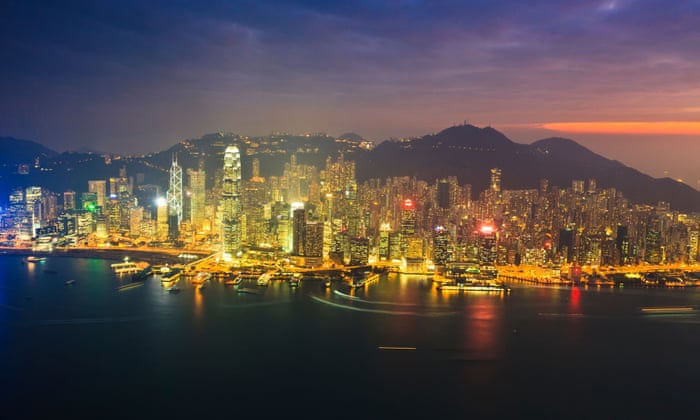
Key Highlights
- Definition and Manifestations: Light pollution is the excessive, misdirected, or obtrusive use of artificial light during nighttime hours, resulting in glare, sky glow, light trespass, and clutter.
- Impacts on Health and Ecosystems: This form of pollution disrupts human circadian rhythms, contributes to sleep disorders, and interferes with wildlife ecosystems, altering natural behaviors and ecological balance.
- Solutions and Mitigation: Shielded light fixtures, appropriate lighting design, and the use of lower-intensity and warmer spectral lighting are crucial steps in reducing light pollution.
Overview of Light Pollution
Light pollution refers to the introduction of artificial light into the nighttime environment in amounts that exceed natural levels. It is a modern environmental concern that has evolved alongside technological and industrial progress. Light pollution essentially stems from the overuse or improper management of outdoor lighting, which can manifest in several forms such as glare, sky glow, light trespass, and clutter. Each of these components creates distinct challenges, both for visual clarity and for preserving the natural rhythm of the environment.
Historical Context and Modern Relevance
Before the advent of widespread artificial lighting, nighttime environments were characterized by darkness, with the natural illumination provided by the moon and stars. However, rapid urbanization, widespread industrialization, and an increased dependence on artificial lighting during the 20th century led to a significant change in the nocturnal landscape. Today, an estimated 83% of the global population lives under light-polluted skies, with urban centers frequently exhibiting a pervasive glow that drowns out the natural brightness of stars, including the Milky Way.
Types of Light Pollution
Light pollution can be categorized into several distinct types. Recognizing and understanding these types is essential for developing targeted strategies to reduce their impact. Here is an introduction to the primary forms of light pollution:
Glare
Glare is the excessive brightness that causes visual discomfort or even loss of visibility. This phenomenon often occurs when high-intensity light sources are used in areas where such brightness is not necessary. Glare can reduce safety for drivers and pedestrians, and contribute to eyestrain in urban areas.
Sky Glow
Sky glow, perhaps the most visually striking aspect of light pollution, is the brightening of the night sky over inhabited areas. The scattered light from millions of sources (streetlights, buildings, billboards, etc.) generates a corona of artificial light that obscures the natural patterns in the heavens. This effect not only diminishes our connection with the cosmos but also hinders astronomical research.
Light Trespass
Light trespass occurs when unwanted or misdirected illumination spills over into areas where it is not intended. For instance, residential properties may be exposed to light from nearby commercial or street lighting, disturbing the natural environment and intruding on personal privacy.
Clutter
Clutter involves the excessive grouping or misplacement of various light sources that create visual confusion and an unattractive landscape. Cluttered lighting not only reduces aesthetic appeal but can also contribute significantly to overall light pollution.
Environmental and Health Impacts
Light pollution has far-reaching consequences, affecting both the natural world and human health. Its influence permeates various aspects of daily living, from disrupting wildlife to contributing to the deterioration of human well-being.
Impacts on Ecosystems
In ecosystems, artificial nighttime lighting interferes with the natural behaviors of various species. Research indicates that many nocturnal animals depend on the predictable cycle of darkness for activities such as feeding, mating, and migration. Consequently, pervasive artificial lighting can:
- Disrupt nocturnal behavior: Many animals, such as bats and insects, rely on darkness to hunt or avoid predators; disrupted light cycles may lead to decreased survival rates.
- Alter reproductive cycles: Disruptions in the natural light–dark cycle can lead to anomalies in reproduction. For example, sea turtles near coastal regions are particularly vulnerable during nesting, as artificial beach lighting can confuse hatchlings, leading them away from the ocean.
- Interfere with migration: Migratory birds often use natural light cues to navigate. In urban areas, the presence of extensive sky glow may cause disorientation, resulting in fatal collisions with illuminated structures.
Human Health Concerns
Beyond ecological impacts, light pollution has a notable effect on human health. The introduction of artificial light during nighttime can disrupt natural circadian rhythms, which in turn influence sleep patterns and various biological processes. Some of the key health concerns include:
- Sleep Disorders: Exposure to excessive and inappropriate artificial light at night can lead to disruptions in normal sleep cycles. The suppression of melatonin, a hormone linked to sleep regulation, is particularly concerning.
- Circadian Rhythm Disruption: Circadian rhythms govern numerous physiological processes, including hormone production and metabolism. Light pollution can disturb these natural cycles, potentially increasing the risk of metabolic and mood disorders.
- Increased Stress Levels: Over-illumination in urban environments has been linked with higher stress levels and reduced quality of sleep, which in long-term research is associated with significant health risks.
Additionally, doctors and researchers have observed that communities with high levels of light pollution may see increased incidences of certain health problems, largely stemming from chronic sleep deprivation and hormonal imbalances.
Light Pollution: Mitigation and Future Directions
Addressing the issue of light pollution is a crucial step towards preserving our natural environment and improving human quality of life. Public awareness and technological innovation play a vital role in mitigating its effects. There are several strategic measures being implemented and suggested to alleviate the myriad issues associated with improper outdoor lighting.
Technological Innovations and Lighting Design
Modern innovations in lighting technology promise a future in which energy efficiency and environmental preservation can go hand in hand. One of the primary strategies is the optimization of lighting design. This includes using fixtures that are engineered to direct light downward, hence minimizing the amount of stray light that contributes to sky glow and light trespass. Modern LED lighting, when coupled with designs that focus on resourcefulness, reduces energy waste without sacrificing the necessary brightness for security and functionality.
Policy and Regulation
Alongside technological advancements, policy plays an integral role in combating light pollution. Many communities and countries have adopted light management policies aimed at reducing the negative impacts of excessive artificial lighting. These policies often include:
- Implementing standards for outdoor lighting fixtures that reduce unnecessary light spill.
- Establishing curfews or restrictions on non-essential lighting in urban areas.
- Promoting dark-sky initiatives in both rural and urban settings to conserve natural night environments.
Community Engagement and Public Awareness
Equally important is community engagement. Many organizations, including amateur astronomer groups and conservation societies, have taken initiatives to monitor and combat light pollution. Through educational campaigns, public workshops, and citizen science projects, the public is encouraged to adopt more responsible lighting practices. These grassroots movements help emphasize the importance of reconnecting with our natural night skies and promote cost-effective solutions that can be readily adopted by communities.
Comparative Analysis of Light Pollution Characteristics
To provide a concise summary and quick reference for the various attributes of light pollution, the following table is provided. It synthesizes key aspects from technological, environmental, and policy-related perspectives.
| Aspect | Description | Examples |
|---|---|---|
| Glare | Excessively bright light that causes visual discomfort | High-intensity streetlights, unshielded floodlights |
| Sky Glow | Brightening of the night sky due to scattered light | Urban areas with widespread LED usage |
| Light Trespass | Unwanted spill of light into areas not meant for illumination | Light from commercial properties affecting nearby residences |
| Clutter | Excessive groupings of lighting that result in visual confusion | Illuminated billboards and excessive decorative lighting |
| Health Impacts | Disruption of circadian rhythms, increased stress, and sleep disorders | Chronic sleep deprivation in light-polluted urban areas |
| Environmental Effects | Disruptions in wildlife behavior, migration, and reproductive cycles | Birds' disorientation, sea turtle nesting disruptions |
Scientific Perspectives on Light Pollution
Modern research into light pollution underscores its status as both an environmental and social challenge. Scientific studies have demonstrated a significant relationship between the increase in artificial night lighting and the alteration of natural nocturnal environments. Satellite data shows that the emission of artificial light has risen consistently over the past few decades, correlating with urban sprawl and intensified industrial activity.
Scientists use various metrics to quantify light pollution, including measurements of brightness intensity and spectral analysis. These methods help determine not only the extent of light pollution but also the specific wavelengths that might be more disruptive to wildlife and human biological processes. For instance, blue-rich white light, prevalent in many LED sources, has been found to significantly affect circadian rhythms more than warmer light spectrums.
Human and Ecological Research
Extensive interdisciplinary research has examined how artificial lighting affects both humans and ecosystems. One aspect involves the study of circadian rhythms, where melatonin production is inhibited by exposure to bright light at night. Laboratory and field studies underscore the fact that even moderate levels of light pollution can have cascading effects on health, including metabolic disorders and increased risks for chronic conditions. Ecological research, on the other hand, has documented disrupted feeding and mating behaviors across a variety of species, suggesting long-term ecological consequences if current trends are not reversed.
Policy, Regulation, and Public Engagement Initiatives
In response to the growing concern of light pollution, policy makers and civic bodies around the world have started to adopt measures aimed at controlling and reducing artificial light emissions in public spaces. Several municipalities now enforce regulations on the use of street lighting, billboard illumination, and commercial signage. These policies not only aim to preserve dark skies but also contribute to energy savings and lower carbon emissions.
Governmental and Community Interventions
Governmental interventions include initiatives like dark-sky preserves, which designate areas free from excessive lighting, encouraging both tourism and scientific research. These preserves are invaluable for astronomers and ecologists alike, offering a glimpse of the pristine night sky and facilitating studies that otherwise would be impossible in well-lit urban centers.
Community engagement plays a critical role in the success of such interventions. Local organizations often collaborate with governmental agencies to raise public awareness and conduct citizen science projects focused on light measurements and mitigation practices. By involving the community, these initiatives not only educate citizens on the ramifications of light pollution but also empower them to advocate for sustainable and eco-friendly lighting solutions.
Technological Innovations and Adaptive Strategies
The development of smart lighting, which adapts to environmental conditions, offers a promising solution to curb light pollution. Modern advancements in LED technology have allowed for lighting that is both energy-efficient and customizable in terms of brightness and color temperature. Innovations include motion sensors that reduce light output when areas are unoccupied and adaptive dimming that adjusts brightness based on the time of night.
Best Practices for Reducing Light Pollution
There are several practical steps that communities and individuals can take to mitigate light pollution:
- Use of Shielded Fixtures: Choose lighting fixtures that are designed to direct light downward, reducing both sky glow and light trespass.
- Implementing Curfews: Regulate unnecessary lighting in urban and suburban areas during the late night hours to preserve natural darkness.
- Optimizing Light Intensity and Spectrum: Utilize lower-intensity lighting and opt for warmer light spectrums that minimize disruption to both human and ecological systems.
- Ongoing Community Monitoring: Support initiatives that measure light pollution levels and advocate for policy changes based on scientific data.
These adaptive strategies not only promote energy conservation but also help in restoring a natural night environment. The cumulative efforts of technological innovation, regulatory measures, and community engagement set the stage for a future where artificial lighting coexists harmoniously with the natural world.
Scientific Data and Technological Impact
In nearly every urban environment where light pollution has been noted, there has been a substantial increase in energy consumption, not to mention the added environmental cost of excessive carbon emissions. The interplay between technology and light pollution is twofold: while inefficient lighting exacerbates the issue, innovative lighting technology can actively mitigate it. Advanced control systems allow municipal lighting to be adjusted remotely based on real-time data, allowing for energy conservation coinciding with environmental sustainability.
The impact of light pollution is not just a topic confined to scientific journals; it serves as a rallying cry for sustainable urban planning and environmental conservation. Cities across the world are beginning to adopt 'smart city' initiatives that incorporate these cutting-edge lighting solutions with the dual aim of improving energy efficiency and reducing the adverse impacts on the night environment.
References
- Explainer: What Is Light Pollution? - Earth.Org
- Light Pollution - Globe At Night
- Light Pollution | Definition, Causes, Impacts, & Facts - Britannica
- Light Pollution - Wikipedia
- What Is Light Pollution? - DarkSky International
Recommended Queries for Further Exploration
Last updated March 8, 2025