
Discover Lillehammer
Exploring the History, Culture, and Natural Beauty of a Norwegian Gem
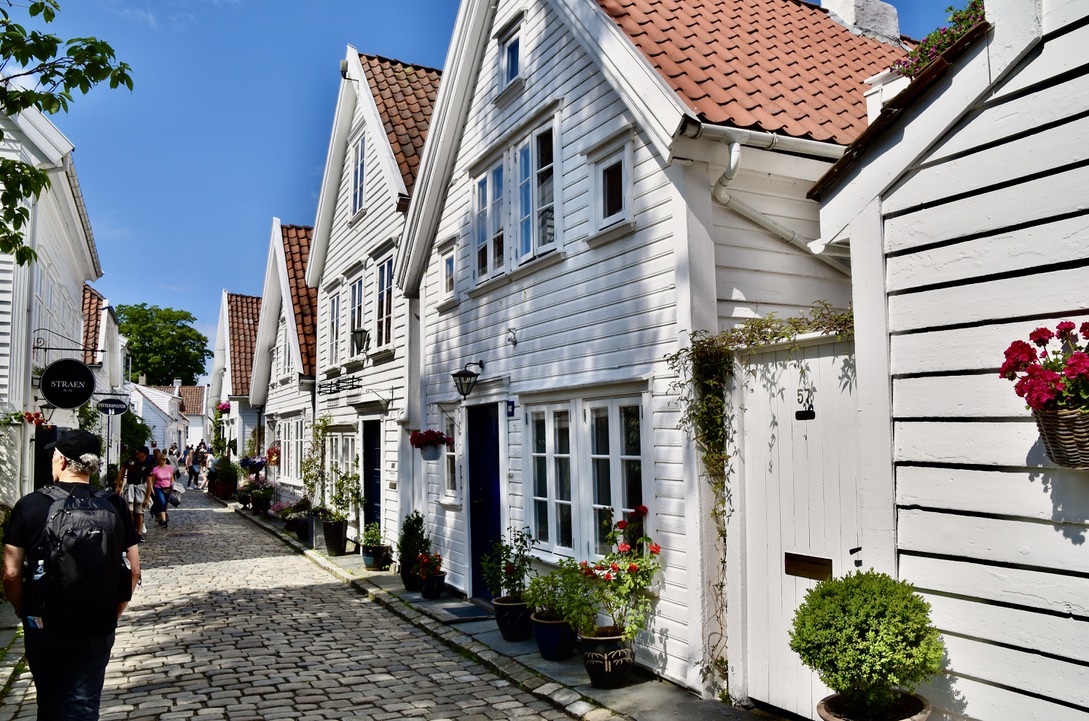
Key Highlights
- Rich Cultural Heritage: From traditional wooden architecture to literary festivals that captivate the imagination.
- World-class Winter Sports: Known internationally for hosting the 1994 Winter Olympics and offering superb skiing facilities.
- Vibrant Tourist Attractions: Home to historical museums, breathtaking landscapes, and outdoor adventures all year round.
Overview of Lillehammer
Lillehammer is a picturesque town and municipality located in Innlandet county, Norway, nestled within the storied Gudbrandsdal valley. With a blend of cultural heritage, historical architecture, and modern amenities, Lillehammer has earned its reputation as one of Norway’s premier tourist and winter sports destinations. Known for its charm and scenic beauty, Lillehammer invites visitors to explore a region steeped in history, outdoor adventures, and a thriving cultural scene.
Historical Background and Development
The history of Lillehammer dates back into ancient times, with evidence suggesting that the area was settled as early as the Iron Age. The town was mentioned as far back as Håkon Håkonson’s saga in 1390, and over the centuries, it evolved into an important market town. Officially established with market town rights on August 7, 1827, Lillehammer has since grown in both population and cultural importance. Its historic center is characterized by well-preserved wooden houses from the late 19th century that narrate the story of a town evolving through eras while retaining its traditional charm.
Cultural and Literary Scene
A vibrant cultural hub, Lillehammer is not only celebrated for its history and architecture but also for its significant contributions to literature and the arts. In recognition of its literary scene, Lillehammer was designated as a UNESCO City of Literature in 2017. This distinction is symbolized through the annual Norwegian Literature Festival, which brings together writers, artists, and literature enthusiasts from around the globe. The city's cultural institutions, including art galleries and museums, further enrich its community by showcasing local and national art, historical narratives, and innovative cultural expressions.
Sports and Winter Olympics Legacy
Lillehammer has cemented its reputation on the global stage through sports, particularly winter sports. The town gained international renown when it hosted the 1994 Winter Olympics. This event not only put Lillehammer on the map as a winter sports destination but also led to significant sports infrastructure developments including ski resorts, Olympic museums, and dedicated sports parks. Today, sports enthusiasts can enjoy facilities such as cross-country skiing trails—spanning approximately 350 km—and world-class slopes at nearby resorts like Hafjell and Kvitfjell. Additionally, Lillehammer successfully hosted the 2016 Winter Youth Olympics, reinforcing its status as a hub for both competitive and recreational winter sports.
Tourism and Attractions
Tourists visiting Lillehammer are treated to a variety of attractions that cater to many interests. The city stands as a gateway to both historical explorations and nature excursions. One of the region’s crown jewels is the Maihaugen Open-Air Museum, one of Norway’s largest and most celebrated, which features over 185 historical structures that chronicle everyday life in bygone eras. Complementing this, the Norwegian Olympic Museum offers insights into the evolution of the Olympic Games from their ancient origins to modern-day spectacles.
Beyond museums and historical sites, Lillehammer is surrounded by serene natural landscapes. Set against the backdrop of the majestic Lake Mjøsa—Norway’s largest lake—the town boasts stunning views of mountains, valleys, and an inviting natural environment ideal for hiking, biking, and fishing. These outdoor experiences offer visitors both tranquility and adventure in one of Norway’s most charming settings.
Detailed Attractions and Tourist Information
Cultural Institutions and Museums
Lillehammer is rich in cultural institutions that narrate both local history and the evolution of Norwegian art and sports. Notable attractions include:
- Maihaugen Open-Air Museum: This expansive museum displays over 185 structures, offering a genuine peek into historic Norwegian life.
- Norwegian Olympic Museum: An impressive repository of Olympic memorabilia and exhibits detailing the history of the Olympic movement.
- Lillehammer Art Museum: Showcasing an array of Norwegian art with both contemporary and classical pieces.
- Lillehammer Literature Festival: A celebrated annual event that gathers international and local literary talent, highlighting Lillehammer’s recognition as a UNESCO City of Literature.
Winter and Outdoor Sports Facilities
The legacy of winter sports in Lillehammer is one of its defining features. The town offers a multitude of opportunities for athletes and casual enthusiasts:
- Cross-Country Trails: Spanning around 350 km, these trails offer both challenging and scenic routes through the Norwegian wilderness.
- Olympic Venues: Attractions such as the Lillehammer Olympic Park and ski jumping arenas remain as testaments to the town’s Olympic heritage, providing facilities that are used for both competitions and training purposes.
- Ski Resorts: Nearby resorts like Hafjell and Kvitfjell cater to skiers of all levels, ensuring that the spirit of the Winter Olympics lives on year-round.
- Outdoor Adventures: Apart from skiing, visitors can indulge in hiking, mountain biking, fishing, and boating activities around the scenic Lake Mjøsa.
Local Amenities and Tourism Infrastructure
Lillehammer is well-equipped to handle tourists with well-established infrastructure that enhances both comfort and exploration:
- Accommodation: Ranging from modern hotels and guesthouses to cozy cabins and apartments, Lillehammer offers a variety of options suited for different tastes and budgets.
- Shopping and Dining: The town features a mix of traditional shops, cafes, and restaurants housed in historical and modern buildings, giving visitors a taste of local cuisine and culture.
- Accessibility: With easy access by car, train, or bus from major cities like Oslo—approximately 180 kilometers south—Lillehammer is a convenient destination for travelers.
Lillehammer in Perspective: A Quick Facts Table
| Aspect | Details |
|---|---|
| Location | Northern end of Lake Mjøsa, Gudbrandsdal valley, Innlandet county, Norway |
| Historical Establishment | Market town rights granted in 1827; settled since the Iron Age |
| Population | Approximately 28,560 inhabitants |
| UNESCO Status | City of Literature since 2017 |
| Olympic Legacy | Hosted 1994 Winter Olympics and 2016 Winter Youth Olympics |
| Main Attractions | Maihaugen Museum, Norwegian Olympic Museum, Lillehammer Art Museum, Olympic Parks |
Integration of Natural Beauty and Urban Amenities
While Lillehammer thrives as a center of culture and sports, its true charm lies in the harmonious balance between nature and urban living. The town is a gateway to natural wonders where outdoor enthusiasts can explore the varied landscapes of Norway. Visitors often comment on the seamless integration of modern conveniences with traditional Norwegian lifestyles. From the cobbled streets lined with wooden houses to the approachable wilderness, Lillehammer provides an eclectic mix of experiences—from immersive history and art to dynamic sports and outdoor recreation.
Holidaymakers can enjoy leisurely strolls through the town center as well as engage in invigorating mountain hikes. The proximity to Lake Mjøsa not only anchors the town in Norway’s natural heritage but also offers opportunities for water-based activities. Whether you are an ardent sports enthusiast or a traveler seeking cultural enrichment, Lillehammer presents a layered narrative that reflects the evolution of Norway itself.
Additional Insights and Further Exploration
Community Life and Economic Impacts
Lillehammer’s community is defined by its blend of historical pride and progressive outlook. The sustained investment in cultural institutions and sports facilities has driven economic growth, nurturing local businesses through tourism and hospitality. With various local festivals and markets throughout the year, both residents and visitors alike can experience the spirited local culture. The municipality’s well-organized tourist infrastructure ensures that visitors are well-catered for, further emphasizing the city’s commitment to preserving its unique character while promoting sustainable urban development.
Cultural Festivals and Events
Events are a cornerstone of Lillehammer’s social calendar. Beyond the annual celebrations in literary and art festivals, seasonal events highlighting traditional Norwegian music, dance, and cuisine add to the vibrant local culture. The Lillehammer Literature Festival and winter music festivals are prime examples where cultural expression is fused with communal celebration, drawing participants from diverse backgrounds. These events not only enrich the local culture but also foster international exchange and dialogue.
References
- Lillehammer City - Official Tourist Information
- Lillehammer - Wikipedia
- Visit Norway - Lillehammer Region
- Hafjell Resort - Lillehammer in Norway
- Lillehammer City - About the Region
Recommended Related Queries
Last updated March 17, 2025