
Lina Miežienė: Champion, Educator, and Inclusive Swimming Coach
Discover the inspiring journey and innovative teaching methods of Lina Miežienė
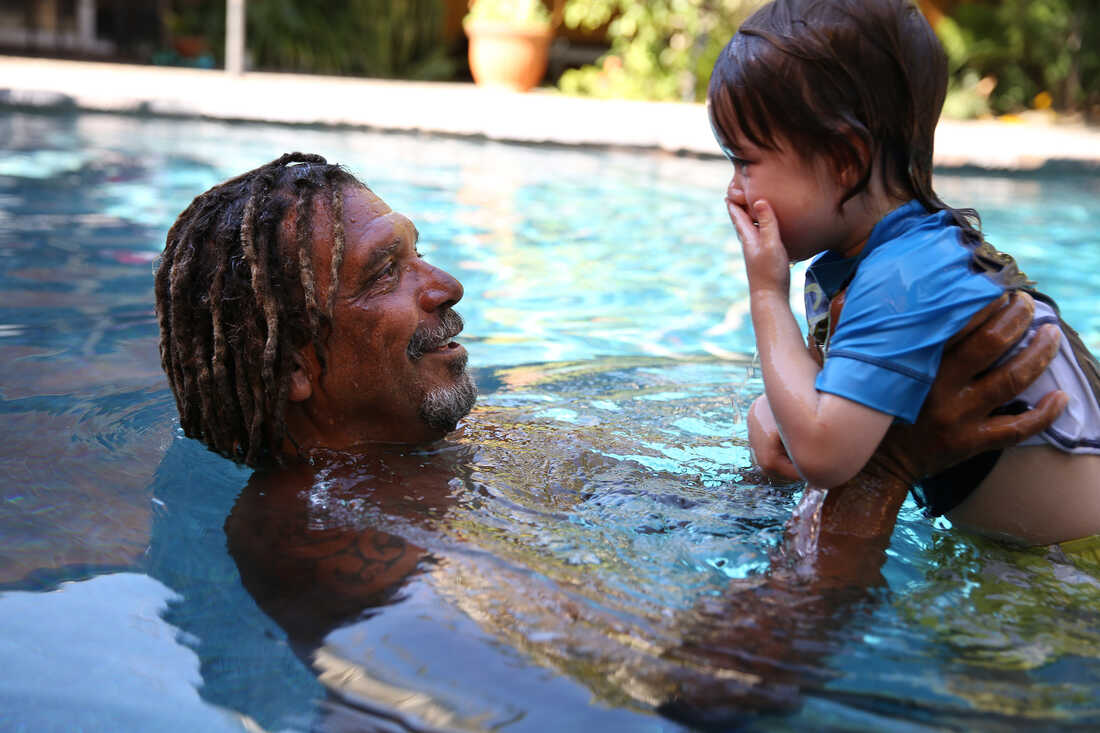
Highlights
- Champion and Record Holder: Revolutionary achievements in competitive swimming coupled with enduring records.
- Inclusive Teaching: Pioneering use of sign language to effectively instruct both hearing and deaf or hard-of-hearing children.
- Innovative Pedagogy: A patient, game-based, step-by-step approach that empowers children and fosters self-confidence.
Introduction
Lina Miežienė is a distinguished Lithuanian swimming coach recognized for her significant achievements as a multiple-time national champion and record holder. Beyond her success in competitive swimming, she has passionately dedicated herself to the field of swimming instruction, particularly focusing on teaching children. Her innovative teaching philosophy, which incorporates both traditional methods and inclusive techniques such as sign language, sets her apart as an exceptional educator in the realm of aquatic sports.
A Multifaceted Career in Swimming
Competitive Swimming Achievements
As a multiple-time champion in Lithuania, Lina Miežienė’s swimming achievements have solidified her reputation as one of the nation’s top athletes. Her record-setting performances in various competitions highlight her technical expertise, endurance, and competitive spirit. These accomplishments not only underscore her personal dedication but also serve as an inspiration for her students and other aspiring swimmers.
Transition to Teaching
After establishing a successful competitive career, Miežienė seamlessly transitioned into teaching, bringing with her a wealth of experience, discipline, and technical knowledge. Her role as a swimming coach at the Lithuanian Children and Youth Center has allowed her to influence generations of young swimmers, encouraging them to adopt healthy lifestyles through the sport of swimming.
Innovative and Inclusive Teaching Methods
Patient and Step-by-Step Approach
One of the core elements of Lina Miežienė’s teaching philosophy is her commitment to adapting her methods to the unique needs of each child. She advocates for a patient, step-by-step approach to learning swimming. Recognizing that every child learns at their own pace, she creates an environment where gradual progression is celebrated. This method not only helps in building technical skills in the water but also substantially boosts a child’s self-confidence.
Use of Games in Instruction
In her classes, playful activities are used as both an instructional tool and a means of building interpersonal relationships among the students. By incorporating games into her lessons, Miežienė ensures that swimming becomes a fun and engaging activity. This method contributes to a relaxed yet focused environment where children learn essential swimming skills while enjoying themselves. The interactive nature of these sessions helps reduce anxiety around learning a new sport, encouraging children to embrace challenges with enthusiasm.
Emphasis on Water Safety and Development
Miežienė’s teaching goes beyond just imparting swimming skills; she strongly emphasizes water safety, hygiene, and the overall development of a child's physical and mental well-being. Her lessons are designed to familiarize children with water environments, fostering an appreciation for water as both a recreational and developmental space. She views swimming as a crucial tool for physical fitness, contributing to the strength of the body, the establishment of healthy habits, and the nurturing of a sound mind.
Inclusive Education through Sign Language
One of the remarkable facets of Lina Miežienė’s career is her commitment to inclusive education. In recognizing the diverse needs of her students, she has taken the initiative to learn sign language. This unique skill enables her to effectively communicate with deaf or hard-of-hearing children, ensuring they receive the same quality of instruction as their hearing peers. By integrating sign language into her teaching routine, she fosters an inclusive atmosphere where every child, regardless of their hearing ability, feels supported and understood.
Professional Techniques and Pedagogical Strategies
Adapting Instruction to Individual Needs
Miežienė’s approach is characterized by her ability to customize lessons according to the varying capabilities and learning styles of her students. She patiently identifies each child’s strengths and challenges, tailoring her methodology to maximize learning outcomes. This individualized attention not only contributes to efficient skill acquisition but also helps in mitigating any potential anxieties or fears related to swimming, thereby ensuring a safer and more productive learning experience.
Integration of Pedagogical Experience
With extensive pedagogical experience, Miežienė applies a wide range of teaching strategies that span beyond the pool. Her methodology incorporates elements of behavioral learning, positive reinforcement, and experiential education. By combining theoretical knowledge with practical application, she provides a comprehensive learning environment that supports cognitive, social, and physical development. Her techniques have proven effective across various age groups and developmental stages, making her an authority in both competitive swimming and general aquatic education.
The Role of Family and Community
Believing that swimming is a valuable life skill, Miežienė also encourages family involvement in the learning process. She advocates for parents to play an active role in teaching and supporting their children in swimming. This family-centric approach not only improves water safety awareness at home but also strengthens community bonds. Inclusive family engagement in swimming lessons has broader societal benefits, promoting a culture of fitness, safety, and mutual support.
Curriculum and Training Methods
Structured Lesson Plans
The curriculum designed by Lina Miežienė is both methodical and dynamic. It is built around the understanding that skill development in swimming requires a balance between structured exercises and creative, experimental learning. Her lesson plans integrate fundamental swimming techniques, water safety protocols, and drills that focus on enhancing physical coordination. This balanced approach ensures that children not only learn how to handle themselves in the water but also understand the importance of precaution and self-reliance.
Practical Applications and Real-life Scenarios
In addition to classroom-style instruction, practical application forms a crucial part of her teaching strategy. Miežienė often employs real-life scenarios and exercises that simulate emergency situations, equipping her students with the skills needed to react effectively in case of water-related mishaps. These exercises are integral to building not just swimming proficiency but also overall confidence in managing unforeseen challenges in the aquatic environment.
Focus on Long-Term Development
Understanding that the benefits of swimming extend well beyond childhood, Lina Miežienė places a strong emphasis on long-term development. Her coaching is aimed at instilling lifelong values of perseverance, discipline, and respect for one’s body. The psychological impact of mastering swimming, such as improved self-esteem and reduced anxiety, is equally valued alongside physical improvement. This holistic perspective on education reinforces the idea that swimming is not merely a sport but also a vital component of personal growth.
Innovations and Influences in Aquatic Education
Modern Techniques and Adaptations
Over the years, advancements in water safety and swimming techniques have influenced Lina Miežienė’s approach. She continually adapts her methods to incorporate the latest research in pedagogy and sports science. This willingness to adopt innovative techniques has allowed her to remain at the forefront of aquatic education and maintain her status as an influential figure in the sport.
Impact on National Swimming Culture
Miežienė’s influence extends deeply into the national swimming culture in Lithuania. By consistently promoting an environment that values skill, safety, and inclusivity, she has contributed significantly to reshaping the way swimming is taught and perceived. Her role as an educator has been pivotal in popularizing swimming among youth, ensuring that the sport continues to thrive at grassroots levels throughout the country.
Comparative Analysis of Teaching Approaches
Structured Methodologies vs. Innovative Practices
To illustrate the breadth of Miežienė’s teaching approach, consider the following comparison table that outlines the key elements of her methodologies:
| Aspect | Traditional Structured Approach | Miežienė’s Innovative Practices |
|---|---|---|
| Methodology | Step-by-step drills and rigorous routines | Patient, game-based, and adaptable instruction |
| Inclusivity | Standardized lessons for all | Customized to individual needs, inclusive of sign language |
| Engagement | Focused primarily on technique | Integrates playful activities to build confidence and relationships |
| Long-Term Development | Emphasizes skill acquisition | Fosters overall well-being, self-esteem, and lifespan fitness |
Pedagogical Impact on Youth
The methods employed by Lina Miežienė have demonstrated substantial positive impacts on young learners. Her approach ensures that children are not only equipped with necessary swimming skills but also receive an overall boost in self-confidence and mental resilience. By creating an inclusive and supportive learning environment, she reduces potential barriers for children with special needs, thereby fostering a more community-oriented and accessible swimming culture.
Challenges and Triumphs
Overcoming Barriers
Teaching swimming, especially to children with varying abilities, comes with its own set of challenges. Lina Miežienė has faced and overcome numerous such challenges by continuously adapting her teaching methods. One of the significant hurdles has been ensuring that all children feel safe and understood, regardless of any special needs they may have. Her proactive approach in learning sign language exemplifies her commitment to overcoming these barriers and ensuring every child has the support they need.
Building a Legacy
Through her innovative methods and relentless passion for swimming education, Miežienė has built a legacy that extends far beyond her individual achievements. Her contributions have influenced not only the next generation of swimmers but also the broader practices of water safety and inclusive coaching. Her legacy is a testament to the fact that dedication, adaptability, and a caring approach can transform how sports and education intersect.
Conclusion and Final Thoughts
Lina Miežienė stands as a beacon of excellence both in competitive swimming and in the realm of aquatic education. Her remarkable journey from a youthful champion to a revered swimming coach is enriched by her innovative teaching techniques that emphasize patience, inclusivity, and a fun learning environment. By integrating sign language into her curriculum, she has ensured that her instruction is accessible to all children, irrespective of their hearing abilities. This aspect of her work not only advances the cause of inclusive education but also strengthens community ties and family involvement in promoting water safety.
Her methodologies, which combine traditional structured approaches with innovative, game-based, and individualized teaching strategies, have proven successful across diverse groups of young learners. This fusion of competitive excellence with compassionate teaching makes Lina Miežienė a role model for educators and coaches worldwide. Her work reminds us that athletics is not solely about winning medals but also about nurturing confidence, resilience, and lifelong skills in every student.
In summary, Lina Miežienė is more than a champion; she is an educator, innovator, and an advocate for inclusive success in the world of swimming. Her career continues to inspire not only future swimmers but also educators who aspire to create constructive, supportive, and enriching learning environments. The legacy she builds today will undoubtedly pave the way for safe, engaging, and empowering aquatic education for generations to come.
References
- Lina Miežienė - SVJC
- Aquatic Life Tips - Lithuanian Children and Youth Center
- Inclusive Swimming Teaching - Lrytas
- Preventing Accidents in Swimming Lessons - Delfi
- Tips for Teaching Kids to Swim - Aina
Recommended
Last updated February 27, 2025