
Unlock Your B2B Potential: Mastering LinkedIn Lead Generation in 2025
Your comprehensive guide to attracting, engaging, and converting high-quality leads on the world's largest professional network.
LinkedIn has solidified its position as an indispensable platform for business-to-business (B2B) marketing and sales, particularly for generating high-quality leads. With over a billion professional users, it offers unparalleled access to decision-makers and niche audiences. Effectively leveraging LinkedIn for lead generation in 2025 requires a blend of strategic profile optimization, consistent engagement, smart use of platform features, and potentially, the careful application of automation tools. This guide synthesizes proven strategies and insights to help you build a robust lead pipeline.
Essential Insights for LinkedIn Lead Success
- Profile Optimization is Foundational: Your LinkedIn profile (personal and company) serves as your digital storefront. A complete, keyword-rich, and value-focused profile is crucial for attracting and converting potential leads.
- Content & Engagement Drive Relationships: Regularly sharing valuable content and actively participating in relevant discussions positions you as a thought leader and builds the trust necessary for lead conversion.
- Targeted Outreach & Ads Amplify Reach: Leveraging LinkedIn's search filters, Sales Navigator, and targeted advertising options (especially Lead Gen Forms) allows you to precisely reach and capture your ideal customer profile.
The Foundation: Optimizing Your LinkedIn Presence
Before actively seeking leads, you must establish a credible and compelling presence on LinkedIn. This involves refining your profile and strategically building your network.
Crafting a Lead-Generating Profile
Think of your LinkedIn profile as your landing page. It needs to clearly communicate who you are, what you do, and the value you offer.
Key Profile Elements:
- Professional Photo & Headline: Use a high-quality headshot. Your headline should go beyond your job title; highlight your expertise or the problem you solve (e.g., "Helping SaaS companies scale MRR through strategic partnerships").
- Compelling 'About' Section: This is your elevator pitch. Detail who you help, the challenges you address, and your unique value proposition. Incorporate relevant keywords your target audience might search for.
- Featured Section: Showcase your best work – case studies, testimonials, whitepapers, impactful posts, or links to valuable resources.
- Experience & Skills: Keep your work history updated, focusing on achievements rather than just responsibilities. Ensure your skills section reflects your expertise.
- Recommendations: Request and give recommendations to build social proof.
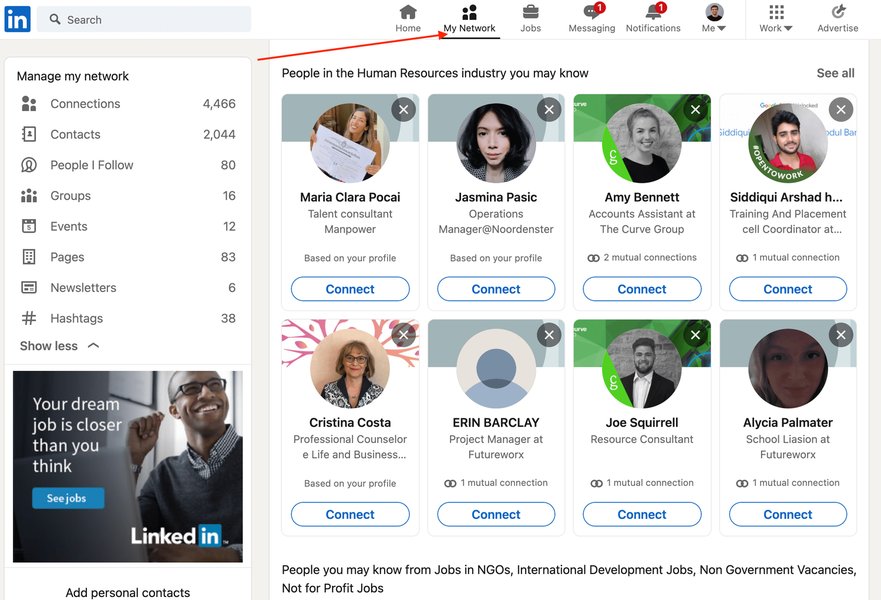
Optimizing profile sections like the headline and 'About' summary is key for visibility and connection.
Building a Strategic Network
Lead generation on LinkedIn is not just about numbers; it's about connecting with the *right* people.
Identifying Your Ideal Audience
Define your ideal customer persona (ICP) based on factors like industry, job title, company size, location, seniority, and specific challenges they face. Use LinkedIn's search filters (both free and advanced in Sales Navigator) to pinpoint individuals matching your ICP.
Personalized Connection Strategies
Avoid generic connection requests. Always personalize your invitation, mentioning a mutual connection, a shared group, a recent post they made, or a specific reason why connecting would be mutually beneficial. Focus on providing value from the outset.
Leveraging LinkedIn Groups
Join groups relevant to your industry, niche, or the interests of your target audience. Don't just join – participate actively. Answer questions, share insights, and engage in discussions. This builds visibility and establishes you as a helpful expert, attracting potential leads organically.
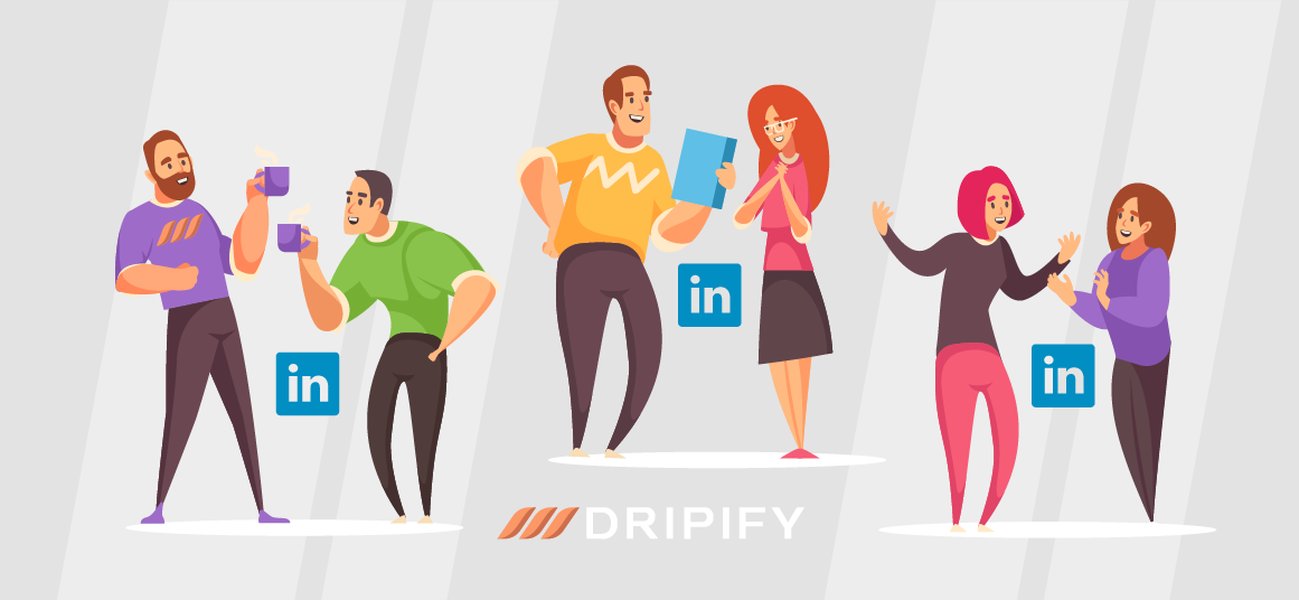
Strategic networking involves targeted connections and active group participation.
Content is King: Engaging Your Audience
Content marketing on LinkedIn is crucial for attracting inbound leads and nurturing connections. It demonstrates your expertise and keeps you top-of-mind.
Developing a Value-Driven Content Strategy
Your content should consistently provide value to your target audience. Focus on addressing their pain points, answering their questions, sharing industry trends, offering solutions, and showcasing success stories (case studies). Aim to educate, inform, and inspire rather than constantly selling.
Types of Engaging Content
Vary your content formats to keep your audience engaged:
- Text Posts: Share insights, ask questions, or start discussions.
- Articles: Publish long-form content directly on LinkedIn to establish thought leadership.
- Video: Short, informative videos tend to perform well.
- Images & Infographics: Visual content captures attention quickly.
- Polls: Engage your audience and gather opinions easily.
- Document Shares (Slideshows): Repurpose presentations or reports.
- Case Studies & Testimonials: Build credibility and social proof.
Consistency and Interaction
Establish a regular posting cadence (e.g., 2-3 times per week) to maintain visibility. Equally important is engaging with others. Like, comment thoughtfully on posts from connections and industry leaders, and respond promptly to comments on your own content. This interaction fuels the LinkedIn algorithm and fosters relationships.
Leveraging LinkedIn's Powerful Features
Beyond organic strategies, LinkedIn offers specific tools designed to accelerate lead generation.
Unlocking Potential with LinkedIn Ads
LinkedIn Ads allow for highly targeted campaigns based on precise professional demographics.
Sponsored Content & InMail
Promote your best-performing posts or send direct messages (InMail) to highly targeted audiences outside your immediate network. These formats can drive brand awareness and direct traffic to landing pages or Lead Gen Forms.
Lead Gen Forms Explained
LinkedIn Lead Gen Forms are a powerful tool integrated directly into Sponsored Content and Sponsored InMail campaigns. When a user clicks your ad's call-to-action, a form pre-filled with their LinkedIn profile information appears. This minimizes friction, making it easy for interested prospects to submit their details without leaving the platform, often resulting in higher conversion rates compared to sending traffic off-site.
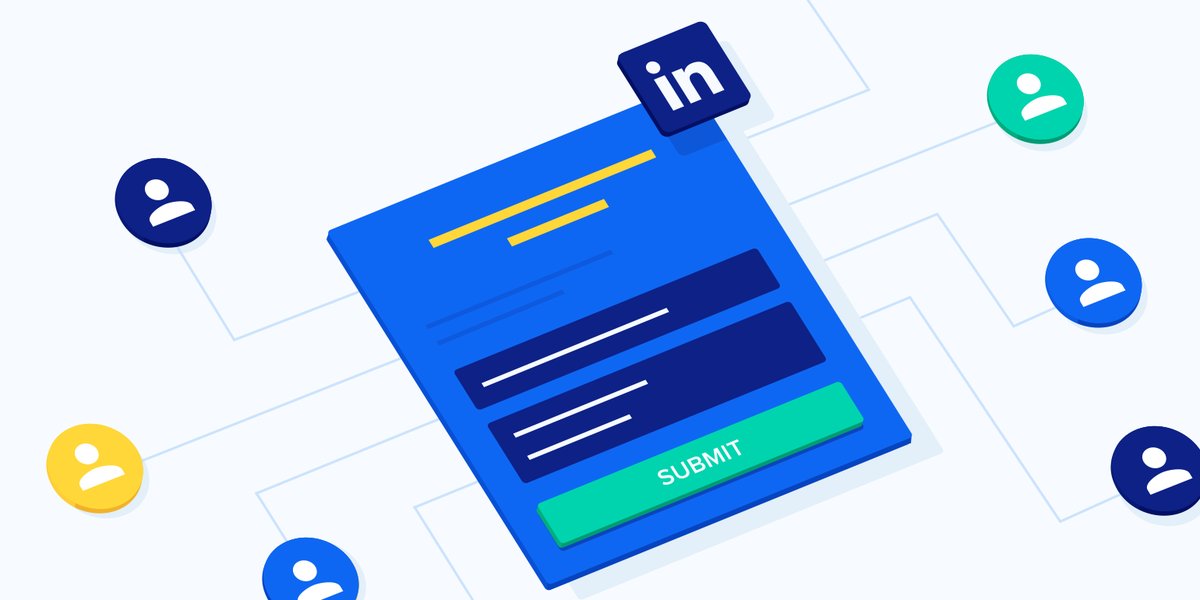
LinkedIn Lead Gen Forms simplify data capture directly within the platform.
The Role of LinkedIn Sales Navigator
LinkedIn Sales Navigator is a premium subscription designed for sales professionals. It offers advanced search filters, lead recommendations, the ability to save leads and accounts, and insights into prospect activity. While not strictly an automation tool, it significantly enhances your ability to find, track, and engage with the right prospects effectively, making outreach more targeted and informed.
Scaling Efforts: Automation Tools & Best Practices
Automation tools can significantly increase the efficiency of your LinkedIn lead generation efforts, but they must be used strategically and ethically.
Understanding LinkedIn Automation
Automation tools can handle repetitive tasks like sending connection requests, follow-up messages, and profile views at scale.
Benefits and Efficiency Gains
The primary benefit is saving time, allowing you to focus on building relationships and closing deals. These tools can manage outreach sequences, track responses, and sometimes integrate with CRM systems. Some sources suggest automation can increase lead generation significantly by ensuring consistent follow-up.
Ethical Considerations and Compliance
Crucially, LinkedIn's terms of service restrict the use of certain automation methods. Over-reliance on impersonal, high-volume automation can damage your reputation and potentially lead to account restrictions. Always prioritize personalization, relevance, and genuine interaction. Use automation to *augment* your efforts, not replace human connection. Ensure any tool you use operates within safe limits and respects LinkedIn's policies.
Popular Lead Generation Tools
Various third-party tools offer automation and prospecting features for LinkedIn. Here's a comparison of some frequently mentioned options (Note: Features and pricing change; always check the provider's website for current details):
| Tool | Primary Focus | Key Features | Considerations |
|---|---|---|---|
| LinkedIn Sales Navigator | Advanced Prospecting & Insights | Advanced search filters, lead/account saving, InMail credits, usage insights. | LinkedIn's official premium tool; essential for serious B2B sales but not primarily for automation. |
| Dripify | Messaging Automation & Sequencing | Automated connection requests, multi-step follow-ups, performance tracking, team management. | Focuses on creating automated outreach campaigns ('drip campaigns'). |
| Dux-Soup | Profile Visiting & Connection Automation | Automated profile visits, connection requests, endorsements, messaging; integrates with CRMs. | Popular Chrome extension; offers different tiers based on automation needs. |
| Meet Alfred / Waalaxy | Multi-channel Outreach Automation | Automates LinkedIn actions (connections, messages) and often integrates email/Twitter outreach. | Designed for creating complex, multi-platform sequences. Waalaxy often noted for user-friendliness. |
| Skylead / Expandi.io | Smart Sequencing & Personalization | AI-powered personalization, image/GIF personalization, conditional logic in sequences, safety features. | Focus on sophisticated, personalized automation with safety mechanisms. |
| SalesRobot / Lemlist | AI-Powered Outreach & Multi-channel | AI for personalization, LinkedIn + Email automation, contact finding capabilities. | Leverages AI to improve message relevance and combines channels. |
Note: The effectiveness and safety of third-party automation tools can vary. Always prioritize quality engagement over quantity and adhere to LinkedIn's user agreement.
Integrating with CRM Systems
For efficient lead management, integrate your LinkedIn lead generation activities with your Customer Relationship Management (CRM) system. Many automation tools offer direct integrations, or you can use tools like Zapier. This ensures leads are captured, tracked, and nurtured systematically throughout the sales funnel.
Visualizing LinkedIn Lead Generation Strategies
Understanding the interconnected components of LinkedIn lead generation can help structure your approach. The following diagrams illustrate the ecosystem and relative effectiveness of various tactics.
Mindmap: The Ecosystem of LinkedIn Leads
This mindmap outlines the core pillars and activities involved in a comprehensive LinkedIn lead generation strategy, showing how different elements work together.
(2025 Strategy)"] id1["Foundation"] id1a["Profile Optimization"] id1a1["Professional Headline & Photo"] id1a2["Keyword-Rich About Section"] id1a3["Featured Content"] id1a4["Complete Experience & Skills"] id1b["Strategic Networking"] id1b1["Identify ICP"] id1b2["Personalized Connections"] id1b3["Active Group Participation"] id2["Engagement Engine"] id2a["Content Marketing"] id2a1["Value-Driven Posts & Articles"] id2a2["Diverse Formats (Video, Polls)"] id2a3["Consistent Cadence"] id2b["Direct Interaction"] id2b1["Meaningful Comments"] id2b2["Responding to Engagement"] id2b3["Personalized Messaging (Post-Connection)"] id3["Platform Leverage"] id3a["LinkedIn Ads"] id3a1["Sponsored Content"] id3a2["Sponsored InMail"] id3a3["Lead Gen Forms"] id3a4["Targeted Audiences"] id3b["Sales Navigator"] id3b1["Advanced Search"] id3b2["Lead Recommendations"] id3b3["Account Tracking"] id4["Efficiency & Scaling"] id4a["Automation Tools"] id4a1["Connection Requests"] id4a2["Follow-up Sequences"] id4a3["(Use Ethically & Sparingly)"] id4b["CRM Integration"] id4b1["Lead Capture"] id4b2["Nurturing Workflow"] id5["Measurement & Refinement"] id5a["Track KPIs"] id5a1["Connection Rate"] id5a2["Response Rate"] id5a3["Content Engagement"] id5a4["Ad Conversions"] id5b["A/B Testing"] id5c["Strategy Optimization"]
Radar Chart: Comparing Tactic Effectiveness
This radar chart provides a comparative visualization of the perceived effectiveness of various LinkedIn lead generation tactics for B2B scenarios in 2025. The scores (out of 10) reflect a blend of factors like lead quality potential, scalability, cost-efficiency, and effort required, based on common industry perspectives. Note that actual effectiveness varies significantly based on industry, execution, and target audience.
Measuring Success and Refining Your Approach
Effective lead generation requires continuous monitoring and optimization.
Key Metrics to Track
Monitor these metrics to gauge the performance of your LinkedIn lead generation efforts:
- Profile Views: Indicates visibility and interest.
- Connection Request Acceptance Rate: Measures the effectiveness of your outreach targeting and messaging.
- Content Engagement Rate: Likes, comments, shares on your posts signal content resonance.
- Messaging Response Rate: Shows how well your follow-up messages engage prospects.
- Lead Gen Form Conversion Rate: Tracks the performance of your LinkedIn Ads.
- Leads Generated: The ultimate measure of quantity.
- Lead Quality Score: Assess how well generated leads match your ICP.
- Cost Per Lead (CPL): Essential for evaluating the ROI of paid campaigns.
Continuous Improvement and A/B Testing
Use the data from your tracked metrics to refine your strategy. Don't be afraid to experiment:
- A/B Test Ad Creatives: Test different images, headlines, and calls-to-action in your LinkedIn Ads.
- Experiment with Content Formats: See which types of posts generate the most engagement.
- Refine Targeting Parameters: Adjust your audience criteria based on lead quality.
- Optimize Messaging: Test different connection request messages and follow-up sequences.
Regularly analyze what's working and what's not, and adapt your approach accordingly.
Video Insights: Mastering LinkedIn Strategy
Hearing directly from experts can provide valuable nuances and actionable tips. This video delves into effective LinkedIn lead generation strategies relevant for today's landscape.
Video discussing current LinkedIn lead generation strategies (Source: YouTube - SalesFeed).
This video explores specific tactics and frameworks for building a successful lead generation process on LinkedIn, covering aspects potentially including profile setup, outreach methods, content approaches, and leveraging platform tools effectively for B2B sales environments.
Frequently Asked Questions (FAQ)
How many connection requests should I send per day?
LinkedIn imposes limits on connection requests (around 100 per week is often cited as a safe guideline) to prevent spam. Focus on quality over quantity. Sending highly personalized requests to well-researched prospects yields better results and is safer for your account than mass, generic requests facilitated by aggressive automation.
Is LinkedIn Sales Navigator worth the cost?
For businesses heavily reliant on B2B sales and targeted outreach, Sales Navigator is generally considered a valuable investment. Its advanced search filters, lead saving/tagging capabilities, and insights significantly enhance prospecting efficiency and effectiveness compared to the free LinkedIn version. Evaluate its features against your specific lead generation needs and budget.
What's the difference between organic reach and paid ads on LinkedIn?
Organic reach relies on building your network and sharing valuable content that resonates with your connections and their networks. It builds trust and authority over time but has limited reach beyond your existing connections. Paid ads (like Sponsored Content or InMail) allow you to target specific demographics precisely, reach users outside your network, and often use features like Lead Gen Forms for direct lead capture. Ads require a budget but offer scalability and immediate visibility to targeted audiences.
Are LinkedIn automation tools safe to use?
Caution is advised. LinkedIn's official stance discourages or prohibits many third-party automation tools, especially those that operate aggressively or mimic human behavior poorly. Using such tools carries risks, including temporary or permanent account restrictions. If you choose to use automation, select tools known for safety features, use them sparingly, maintain high levels of personalization, and stay well within reasonable activity limits to minimize risk. Prioritize genuine engagement over automated volume.
Recommended Further Exploration
- Discover specific techniques to optimize your LinkedIn profile for attracting more leads.
- Explore the pros and cons of using LinkedIn Lead Gen Forms versus traditional website landing pages.
- Learn more about the risks and ethical guidelines for using automation tools safely on LinkedIn.
- Find out how to create a compelling content plan specifically designed to generate B2B leads on LinkedIn.
References
Last updated May 4, 2025