
Linux Unleashed: How an Open-Source Kernel Revolutionized Modern Technology
Exploring Linux's transformative impact on cloud computing, mobile devices, and embedded systems, backed by real-world examples.
Key Insights into Linux's Influence
- Dominance in Cloud Infrastructure: Linux serves as the backbone for the vast majority of public and private cloud environments, prized for its scalability, security, and cost-effectiveness.
- Foundation of Mobile Ecosystems: Through the Android operating system, the Linux kernel powers billions of mobile devices globally, fostering unprecedented innovation and accessibility.
- Powering Embedded Intelligence: Linux is a leading choice for embedded systems, from IoT devices to industrial controls, due to its flexibility, small footprint, and real-time capabilities.
Transforming the Cloud: Linux as the Infrastructure Engine
Linux has become the cornerstone of modern cloud computing, underpinning the infrastructure of the world's largest cloud providers, including Amazon Web Services (AWS), Google Cloud Platform (GCP), IBM Cloud, and Microsoft Azure. Its open-source nature, coupled with remarkable stability, security, and scalability, makes it the preferred operating system for deploying and managing vast server farms and data centers.

Linux powers the vast majority of servers in modern data centers.
Scalability and Efficiency
One of Linux's primary advantages in the cloud is its ability to scale efficiently. Its lightweight footprint and modular design allow cloud providers and users to tailor the operating system to specific needs, optimizing resource utilization. This efficiency translates directly into cost savings, a critical factor in the competitive cloud market. Linux excels at running virtual machines (VMs) and containerization technologies like Docker and Kubernetes, which are fundamental to cloud-native architectures. Kubernetes, a Linux Foundation project, is central to orchestrating containerized applications, enabling multi-tenant applications and microservices architectures.
Security and Stability
The inherent security features of Linux, combined with its open-source transparency and a vigilant global community, provide a robust platform for cloud deployments. Frequent updates and granular control over system permissions help mitigate threats in large-scale, multi-user environments. Its renowned stability ensures the high availability demanded by critical cloud services.
Case Studies in the Cloud
Financial Services Transformation
ActivTrades, a UK-based online broker, migrated its trading platforms to IBM Cloud, utilizing Linux-based VMware solutions. This move was driven by the need for rapid, reliable trade execution and real-time risk monitoring, highlighting Linux's capability to provide the performance and resilience required in high-stakes financial technology environments.
AI and Innovation
IBM Cloud leverages Linux-powered infrastructure to deploy sophisticated AI services like IBM Watson Assistant for various sectors, including finance and healthcare. This demonstrates Linux's role as an enabler for cutting-edge technologies within the cloud.
Broad Industry Adoption
Case studies from providers like AWS and consulting firms like Deloitte consistently show organizations across industries (healthcare, finance, retail) leveraging Linux on the cloud. They achieve significant cost savings, accelerate innovation cycles, enhance security postures, and build scalable, future-ready infrastructure by migrating workloads or building new applications on Linux-based cloud platforms.
Mobilizing the World: Linux at the Heart of Android
Linux's influence extends dramatically into the mobile technology sector, primarily through its role as the kernel for the Android operating system. Developed by Google and released in 2008, Android has become the dominant mobile OS, powering approximately 72% of smartphones worldwide, along with countless tablets, wearables, and other smart devices.
The Open-Source Catalyst
The use of the Linux kernel provided Android with a stable, secure, and versatile foundation. Crucially, its open-source nature (within the Android Open Source Project - AOSP) allowed hardware manufacturers unprecedented freedom to customize the OS for a diverse range of devices and price points. This flexibility democratized the smartphone market, enabling rapid innovation and driving adoption, particularly in emerging economies. It fostered a massive ecosystem of developers creating millions of applications, further solidifying Android's market dominance.
Beyond Smartphones
The versatility inherited from Linux allows Android to extend beyond phones and tablets. Android Auto, for instance, leverages the Linux kernel's capabilities to bring connectivity and applications safely into automotive infotainment systems. Similarly, Android TV and variations of Android power smart TVs and other consumer electronics, showcasing the adaptability of its Linux-based foundation.
Case Study: The Android Ecosystem
While specific company case studies detailing Linux's direct role *within* Android's success are less common than cloud examples, the entire Android ecosystem serves as a massive case study. The sheer scale of Android's deployment, the diversity of hardware it runs on (from low-cost phones to high-end tablets and specialized devices), and the vibrancy of its app market are testaments to the power of the open-source, Linux-based model in revolutionizing the mobile industry.
Intelligence Inside: Linux in Embedded Systems
Linux has become a powerhouse in the embedded systems market, operating systems designed for specialized computing platforms integrated within larger devices. Its adaptability, robustness, and lack of licensing fees make it an attractive choice for a vast array of applications, from tiny IoT sensors to complex industrial machinery and automotive systems.
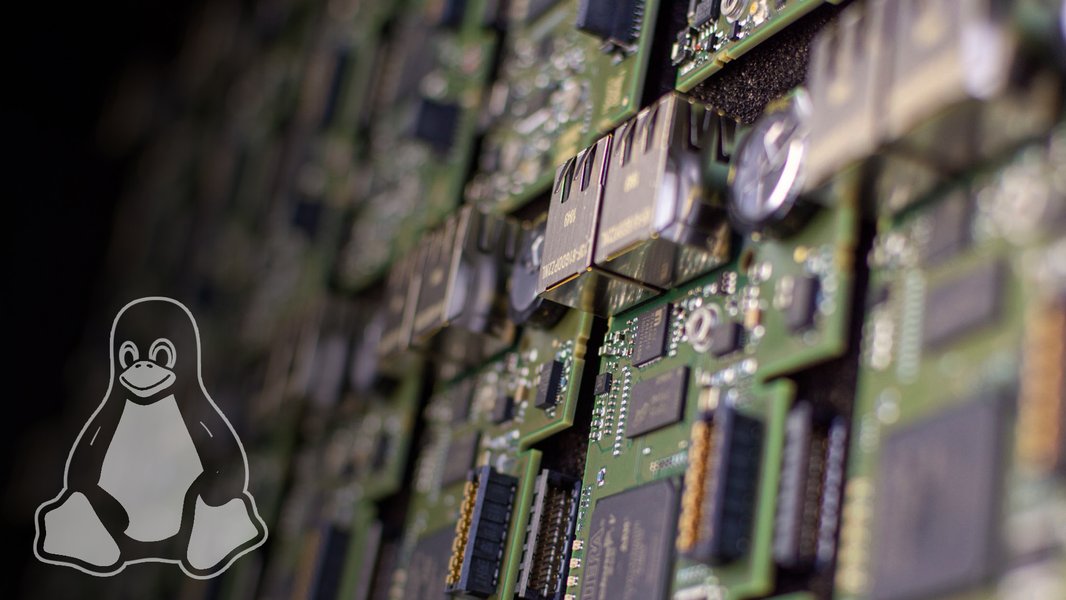
Linux provides a flexible foundation for industrial embedded applications.
Flexibility and Customization
One of Linux's key strengths in embedded systems is its configurability. Developers can tailor the Linux kernel and choose only the necessary components, resulting in a small memory footprint suitable for resource-constrained devices. Variants like RTLinux (Real-Time Linux) provide the deterministic performance required for time-sensitive industrial control or robotics applications. The ability to modify the source code allows for deep customization, optimization for specific hardware, and the development of custom device drivers.
Market Presence and Ecosystem
As of 2024, Embedded Linux holds a significant share (around 44%) of the embedded OS market, competing strongly with real-time operating systems (RTOS) like FreeRTOS. Distributions like Ubuntu Core, Yocto Project, and Buildroot provide frameworks and tools specifically designed for building embedded Linux systems. This strong ecosystem, coupled with extensive community support, lowers the barrier to entry for developers.
Use Cases and Case Studies
Internet of Things (IoT)
Linux is widely used in IoT gateways and more complex edge devices, benefiting from its networking capabilities and security features. Companies leverage embedded Linux distributions for their security, low maintenance costs, and ability to manage connected devices effectively, as highlighted by TuxCare.
Industrial and Automotive
In industrial automation, Linux controls machinery and processes, offering reliability and real-time responsiveness. The automotive sector uses Linux in infotainment systems (like Android Auto's foundation) and increasingly in Advanced Driver-Assistance Systems (ADAS) and vehicle control units, valuing its stability and security.
Healthcare and Consumer Electronics
Linux powers sophisticated medical devices like MRI machines and patient monitoring systems, where reliability and security are paramount. It's also found in numerous consumer electronics, including smart TVs, routers, and digital assistants.
The Linux Foundation showcases projects where embedded Linux solutions have driven business value in healthcare and consumer products by enabling scalable, reliable devices with faster time-to-market.
Comparing Linux's Impact Across Sectors
To visualize the relative strengths and impact of Linux across these key technological domains, the following chart compares its suitability based on several critical factors. These ratings reflect general trends and capabilities:
This chart illustrates Linux's high cost-effectiveness and community support across all sectors. Its scalability shines in the cloud, customization is paramount in embedded systems, and its influence via Android highlights its reach in mobile technology. Security is a strong point across the board, while real-time capabilities are particularly relevant for specific embedded applications.
Mapping Linux's Influence
The following mind map provides a visual overview of Linux's core attributes and its branching impact into the discussed technological sectors, highlighting key benefits and application areas.
This mind map illustrates how Linux's fundamental characteristics enable its widespread adoption and transformative effects within cloud, mobile, and embedded domains, supported by specific examples and use cases.
Linux Across Industries: A Summary Table
This table summarizes the key characteristics and impact of Linux within cloud computing, mobile technology, and embedded systems.
| Feature/Impact | Cloud Computing | Mobile Technology (via Android) | Embedded Systems |
|---|---|---|---|
| Primary Role | Infrastructure OS | Kernel for Dominant OS (Android) | Specialized Device OS |
| Key Benefits | Scalability, Stability, Cost-Efficiency, Security | Open Ecosystem, Wide Hardware Support, App Availability | Customizability, Small Footprint, Real-Time Options, Low Cost |
| Core Technologies | Virtualization (KVM), Containers (Docker, Kubernetes) | Android Open Source Project (AOSP) | Custom Kernels, Yocto Project, Buildroot, RTLinux |
| Examples | AWS, Azure, GCP Services, Private Clouds | Smartphones, Tablets, Android Auto, Smart TVs | IoT Devices, Industrial Controllers, Routers, Medical Equipment |
| Transformative Impact | Enabled modern cloud infrastructure and services | Democratized mobile computing and fostered app economy | Powered intelligent devices and the Internet of Things |
Linux's Journey: Innovation and Impact
The journey of Linux from a hobby project to a cornerstone of modern technology is remarkable. Its open-source philosophy has fostered collaboration and innovation on a global scale. The following video discusses Linux's broader impact on the computing landscape.
This video provides context on how Linux evolved and established itself as a significant force in the technology industry, touching upon the challenges and innovations that marked its path.
Frequently Asked Questions (FAQ)
Why is Linux so dominant in cloud computing?
Linux dominates the cloud due to its stability, security, scalability, and cost-effectiveness. Its open-source nature eliminates licensing fees, and its efficient resource usage is ideal for large-scale data centers. Furthermore, its strong support for virtualization and container technologies like Docker and Kubernetes makes it the foundation for modern cloud-native applications.
How exactly is Linux related to Android?
Android uses the Linux kernel as its core foundation. The kernel manages crucial functions like process management, memory management, device drivers (for display, audio, Wi-Fi, etc.), and security. While Android has its own user interface, application framework (like the Dalvik or ART runtime), and specific libraries, the underlying operations rely heavily on the modified Linux kernel provided through the Android Open Source Project (AOSP).
What makes Linux suitable for embedded systems?
Linux is highly suitable for embedded systems due to its flexibility and configurability. Developers can strip down the OS to include only necessary components, creating a small footprint for devices with limited memory and processing power. Its open-source code allows for deep customization and optimization for specific hardware. Additionally, variants like Real-Time Linux (RTLinux) cater to applications requiring precise timing, and its robust networking stack is ideal for connected IoT devices. The lack of licensing fees is also a significant advantage.
Are there different versions of Linux for these different sectors?
Yes, while the core Linux kernel is the common foundation, numerous Linux distributions (distros) are tailored for specific purposes. For cloud servers, popular distros include Ubuntu Server, Red Hat Enterprise Linux (RHEL), CentOS Stream, and SUSE Linux Enterprise Server. For mobile, Android uses a heavily modified Linux kernel. For embedded systems, developers often use tools like the Yocto Project or Buildroot to create custom Linux systems, or use specialized distros like Ubuntu Core or embedded versions from various vendors.
Recommended Further Exploration
- How does Linux compare to other operating systems used in cloud infrastructure?
- What specific modifications were made to the Linux kernel for Android?
- Explore specific examples of real-time Linux being used in industrial automation.
- Investigate the broader economic benefits driven by open-source software like Linux.
References


Last updated April 28, 2025