
"The Linux Odyssey: Navigating the Infinite Terminal"
A Satirical Journey Through the Quirks and Quibbles of Linux Enthusiasts
Key Takeaways
- The Command Line: The Sacred Gateway
- Customization Overload: Where Simplicity Goes to Die
- Community Chronicles: From Helpful Wizards to Keyboard Warriors
Introduction to the Linux Realm
Welcome to the illustrious world of Linux, where the terminal reigns supreme and every keystroke is a dance of precision and passion. This operating system is not just software; it's a lifestyle, a commitment, and for some, an unending quest for the ultimate configuration. Whether you're a seasoned sysadmin or a curious newcomer, Linux promises an experience that's as rewarding as it is perplexing.
The Sacred Gateway: Embracing the Command Line
No satire on Linux would be complete without paying homage to the command line. For many enthusiasts, the terminal is not merely a tool but a sacred gateway to the inner workings of their machine. Forget graphical interfaces and user-friendly shortcuts; here, every operation is executed with a precise command, often requiring a deep understanding of the underlying system.
The Myth of Simplicity
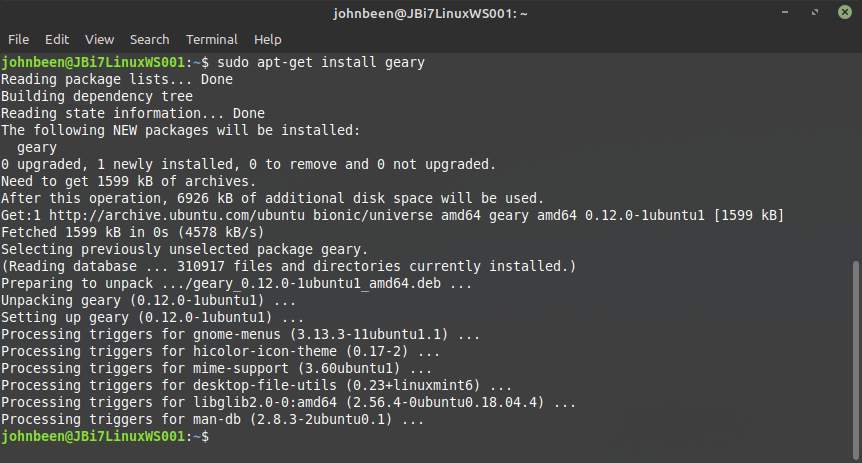
While other operating systems boast intuitive designs and point-and-click ease, Linux users revel in the complexity of command-line operations. Need to install software? A simple sudo apt-get install package-name will do, preferably executed within a meticulously customized terminal window that reflects your unique aesthetic sensibilities.
Irony and Exaggeration in Terminal Use
What's a Linux journey without a few ironic twists? Imagine explaining to a non-Linux user that opening a text editor via the terminal is more satisfying than using a graphical counterpart. Or jest about the endless joy of debugging obscure error messages that seem to communicate in a language only the most dedicated can decipher.
Customization Overload: Crafting the Perfect Environment
If the command line is the gateway, customization is the labyrinth through which Linux users navigate daily. From desktop environments to window managers, the options are as endless as they are overwhelming, each promising a more tailored and efficient user experience.
The Endless Buffet of Distributions
With hundreds of Linux distributions to choose from, selecting the right one is akin to choosing a new identity. Whether you're inclined towards the stability of Debian, the rolling releases of Arch, or the user-friendliness of Ubuntu, the decision process is both a rite of passage and a source of endless debate.
Tweaking and Tinkering: When Minimalism Becomes Myth
Once a distribution is chosen, the real fun begins. Customizing everything from the appearance of your terminal prompt to the behavior of your window manager can consume hours, days, or even weeks. The pursuit of the *perfect* setup often leads to a glorified form of digital alchemy, where each tweak is a spell cast towards ultimate system harmony.
| Distribution | Primary Focus | Typical Use Case |
|---|---|---|
| Arch Linux | Rolling Releases | Experienced Users Seeking Control |
| Ubuntu | Ease of Use | Newcomers and General Purpose |
| Debian | Stability | Servers and Critical Applications |
| Fedora | Cutting-Edge Features | Developers and Enthusiasts |
| Gentoo | Source-Based Customization | Users Who Love Building from Scratch |
Community Chronicles: Wizards and Warriors of the Linux Realm
The Linux community is a diverse tapestry woven from the threads of collaboration, passion, and, at times, unbridled enthusiasm. It's a place where wizards and keyboard warriors alike congregate to share knowledge, solve problems, and occasionally engage in spirited debates over the best configurations.
Forums and Fandom: The Eternal Debate
Online forums are the lifeblood of the Linux community, serving as hubs for troubleshooting, sharing tweaks, and, inevitably, debating the merits of various distributions. These discussions can range from the genuinely helpful to the absurdly pedantic, embodying the community's commitment to both excellence and, humorously, to their own versions of it.
The Art of the Fork
Forking repositories is not just a technical necessity but a form of creative expression. Each fork represents a unique vision of what Linux can be, often leading to fragmented but passionate sub-communities, each guarding their flavor of configurations with the zeal of a knight defending their realm.
Patches and Pull Requests: The Never-Ending Saga
Contributing patches is both a badge of honor and a test of endurance. It involves sifting through lines of code, understanding intricate dependencies, and sometimes navigating the bureaucratic labyrinth of pull requests. This process highlights the community's dedication to improving the system, even if it means wrestling with convoluted code for hours on end.
The Keyboard Warriors: Masters of the Terminal
Within the community, numerous individuals have earned the moniker "keyboard warriors" for their relentless pursuit of customization and optimization. These individuals are often seen as the heart and soul of the Linux ecosystem, pushing boundaries and setting standards that others aspire to meet.
Debating Systemd vs. Init: The Modern Crusade
One of the most heated debates revolves around system initialization systems. Systemd proponents argue for its modernity and comprehensive feature set, while traditionalists cling to the simplicity and reliability of Init. This debate encapsulates the broader tensions within the community between innovation and tradition.
The Eternal Quest for the Optimal Window Manager
Window managers are another battleground where enthusiasts showcase their prowess. From the minimalist tiling of i3 to the highly customizable AwesomeWM, choosing the right window manager is a personal journey that often sparks impassioned discussions on efficiency, aesthetics, and functionality.
The Humorous Side of Linux: Exaggerations and Irony
Satire thrives on exaggeration and irony, and the Linux community provides ample material. From the mythical complexity of installations to the over-the-top dedication to customization, the humorous aspects of Linux life are both endearing and laugh-out-loud funny.
The Ultimate User Guide: A Comedy of Errors
Imagine a user guide that begins with, "Step 1: Choose your distribution," and continues with relentless options that spiral into absurdity. By the time you're halfway through, you're already questioning whether you've stumbled into an existential maze designed to test your determination.
Infinite Configuration Steps
Each step in customization leads to another layer of complexity. What starts as a simple theme adjustment might evolve into a full-scale desktop overhaul, complete with status bars, widget configurations, and perhaps even ritualistic script executions at midnight to "align the system's chakras."
Error Messages: The Silent Comedians
Error messages in Linux are often cryptic and humorous in their own right. They serve as unintended punchlines, turning frustrating moments into opportunities for a good laugh. Messages like "Segmentation Fault: Core Dumped" are both technical alerts and comedic fodder.
Mascots and Symbols: The Hidden Irony
Linux mascots like Tux the penguin embody the playful and ironic spirit of the community. The choice of a penguin, an animal known for its resilience and adaptability, subtly mocks the system's robustness while celebrating its flexibility.
Tux: The Unexpected Hero
Who would have thought that a penguin would become the face of one of the most powerful operating systems? Tux symbolizes the understated strength and the somewhat ironic contrast between the simplicity of a cuddly animal and the complexity of the software it represents.
The Penguin's Journey: From Mascot to Meme
Over time, Tux has transcended its role as a mere mascot, becoming a staple in memes and humorous content. This evolution highlights the community's ability to self-deprecate and find humor in their dedication, reinforcing the camaraderie that binds Linux users together.
The Parody of Perfection: When Customization Goes Too Far
While customization is a hallmark of Linux, it can sometimes lead to humorous extremes. The pursuit of the perfect setup can result in a system that's more about personal expression than functionality, leading to a delightful parody of what an operating system is supposed to be.
The Desktop Environment Obsession
Desktop environments like GNOME, KDE, and XFCE offer a plethora of customization options, each promising a unique user experience. Enthusiasts spend countless hours tweaking these environments, often resulting in setups that are as visually stunning as they are impractical.
GNOME: Simplicity Overload
GNOME strives for simplicity, but in its quest to minimize, it sometimes removes functionality, prompting users to find creative workarounds. This paradox creates a humorous situation where adding complexity becomes a necessity to achieve the desired simplicity.
KDE: The Infinite Canvas
KDE's configurability is both a blessing and a curse. The ability to alter almost every aspect of the interface can lead to setups that are as diverse as the users themselves, resulting in a mosaic of creativity that borders on the absurd.
The Quest for the Perfect Window Manager
Window managers like i3, Awesome, and bspwm offer unique approaches to managing windows, each with its own set of rules and customization options. The relentless pursuit of the ideal window manager often leads to setups that are more about aesthetic perfection than practicality.
i3: The Tiling Titan
i3's tiling approach is praised for efficiency, but the learning curve can be steep. Users often find themselves navigating a maze of keybindings and configurations, transforming their workflow into a complex choreography of commands.
AwesomeWM: The Customization Conundrum
AwesomeWM's Lua-based configuration allows for unparalleled customization, but it also introduces a level of complexity that can be daunting. The balance between flexibility and manageability becomes a humorous tightrope that users must walk.
Conclusion: Embracing the Satirical Spirit of Linux
In the end, the satire surrounding Linux is a testament to its vibrant and passionate community. The quirks, the debates, and the relentless pursuit of customization all contribute to a rich tapestry that is as humorous as it is impressive. Embracing these aspects with a sense of humor not only fosters camaraderie but also highlights the enduring appeal of Linux as a platform for both serious work and lighthearted jest.
References
Last updated February 5, 2025