
The Lion's Bite Force: An In-Depth Analysis
Unveiling the Power Behind Africa's Apex Predator
Key Takeaways
- Average Bite Force: Lions possess an average bite force of 650 PSI, enabling effective hunting and prey subjugation.
- Maximum Bite Force: Strong individuals, particularly larger males, can exert up to 1,000 PSI, enhancing their dominance in the wild.
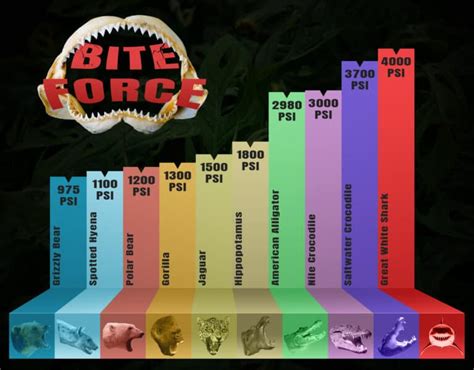
- Comparative Strength: While formidable, lions' bite force is surpassed by certain predators like crocodiles and hyenas, yet still superior to many others.
Understanding the Lion's Bite Force
The bite force of a lion, measured in pounds per square inch (PSI), is a critical facet of its predatory prowess. This force is not merely a measure of aggression but a fundamental tool that allows lions to effectively hunt, kill, and consume their prey. On average, a lion's bite force stands at around 650 PSI, with strong individuals, especially larger males, capable of exerting up to 1,000 PSI.
Anatomical Foundations of Bite Force
The impressive bite force of lions is a product of their robust skeletal and muscular structures. Key anatomical features contributing to this strength include:
- Massive Jaws: Lions have large mandibular muscles that facilitate powerful jaw movements, essential for generating significant bite pressure.
- Sharp Molars: The structure and alignment of their molars are designed to pierce and shear through flesh and bone, maximizing the efficiency of each bite.
- Strong Skull: A reinforced skull provides the necessary support to handle the stresses of high bite forces without inflicting damage to themselves.
Factors Affecting Bite Force
The bite force of a lion can vary based on several factors:
- Age: Younger lions typically have stronger bites due to more robust musculature, while older lions may experience a decline in bite force.
- Size: Larger lions, often males, possess greater muscle mass, contributing to higher bite forces compared to their smaller counterparts.
- Gender: Male lions generally exhibit stronger bites than females, aligning with their larger size and role in defending the pride.
- Health: Overall health and nutrition significantly impact a lion's ability to maintain muscle strength and bite force.
Comparative Analysis with Other Predators
While lions boast a formidable bite force, they are part of a broader spectrum of predators with varying degrees of bite strength. Understanding where lions stand in comparison provides context to their role as apex predators.
Lion Bite Force in the Predator Hierarchy
In the animal kingdom, bite force is a key indicator of a predator's ability to capture and process prey. Here's how lions compare:
| Animal | Bite Force (PSI) |
|---|---|
| Crocodile | 3,700 |
| Hyena | 1,100 |
| Great White Shark | 4,000 |
| Tiger | 1,050 |
| Jaguar | 1,500 |
| Lion | 650–1,000 |
| Domestic Dog (English Mastiff) | 550 |
| Human | 150–162 |
Implications of Comparative Bite Forces
The comparative bite force table highlights that while lions are not at the pinnacle in terms of bite strength—crocs and great white sharks lead—their bite force is significantly higher than that of humans and domestic animals. This substantial bite force, combined with social hunting strategies, ensures lions remain dominant hunters within their ecosystems.
Role of Bite Force in Hunting and Survival
The bite force of lions is integral to their hunting techniques and overall survival strategy. Here's how this physical capability influences their behavior and ecological niche:
Hunting Strategies Enhanced by Bite Force
Lions employ a combination of strength, strategy, and cooperation when hunting. The powerful bite force allows them to:
- Subdue Prey Efficiently: A strong bite can quickly incapacitate large animals, minimizing the risk of injury during hunts.
- Crush and Consume: The ability to crush bones and tendons ensures they can extract maximum nutrition from their prey.
- Defend Against Rivals: A formidable bite is also a defensive tool against other predators or threats within their territory.
Survival and Ecological Impact
As apex predators, lions play a crucial role in maintaining the balance of their ecosystems. Their bite force contributes to:
-
Population Control: By preying on herbivores, lions help regulate their populations, preventing overgrazing and promoting biodiversity.
-
Health of Prey Species: Lions often target the weak or sick individuals, which helps maintain the genetic health of prey populations.
-
Scavenger Support: Remnants of their kills provide food for a variety of scavengers, supporting the broader food web.
Anatomical and Physiological Factors Influencing Bite Force
The anatomy and physiology of lions are finely tuned to support their hunting and feeding behaviors. Several key factors influence their bite force:
Jaw Structure and Musculature
Lions possess a robust jaw structure with large temporalis and masseter muscles. These muscles are responsible for the elevation and closure of the jaws, respectively, enabling the high-pressure bite necessary for effective hunting.
Dental Composition and Function
The dental anatomy of lions is specialized for their carnivorous diet. Their canines are long and sharp, ideal for piercing and holding prey, while their carnassial teeth efficiently shear flesh from bone. This combination allows lions to maximize the utility of each bite.
Bone Density and Skull Reinforcement
A reinforced skull structure provides stability and support for the powerful jaw muscles. High bone density in the skull ensures that the forces generated during biting do not cause structural damage, allowing lions to exert maximum force without self-injury.
Bite Force Measurement Techniques
Accurately measuring the bite force of animals like lions involves sophisticated techniques to ensure precise and reliable data. Understanding these methods provides insight into the reported PSI values.
Direct Measurement
This method involves placing a bite force transducer between the jaws of a restrained animal. While it provides accurate measurements, it is invasive and ethically challenging, especially with large predators like lions.
Indirect Estimation
Researchers often use anatomical proxies to estimate bite force. This includes analyzing the size and muscle attachment points on the skull, as well as leveraging known data from related species to model bite force values.
Biomechanical Modeling
Advanced biomechanical models simulate the forces exerted by muscles and the structural integrity of bones to predict bite forces. These models incorporate variables such as muscle mass, bone density, and joint mechanics to provide comprehensive estimates.
Evolutionary Perspectives on Bite Force
The evolution of bite force in lions has been shaped by ecological pressures and dietary needs. Analyzing these aspects reveals how bite force has been optimized for survival and reproductive success.
Dietary Requirements and Prey Selection
Lions primarily prey on large ungulates such as zebras, buffalo, and wildebeests. The substantial bite force allows them to tackle these sizable and often formidable animals, ensuring that their dietary needs are met efficiently.
Competition and Predatory Hierarchy
In environments where multiple predators coexist, a strong bite force can be an evolutionary advantage. It allows lions to outcompete other predators like hyenas and cheetahs for prey resources, maintaining their status as apex predators.
Social Structure and Cooperative Hunting
Lions are unique among big cats for their social behavior, living and hunting in prides. This social structure reduces the reliance on individual bite force, as cooperative hunting strategies distribute the effort and risk among multiple members, allowing for the capture of larger prey.
Bite Force and Human Interactions
The impressive bite force of lions has implications for human-wildlife interactions, particularly in regions where human activities overlap with lion habitats.
Safety and Conservation Efforts
Understanding the capabilities of lions, including their bite force, is essential for developing effective safety protocols in conservation areas. It helps in designing enclosures, managing human-lion conflicts, and implementing education programs aimed at reducing negative encounters.
Impact on Livestock and Livelihoods
Lions occasionally prey on livestock, leading to conflicts with local communities. The knowledge of their bite force underscores the importance of implementing measures such as livestock protection and compensation schemes to mitigate these conflicts and promote coexistence.
Technological Advances in Studying Bite Force
Advancements in technology have enhanced the ability of researchers to study and understand the bite force of lions more accurately and ethically.
High-Speed Imaging and Motion Capture
These technologies allow scientists to observe and analyze the mechanics of a lion's bite in real-time, providing valuable data on the speed, force, and impact dynamics involved.
Non-Invasive Measurement Tools
Innovative tools such as pressure-sensitive mats and force plates offer methods to estimate bite force without restraining the animal, promoting ethical research practices while still yielding accurate measurements.
Computational Modeling and Simulation
Computational models simulate various scenarios of biting, allowing researchers to explore different variables and their effects on bite force. These simulations aid in predicting how changes in anatomy or behavior might influence bite strength.
Conclusion
The lion's bite force, ranging from 650 to 1,000 PSI, is a testament to its evolutionary success as an apex predator. While not the strongest in the animal kingdom, it is perfectly calibrated to meet the demands of their ecological niche. Coupled with their social hunting strategies, anatomical adaptations, and behavioral intelligence, the lion effectively dominates the ecosystems it inhabits.
Understanding the complexities of a lion's bite force not only highlights the intricacies of its biology but also underscores the importance of informed conservation efforts. As apex predators, lions play a crucial role in maintaining the balance of their environments, and appreciating their physical capabilities is essential for their preservation and the health of the ecosystems they support.
References
 instagram.com
Last updated January 19, 2025