
Liquidity Cascading
Unraveling the Dynamics and Implications in Financial Markets
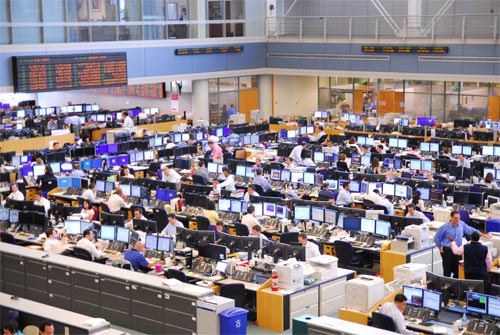
Key Insights
- Chain Reaction Mechanism: A small liquidity shock can trigger widespread forced liquidations and price declines.
- Market Interconnectedness: The phenomenon highlights how liquidity issues in one market segment can ripple throughout the entire financial system.
- Risk and Volatility: Liquidity cascades contribute significantly to market instability, emphasizing the importance of risk management strategies such as diversification and reduced leverage.
Introduction to Liquidity Cascading
Liquidity cascading is a critical phenomenon in modern financial markets characterized by a sequence of forced asset sales that occur as a direct result of a sudden liquidity shortage. This process generally begins with an isolated liquidity shock or a triggering event—such as margin calls, forced deleveraging, or unexpected market volatility—which forces market participants to sell assets rapidly. This initial wave of asset sales often causes asset prices to drop sharply, triggering additional rounds of liquidations. As a result, the originally contained liquidity problem cascades through interlinked market sectors, exacerbating price movements and contributing to market instability.
Although liquidity cascading is a phenomenon observed both in traditional financial markets and in newer market structures like cryptocurrency, its dynamics can vary across different environments. In highly leveraged markets or in markets with automated high-frequency trading systems, the speed and severity of the cascading process can be magnified, leading to more profound market disturbances.
Mechanisms Behind Liquidity Cascading
Triggering Events
Liquidity cascades often begin with a triggering event that instigates a sharp decline in liquidity. Some of the primary catalysts include:
- Margin Calls and Stop-Loss Triggers: When market volatility increases, brokers and exchanges might issue margin calls. If these calls cannot be met promptly, investors are forced to liquidate assets, causing further downward movement in prices.
- Leverage-Related Liquidations: Many modern trading strategies, particularly in cryptocurrency markets, rely heavily on leverage. If the collateral's value drops below a certain threshold, automatic liquidations are triggered, worsening liquidity shortages and accelerating the cascade.
- External Shocks: Broader financial crises, unexpected economic reports, geopolitical events, or changes in government policy can also serve as catalysts for an initial liquidity shock.
Chain Reaction Process
Once the triggering event occurs, the liquidity cascade proceeds via the following steps:
Initial Forced Sales
The first phase involves a market participant or a group of participants forced to liquidate assets due to liquidity pressures (e.g., margin calls). These sales place downward pressure on asset prices.
Price Impact and Broad Liquidations
The price decline caused by the initial sale triggers widespread alarm amongst investors, particularly those holding leveraged positions. Because these investors' positions are now under threat of further losses, many decide to sell, resulting in a self-reinforcing cycle where declining prices cause more liquidations.
Amplification Through System Interconnectedness
Due to the highly interconnected nature of financial markets, the initial liquidity shortfall in one area can quickly spread. For example, if banks, hedge funds, or trading platforms have exposure to similar asset classes, the problem can permeate across various sectors, intensifying the cascade and deepening market volatility.
High-Frequency Trading and Automated Systems
The advent of high-frequency trading (HFT) and algorithmic trading systems has accelerated the process of liquidity cascades. These automated systems are designed to react instantaneously to price changes and market signals, which means that any initial liquidity shock can be rapidly magnified as the systems automatically execute sell orders. This instantaneous reaction speeds up the cascade process, leading to larger and swifter price declines than what might occur under manual trading conditions.
Market Implications and Real-World Examples
Impact on Asset Prices and Volatility
Liquidity cascades directly impact asset prices in a manner that often disconnects the price from its underlying fundamentals. This means that even high-quality, fundamentally sound assets can experience dramatic drops in price solely due to temporary liquidity issues. Because the market experiences a built-in feedback loop, the initial sale leads to falling prices, which in turn forces additional liquidations, keeping the cascade active until an external intervention halts the process.
This phenomenon has been observed in various sectors:
- Cryptocurrency Markets: In crypto markets, where leverage is widespread and investor sentiment can be extremely volatile, liquidity cascades often lead to rapid devaluations of digital assets. The collapse associated with certain stablecoins and the triggered stop-loss orders serve as classic examples of cascading liquidations.
- Traditional Financial Markets: Even in more established markets, such as equities or bonds, liquidity shortages—often precipitated by sudden economic policy shifts or financial crises—have led to periods of extreme volatility and broadly affected asset valuations.
Broader Economic and Systemic Risks
Liquidity cascades raise serious concerns regarding systemic risk. The interconnectedness of markets means that a localized liquidity event can quickly become a global crisis if not contained. Such events can lead not only to temporary market dislocations but also to long-term issues such as credit freezes and enduring economic instability.
Regulatory bodies and market stakeholders are focused on understanding these dynamics to implement measures aimed at mitigating the negative consequences of liquidity cascades. These measures include establishing liquidity buffers, circuit breakers, and improved risk management practices across market participants.
Case Studies and Real-World Examples
To better understand liquidity cascading, it is helpful to examine a comparison of notable instances in both traditional and digital markets.
| Aspect | Traditional Markets | Cryptocurrency Markets |
|---|---|---|
| Trigger | Economic crises, margin calls, shifts in central bank policies | Margin liquidations, algorithmic stop-loss triggers, low investor sentiment |
| Speed | Slower due to more established regulatory frameworks and slower reaction times | Rapid, often within minutes due to high leverage and algorithmic trading |
| Feedback Loop | Involves more human decision-making; sometimes delayed | Highly automated; the feedback loop is almost immediate |
| Mitigation | Liquidity buffers, circuit breakers, coordinated policy interventions | Risk management via reduced leverage, diversified exposure, real-time monitoring |
This table illustrates how liquidity cascading manifests differently across various sectors, yet the underlying principles remain the same: an initial liquidity shock creates conditions that force market participants to sell assets, leading to a rapid and exponential drop in asset values.
Strategies for Mitigating Liquidity Cascades
Risk Management Techniques
In order to mitigate the severe impacts of liquidity cascades, market participants and regulators have developed and adopted various risk management strategies:
Diversification
Diversification remains one of the fundamental strategies for investors. By spreading investments across various asset classes, geographies, and sectors, the exposure to a liquidity shock in a single market segment is reduced. This lowers the probability that a cascading event in one sector will affect the overall portfolio drastically.
Reduced Use of Leverage
High leverage significantly exacerbates liquidity cascades because it forces rapid liquidation once asset values decline beyond a certain threshold. Investors are encouraged to use leverage cautiously or to avoid excessive leverage to reduce the risks associated with forced selling.
Stop-Loss and Automated Risk Controls
While stop-loss orders are designed to limit losses, they can unintentionally contribute to liquidity cascades if they are triggered en masse. Balancing automated risk controls with human oversight can potentially slow the cascade effect and provide investors with a buffer against sudden market moves.
Liquidity Buffers
Institutions often maintain liquidity buffers—reserves of highly liquid assets—to ensure that they have sufficient cash or near-cash resources available during periods of market stress. These buffers can be critical in avoiding a sudden liquidity shortfall that might exacerbate a cascade.
Regulatory Safeguards
Regulators play a pivotal role in curbing the risks associated with liquidity cascades. Some of the regulatory safeguards include:
- Circuit Breakers: In many stock exchanges, circuit breakers are mechanisms designed to temporarily halt trading if price movements exceed certain thresholds. This pause provides a cooling-off period that can prevent further, uncontrolled liquidations.
- Capital and Liquidity Requirements: Financial institutions are required to maintain minimum levels of capital and liquid assets, ensuring that they are better positioned to absorb shocks without resorting to rapid asset sales.
- Stress Testing: Regular stress tests help institutions and regulators identify vulnerabilities in the financial system that might lead to liquidity issues. These tests simulate adverse market conditions and help institutions prepare by adjusting risk management practices.
Institutional Strategies
Beyond individual risk management practices and regulatory oversight, institutions have implemented various strategies to preempt or mitigate liquidity cascades:
Real-Time Monitoring and Analytics
Advanced analytics and real-time monitoring of market conditions enable institutions to detect early signs of liquidity shortages. By analyzing order book dynamics, price variations, and volume shifts, market participants can rapidly adjust their strategies to mitigate the impact of a potential cascade.
Coordination Mechanisms
In times of market stress, coordinated actions among central banks and regulatory bodies have proven effective in preventing a liquidity crisis from escalating. Emergency liquidity facilities and coordinated policy interventions can provide the necessary liquidity to stabilize markets.
Enhanced Risk Management Systems
Many financial institutions have overhauled their risk management frameworks by integrating liquidity risk assessments into their broader market risk analysis. This integrated approach ensures that the potential for liquidity cascades is continuously evaluated and mitigated as part of overall risk management operations.
The Role of Market Structure and Participants
Market Microstructure and Liquidity Provision
The microstructure of a market, which encompasses the ways in which markets operate and the roles played by different participants, greatly influences the dynamics of liquidity. In well-functioning markets, liquidity is provided by a mix of market makers, high-frequency traders, and institutional investors who help absorb large trades without significant price changes. However, when one or more of these participants experiences a liquidity shock, the overall stability of the market is jeopardized.
Market makers, in particular, may face increased risk during a liquidity cascade since the rapid destruction of liquidity makes it difficult to match orders effectively. As liquidity providers withdraw from the market in an attempt to reduce exposure to risk, the spread between bid and ask prices widens, further deterring participation. This chain reaction significantly intensifies the liquidity cascade.
Feedback Loops and Pro-Cyclicality
A fundamental aspect of liquidity cascading is its pro-cyclical nature. When asset prices begin to fall due to forced liquidations, it not only prompts further selling, but it can also lead to a general loss of confidence among market participants. This loss of confidence can cause more market participants to liquidate their positions, thereby deepening the initial decline. In this context, liquidity cascades act as a feedback loop where each round of selling exacerbates the conditions for additional sell-offs.
This feedback loop is often compared to a "fire sale" scenario, where assets are sold at steep discounts simply because the market lacks the liquidity to stabilize the price. Therefore, the mortgaging of market confidence and liquidity can have long-lasting implications, including a prolonged period of market dysfunction and significant valuation losses.
Practical Implications for Investors
Understanding and Mitigating Your Exposure
For individual and institutional investors alike, understanding liquidity cascading is essential when forming a comprehensive investment strategy. Given the potential for rapid, systemic declines during liquidity crises, the following practical guidelines can help mitigate exposure:
- Portfolio Diversification: Investors should avoid overconcentration in a single asset class or sector to reduce the impact of a localized liquidity issue. Diversification across various asset classes can provide a natural hedge against cascading market events.
- Cautious Use of Leverage: While leverage can amplify gains in favorable market conditions, it can also exponentially increase losses during a liquidity cascade. Using leverage judiciously and understanding the risks associated with margin calls is critical.
- Regular Risk Assessment: Constantly reassessing risk exposure in a dynamic market environment, especially during times of increased volatility, helps investors be better positioned to respond to liquidity shocks.
- Monitoring Market Conditions: Staying informed about market trends, regulatory changes, and economic indicators can alert investors to early signs of liquidity stress and allow preemptive action.
The Evolving Landscape of Digital Assets
In the realm of digital assets, liquidity cascades have recently garnered significant attention. Cryptocurrencies, with their high leverage ratios and 24/7 trading, provide a vivid landscape where liquidity cascades can unfold with little warning. The architectural differences between traditional financial systems and digital platforms have led to innovative risk management approaches within the crypto space. Investors in cryptocurrencies must be especially vigilant about the risk of cascading liquidations, which can trigger market-wide price declines almost instantaneously.
Moreover, advancements in blockchain analytics and real-time monitoring tools are helping investors and regulators better understand liquidity flows within digital markets. These tools not only enable rapid response to emerging liquidity issues but also facilitate informed policy-making aimed at reducing systemic risks.
Conclusion and Final Thoughts
Liquidity cascading stands as one of the most critical and complex phenomena within financial markets today. The interplay between forced asset liquidations, market microstructure, and the accelerating effects of high-frequency trading creates an environment where even minor liquidity shocks can escalate into full-blown market crises. Whether observed in traditional finance or the rapidly evolving world of digital assets, the fundamental dynamics of liquidity cascades remind investors and regulators alike of the inherent interconnectedness and fragility of modern financial ecosystems.
Investors must take heed by implementing robust risk management techniques such as diversification, cautious leverage use, and real-time risk assessment. Additionally, regulatory bodies need to continue fortifying market infrastructure through mechanisms like circuit breakers and stress testing protocols to limit the adverse effects of these cascading events. As the landscape of financial markets evolves, particularly with the integration of digital assets, the understanding and management of liquidity risk will become increasingly paramount in safeguarding economic stability.
Ultimately, the key takeaway from understanding liquidity cascading is its demonstration of how a localized liquidity issue has the power to cause extensive market dislocations. By carefully studying these events and employing proactive risk management strategies, market participants can better navigate periods of uncertainty and work to ensure a more resilient financial environment.
References
- Unveiling the Inner Logic of Liquidity Spreads - Gate.io
- Cascading Liquidations Glossary - CoinMarketCap
- What Are Liquidation Cascades in Crypto - SimpleSwap
- Cascades in Financial Networks - TIOmarkets
Recommended Explorations
Last updated February 20, 2025