

Key Insights into "Literary" in Arabic
- أدبي ('adabiyy) is the primary and most direct translation of "literary" in Arabic, used to describe anything pertaining to literature or literary style.
- The term "literary" is profoundly rooted in أدب (Adab), a concept far broader than just "literature," encompassing etiquette, culture, moral refinement, and intellectual enrichment.
- Arabic literary expression is heavily influenced by بلاغة (Balāgha), the art of rhetoric, which emphasizes eloquence, persuasive communication, and the sophisticated use of language.
The concept of "literary" in Arabic extends far beyond a mere linguistic translation; it delves into a rich cultural and historical heritage. While the direct translation for "literary" is أدبي (pronounced 'adabiyy), its full meaning is inextricably linked to the broader term أدب (Adab), which embodies not only literature but also principles of good conduct, culture, and intellectual refinement. This deep connection highlights how Arabic literary traditions are intertwined with societal values and the pursuit of knowledge and eloquence.
The Core Translation: أدبي ('adabiyy)
The most common and direct translation for the English word "literary" into Arabic is أدبي ('adabiyy). This adjective form is used to describe anything related to literature, literary works, or literary style. For example, when speaking of a "literary work," the Arabic phrase would be عمل أدبي ('amal 'adabi), and for "literary arts," it would be الفنون الأدبية (al-funun al-'adabiyya). The feminine form of the adjective is أدبية ('adabiyya), used when describing a feminine noun, and الأدبية (al-'adabiyya) when the adjective is definite.
Unpacking the Root: أدب (Adab)
The term أدبي ('adabiyy) originates from the root word أ.د.ب (hamza, dal, ba), which gives rise to أدب (Adab). This word is central to understanding the comprehensive scope of "literary" in Arabic. Unlike the narrower English definition of literature, Adab encompasses a much broader spectrum of meaning, traditionally associated with:
- Etiquette and Politeness: In its classical usage, Adab referred to proper manners, good behavior, and social graces. This highlights the didactic and moral dimensions often present in early Arabic literary works.
- Culture and Refinement: Beyond just manners, Adab also signifies intellectual and cultural cultivation. It suggests a well-rounded individual who is learned, articulate, and possesses a refined sensibility.
- Intellectual Enrichment: The pursuit of Adab was seen as a path to intellectual growth and knowledge, extending to various fields of learning, not exclusively imaginative writing.
This historical depth means that when something is described as "أدبي" (literary), it often carries connotations of refinement, intellectual depth, and adherence to established cultural and linguistic standards, rather than simply being a piece of written fiction or poetry.
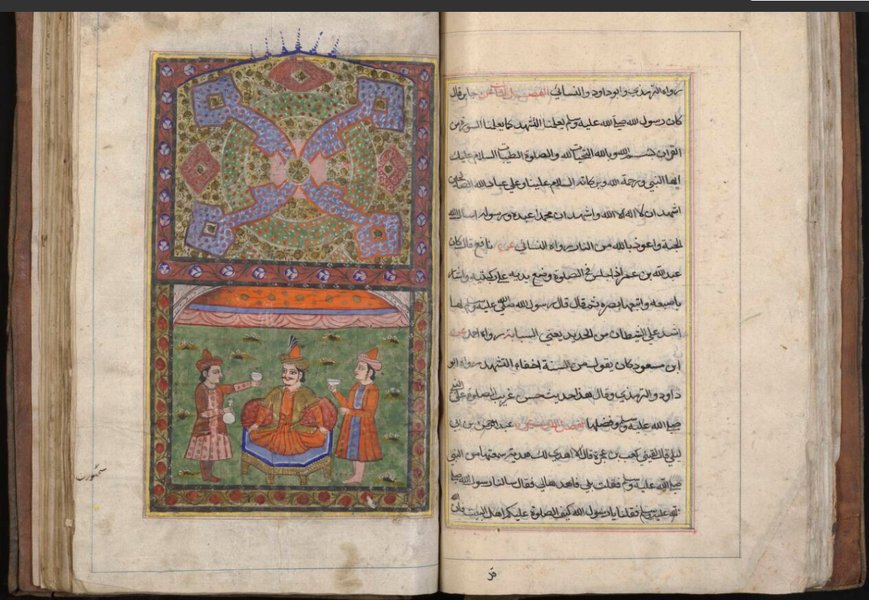
The Role of بلاغة (Balāgha) – Arabic Rhetoric
Central to the understanding and appreciation of Arabic literary expression is the concept of بلاغة (Balāgha), or Arabic rhetoric. Balāgha is the art of eloquent and effective communication, focusing on the intelligent and impactful use of language. It goes beyond mere grammatical correctness to explore how word order, figurative speech, and linguistic embellishments can enhance the meaning and emotional resonance of a message. It is traditionally divided into three sub-sciences:
- علم المعاني (ʿIlm al-Maʿānī - Science of Meanings): Focuses on the correct expression of meaning, ensuring that the chosen words and sentence structures convey the intended message precisely and appropriately for the context.
- علم البيان (ʿIlm al-Bayān - Science of Elucidation): Deals with clarity of expression and the use of figurative language, such as metaphors (Majāz), similes (Tashbīh), and euphemisms (Kināya), to make the meaning vivid and impactful.
- علم البديع (ʿIlm al-Badīʿ - Science of Embellishment): Concentrates on artistic embellishments and stylistic devices that add beauty and ornament to speech, such as alliteration, assonance, and various forms of wordplay.
Understanding Balāgha is crucial for anyone studying Arabic literature, as these rhetorical devices are not just decorative but are integral to the meaning, persuasiveness, and aesthetic appeal of texts, including the Quran.
Diving Deeper into Arabic Literary Terminology
The study of Arabic literature involves a specific lexicon of technical terms and devices that are comprehensively defined in specialized dictionaries. These terms cover various aspects, including:
- Rhetorical devices (e.g., Majāz, Kināya, Iltifāt, Tamdīd)
- Common themes and motifs found across different periods
- Key concepts that shape Arabic literary thought
- Historical periods and the evolution of literary styles
- Different literary schools, movements, forms, and genres
- Significant figures and their contributions to Arabic literature
Historical Evolution of Arabic Literature
Arabic literature boasts a rich history spanning over 16 centuries, originating from the Arabian Peninsula and spreading across vast geographical regions, including Andalusia (Islamic Spain). This extensive body of written works reflects the societal, political, and cultural transformations of the Arab world across different eras:
- Pre-Islamic Period: Characterized by a strong oral tradition, primarily poetry (e.g., the Mu'allaqat), which often celebrated tribal values, heroism, and natural beauty.
- Islamic Golden Age: Marked by the profound influence of the Quran, which is considered the pinnacle of Arabic literary and rhetorical excellence. This era saw the development of various literary forms, including religious texts, historical accounts, scientific treatises, and sophisticated poetry.
- Modern Arabic Literature: Continues to evolve, incorporating new forms and themes while maintaining connections to classical traditions. This period has seen the rise of novels, short stories, and plays that address contemporary social and political issues.
The Interplay of Literature, Language, and Culture
The concept of "literary" in Arabic is a testament to the profound connection between language, culture, and intellectual development. The emphasis on eloquence, precise expression, and the moral dimensions of language differentiates Arabic literature. This rich tradition is not just about storytelling or poetic expression; it's about shaping character, preserving heritage, and conveying wisdom through the masterful use of the Arabic language.
This mindmap provides a structured overview of the concept of "literary" in Arabic. It branches out from the direct translation "أدبي" to its root "أدب," detailing the historical and cultural layers, and then connects to "بلاغة" (rhetoric), which is fundamental to Arabic literary expression. The mindmap also touches upon the historical development and key aspects of Arabic literature, illustrating the interconnectedness of these concepts.
Comparative Analysis of Literary Elements
To further illustrate the multifaceted nature of "literary" in Arabic, consider the following comparison of key literary elements across different periods:
| Literary Element | Pre-Islamic Period | Islamic Golden Age | Modern Arabic Literature |
|---|---|---|---|
| Dominant Form | Oral Poetry (Qasīda) | Poetry, Prose (Adab, scientific treatises, religious texts) | Novels, Short Stories, Plays, Poetry |
| Key Themes | Tribal pride, chivalry, nature, love, lament | Religious devotion, philosophy, history, scientific inquiry, Sufism | Social issues, political commentary, identity, diaspora, human condition |
| Rhetorical Emphasis | Eloquence, vivid imagery, strong emotional impact | Clarity, precision, intricate metaphors, persuasive argumentation (Balāgha) | Symbolism, stream of consciousness, realism, experimentation |
| Didactic Purpose | Indirect (through moral tales, wisdom) | Strong (moral guidance, religious instruction, intellectual enrichment) | Varies (social critique, psychological insight, aesthetic pleasure) |
This table showcases how literary elements evolve while maintaining the underlying Arabic linguistic and cultural sensibilities that define what is "أدبي."
Understanding Rhetorical Impact in Arabic Literature
The emphasis on rhetoric in Arabic literature is not merely an academic exercise; it deeply impacts how literary works are received and interpreted. Rhetorical devices serve to:
- Enhance Persuasion: By strategically employing figures of speech and word order, authors can make their arguments more convincing and emotionally resonant.
- Deepen Meaning: Metaphors and similes add layers of interpretation, allowing for multiple readings and a richer understanding of the text.
- Elevate Aesthetic Value: The beauty of the language, with its intricate patterns and sound devices, is highly valued, making the act of reading or listening a profound artistic experience.
- Connect to Cultural Context: Many rhetorical devices draw on shared cultural knowledge and historical references, strengthening the bond between the text and its audience.
Video Deep Dive: Arabic Literature Reading
The video titled "Arabic Literature Reading - الغد (Lesson 1)" offers a direct engagement with Arabic literary texts. It features a lesson on reading Arabic literature, specifically an article by the renowned Egyptian writer Mustafa Lutfi Al-Manfalouti. This video is highly relevant as it provides a practical example of how Arabic literature is studied and appreciated. It gives insights into the nuances of reading and understanding literary works in Arabic, demonstrating the application of grammatical and rhetorical principles discussed previously. For anyone looking to deepen their understanding of "literary" in Arabic, engaging with actual literary readings like those presented in this video is invaluable, as it bridges theoretical knowledge with practical comprehension.
Frequently Asked Questions (FAQ)
What is the direct translation of "literary" in Arabic?
How does "Adab" relate to "literary" in Arabic?
What is the significance of "Balāgha" in Arabic literature?
Are there different forms of the word "literary" in Arabic based on gender?
Conclusion
The term "literary" in Arabic, primarily translated as أدبي ('adabiyy), is deeply embedded in the rich cultural and historical concept of أدب (Adab). This connection signifies that Arabic literature is not merely a collection of written works but a reflection of etiquette, cultural refinement, and intellectual pursuit. Furthermore, the strong emphasis on بلاغة (Balāgha), or rhetoric, underscores the Arabic tradition of valuing eloquent and impactful linguistic expression. To truly grasp what "literary" means in Arabic is to appreciate this intricate interplay of language, culture, and historical evolution, recognizing the profound depth and artistry that define Arabic literary traditions.
Recommended Further Exploration
- Explore the fascinating history of Arabic poetry and its traditional forms.
- Discover the profound influence of the Quran on Arabic literature and rhetorical traditions.
- Delve into modern Arabic novels and the diverse themes they address in the contemporary world.
- Learn about the most influential figures who shaped classical Arabic literature.