
Unlocking Academic Excellence: The Profound Link Between Reading Literature and Scholarly Success
Explore how deep engagement with literary texts can elevate your understanding, critical skills, and overall academic performance.

Students engrossed in literary texts, a pathway to enhanced academic abilities.
Key Insights: Literature's Impact on Academic Prowess
- Enhanced Cognitive Abilities: Engaging with literature demonstrably sharpens reading comprehension, critical thinking, analytical skills, and vocabulary, forming a strong foundation for academic success across disciplines.
- Strategic Study is Paramount: Employing effective reading and study strategies—such as active reading, thorough annotation, contextual research, and consistent review—is vital for a profound understanding and appreciation of literary works.
- Holistic Academic Benefits: The advantages of reading literature are not confined to English studies; they positively influence performance in subjects like history, science, and mathematics by fostering transferable skills and broader knowledge.
The Symbiotic Relationship: Reading Literature and Academic Achievement
The journey through literary landscapes is far more than a leisurely pursuit; it is a powerful catalyst for academic growth. Research consistently underscores a significant positive correlation between dedicated engagement with literature and enhanced academic performance. This connection isn't merely coincidental but is rooted in the cognitive and analytical skills that reading literature cultivates.
Building a Foundation for Success
Students who immerse themselves in reading, particularly literature appropriate to their comprehension level, tend to exhibit superior academic results. This is not limited to language arts; the benefits permeate various subjects. For instance, studies have shown that frequent readers often achieve higher scores in subjects as diverse as biology and mathematics. The correlation (often represented statistically as \(r\)) between reading habits and achievement in English, for example, has been found to range significantly, with some studies indicating values from \(r = 0.314\) to \(r = 0.721\), signifying a moderate to strong positive relationship. This suggests that as reading habits improve, so does academic performance in related areas.
Vocabulary and Writing Proficiency
One of the most direct benefits of regular literary engagement is a marked improvement in vocabulary and writing skills. Literature exposes readers to a rich tapestry of words, sentence structures, and stylistic nuances. Avid readers often unconsciously absorb these elements, which then manifest in their own written and verbal communication. They become more adept at understanding complex texts and articulating their thoughts with clarity and sophistication. Furthermore, consistent exposure to well-crafted narratives and arguments hones their ability to critically assess the writing of others, a valuable skill in academic peer review and critical analysis.
Cultivating Confidence and Knowledge
As students develop stronger reading skills through literature, they naturally gain confidence in their academic abilities. This newfound confidence, coupled with an expanding knowledge base drawn from diverse texts, opens doors to success across the entire curriculum. Literature often serves as a window to different cultures, historical periods, and human experiences, enriching a student's general knowledge and fostering a more nuanced understanding of the world.

Bookshelves laden with literature symbolize the vast knowledge and diverse perspectives awaiting readers.
Mastering the Art of Literary Analysis: Effective Strategies
To truly excel in the study of literature, one must move beyond passive reading and adopt active, strategic approaches to textual engagement. These methods not only improve comprehension and retention but also cultivate the critical thinking skills essential for academic success.
Active Reading and Comprehension Techniques
Effective reading is an interactive process. It involves constant engagement with the material, questioning assumptions, and making connections. Key strategies include:
- Monitoring Comprehension: Regularly pausing to check understanding, summarize passages, and identify any confusing elements.
- Metacognition: Being aware of one's own thought processes while reading—reflecting on how one is interpreting the text and adjusting strategies as needed.
- Annotation and Note-Taking: Reading with a pen or pencil in hand to highlight key passages, jot down questions, summarize sections in the margins, and note recurring themes or symbols. These notes become invaluable for later review and essay writing.
- Questioning the Text: Actively posing questions about character motivations, plot developments, authorial choices, and thematic implications. This fosters a deeper analytical engagement.
- Predicting and Summarizing: Attempting to anticipate future events in a narrative and regularly summarizing what has been read helps consolidate understanding and track complex plotlines.
- Making Connections: Linking the text to personal experiences, other literary works, historical events, or contemporary issues. This enhances relevance and aids memory.
- Visualizing and Verbalizing: Creating mental images of scenes and characters, and articulating thoughts and interpretations, can clarify meaning and deepen immersion.
The Importance of Context
Literature does not exist in a vacuum. Understanding the author's background, the historical period in which the work was written, and the cultural milieu surrounding it is crucial for accurate interpretation. This contextual knowledge illuminates themes, symbols, and authorial intent that might otherwise be missed, significantly enhancing academic performance in literature analysis.
Structured Study Approaches
Developing consistent study habits is key. This includes:
- Reading Aloud: Especially beneficial for poetry and drama, reading aloud helps in grasping rhythm, tone, and nuances of language.
- Periodic Review: Regularly revisiting notes and summaries, perhaps transferring them to a digital format for better organization and accessibility.
- Vocabulary Development: Keeping a log of unfamiliar words, looking up their definitions, and practicing their usage in different contexts.
- Creating Outlines: Structuring the main ideas, plot points, and thematic developments of a text can provide a clear overview and aid in essay preparation.
Visualizing Literary Engagement Impact
The radar chart below illustrates the potential impact of various engagement strategies on key areas of literary competence, which contribute to overall academic performance. The scores are representational, highlighting how different approaches can strengthen specific skills. For instance, "Active Reading" significantly boosts Comprehension and Critical Analysis, while "Contextual Research" is vital for a nuanced Understanding of Context.
Strategic Approaches to Literary Study
Excelling in literature involves more than just reading; it requires strategic engagement and thoughtful analysis. The following table outlines key strategies and their direct impact on academic performance when studying literature.
| Strategy | Description | Impact on Academic Performance |
|---|---|---|
| Active Annotation | Marking up texts with notes, questions, highlights, and summaries in the margins. | Enhances recall of key details, promotes critical engagement, facilitates easier review for exams and essays. |
| Summarizing Sections | Periodically condensing the main ideas or plot developments of what has been read. | Improves comprehension of complex narratives and arguments, aids in identifying core themes. |
| Questioning the Text | Posing 'why,' 'how,' and 'what if' questions about characters, plot, themes, and authorial choices. | Develops analytical and critical thinking skills, encourages deeper textual exploration. |
| Contextual Research | Investigating the author's life, historical period, and cultural influences relevant to the text. | Deepens interpretation by providing background, clarifies allusions and themes, leads to more nuanced analysis. |
| Using Graphic Organizers | Employing tools like mind maps, timelines, or character webs to visualize relationships and structures. | Helps organize complex information, clarifies relationships between textual elements, aids in understanding structure. |
| Peer Discussion | Engaging in conversations with classmates about interpretations and insights. | Exposes students to diverse perspectives, refines their own arguments, enhances understanding through collaborative learning. |
| Vocabulary Logging | Keeping a record of new or challenging words encountered, along with their meanings and usage. | Expands vocabulary, improves reading fluency and comprehension of sophisticated texts. |
By consistently applying these strategies, students can transform their reading of literature from a passive activity into an active, intellectually stimulating process that directly contributes to higher academic achievement.
Visualizing the Web of Influences on Literary Academic Performance
Academic success in reading literature is not solely dependent on one factor but is an interplay of various elements. The mindmap below illustrates the key interconnected areas that contribute to a student's performance. It highlights how core skills are developed through effective strategies, influenced by personal and environmental factors, ultimately leading to broader academic impacts.
Reading Literature"] id1["Core Skills Enhanced"] id1a["Reading Comprehension"] id1b["Critical Thinking & Analysis"] id1c["Vocabulary Expansion"] id1d["Writing Proficiency"] id1e["Cultural Awareness & Empathy"] id1f["General Knowledge"] id2["Effective Study Strategies"] id2a["Active Reading Techniques"] id2a1["Annotation & Note-Taking"] id2a2["Summarizing & Outlining"] id2a3["Reading Aloud (Poetry/Drama)"] id2a4["Making Connections"] id2a5["Visualizing & Verbalizing"] id2b["Metacognition (Thinking about Thinking)"] id2c["Using Organizers (Graphic/Semantic)"] id2d["Questioning & Predicting"] id2e["Consistent Review"] id3["Influencing Factors"] id3a["Study Habits & Time Management"] id3b["Background Knowledge & Contextual Understanding"] id3c["Motivation & Personal Engagement (Pleasure Reading)"] id3d["Stress Management & Well-being"] id3e["Physical Environment (e.g., quiet space, good lighting)"] id3f["Access to Resources (Books, supplementary materials)"] id4["Broader Academic & Personal Impact"] id4a["Improved Grades Across Subjects"] id4b["Enhanced Communication Skills"] id4c["Increased Academic Confidence"] id4d["Lifelong Learning Habits"] id4e["Better Performance on Standardized Tests"]
This mindmap provides a holistic view, emphasizing that a multifaceted approach, addressing skills, strategies, and influencing factors, is most effective for achieving excellence in the study of literature and beyond.
Beyond the Page: Contextual, Environmental, and Personal Factors
While direct engagement with texts is central, several other factors significantly influence academic performance in reading literature. These include the learning environment, the student's psychological state, and consistent study habits.
The Power of Environment and Well-being
A conducive learning environment can surprisingly impact cognitive functions, including reading comprehension. Factors such as adequate ventilation, comfortable lighting, and minimal distractions contribute to better concentration and learning efficacy. Equally important is the student's mental and emotional well-being. High levels of academic stress, often stemming from exam pressures or heavy workloads, can impair mental clarity and reading abilities. Strategies for managing stress, ensuring adequate sleep, and maintaining a balanced schedule are therefore crucial for optimal academic performance.
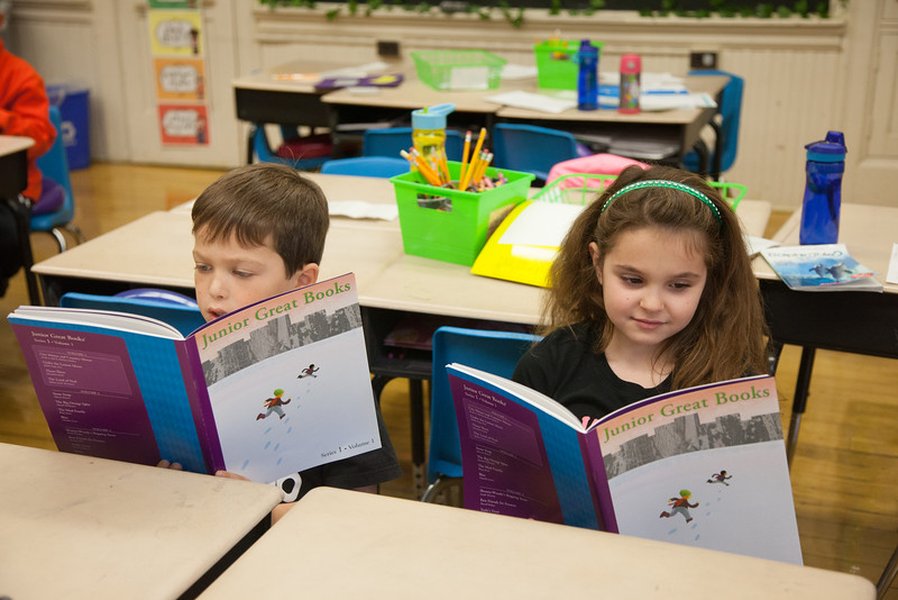
A supportive and comfortable environment enhances focus and literary engagement.
Time Management and Consistent Habits
Dedicated and consistent study time is strongly correlated with positive academic outcomes. Students who plan regular reading schedules and avoid last-minute cramming tend to demonstrate better comprehension, retention, and overall performance in literature assessments. Building these habits fosters a deeper, more sustained engagement with literary works.
The Role of Pleasure Reading
Engaging with literature for pleasure, beyond assigned texts, has a profound impact. Students who read voluntarily often develop a richer vocabulary, greater general knowledge, and enhanced cultural awareness. This intrinsic motivation can lead to higher grades not only in English but also in subjects like mathematics, science, and history, as pleasure reading reinforces comprehension skills and broadens intellectual horizons.
Why We Read: Exploring the Fundamentals of Literary Engagement
Understanding the fundamental reasons behind why we read literature can offer profound insights into its academic importance. The following video from Crash Course, hosted by John Green, delves into the motivations and benefits of engaging with literary works, providing a foundational perspective that complements the strategies for academic success.
This video, "How and Why We Read: Crash Course English Literature #1," explores essential questions about our relationship with stories and texts. It discusses how literature allows us to explore different perspectives, understand complex human emotions, and connect with shared experiences across time and cultures. Such understanding can fuel motivation and deepen a student's appreciation for their literary studies, thereby enhancing engagement and, consequently, academic performance.
Frequently Asked Questions (FAQ)
How does reading literature affect skills beyond English class?
Reading literature significantly enhances critical thinking, analytical reasoning, and problem-solving skills, which are highly transferable to other academic disciplines like history, social sciences, and even STEM fields. It improves vocabulary and writing proficiency, crucial for clear communication in all subjects. Furthermore, literature fosters empathy and cultural understanding, valuable in collaborative learning environments and for a broader worldview.
What are some of the most effective active reading techniques?
Effective active reading techniques include:
- Annotating: Highlighting, underlining, and making notes in the margins about key ideas, questions, or connections.
- Summarizing: Pausing periodically to summarize chapters or sections in your own words.
- Questioning: Asking "why," "how," and "what if" questions about the text as you read.
- Predicting: Trying to anticipate what might happen next based on clues in the text.
- Visualizing: Creating mental images of the scenes, characters, and settings described.
- Making connections: Linking the text to your own experiences, other texts, or real-world events.
Why is understanding the historical and cultural context of a literary work important?
Understanding the historical and cultural context of a literary work is crucial because it provides insight into the author's intentions, the societal norms and values influencing the text, and the meanings that might not be apparent to a modern reader. Context helps in interpreting themes, symbols, character motivations, and social commentary more accurately, leading to a richer and more nuanced understanding of the literature.
Can stress negatively impact my academic performance in literature studies?
Yes, excessive stress can significantly impair academic performance in literature studies, as in any academic area. Stress can affect concentration, memory retention, and critical thinking abilities, all of which are vital for comprehending and analyzing complex literary texts. Managing stress through healthy habits, time management, and seeking support when needed is important for maintaining optimal cognitive function and academic success.
Is reading for pleasure as important as assigned reading for academic performance?
Reading for pleasure plays a vital role in complementing assigned reading and boosting overall academic performance. It helps expand vocabulary, improve general knowledge, enhance reading fluency, and foster a love for learning. While assigned readings are crucial for specific course content, pleasure reading reinforces many of the same cognitive skills in a less pressured environment, often leading to improved comprehension and analytical abilities that benefit performance on academic tasks.
Recommended Further Exploration
- How can active reading strategies be applied to different genres of literature like poetry and drama?
- What is the impact of digital reading versus print reading on literature comprehension and academic performance?
- Explore the connection between literary reading and the development of empathy and social-emotional skills.
- What are effective methods for improving reading speed and retention when studying dense literary texts?
References

Last updated May 7, 2025