
Literature Synthesis on Peace Talk, Marital Conflict, and Blaan Language and Culture
A Comprehensive Overview of Interdisciplinary Perspectives
Key Takeaways
- Integration Across Disciplines: Although no single work comprehensively covers peace talks, marital conflict, and Blaan language and culture together, numerous studies offer insights that, when combined, reveal valuable interdisciplinary connections.
- Evidence-Based Approaches: In marital conflict resolution and peace negotiation, evidence-based methods such as structured therapeutic techniques and conflict management strategies have proven successful, while in the domain of indigenous studies, rigorous documentation helps preserve Blaan cultural heritage.
- Interdisciplinary Potential: Research bridging conflict resolution in both public domains (peace talks) and private realms (marital conflict) with indigenous cultural studies opens new avenues for understanding how communication, negotiation, and cultural identity interact across different societal contexts.
Introduction
The exploration of “peace talk,” “marital conflict,” and “Blaan language and culture” lies at a compelling intersection of international relations, family psychology, and indigenous studies. While each field has its own established body of literature, integrating these topics can provide a broader context for understanding conflict resolution, communication patterns, and cultural preservation. This synthesis presents an in-depth analysis by compiling key references and critical insights from diverse research fields. Learning about each domain separately and then drawing potential interdisciplinary connections forms the cornerstone of a dynamic research framework.
On one hand, literature on peace talks largely revolves around negotiations, mediation techniques, and conflict de-escalation strategies that are vital both in international disputes and community disagreements. On the other hand, marital conflict studies focus on interpersonal communication, empathy, emotional regulation, and strategic interventions to resolve disagreements in personal relationships. Meanwhile, the Blaan language and culture, representing one of the indigenous groups in the Philippines, is documented through ethnographic studies, cultural preservation initiatives, and linguistic analyses that illustrate its unique traditions and heritage. Together, these areas underscore the importance of dialogue as a tool for reconciliation and mutual understanding in various contexts.
Peace Talk: Negotiation and Conflict Resolution
The concept of peace talks is deeply embedded in the study of negotiation theory. Classic literature in this field provides systematic methods to attain agreements without compromising core interests. One of the seminal works in this area outlines effective negotiation techniques focusing on collaborative dialogue, mutual respect, and a win-win orientation. These techniques are particularly applicable when mediating conflicts where there is a need to establish trust and find common ground between disputing parties. The structured approach, which often involves a step-by-step framework encompassing preparation, discussion, proposal formulation, and agreement consolidation, is also used as a metaphorical tool in resolving personal and domestic disputes.
Modern approaches to peace talks incorporate principles that emphasize patience, active listening, empathy, and the strategic use of language to create an environment that fosters dialogue. By applying these ideas to both international conflicts and interpersonal disagreements, researchers have demonstrated that adaptive communication strategies and conflict management interventions are critical components to reaching a peaceful resolution. These methodologies inform not only diplomatic negotiations but also therapeutic models in marital counseling, where the goal is to transform conflict into an opportunity for healing and growth.
Marital Conflict: The Dynamics of Interpersonal Disputes
Marital conflict has been the subject of extensive scholarly research due to its profound implications on family dynamics and individual well-being. Literature in this domain examines the underlying psychological, emotional, and social factors that contribute to disagreements between partners. One influential perspective sees conflict as an inevitable, yet potentially constructive, element of close relationships. Research has identified that effective conflict management in marriages is rooted in techniques that foster emotional connection, active listening, and empathy.
Numerous therapy models have been designed to address marital conflict, combining both cognitive-behavioral strategies and emotion-focused interventions. Structured frameworks such as the Gottman Method, Emotionally Focused Therapy, and Imago Relationship Therapy have shown efficacy in transforming conflict into a catalyst for growth. These evidence-based practices focus on recognizing and neutralizing negative communication patterns—like criticism, defensiveness, and stonewalling—while promoting constructive dialogue and mutual understanding.
In addition to these intervention strategies, a body of literature emphasizes early intervention and ongoing relationship maintenance as ways to mitigate the escalation of conflicts. Couples who engage in ongoing, scheduled communication exercises and employ tools such as “I” statements find that addressing issues before they intensify often leads to sustained satisfaction and improves overall relationship resilience.
Blaan Language and Culture: Preserving Indigenous Heritage
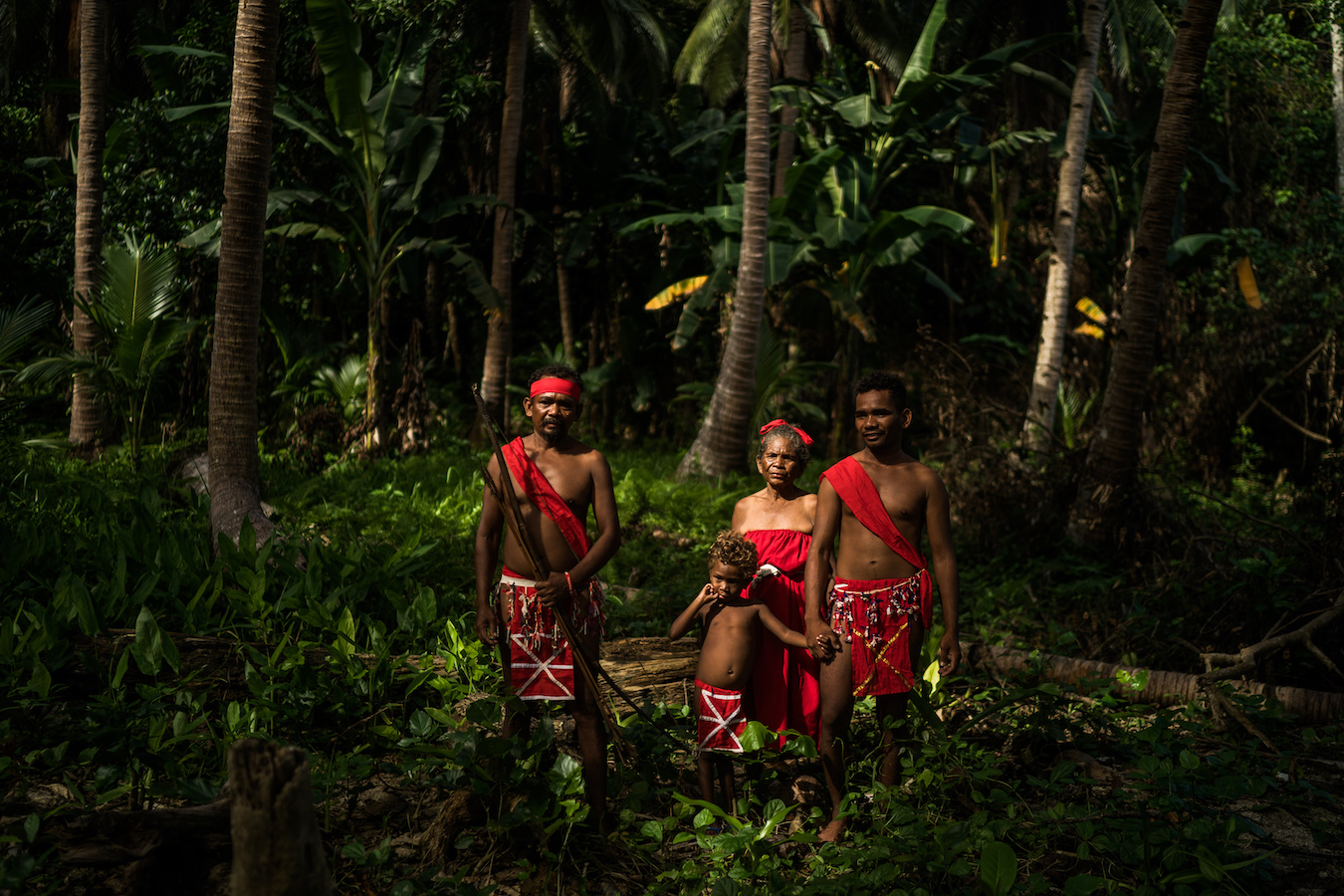
The Blaan people are an ethnic group residing primarily in the Philippines, with a rich cultural heritage that spans several millennia. Their language, traditions, and cultural practices constitute a vibrant tapestry that is at risk due to modernization and external cultural influences. Comprehensive research on Blaan language and culture has focused on documenting the community’s oral literature, traditional practices, and artisanal crafts—such as distinctive weaving techniques using abaca fiber.
Ethnographic studies have meticulously chronicled the rituals, customs, and folklore of the Blaan community. One strand of research documents “Cultural Preservation Practices,” which includes the study of folklore recitation during festivals, weddings, and other communal gatherings. These practices not only serve as a means of cultural transmission but also function as a vital repository for the group's historical identity.
Another significant area of study centers on language preservation. Detailed analyses of the Blaan language highlight its unique linguistic structures and its divergence from neighboring indigenous languages. With oral traditions being the primary mode of cultural expression, researchers have emphasized the role of educational interventions and community involvement in ensuring that the language remains vibrant. As societies become increasingly globalized, the urgency to preserve indigenous languages is underscored by the recognition that every language holds intrinsic cultural knowledge and traditional wisdom.
Bridging Perspectives: Interdisciplinary Connections and Research Opportunities
Although the literature on peace talks, marital conflict, and the Blaan language and culture might seem disparate, a closer examination reveals common threads. At the core of each field lies the power of dialogue and communication. In peace talks, dialogue is the instrument for reducing tensions and reaching agreements; in marital conflict, it is the vehicle for healing and reconnecting; and in indigenous cultures, oral traditions serve to preserve history, transmit values, and nurture identity.
This interdisciplinary perspective opens exciting possibilities for novel research. For instance, one could explore how traditional conflict resolution practices within indigenous communities may inform modern marital counseling or international negotiation techniques. Considering that many indigenous cultures have historically relied on mediation and consensus-building, their approaches could provide alternative frameworks for understanding conflict. Furthermore, communicating in one’s native language affects emotional expression and perception, a factor that resonates in both interpersonal disputes and high-stakes peace talks.
A comprehensive inquiry into these interrelations might investigate questions such as: How do cultural values shape communication in marital conflicts? In what ways can indigenous practices enhance existing frameworks for conflict resolution? And how might the cultural and linguistic identity of a community serve as a foundation for resolving broader social disputes? Such questions encourage a cross-pollination of ideas across disciplines, ultimately enriching our understanding of human interaction and conflict management.
Comparative Overview of Selected Works
To provide a clearer picture of the diverse literature addressing these themes, the table below summarizes selected works that reflect key contributions in each field.
| Title | Authors/Editors | Focus Area | Overview |
|---|---|---|---|
| Getting to Yes: Negotiating Agreement Without Giving In | Fisher, Ury, & Patton | Peace Talk / Negotiation | A foundational text on negotiation that outlines principled techniques for achieving consensus in disputes. |
| The Seven Principles for Making Marriage Work | Gottman | Marital Conflict | An evidence-based guide to understanding and improving communication in marriage using empirical research. |
| Marriage Conflict: Talking as Teammates | Steve Hoppe | Marital Conflict | A devotional approach that advocates couple teamwork in conflict resolution based on practical and biblical principles. |
| Cultural Preservation Practices of the Blaan Tribe | Various Researchers | Blaan Language & Culture | An ethnographic study that documents the traditions, language, and preservation efforts of the Blaan people in the Philippines. |
| Text and Context of the Blaan's Folk Literature | Indigenous Researchers | Blaan Language & Culture | An analysis of oral literature among the Blaan that highlights cultural narratives and traditional storytelling. |
Methodological Approaches and Theoretical Insights
Peace Talk Methodologies
In the realm of conflict resolution, research methodologies typically involve qualitative analyses of negotiation sessions, case studies on mediation, and experimental designs aimed at testing hypotheses in controlled settings. Scholars focus on the mechanics of dialogue by examining how language, tone, and nonverbal cues contribute to successful conflict de-escalation. Many studies contextualize peace talks within larger frameworks of international relations where negotiation theory is aligned with practical diplomatic experience.
The theoretical underpinnings in this area often draw from models that emphasize mutual gains and collaborative problem-solving. In diplomatic contexts, the success of peace talks is frequently attributed to a combination of strategic communication and empathy. Such models are adaptable to marital therapy settings where the structure of negotiations—preparation, communication, and feedback—maps onto interventions designed to repair and strengthen relationships.
Marital Conflict Frameworks
Studies on marital conflict largely rely on frameworks that detail the predictors of relationship dissatisfaction and divorce. Key theories highlight the detrimental effects of destructive communication patterns such as criticism, stonewalling, and contempt. The research increasingly supports the notion that conflict, when addressed through constructive dialogue, can serve as a catalyst for personal and relational growth.
Therapeutic interventions in this area focus on cultivating emotional intelligence. Techniques such as the use of “I” statements, active listening, emotional regulation, and structured conflict resolution exercises help couples manage disagreements more effectively. By integrating empirical data gathered from longitudinal studies and clinical trials, researchers have developed targeted therapeutic models that address the nuanced challenges of marital conflict and provide couples with the tools needed to build resilience.
Blaan Cultural Documentation
Research on the Blaan language and culture is primarily qualitative and ethnographic. Scholars employ methods such as participant observation, in-depth interviews, and oral history collection to preserve the nuances of indigenous traditions. These studies focus on the analysis of folk literature, ritual practices, and language use within community settings.
The theoretical perspectives in this field emphasize the intrinsic link between language, identity, and cultural continuity. As communities face the pressures of modernization, the documentation and revitalization of indigenous languages become essential in safeguarding a collective heritage. These efforts not only underscore the unique identity of the Blaan people but also contribute significantly to the broader discourse on cultural preservation strategies worldwide.
Interdisciplinary Synergies and Future Research Directions
The confluence of studies on peace talks, marital conflict, and Blaan language and culture reveals several opportunities for interdisciplinary research. First, the common emphasis on dialogue, empathy, and communication links the seemingly disparate areas. This link underscores the significance of language—not just as a medium of communication, but as a powerful tool for conflict resolution and cultural expression.
One promising research direction involves exploring how indigenous conflict resolution practices can inform modern therapeutic techniques. Many indigenous communities, including the Blaan, have long traditions of resolving conflicts through consensus-building and communal discussions. These practices may offer innovative insights for developing new models in marital counseling and even diplomatic negotiations.
Additionally, further studies could investigate the impact of cultural identity on conflict management styles. For example, research might examine whether culturally specific communication methods influence the way couples negotiate conflicts, or how traditional storytelling helps transmit conflict resolution skills across generations in indigenous communities. Such insights could lead to more culturally attuned conflict management strategies that respect the values and traditions of diverse groups.
Overall, the integration of these research domains promises to yield a richer, more nuanced understanding of conflict resolution across various levels of human interaction—from the intimate sphere of marital relationships to the broader cultural context of indigenous communities, and even to the high-stakes arenas of international peace talks.
Conclusion
In summary, although there is no single literature piece that directly interconnects the themes of peace talks, marital conflict, and Blaan language and culture, a review of diverse studies reveals a compelling interdisciplinary landscape. Evidence-based approaches in negotiations and marital therapy emphasize structured communication and conflict resolution, while ethnographic studies of the Blaan document the importance of preserving language and cultural identity. The common denominator across these fields is an emphasis on dialogue as a transformative tool—whether in diffusing international tensions, healing marital disputes, or nurturing indigenous cultural heritage.
Future research that synthesizes these approaches could yield groundbreaking insights into the dynamics of conflict resolution and cultural preservation. By exploring how traditional and modern practices complement one another, scholars and practitioners can develop innovative strategies that not only resolve conflicts but also strengthen the bonds of community and identity.
References
- Managing Conflict in Marriage: Techniques and Interventions for Addressing and Resolving Disagreements in a Healthy and Productive Manner - GAS Publishers
- Cultural Preservation Practices of the Blaan Tribe in Kiblawan, Davao del Sur, Philippines - ResearchGate
- Text and Context of the Blaan's Folk Literature - JPAIR Multidisciplinary Research
- Cultural Motifs in Blaan Flalok: Revitalization of Oral Lore for Education - Southeastern Philippines Journal
- Marriage Conflict: Talking as Teammates - Biblical Counseling Coalition
More
Last updated February 18, 2025