
Life Cycle of Fasciola hepatica
Understanding the complex journey of the liver fluke
Key Takeaways
- Complex Two-Host Life Cycle: The liver fluke requires both a snail intermediate host and a mammalian definitive host to complete its development.
- Asexual and Sexual Reproduction: The organism utilizes asexual reproduction within the snail and sexual reproduction in the definitive host, enabling exponential spread.
- Epidemiological and Clinical Implications: An in-depth understanding of the cycle aids in disease management, targeted interventions, and public health strategies by pinpointing vulnerable stages.
Introduction
Fasciola hepatica, commonly known as the common or sheep liver fluke, is a parasitic trematode that exhibits a multifaceted life cycle. This cycle is essential not only for the fluke’s survival but also for its ability to infect diverse hosts, including economically important livestock such as sheep, cattle, and occasionally humans. The life cycle involves successive stages that alternate between an intermediate host—typically freshwater snails—and a definitive host, where the fluke reaches maturity and reproduces sexually. Each phase of this cycle is marked by distinct morphological and physiological changes that are critical for environmental survival, host infection, and pathology. In veterinary and human medicine, understanding the nuances of this life cycle provides critical insights into the epidemiology of fascioliasis, the disease caused by these parasites.
Detailed Stages of the Life Cycle
1. Egg Stage
Formation and Release
The life cycle of Fasciola hepatica begins within the bile ducts of the definitive host, where mature adult flukes reside. These adult parasites reach reproductive maturity in the bile ducts and commence the production of eggs. The reproductive process is sexual, requiring a male and female fluke to mate within the confined environment of the host’s biliary system. Once produced, these eggs are transported through the bile ducts into the intestine and eventually excreted with the host’s feces.
The eggs, as expelled, are unembryonated and require specific environmental conditions to develop further. Upon reaching freshwater or moist soil environments, the eggs gradually undergo embryonation. This process is temperature-dependent and typically spans between two to three weeks under optimal conditions. The transformation within the egg sets the stage for the emergence of the first larval form.
2. Miracidium Stage
Development and Hatching
Following embryonation, the eggs become capable of hatching, releasing a free-swimming larva known as a miracidium. This larval form is equipped with cilia, which facilitate movement in aquatic environments. The primary role of the miracidium is to locate and infect a suitable freshwater snail, which serves as the intermediate host. The miracidium must find this snail within a critical period—often only a few hours after hatching—since its survival outside a host is limited.
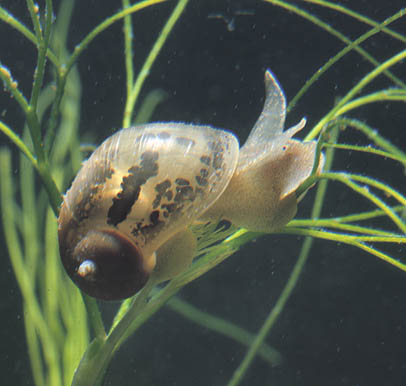
Miracidia are highly motile and display chemotactic behavior, meaning they are attracted to the secretions emitted by snails from the Lymnaeidae family. Species such as Galba truncatula are particularly susceptible, and their habitats in slow-moving or stagnant freshwater bodies offer ideal conditions for infection.
3. Development Within the Intermediate Host (Snail)
Asexual Multiplication and Transformation
Once the miracidium penetrates the snail, it embarks on a series of asexual developmental stages that are crucial for amplifying the parasite’s numbers. Inside the snail, the miracidium first transforms into a sporocyst. This initial transformation is the first step in a complex process that significantly increases the parasite’s population.
The sporocyst then gives rise to rediae, which continue the asexual reproductive cycle. Rediae are essentially larval forms that can produce further generations of the parasite through repeated mitotic division. This stage is characterized by considerable replication, and the number of rediae produced typically far exceeds the number of initial miracidia that successfully invaded the snail. Eventually, the rediae differentiate to produce cercariae, which are the swimming larval forms that exit the snail to continue the life cycle.
4. Cercariae Stage
Release from the Snail and Encystment
The cercariae are released from the snail as free-swimming organisms equipped with a characteristic forked tail that aids in locomotion. Their release into the aquatic environment marks the transition from the intermediate to the transmissible phase of the life cycle. Once released, these cercariae actively search for surfaces such as aquatic vegetation, where they can attach and encyst.
The process of encystment results in the formation of a metacercaria, the infective stage for the definitive host. The metacercarial cyst is highly resistant to environmental stresses, including fluctuations in temperature and pH, enabling it to persist on vegetation until ingested by a suitable mammalian host. The resilience of the metacercariae is a critical factor in the success of transmission, as it ensures that the parasite remains viable outside of a host for extended periods.
5. Infection of the Definitive Host
Ingestion and Excystation
Mammals, such as sheep, cattle, and occasionally humans, serve as the definitive hosts for Fasciola hepatica. These hosts typically become infected through the ingestion of aquatic vegetation — for example, watercress or other water plants — that have been contaminated with metacercariae. In some instances, drinking contaminated water can also result in infection.
Once ingested, the protective cyst of the metacercaria is enzymatically degraded in the host’s digestive system, leading to the process of excystation. The now liberated juvenile flukes emerge in the duodenum, the initial part of the small intestine. At this point, the parasites are in a vulnerable state as they begin their migratory journey within the host.
Migration to the Liver
After excystation, the juvenile flukes penetrate the intestinal wall, quickly entering the peritoneal cavity. Their target is the liver, and they navigate this internal landscape by migrating through the peritoneal cavity. The passage is not direct; the flukes must avoid immune detection and traverse various tissues while progressing towards the liver’s outer capsule.
Upon reaching the liver, the juvenile parasites penetrate the liver capsule and begin to burrow through the hepatic parenchyma. This invasive migration is accompanied by significant tissue damage and inflammatory responses, often resulting in clinical manifestations. The damage incurred during migration can lead to hepatomegaly (enlarged liver), abdominal pain, and other symptoms associated with fascioliasis.
6. Maturation and Reproduction
Establishment in the Bile Ducts
Upon successful migration through the liver tissue, the juvenile flukes ultimately reach the bile ducts, where they settle and mature into adult flukes. The bile ducts offer a relatively stable environment where the mature parasites can reside for extended periods, sometimes for several years.
Over a period of approximately 3 to 4 months — although this duration can vary depending on host species and environmental conditions — the flukes fully mature. In the bile ducts, they begin to feed on bile duct tissue and blood, gradually establishing themselves as permanent residents within the host. Once fully mature, these flukes pair up and engage in sexual reproduction, thereby generating a new round of eggs that will be carried out into the host’s intestine.
This continuous production of thousands of eggs by mature flukes contributes to the persistence and potential spread of fascioliasis. The cycle then repeats with the excretion of eggs into the environment, ensuring that the parasite can maintain its life cycle across successive host generations.
Summary Table of Life Cycle Stages
| Stage | Location | Duration/Timing | Key Activities |
|---|---|---|---|
| Egg Stage | Definitive host bile ducts/intestine | 2-3 weeks (environmental embryonation) | Egg production, release, embryonation in freshwater |
| Miracidium Stage | Freshwater | Hours after hatching | Hatching from eggs; active search for snail host |
| Sporocyst/Rediae Stage | Inside the snail | Several days to weeks | Asexual multiplication; transformation from sporocysts to rediae |
| Cercariae Stage | Inside the snail then released into water | Short period post-redial development | Production and release of motile cercariae |
| Metacercariae Stage | Aquatic vegetation/other surfaces | Variable (can be viable for extended periods) | Encystment on vegetation, resistant to environmental stress |
| Definitive Host Infection | Mammalian digestive system | Within hours to days (post ingestion) | Excystation, migration through the intestinal wall and liver parenchyma |
| Adult Stage | Liver bile ducts | 3-4 months to maturity | Maturation, pairing, and egg production |
Additional Considerations and Epidemiological Significance
Environmental Influences
The life cycle of Fasciola hepatica is heavily influenced by environmental factors. Temperature, humidity, and water availability all play essential roles in determining the success of each developmental stage. For instance, the embryonation of eggs is optimal in warm and moist conditions, while the survival and mobility of miracidia are affected by water quality and temperature. In regions where environmental conditions favor the persistence of free-swimming larval forms, the prevalence of fascioliasis tends to be higher. Control strategies, therefore, often focus on disrupting these environmental conditions, such as managing water sources or reducing snail populations.
Host Range and Geographic Distribution
Fasciola hepatica is not restricted to a single host species. While domestic ruminants like sheep, cattle, and goats serve as the primary definitive hosts, the parasite can occasionally infect humans and other animals. This broad host range is attributable to the parasite’s flexible life cycle which relies on environmental exposure rather than host specificity. Additionally, the presence of multiple suitable snail species as intermediate hosts has facilitated the global distribution of the fluke. Today, Fasciola hepatica is found on all inhabited continents, though the incidence of human infection is more common in regions where agriculture and livestock rearing are prominent.
In many areas, the nexus between human activities, such as grazing and agriculture, and environmental conditions that favor snail propagation reinforces the cycle of transmission. This interplay underscores the importance of integrated control measures that target both environmental management and host treatment.
Clinical Impact and Public Health Implications
Infection by Fasciola hepatica, known as fascioliasis, can lead to significant health issues in both animals and humans. In the acute phase, as immature flukes migrate through liver tissue, affected hosts may experience severe abdominal pain, fever, and hepatomegaly due to tissue destruction and inflammation. Laboratory findings often reveal eosinophilia and elevated liver enzymes. In the chronic phase, the presence of mature flukes in the bile ducts can result in long-term complications such as cholangitis and bile duct obstruction, which may require medical intervention.
The socioeconomic impact is also considerable since fascioliasis can lead to decreased productivity in livestock and increased healthcare burdens in endemic regions. Public health initiatives emphasize snail control, improved water management, and community education about the dangers of consuming raw aquatic plants. In veterinary settings, regular deworming programs and rigorous pasture management play vital roles in mitigating transmission.
In-Depth Analysis of the Biological Processes
Asexual Reproduction in the Snail Host
One of the most fascinating aspects of the Fasciola hepatica life cycle is the asexual multiplication inside the snail intermediate host. Once a miracidium successfully penetrates the snail, it transforms into a sporocyst—a process that bypasses sexual reproduction, ensuring rapid amplification of the parasite population. This multiplication process is critical because only a single miracidium can give rise to multiple generations of rediae and eventually produce numerous cercariae. This amplification not only increases the chances of infecting a definitive host but also ensures that even a low incidence of egg contamination in freshwater can result in widespread transmission.
The rediae formed within the snail are robust and can actively produce many cercariae over their lifespan. Each cercaria that is released from the snail is a potential infective unit, ready to locate vegetation and encyst as a metacercaria. The efficiency of this asexual reproduction is one of the key factors contributing to the high prevalence of fascioliasis in areas where both the snail population and livestock density are high.
Sexual Reproduction in the Definitive Host
In stark contrast to the asexual amplification in snails, the definitive host sees the culmination of the life cycle with sexual reproduction. Adult flukes in the bile ducts engage in mating, which triggers the production of eggs. This sexual reproduction is critical as it reintroduces genetic variability into the population of Fasciola hepatica, aiding in adaptation to changing environments and host defenses. The continuous cycle of egg production ensures that new generations of the parasite can emerge even as adult flukes age and die.
The mature eggs leave the host with feces, thereby linking the internal reproductive cycle with external environmental conditions. This connection between the host’s biological processes and external environmental phases is vital in understanding why certain control measures — such as targeted molluscicides to reduce snail populations or improved sanitation practices — are effective in interrupting the life cycle.
Comparative Insights with Related Trematodes
When comparing Fasciola hepatica to other trematodes, the juxtaposition of asexual and sexual reproduction is especially noteworthy. Many trematodes exhibit complex life cycles involving one or more intermediate hosts, but the high level of amplification during the snail phase makes Fasciola hepatica particularly efficient in spreading through its environment. This dual strategy of employing both asexual reproduction (within the snail) and sexual reproduction (within the definitive host) has been a subject of scientific interest. It exemplifies how parasitic organisms can finely tune their life cycles to maximize survival and transmission across different environmental niches.
Additionally, this dual reproduction strategy may lead to variations in clinical presentation based on the load of infection. For example, a heavy infestation resulting from high numbers of metacercariae ingestion may lead to more pronounced symptoms and subsequent liver damage. This insight has driven research into developing diagnostic tools and treatment protocols that are tailored to the severity of the infestation.
Conclusion
The life cycle of Fasciola hepatica is an intricate interplay of environmental, biological, and host-specific factors. Beginning with egg embryonation in aquatic environments and progressing through the active, motile miracidium stage, the parasite exploits freshwater snails for rapid asexual multiplication before ultimately transforming into the infective metacercariae. The ingestion of these metacercariae by a definitive host sets the stage for migration, tissue invasion, and significant clinical manifestations. The dual nature of its reproductive strategy—both asexual within the snail and sexual in the mammalian host—ensures a robust mechanism for survival, adaptation, and spread across varied ecological zones.
Comprehensive knowledge of each stage is crucial for designing effective interventions. Whether it is through snails’ population control, improved water hygiene, or better management practices in livestock rearing, disrupting even one phase of the cycle can substantially lower the incidence of fascioliasis. Advanced research continues to explore the genetic, immunological, and ecological aspects of this parasite to develop better diagnostic, therapeutic, and preventive measures. With global transmission still a challenge in many rural and agricultural settings, heightened awareness and integrated disease management protocols remain paramount.
References
- Life Cycle of Fasciola hepatica - Biology Notes Online
- Life Cycle Image - MSD Manuals
- Fasciola Life Cycle - Google Sites
- Fasciola Life Cycle - Notes on Zoology
- Fasciola hepatica Life Cycle - Study Microbio
- Liver Fluke Lifecycle - SCOPS
- Fasciola hepatica Lifecycle - Merck Manuals
- Fascioliasis Overview - CDC
- Fasciola hepatica - Wikipedia
More
Last updated February 18, 2025