
Liver Functional Test Parameters in Rheumatoid Arthritis in Rats
Exploring how RA and its treatments affect liver function in rat models
Highlights
- Comprehensive Liver Enzyme Profiling: ALT, AST, ALP, and lipid-related biomarkers offer clear indicators of liver health in arthritic rats.
- Impact of Inflammation and Medications: Inflammatory markers and drug-induced hepatotoxicity play a critical role in liver dysfunction during rheumatoid arthritis.
- Histopathological and Metabolic Insights: Liver morphology assessments and metabolic parameters further elucidate the progression of liver injury in RA models.
Introduction to Liver Function in Rheumatoid Arthritis
Rats have long served as reliable animal models for understanding the complex pathophysiology of rheumatoid arthritis (RA) and how the disease alters liver function. RA, primarily known for its systematic joint inflammation, also exerts significant effects on other organs including the liver. Researchers utilize liver function tests (LFTs) in rats to gather critical data regarding enzyme alterations, lipid metabolism, and histopathological changes that can provide insights into disease progression and the efficacy of therapeutics.
Biochemical Parameters in Liver Function Testing
Key Enzyme Markers
One of the foremost methods to assess liver function involves the measurement of specific enzyme activities present in the blood. Among these enzymes, alanine aminotransferase (ALT) and aspartate aminotransferase (AST) are crucial.
Alanine Aminotransferase (ALT)
ALT is predominantly found in the liver. When liver cells are damaged, ALT is released in higher amounts into the bloodstream. In rat models of RA, elevated ALT levels have been consistently detected, pointing towards hepatocellular injury as a consequence of inflammatory stress or pharmacological intervention.
Aspartate Aminotransferase (AST)
AST is another marker of hepatocellular damage and is present in several tissues including the liver. An elevated AST, particularly when found in conjunction with high ALT, underscores the presence of liver tissue injury. The ratio of AST to ALT can further inform researchers about the severity and nature of the disease process.
Lipid-Related Biomarkers
In addition to enzymatic markers, the metabolic state of the liver is often evaluated by measuring lipid profiles. Triglycerides (TG) and total cholesterol (T-CHO) are critical in this context.
Triglycerides (TG) and Total Cholesterol (T-CHO)
Elevated serum TG and T-CHO levels in rats with RA indicate that systemic inflammation not only affects liver cells directly but also alters lipid metabolism. These changes may result from a combination of RA-induced metabolic shifts and a side-effect profile of certain anti-inflammatory drugs, underscoring a multidimensional impact on liver function.
Inflammatory and Endotoxin-Related Markers
The complex interplay between systemic inflammation and liver function is further understood through markers such as lipopolysaccharides (LPS), which are linked to gut barrier integrity. Elevated levels of LPS indicate increased permeability and subsequent inflammatory reactions that compound liver damage in RA models.
Lipopolysaccharides (LPS)
LPS, typically originating from the gut microbiota, can translocate into systemic circulation when the gut barrier is compromised. In rats with rheumatoid arthritis, elevated LPS levels have been associated with heightened inflammatory responses, contributing indirectly to liver damage and further complicating the liver function profile.
Histopathological Assessment of Liver Damage
Structural Changes in Liver Tissue
Beyond biochemical markers, histopathological evaluation remains critical in understanding the extent of liver injury in RA. Techniques such as Masson's trichrome staining enable researchers to ascertain alterations in liver tissue architecture that accompany inflammatory and toxic insults.
Fibrosis and Steatosis
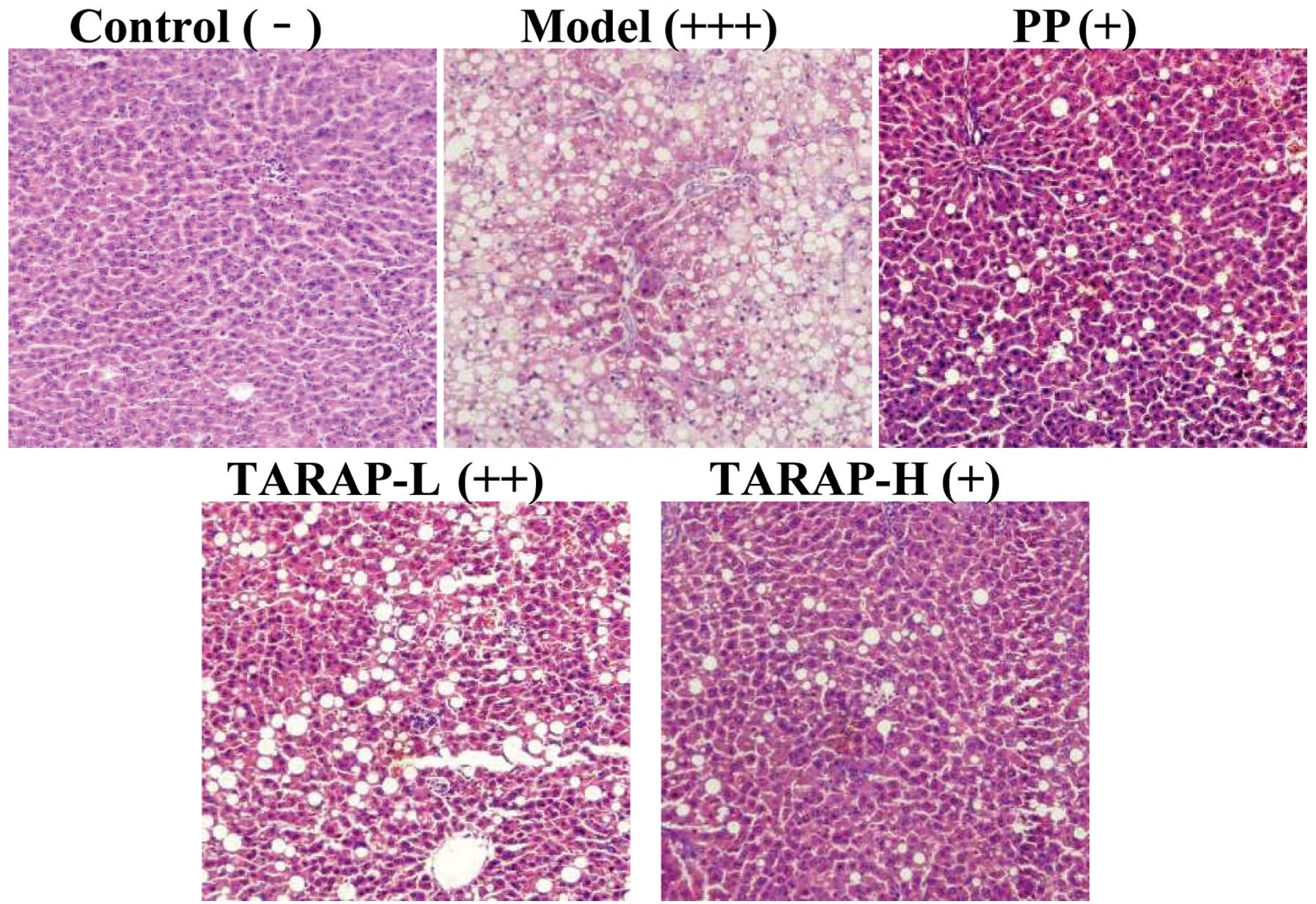
Histological examinations in RA models have revealed the development of hepatic fibrosis, a condition characterized by the accumulation of collagenous tissues. In addition, steatosis—or fatty liver—has been noted, which can arise from altered lipid metabolism exacerbated by both chronic inflammation and pharmacological agents.
These structural changes in the liver not only confirm the biochemical alterations noted in liver function tests but also provide insights into progressive liver injury. Fibrosis especially can signify irreversible changes if the inflammatory process remains unchecked.
Impact of Medications on Liver Function
Drug-Induced Hepatotoxicity
Treatments used for managing rheumatoid arthritis, such as methotrexate and leflunomide, have been consistently associated with hepatotoxic effects in both clinical and experimental studies. In rat models, these medications may cause rises in both ALT and AST levels, indicating liver cell injury.
Methotrexate and Its Effects
Methotrexate, a common disease-modifying anti-rheumatic drug (DMARD), is known to interfere with nucleotide synthesis and folate metabolism. Despite its efficacy in controlling RA symptoms, it may induce liver toxicity when used over long periods or at high doses. Monitoring liver function tests during therapy is crucial to ensure early detection of liver injury.
Leflunomide and Combination Therapies
Leflunomide is another DMARD that can lead to elevated liver enzymes, reflecting a stress response in hepatocytes. In experimental rat models with RA, treatment with leflunomide sometimes necessitates additional monitoring due to the risk of synergistic liver damage when used in combination with other anti-inflammatory agents.
The dual focus on both clinical improvements in joint function and hepatotoxic risk management underscores the need for meticulous liver function monitoring during therapy in RA.
Integrated Analysis of Liver Function Parameters
Comparative Analysis of Biochemical and Histological Markers
Combining the insights from various biochemical assays and histopathological evaluations provides a robust picture of liver function in rat models with rheumatoid arthritis. The following table summarizes the key parameters used in these studies:
| Parameter | Indicator of Liver Function | Observations in RA Rat Models | Implications |
|---|---|---|---|
| ALT | Hepatocellular injury | Elevated levels indicate liver cell damage | Suggests inflammation and drug-induced toxicity |
| AST | Hepatocellular and systemic injury | Elevation reflects hepatic as well as muscle injury | Helps in assessing severity of liver damage |
| ALP | Bile duct function | Variations can indicate ductal and liver cell stress | Used alongside enzyme markers for a complete picture |
| TG and T-CHO | Lipid metabolism | Altered levels correlate with dysregulated lipid handling | May indicate systemic inflammation and metabolic changes |
| LPS | Inflammatory response | Higher concentrations are linked to increased systemic inflammation | Reflects gut-liver axis involvement in RA |
| Histology (Fibrosis/Steatosis) | Structural integrity | Fibrosis and fatty changes are common | Indicates chronic liver injuries possibly leading to irreversible damage |
This integrated approach combining both biochemical tests and histological assessments substantiates the role of the liver in RA pathology. It also facilitates evaluation of potential hepatoprotective strategies alongside anti-rheumatic treatments.
Mechanistic Insights: Linking RA to Liver Dysfunction
Chronic Inflammation and Oxidative Stress
The persistent state of inflammation in rheumatoid arthritis doesn’t only target synovial joints but also induces systemic effects involving the liver. Chronic inflammation leads to the generation of reactive oxygen species (ROS) that cause oxidative damage to hepatic cells. Over time, these oxidative stresses contribute to both biochemical alterations (e.g., elevated ALT and AST levels) and structural liver changes such as fibrosis.
Oxidative Stress Mechanisms
The imbalance between pro-oxidant and antioxidant systems in the liver leads to lipid peroxidation—a process in which free radicals attack lipids in cell membranes. This process can further compromise liver cell integrity, thereby releasing liver enzymes into the bloodstream and exacerbating the severity of liver dysfunction observed in RA.
The Role of Gut-Liver Axis
Emerging research highlights the role of the gut-liver axis in the development of liver disease among RA subjects. Disruption of the gut barrier increases the permeability to endotoxins like LPS, leading to systemic inflammation. This continual exposure of the liver to inflammatory mediators further impairs its function and promotes the cascade of events leading to hepatocyte injury and fibrosis.
Research Significance and Future Directions
Benefits of Rat Models in RA Research
Utilizing rats as models for studying rheumatoid arthritis provides crucial insights into both the direct and indirect effects of the disease on liver function. These models allow researchers to:
- Examine Drug Safety: By monitoring liver function tests during various drug regimens, potential hepatotoxic effects can be identified early, aiding in the refinement of RA therapy.
- Understand Disease Mechanisms: Detailed biochemical and histological assessments in rats illuminate the progression of liver damage and the role of inflammation, furthering our understanding of RA pathology.
- Test Novel Interventions: Rat models serve as an effective platform for evaluating hepatoprotective agents and strategies aimed at mitigating liver damage while managing RA symptoms.
Prognostic Implications
The close monitoring of liver function parameters not only aids in disease management but also has prognostic implications. The early detection of liver enzyme elevations can signal the onset of potential complications, guiding adjustments in therapeutic protocols. Furthermore, understanding the interplay between systemic inflammation, oxidative stress, and hepatotoxicity can drive the development of new therapeutic approaches that balance effective RA management with minimization of liver injury.
Summary Table of Key Liver Parameters
| Parameter | Function | Effect of RA in Rats | Associated Mechanisms |
|---|---|---|---|
| ALT | Indicates hepatocellular injury | Elevated in response to inflammation and drug toxicity | Cellular damage due to oxidative stress |
| AST | Marker of overall tissue damage | High levels signal liver and systemic injury | Inflammatory responses and tissue breakdown |
| ALP | Biliary tract function | Altered levels suggest stress on bile ducts | Involvement in liver regeneration and damage response |
| TG & T-CHO | Indicators of lipid metabolism | Dysregulated levels reflecting metabolic changes | Systemic inflammatory impact on lipid metabolism |
| LPS | Inflammatory mediator | Increased levels due to compromised gut-barrier | Gut-liver axis disruption |
| Histopathology | Structural liver analysis | Fibrosis and steatosis observed in RA liver tissues | Inflammation-induced collagen deposition and fat accumulation |
References
- Analysis of Hepatic Lipid Metabolism and Immune Function in RA - Frontiers in Immunology
- Non-alcoholic fatty liver disease combined with RA - Frontiers in Pharmacology
- Myelosuppressive and hepatotoxic potential of RA drugs - PubMed
-
Oxidative state of the liver in arthritic rats - ScienceDirect
- Liver function tests and RA in rats - Frontiers in Pharmacology
-
Histological findings in liver under RA - PMC
Recommended Further Queries
Last updated March 19, 2025