
Analysis of Sri Lankan Rupee Trends
Comprehensive Review of Appreciation and Depreciation over the Last Five Years and in 2025
Highlights
- Significant Volatility: The rupee has witnessed both sharp depreciations and periods of recovery over the past five years.
- 2025 Mixed Trends: While early 2025 shows short-term depreciation, there is evidence of stabilization and slight appreciation following 2024's strong recovery.
- Influencing Factors: Economic recovery, IMF support, fiscal reforms, and market dynamics substantially affect the currency’s performance.
Introduction
Over the last five years, the Sri Lankan Rupee (LKR) has experienced a series of fluctuations characterized by both depreciation and appreciation phases. These movements reflect the impact of internal economic reforms, global financial pressures, and targeted monetary policies. In this analysis, we examine the overall trend over the past five years, highlighting key recovery efforts, market pressures, and the role of significant support mechanisms such as IMF interventions. We also focus on the specific trends observed in the year 2025, exploring the reasons behind recent fluctuations and the prospects the country faces amid ongoing economic adjustments.
Overview: Five-Year Historical Trends (2020-2025)
Periods of Depreciation and Appreciation
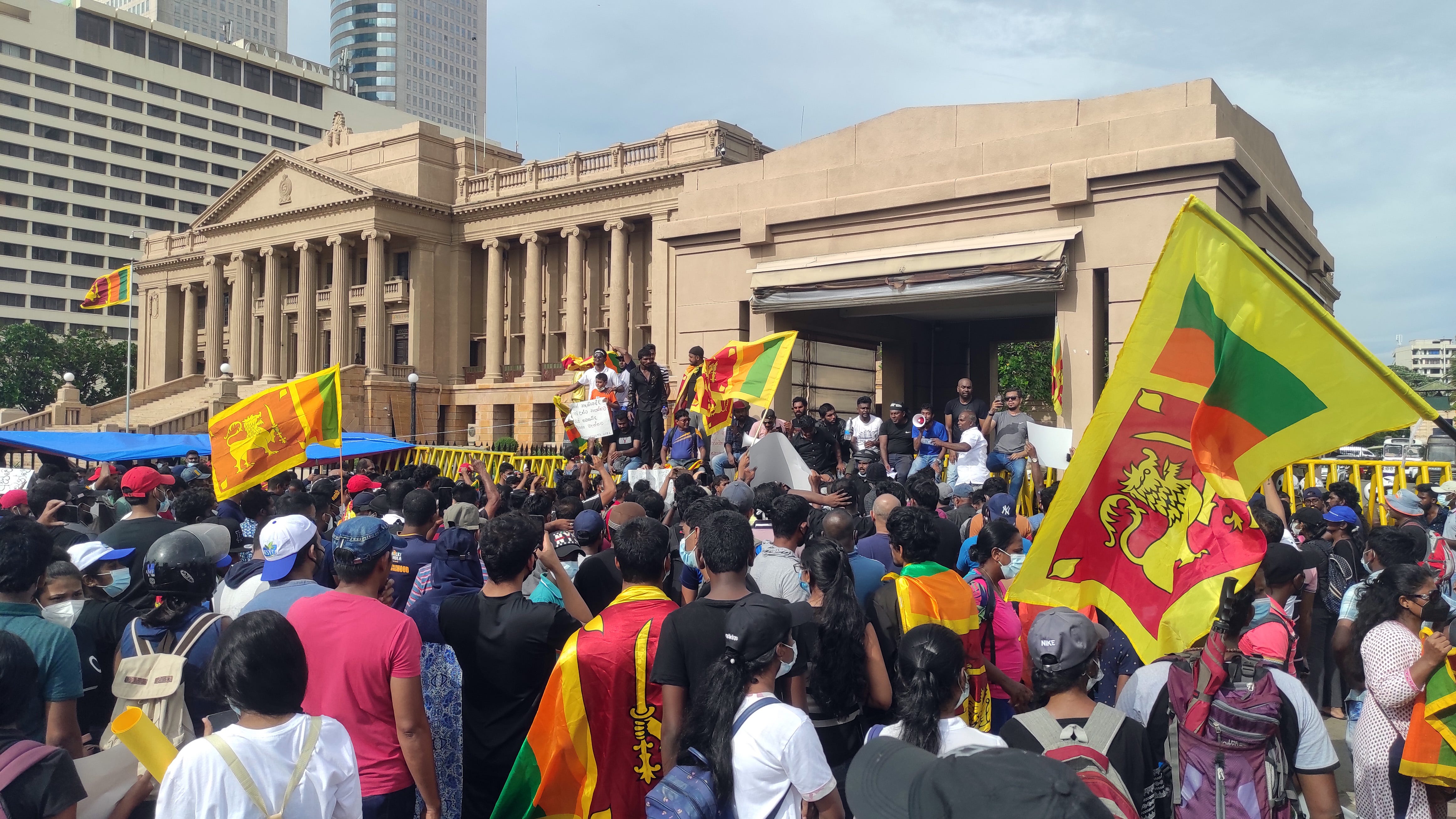
From 2020 to 2025, the Sri Lankan Rupee underwent marked volatility. During this period, factors such as economic crises, political instability, and external debt pressures drove the rupee towards significant depreciation episodes. Notably, the crisis around 2022 saw the rupee plunging to record lows; during these challenging times metrics indicated record levels where the LKR was valued at its lowest relative to the USD.
Crisis and Recovery
In the early phase of economic turmoil, particularly during the 2022 crisis, the LKR depreciated sharply. This was largely due to severe foreign exchange shortages and political uncertainties that undermined investor confidence. However, as the crisis began to stabilize, proactive measures were adopted by the government and the Central Bank of Sri Lanka, leading to a recovery phase witnessed throughout 2023. The recovery was characterized by a notable appreciation in the rupee’s value against the USD during parts of 2023, reflecting increased foreign exchange inflows and improvements in market sentiment.
Appreciation in 2023-2024
Following the profound depreciation experienced in 2022, significant efforts were made to restore currency stability. By 2023, the rupee began a steady recovery journey. Various reports highlighted a remarkable recovery with the rupee appreciating by over 20% during certain periods in 2023. The momentum continued into 2024, with data showing an annual appreciation of approximately 10.7% against the US dollar. This improvement was attributed to strategic fiscal reforms, better management of external debt, and targeted monetary policies. The improved real effective exchange rate (REER) during 2024 notably underscored the enhanced international competitiveness of the Sri Lankan economy.
Statistical Perspective
A closer look at the exchange rate data over the last five years reveals distinct highs and lows:
| Period | Exchange Rate (USD per LKR) | Trend |
|---|---|---|
| Early 2022 | Record Low (high USD/LKR) | Sharp Depreciation |
| Mid 2023 | Significantly Lower than 2022 | Rapid Appreciation |
| 2024 | Consistent Appreciation (~10.7% improvement) | Steady Recovery |
| Recent Months (Late 2024 - Early 2025) | Between 294–300 LKR per USD | Normalization with Fluctuations |
This table encapsulates the phases of both depreciation and appreciation, and it is evident that while the rupee reached low points during systemic financial challenges, recovery measures have since contributed to improved valuation.
Analysis for the Year 2025
Current Year Trends
For 2025, the analysis presents a nuanced picture. In the early part of 2025, the rupee experienced a slight depreciation, notably witnessing a 1.7% depreciation in January. Such short-term fluctuations indicate that while underlying long-term recovery trends remain intact, the rupee is grappling with immediate external pressures and structural adjustments.
Short-Term Depreciation and Subsequent Stability
In January 2025, the rupee’s depreciation can be viewed as a normalization phase following the robust appreciation seen in 2024. Despite this early-year depreciation, more recent data in February 2025 shows a slight appreciation, indicating that the currency is finding stability. The day-to-day and weekly fluctuations have been minor, suggesting that acute market pressures have eased and that the fundamental strength of the economy, underpinned by recovery measures, is beginning to reassert itself.
Underlying Economic Factors
Several interrelated factors explain why the rupee’s performance in 2025 is mixed:
- Economic Recovery Momentum: The Sri Lankan economy recorded about a 5% growth rate in 2024, the highest annual growth in recent years. The boost in growth has helped improve investor sentiment and create a more stable economic backdrop.
- IMF Support: Continued support from the International Monetary Fund, particularly through large-scale loan programs, has provided the much-needed confidence to stabilize the foreign exchange markets. The infusion of funds helps manage external debt and supports liquidity in the market.
- Fiscal and Monetary Adjustments: The Central Bank’s strategic implementation of monetary policies to manage inflation and stabilize the currency has had a direct impact. Fiscal reforms and policy changes, including tax adjustments and subsidy modifications, have also contributed to improved macroeconomic stability.
- External Debt Management: Ongoing efforts to manage and restructure external debt have helped reduce market uncertainty. Strategically calculated debt repayments and tighter fiscal discipline have also played a role in restricting further depreciation.
- Digital Economy Investment: The government’s allocation of significant funds to digital transformation underlines its commitment to long-term economic stabilization. Investments in the digital economy are expected to generate substantial revenues over the next few years, indirectly boosting investor confidence and supporting the rupee.
- Forex Inflows: There have been instances of net forex inflows, which bolster the rupee’s value by ensuring there is a sufficient supply of foreign currency. Improved trade dynamics and foreign investments act as stabilizing forces amidst external pressures.
Market Predictions and Forecasts
Market analysts and economic models forecast that the rupee is likely to see a continuation of its normalization process in 2025. Some projections indicate that the rupee might trade within a narrow band, with possible estimates reaching around 299 to 305 LKR per USD as stabilizing policies take effect. Although short-term depreciation is observed due to various pressures, the overall long-term trajectory appears more positive given the recent trends and proactive fiscal measures.
Balancing Pressures and Prospects
While the depreciation witnessed in January 2025 can be linked to immediate structural adjustments and mandated fiscal plans, market participants have noted a recovery signal in subsequent trading days. Improved sentiment is partly credited to stronger economic data reported at the end of 2024, which continues to support investor confidence. Therefore, even though the rupee appears to be under some pressure in the short term, underlying improvements in economic fundamentals are likely to facilitate further stabilization or gradual appreciation in the medium term.
Detailed Factors Influencing Currency Movements
Domestic Economic Policies
Domestically, Sri Lanka’s government and the Central Bank continue to refine policies with a dual focus on immediate stabilization and long-term growth:
- Monetary Policy Adjustments: The central bank’s periodic reviews have led to tactical interventions in the currency markets, which are critical in curbing sharp depreciations. For instance, the 1.7% drop in January 2025 featured active policy measures aimed at recalibrating the exchange rate. This approach, while causing short-term fluctuations, lays the foundation for a more balanced medium-term exchange rate.
- Fiscal Measures: A series of fiscal adjustments, including increased taxation and reforms in subsidy allocation, have been implemented to reduce the fiscal deficit. These measures contribute not only to restoring investor confidence but also to building resilience within the currency markets.
- Debt Restructuring: Managing external debt, especially amid heavy outflows, has been a key challenge. By prioritizing debt restructuring and negotiation for better terms, the government has been working to mitigate the negative impacts of debt repayments on the currency.
International Influences
Global economic conditions and international monetary policies also factor into the rupee’s performance:
- Global Interest Rates: Changes in major economies’ interest rates, particularly those led by the United States, influence the global demand for the USD, thereby affecting emerging market currencies like the LKR. Even slight shifts in US interest rates can indirectly pressure the rupee.
- Foreign Investment Flows: Enhanced economic stability and recovery efforts have contributed to increased foreign direct investments and other forex inflows. Such inflows help cushion adverse external shocks and support the rupee’s valuation.
- IMF and Global Lending Programs: Access to IMF funds and other international financial support mechanisms have been instrumental in buoying the rupee during periods of severe market stress. This external support remains critical in offsetting some of the domestic vulnerabilities.
Technological and Structural Developments
An important development that indirectly affects the currency is Sri Lanka’s strategic emphasis on modernizing its economy:
- Digital Transformation: With an allocation of billions of rupees toward digital economy initiatives, the government expects to generate substantial revenue in the long run. Such efforts are expected to transform the economic landscape of the country through increased efficiency and a broader revenue base.
- Economic Diversification: By diversifying the economy into technology-driven sectors and reducing dependency on traditional industries, Sri Lanka aims to improve overall economic resilience. This diversification not only attracts new investments but also bolsters external trade, further supporting the currency.
Projected Outlook and Medium-Term Considerations
Normalization Process
After years of significant fluctuations, the medium-term outlook for the Sri Lankan Rupee emphasizes a gradual normalization process. Market analysts predict that the rupee could stabilize within a controlled band as reforms continue and international conditions improve. The temporary depreciation seen in early 2025 is widely interpreted as part of the necessary market corrections following aggressive recovery measures in 2023 and 2024.
Key Forecast Metrics
Forecasts suggest that:
- The rupee might remain in a range close to 290–300 LKR per USD during the near term as policy measures take full effect.
- Medium-term indicators, such as a recovering real effective exchange rate (REER), imply that the underlying strength of the currency may welcome a gradual appreciation over time.
- Structural reforms, along with continued fiscal discipline, could lead to improved market sentiment and stronger investor confidence, bolstering the rupee further in subsequent years.
Challenges Ahead
Despite the positive predictors, several challenges remain:
- External Debt Pressures: The burden of external debt remains significant, and timely debt repayments could exert pressure on the rupee if alleviating measures are not successfully implemented.
- Policy Dependency: The full recovery and stabilization of the currency are heavily reliant on the continued implementation of fiscal and monetary reforms. Any delays or setbacks in these policies could lead to renewed volatility.
- Global Economic Uncertainty: Unpredictable changes in the global financial environment, including fluctuations in major currencies and shifts in international interest rates, can still pose risks to currency stability.
Conclusion
In conclusion, the analysis of the Sri Lankan Rupee over the last five years reveals a tumultuous journey marked by periods of severe depreciation followed by phases of significant recovery. The crisis of 2022 shook the currency to its core, but decisive economic reforms and strategic support mechanisms, notably from the IMF and proactive domestic policies, facilitated a strong rebound in 2023 and 2024. While early 2025 experienced slight depreciation indicating an adjustment phase after a robust recovery, subsequent observations suggest that stability is gradually being restored.
The factors driving the rupee’s performance include Federal policy influences from major economies, domestic fiscal reforms, external debt management, and strategic investment in the digital economy. These elements have collectively contributed to the stabilization of the currency. Moving forward, continued economic reforms, improved foreign exchange inflows, and enhanced fiscal discipline are expected to pave the way for gradual appreciation or at least sustained stability in the medium term.
Hence, while short-term fluctuations in 2025 reveal depreciation pressures, the overall trend, reinforced by macroeconomic fundamentals, indicates a positive outlook for the Sri Lankan Rupee as the country continues to address both structural vulnerabilities and external economic challenges.
References
- Currency Converter - Wise
- Exchange Rates History - Exchange Rates
- Trading Economics - Sri Lanka Currency
- LKR Performance Report - Lankanewsweb
- Digital Transformation Strategy - Biometric Update
- Monetary Policy Review 2025 - CBSL
Recommended Queries
Last updated February 26, 2025