
Local Practices of Coconut Sugar Production
Traditional Methods and Sustainable Techniques in Coconut Sugar Making
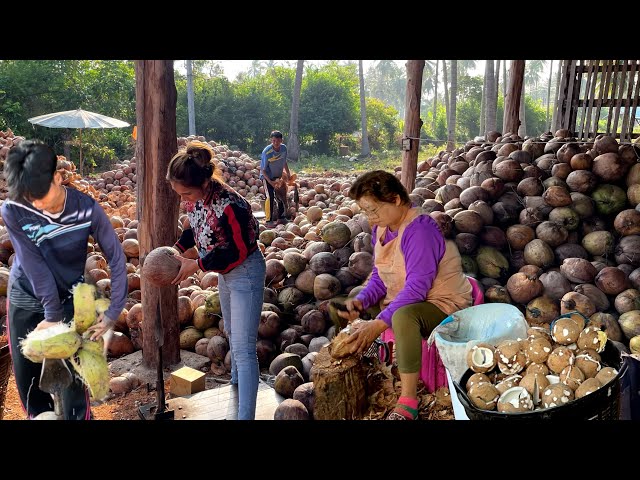
Key Takeaways
- Traditional sap tapping techniques ensure sustainable harvesting and high-quality coconut sugar.
- Community involvement fosters economic stability and preserves cultural heritage.
- Environmental sustainability is maintained through eco-friendly production methods.
Introduction
Coconut sugar, a natural sweetener derived from the sap of coconut palm trees, has gained popularity due to its lower glycemic index and rich, caramel-like flavor. In many tropical regions, local communities have upheld traditional methods of coconut sugar production for generations, blending cultural heritage with sustainable economic practices. This comprehensive exploration delves into the local practices of coconut sugar production, highlighting the processes, cultural significance, sustainability, and economic impact of this artisanal sweetener.
Production Process
1. Selection of Mature Trees
The production of coconut sugar begins with the selection of mature coconut palm trees, typically those that are at least five years old. Mature trees yield a higher sap quality and quantity, which is essential for producing quality coconut sugar. These trees are often part of sustainable agroforestry systems, ensuring long-term productivity and environmental health.
2. Sap Collection
Tapping the Coconut Palm
Farmers, known locally as “toddy tappers” or "sap collectors," climb the coconut trees to access the flower buds, or spadixes. They make shallow V-shaped incisions in the spadix, allowing the natural sap to flow out. The sap is collected twice daily, typically in the morning and evening, using traditional containers such as bamboo tubes, clay pots, or open earthen vessels. This method is efficient and minimizes damage to the tree, ensuring it remains healthy for sap collection over the years.
Initial Processing and Fermentation Control
Fresh sap, containing approximately 12-15% sugar, is highly susceptible to fermentation. To prevent this, lime (calcium hydroxide) is traditionally added to the sap shortly after collection. The sap is then filtered through muslin cloth or other fine filters to remove impurities like insects, debris, and ant residue. Controlling fermentation is crucial to maintain the desired flavor and quality of the final sugar product.
3. Evaporation of Sap
Cooking the Sap
The filtered sap is transferred to large woks or pans and heated over open fires or natural fuels. The sap is slowly boiled at moderate temperatures to evaporate the water content, transforming it into a thicker syrup. This slow-boiling process is essential for preserving the natural flavors of the coconut palm, resulting in a rich and aromatic sugar.
Continuous Stirring and Temperature Control
During the boiling process, constant stirring is necessary to prevent the sap from burning and to ensure even concentration. Traditional methods rely on hand-stirring, which provides tactile feedback on the syrup’s consistency. In some regions, simple temperature gauges may be used to maintain optimal cooking conditions, complementing the artisan’s expertise.
4. Conversion to Sugar
Crystallization and Granulation
As the sap continues to cook, it reaches a consistency suitable for crystallization. Careful monitoring is required to prevent over-concentration, which could lead to burning or unwanted flavor changes. The thickened syrup is then allowed to cool, during which it naturally crystallizes. Once cooled, the syrup is crushed or scraped to form granulated sugar. This granulated form can be further processed into different textures, such as fine powder or soft paste, based on the desired end product.
Sieving and Drying
The granulated sugar is sieved to remove any remaining impurities, ensuring a uniform and high-quality product. It is then dried under the sun or using natural heat sources to achieve the appropriate moisture level for storage and use. Proper drying is essential to prevent clumping and to maintain the sugar’s shelf life.
5. Final Processing and Packaging
After drying, the coconut sugar is packaged for distribution. Packaging can be done manually or with minimal mechanization, preserving the traditional aspect of the production process. In some local facilities, further processing may include additional refining steps to enhance the sugar’s texture and appearance before it is exported or sold in local markets.
Production Steps Comparison
| Step | Traditional Practices | Modern Innovations |
|---|---|---|
| Sap Collection | Using bamboo tubes, clay pots for sap collection twice daily | Incorporation of food-grade plastics and metal pans for improved hygiene |
| Filtration | Filtered through muslin cloth | Use of finer filtration systems and automated filtering equipment |
| Evaporation | Boiled over open wood fires with hand-stirring | Use of solar-powered drying systems and temperature gauges |
| Crystallization | Natural cooling and manual granulation | Introduction of controlled cooling environments and mechanized granulation |
| Packaging | Manual packaging by farmers | Minimal mechanization and improved packaging materials |
Regional Characteristics
Primary Production Regions
Coconut sugar production is predominantly concentrated in Southeast Asian countries, notably Indonesia and the Philippines. These regions provide the ideal tropical climate and rich soil conditions necessary for coconut palm cultivation. Most coconut sugar farms are small-scale operations, typically around one hectare per household, allowing for artisanal production methods and fostering community-based activities.
Production Scale and Community Involvement
Production is often a family or community-based activity, with multiple generations working together to maintain the traditional methods. Family members and local cooperatives share responsibilities, from tapping and sap collection to processing and packaging. This communal approach not only enhances productivity but also reinforces social bonds and preserves cultural heritage.
Sustainability and Community Impact
Economic Benefits
Coconut sugar production serves as a vital source of income for rural and coastal communities. It provides small-scale farmers and artisans with a sustainable livelihood, reducing economic reliance on industrial agriculture and diversifying income sources. In many areas, coconut sugar production offers higher profit margins compared to traditional crops, contributing to improved household incomes and local economic stability.
Cultural Preservation
The production process of coconut sugar is deeply ingrained in the cultural fabric of local communities. It preserves traditional agricultural knowledge and practices, fostering a sense of heritage and community identity. Festivals, local folklore, and communal gatherings are often centered around the harvest and production cycles, celebrating the art and craftsmanship involved in making coconut sugar.
Environmental Sustainability
Coconut sugar production is environmentally sustainable, as it relies on natural sap extraction methods that do not harm coconut palm trees. Coconut palms can produce sap for up to 20 years, making them a long-term agricultural resource. Additionally, the lack of heavy industrial processing and minimal use of chemicals ensures that the production process has a low environmental footprint. Sustainable farming practices help preserve biodiversity and maintain the health of coastal ecosystems.
Modern Innovations and Adaptations
Integration of Technology
While traditional methods remain prevalent, some local producers are adopting modern technologies to enhance efficiency and product consistency. Innovations such as solar-powered drying systems and improved filtration techniques have been introduced to streamline the production process without compromising sustainability. These technologies help increase yield and improve the quality of the final product, making it more competitive in global markets.
Quality Control and Certification
As global demand for natural sweeteners like coconut sugar grows, local producers are pursuing certifications such as organic and fair-trade labels. These certifications provide consumers with assurances about the product’s ethical sourcing and production standards. Implementing robust quality control measures helps maintain high standards, facilitating access to international markets and enabling producers to command premium prices.
Knowledge Exchange and Collaboration
Collaborations between local producers, researchers, and international marketing experts have led to the enhancement of traditional practices. Workshops, training sessions, and community-led research projects are instrumental in documenting traditional methods and sharing best practices across regions. This knowledge exchange fosters innovation while respecting and preserving the artisanal nature of coconut sugar production.
Challenges and the Way Forward
Market Competition
The global market for sweeteners is highly competitive, with industrial sugar and alternative sweeteners vying for market share. Coconut sugar producers face challenges in distinguishing their product in a crowded marketplace. Branding and marketing strategies that highlight the natural, sustainable, and artisanal qualities of coconut sugar are essential for gaining a competitive edge.
Price Fluctuations and Economic Stability
Market volatility can affect the income stability of small-scale producers. Fluctuating prices for coconut sugar can lead to economic uncertainty for farmers and communities reliant on this income source. Establishing fair-trade agreements and forming local cooperatives offer some protection against market swings, ensuring more stable and predictable income streams for producers.
Climate Change and Environmental Threats
Fluctuating weather patterns and climate-related challenges threaten the stability of coconut palm cultivation. Droughts, storms, and changing temperature regimes can impact sap production and coconut palm health. Adopting climate-resilient agricultural practices and diversifying income sources are critical for maintaining the sustainability of coconut sugar production in the face of environmental changes.
Addressing these challenges requires a multifaceted approach that includes local innovation, supportive policies, and increased consumer awareness of sustainable and heritage-based products. By fostering resilience and adaptability, coconut sugar producers can continue to thrive and preserve their traditional practices for future generations.
Conclusion
The local practices of coconut sugar production embody a harmonious blend of traditional knowledge, cultural heritage, and sustainable resource management. From the careful selection of mature coconut palms to the artisanal processes of sap collection, evaporation, and crystallization, each step reflects a deep connection to the environment and community. The economic benefits provided to rural and coastal communities are significant, offering a sustainable source of income that supports local economies and preserves cultural traditions.
Moreover, the environmental sustainability of coconut sugar production underscores the importance of eco-friendly agricultural practices. By minimizing chemical use and maintaining the health of coconut palm trees, producers contribute to the preservation of biodiversity and the health of coastal ecosystems. The integration of modern technologies and certifications further enhances the competitiveness and quality of coconut sugar in global markets.
Despite facing challenges such as market competition, price fluctuations, and environmental threats, coconut sugar producers continue to adapt and innovate. Through community cooperation, knowledge exchange, and sustainable practices, the legacy of coconut sugar production endures, ensuring that this natural sweetener remains a valuable and respected product both locally and internationally. By supporting and promoting these traditional practices, consumers and stakeholders can contribute to the continued success and sustainability of coconut sugar production, honoring the cultural and environmental treasures embedded in every granule.
References
Last updated February 12, 2025