
Unlocking Meaning: A Deep Dive into Reading Comprehension Research in Local Contexts
Exploring the multifaceted challenges and effective strategies shaping literacy among Filipino students.
Reading comprehension, the ability to understand, interpret, and derive meaning from written text, stands as a cornerstone of academic achievement and lifelong learning. This review synthesizes findings from various local studies, predominantly within the Philippine context, to illuminate the current landscape of reading comprehension, identify influential factors, and explore effective interventions. Understanding these local nuances is crucial for developing targeted approaches to enhance literacy skills.
Key Insights at a Glance
Essential Takeaways from Local Research
- Vocabulary and Background Knowledge are Paramount: Numerous studies highlight that limited vocabulary and insufficient background knowledge are significant impediments to reading comprehension for Filipino students.
- The Power of Localization: Utilizing culturally relevant and localized reading materials, including local literary genres (LLG), demonstrably improves comprehension levels and fosters a more positive attitude towards reading compared to foreign or non-contextualized texts.
- Strategic Interventions Yield Results: Targeted instructional strategies such as the use of graphic organizers, explicit vocabulary instruction, phonemic awareness programs, differentiated instruction, and specific methodologies like the 4Rs strategy (Read, Recall, Reflect, Respond) have shown success in enhancing reading skills.
The State of Reading Comprehension in the Philippines
Understanding the Challenges and Proficiency Levels
Research within the Philippines paints a concerning picture regarding the reading comprehension abilities of its students. Despite efforts in basic literacy education, many learners, even at the elementary and secondary levels, struggle with reading fluency and, more critically, with deeply understanding the texts they encounter. This challenge is not merely anecdotal; international assessments like the Programme for International Student Assessment (PISA) have consistently placed the Philippines at lower ranks in reading proficiency, underscoring a systemic issue that requires urgent attention.
Studies conducted across various grade levels (e.g., Grade 5, 7, 8, and 10) in different regions of the country consistently report varying, but often suboptimal, levels of reading proficiency. A common thread is the difficulty students face with higher-order comprehension skills, such as making inferences, critical analysis, and understanding nuanced meanings within texts. While many students can decode words, the transition to extracting and constructing meaning remains a significant hurdle.
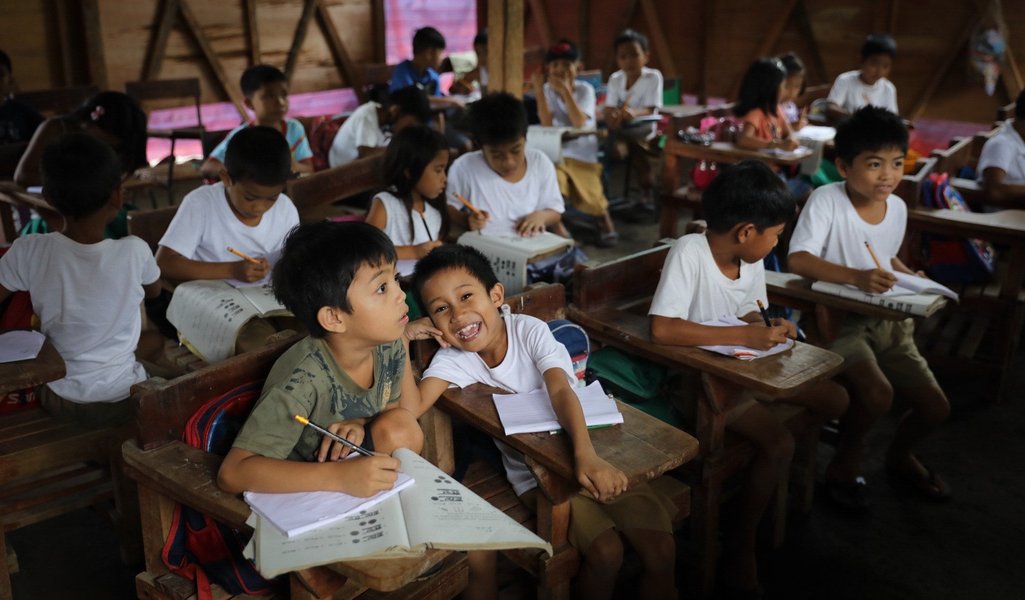
Filipino students in a classroom, representing the typical learning environment where reading comprehension skills are developed.
Core Factors Influencing Reading Comprehension
A Multifaceted Analysis of Determinants
Reading comprehension is not a monolithic skill; it is influenced by a complex interplay of various factors. Local research has identified several key areas that significantly impact a Filipino student's ability to understand what they read.
Linguistic Factors
Vocabulary Knowledge: This is perhaps the most frequently cited factor. A student's grasp of word meanings, both general and academic, is fundamental. A limited vocabulary directly hinders the ability to understand sentences and, consequently, entire passages. Studies consistently show a strong positive correlation between vocabulary size and reading comprehension scores.
Syntax Awareness: The understanding of sentence structure and grammatical rules also plays a crucial role. Difficulty in parsing complex sentences can lead to misinterpretations or a complete breakdown in comprehension.
Cognitive Factors
Background Knowledge: Prior knowledge about the topic of a text significantly aids comprehension. When students can connect new information to what they already know, the text becomes more meaningful and easier to process. Unfamiliarity with cultural references, historical contexts, or specific subject matter can create substantial barriers.
Working Memory Capacity: This refers to the ability to hold and manipulate information mentally while reading. It's essential for tracking ideas across sentences and paragraphs, making connections, and integrating information to form a coherent understanding.
Socio-cultural and Contextual Factors
Relevance of Materials: The use of non-localized or culturally alien reading materials can disengage students and impede comprehension. Texts that do not reflect students' experiences, environments, or cultural backgrounds are often perceived as difficult or uninteresting.
Instructional Materials: The quality and nature of texts used in classrooms matter. Over-reliance on materials that are not aligned with students' reading levels or interests can hinder progress.
Affective Factors
Reading Anxiety: Feelings of stress or fear associated with reading can negatively impact performance. Students who are anxious about their reading abilities may avoid challenging texts or struggle to concentrate, thereby affecting their comprehension.
Motivation: A student's interest in the reading material and their intrinsic desire to understand it are powerful drivers. Motivated readers are more likely to persist through challenging texts and employ active reading strategies.
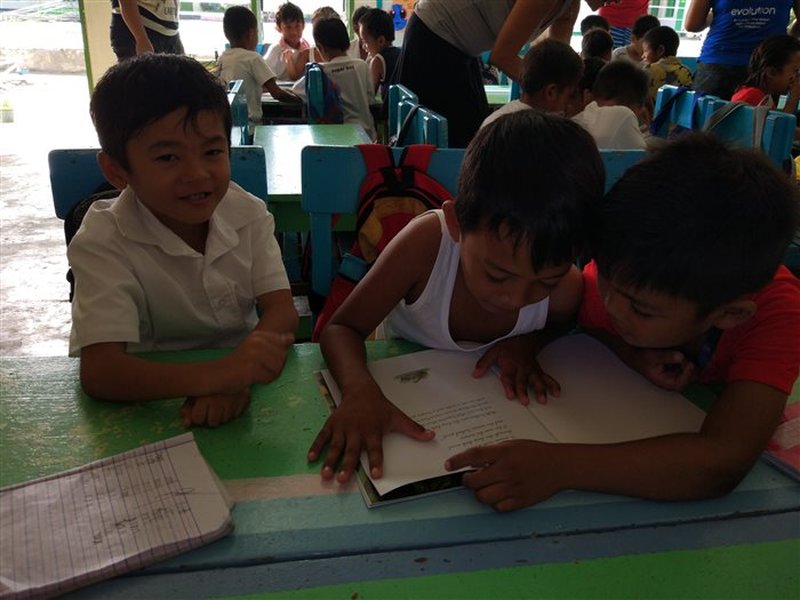
Children participating in a book club, emphasizing early engagement with reading materials.
Visualizing the Interplay of Factors in Reading Comprehension
A Radar Chart Perspective
To better understand the relative importance and current focus on various elements influencing reading comprehension among Filipino students, the following radar chart offers an illustrative perspective. This chart is based on a synthesis of prevailing themes in local research and expert opinion, rather than precise quantitative data, to highlight perceived impact and areas needing attention. It compares the perceived impact of key factors on comprehension for primary and secondary students against an illustrative current level of focus within the educational system.
This chart suggests that while factors like vocabulary and background knowledge are perceived to have high impact across grade levels, the systemic focus might not always align, particularly concerning localized materials and comprehensive teacher training for diverse student needs. Bridging these gaps is crucial for improving overall reading comprehension outcomes.
The Significance of Context: Local vs. Foreign Literary Genres
Impact on Student Comprehension and Attitude
A compelling area of local research focuses on the differential impact of Local Literary Genres (LLG) versus Foreign Literary Genres (FLG) on students' reading comprehension and attitudes. Studies indicate that Filipino students experience a more significant reduction in reading frustration levels when exposed to LLG. This is attributed to the cultural relevance and familiarity of themes, characters, and settings in local stories, fables, and other narratives.
For instance, one notable study revealed that students in an LLG group saw a 36% decrease in frustration-level readers, compared to a 20% decrease in an FLG group. Furthermore, the shift towards instructional and independent reading levels was more pronounced with local materials. This underscores the power of context in making texts accessible and engaging.
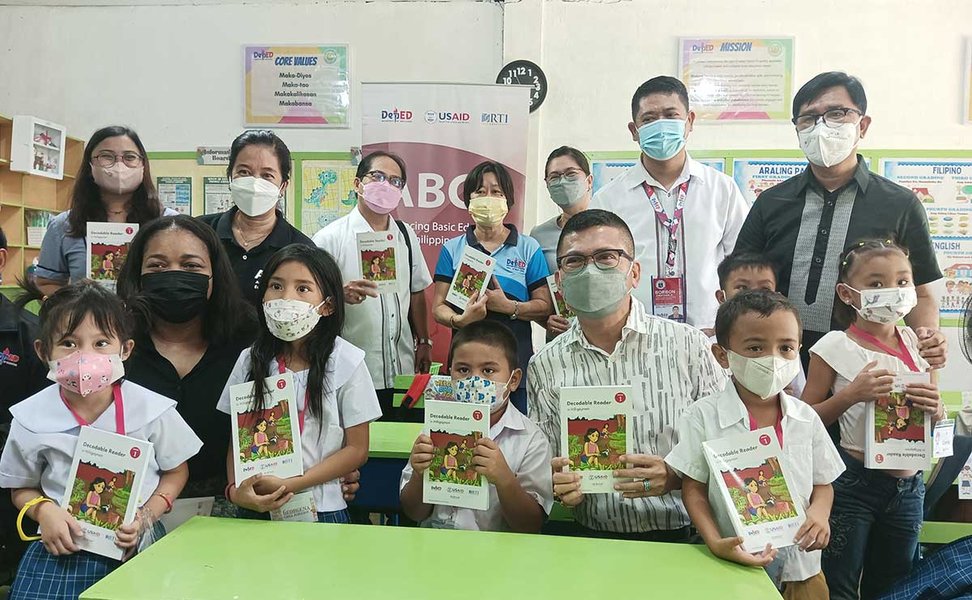
Efforts to distribute reading materials highlight the need for culturally appropriate and accessible books for Filipino children.
The table below, synthesized from local research findings, illustrates the comparative impact of LLG and FLG on reading proficiency levels and student attitudes:
| Measure | LLG (Pre-Intervention) | LLG (Post-Intervention) | FLG (Pre-Intervention) | FLG (Post-Intervention) |
|---|---|---|---|---|
| Independent Readers | 0% | 10% | 0% | 4% |
| Instructional Readers | 12% | 38% | 24% | 40% |
| Frustration Readers | 88% | 52% | 76% | 56% |
| Attitude Towards Reading (Mean Score, 5-point scale) | N/A (Baseline assumed lower) | 4.66 (Very Positive) | N/A (Baseline assumed lower) | 3.99 (Positive) |
These findings strongly advocate for the integration of more LLG into the curriculum to enhance not only comprehension skills but also to cultivate a more positive and engaged reading culture among Filipino students.
Mapping the Landscape of Reading Comprehension
A Mindmap of Influences and Interventions
The following mindmap provides a visual overview of the key elements discussed in local research on reading comprehension. It illustrates the interconnectedness of challenges, influencing factors, effective interventions, and desired outcomes within the Philippine educational context. This helps to conceptualize the holistic approach needed to address reading comprehension difficulties.
This mindmap illustrates how addressing factors like vocabulary and background knowledge, through interventions such as localized materials and explicit instruction, can lead to improved comprehension and ultimately better educational outcomes for Filipino students.
Effective Strategies and Interventions
Proven Approaches to Enhance Reading Skills
Local research and educational practice have identified several strategies and interventions that show promise in improving reading comprehension among Filipino students:
- Use of Graphic Organizers: Visual tools like story maps, concept maps, and Venn diagrams help students organize information, identify main ideas and supporting details, and understand relationships within a text.
- Phonemic Awareness Programs: Especially crucial in early grades, these programs focus on the sounds of language, which is foundational for decoding and fluency, thereby supporting comprehension.
- Explicit Instruction in Vocabulary and Syntax: Direct teaching of word meanings (especially academic vocabulary) and sentence structures helps students build the linguistic tools necessary for comprehension.
- Incorporating Local Literature and Culturally Relevant Texts: As discussed, using materials that resonate with students' lives and cultural backgrounds boosts engagement and understanding. This includes Filipino fables, local stories, and contemporary narratives.
- The 4Rs Strategy (Read, Recall, Reflect, Respond): This structured approach encourages active engagement with the text. It has been shown to be effective, particularly for learners at the frustration level, by guiding them through systematic processing of information.
- Project Read and Learn (REAL): Initiatives like this, implemented in local schools (e.g., Binakayan National High School), aim to enhance reading literacy through systematic and contextualized instruction, often yielding positive results in comprehension scores.
- Differentiated Instruction: Recognizing that students have diverse learning needs and capabilities, differentiated instruction tailors teaching methods and materials to individual student levels. This approach helps cater to varying reading proficiencies within the same classroom.
- Promoting Higher-Order Thinking Strategies: Encouraging students to analyze, synthesize, evaluate, and create based on what they read, rather than just recalling facts, deepens comprehension.
These strategies, when consistently and effectively implemented, can contribute significantly to mitigating the reading comprehension challenges faced by Filipino learners.
This video, "Mastering Reading Comprehension Skills" by Kathleen Jasper, delves into the critical concept of reading comprehension, addressing what it is, why it's important, and common challenges students face. While general in nature, its principles are universally applicable and can provide foundational insights relevant to improving comprehension skills in any context, including the Philippines.
Policy and Educational Implications
Pathways to Systemic Improvement
The persistent challenges in reading comprehension among Filipino students necessitate a multi-pronged approach involving policy reforms, curriculum adjustments, and enhanced teacher support. Key implications arising from local research include:
- Curriculum Development: There is a clear need to integrate more localized and culturally relevant reading materials across all grade levels. Curricula should also explicitly emphasize the development of vocabulary, critical thinking, and inferential skills.
- Teacher Training and Professional Development: Educators require ongoing training in effective reading comprehension strategies, including differentiated instruction, assessment techniques, and the use of diverse instructional materials. Equipping teachers with the skills to identify and support struggling readers is paramount.
- Resource Allocation: Adequate funding for quality reading materials, classroom resources, and reading intervention programs is essential. This includes investing in school libraries and digital literacy tools.
- Strengthening Assessment: Developing and utilizing robust assessment tools that measure various facets of reading comprehension (literal, inferential, critical) can help in identifying specific areas of difficulty and tracking student progress more effectively.
- Community and Parental Involvement: Encouraging parental support for reading at home and fostering community-based literacy initiatives can complement school efforts.
Addressing these areas systematically can contribute to a significant improvement in the reading comprehension levels of Filipino students, ultimately enhancing their overall educational outcomes and life opportunities.
Frequently Asked Questions (FAQ)
What are the most common reading comprehension difficulties faced by Filipino students?
Filipino students often struggle with limited vocabulary, lack of background knowledge related to texts, difficulty making inferences, and understanding complex sentence structures. Comprehending academic texts and performing well on critical thinking questions are also common challenges.
How does the use of local literary genres (LLG) affect reading comprehension?
Studies show that using LLG significantly improves reading comprehension and attitudes toward reading. Students exposed to local stories and culturally relevant texts tend to have lower frustration levels and show greater improvement in moving to instructional and independent reading levels compared to those using foreign literary genres.
What are some effective interventions to improve reading comprehension in the Philippines?
Effective interventions include using graphic organizers, implementing phonemic awareness programs, providing explicit instruction in vocabulary and syntax, incorporating local literature, using strategies like the 4Rs (Read, Recall, Reflect, Respond), and adopting differentiated instruction. Programs like Project REAL have also shown positive outcomes.
Why is background knowledge important for reading comprehension?
Background knowledge allows students to connect new information from the text to what they already know. This connection makes the text more meaningful, easier to understand, and helps in making accurate inferences. Unfamiliarity with the topic or cultural context of a text can be a major barrier to comprehension.
Recommended Further Exploration
Delve Deeper into Related Topics
- What is the impact of bilingual education (Filipino and English) on the reading comprehension skills of students in the Philippines?
- How effective are digital literacy tools and online resources in improving reading comprehension outcomes for Filipino youth?
- What is the role of teacher training programs and continuous professional development in enhancing the quality of reading instruction in Philippine schools?
- How do socioeconomic factors and access to resources affect reading comprehension levels across different regions and communities in the Philippines?
References
Sources Guiding This Review
Last updated May 7, 2025