
Local Wildlife Spotlight in Wildlife Conservation
Engaging Communities and Celebrating Local Success Stories
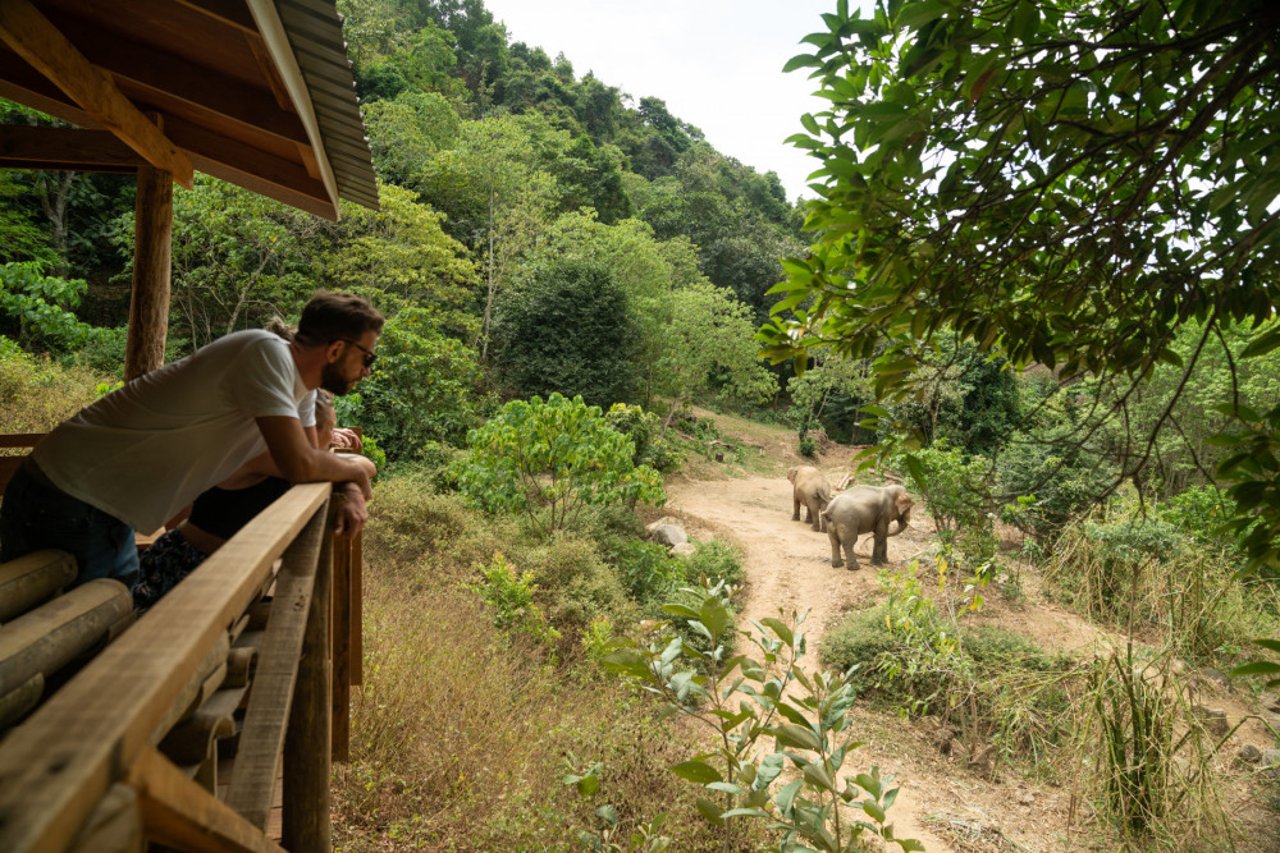
Key Highlights
- Community Involvement: Emphasizes the importance of local expertise and long-term stewardship for sustainable conservation.
- Integrated Conservation Initiatives: Showcases a diverse range of local efforts including education, habitat restoration, and wildlife rehabilitation.
- Local Success Stories and Challenges: Highlights successful projects and discusses challenges like funding, policy, and capacity building.
Introduction to Local Wildlife Conservation
Wildlife conservation plays a vital role in preserving biodiversity and maintaining healthy ecosystems. One of the most powerful approaches within this field is the focus on local wildlife initiatives, where local communities, organizations, and governments come together to address the unique aspects of conservation in their regions. Through education, habitat preservation, species-specific programs, and community-led efforts, local wildlife conservation not only protects endangered species but also sustains environmental health and cultural heritage.
The Role of Local Communities in Conservation
Local Knowledge and Stewardship
Local communities hold a profound and intuitive understanding of their natural surroundings. This indigenous knowledge is indispensable for crafting targeted conservation strategies that align with both environmental and economic needs. Communities, by being directly involved in conservation efforts, bring first-hand expertise that results in more sustainable practices. Many initiatives have proved that when community members are empowered, they become the strongest advocates for protecting local wildlife and habitats.
Benefits of Community Involvement
The active participation of locals elevates conservation efforts by:
- Building a sense of ownership and responsibility for natural resources.
- Establishing effective monitoring and reporting on wildlife activity.
- Enabling quick adaptation to local threats through rapid response strategies.
Case Studies: Real-Life Examples
Various success stories illustrate the power of community engagement:
- Sea Turtle Conservation in Costa Rica: Local communities collaborate to protect nesting sites against human disturbance and environmental threats.
- Mountain Gorilla Protection in Rwanda: Indigenous guides work alongside conservation organizations to monitor and ensure the survival of endangered gorilla populations in protected areas.
- Indigenous-Led Initiatives in Australia: Local Aboriginal communities are using traditional knowledge to maintain ecosystems and preserve native species. Their integrated management practices support both cultural heritage and modern conservation.
Integrated Local Initiatives and Strategies
A diverse array of local initiatives has emerged, combining efforts in wildlife monitoring, habitat restoration, species-specific action plans, and educational outreach. These strategies often revolve around community involvement and the shared goal of biodiversity preservation.
Wildlife Rehabilitation and Release
One striking example is the rehabilitation of injured wildlife, such as the successful release of a bald eagle in Ohio after a concerted effort by local wildlife officials. These efforts underscore the practical applications of conservation science and the essential role local expertise plays in the recovery of endangered species.
Key Elements in Rehabilitation Initiatives
- Structured rehabilitation programs that restore animals to their natural habitats.
- Close collaboration with veterinary experts and local conservation authorities.
- Post-release monitoring to assess the long-term success of reintegration into the wild.
Habitat Protection and Restoration
Protecting and restoring natural habitats is a fundamental pillar for successful wildlife conservation. Local initiatives often focus on preserving contiguous ecosystems that prevent habitat fragmentation—a major threat that isolates populations and diminishes genetic diversity. Community-led reforestation, wetland restoration, and the establishment of ecological corridors are prevalent practices that help maintain both local and regional biodiversity.
Strategic Approaches to Habitat Conservation
- Development of protected areas that safeguard critical habitats.
- Coordination of regional efforts to link fragmented habitats, enhancing wildlife migration routes.
- Active replanting and habitat recovery projects involving local volunteers and stakeholders.
Species-Specific Initiatives and Projects
In many instances, conservation programs zero in on individual species that are emblematic of local biodiversity. These initiatives are crucial for not only saving the species from extinction but also for illuminating broader environmental challenges.
Focus on Endangered Species
Programs targeting specific species, such as big cat conservation efforts and projects designed to protect the reticulated flatwood salamander, bring attention to both the ecological and cultural significance of these animals. By highlighting the conservation of a single species, initiatives can rally community support and fundraise more effectively.
Notable Examples of Species-Focused Projects
- Big Cat Conservation: Recent efforts in 2025 have seen considerable advancements in protecting big cats, involving rescue operations, research studies, and habitat improvements backed by local wildlife spotlights.
- Salamander Relocation Projects: Collaborative efforts between state agencies and local conservation organizations are relocating endangered species to safer, protected habitats—demonstrating a blend of scientific planning and community initiative.
Educational Outreach and Capacity Building
An essential component of local wildlife conservation is education. By increasing awareness through community programs, academic involvement, and local workshops, conservation efforts gain the momentum needed for long-term impact. Educational initiatives also include integrating local knowledge with modern conservation techniques through STEM competitions and public engagement events.
Building Future Generations of Conservationists
Programs aimed at local youth are remarkably impactful. For example, STEM competitions that encourage kids to propose innovative ideas for protecting both ocean and wildlife ecosystems not only foster academic interest but also empower the next generation to take leadership roles in conservation.
Educational Strategies for Local Communities
| Initiative | Description | Impact |
|---|---|---|
| Wildlife Education Programs | Workshops and interactive sessions for schools and communities. | Enhanced public awareness and participation in conservation efforts. |
| STEM Competitions | Challenges for local youth to propose innovative conservation strategies. | Encouraging innovative thinking and practical conservation solutions. |
| Volunteer Training Sessions | Capacity-building programs to equip locals with skills for wildlife monitoring and habitat restoration. | Sustainable community-led conservation projects. |
Tackling Challenges in Local Wildlife Conservation
Despite the numerous successes, local wildlife conservation faces several challenges that need attention and resolution. One of the prominent challenges is securing enough funding and resources to maintain these initiatives. Budgetary constraints can hamper the progress of projects, whereas insufficient state or federal support often places greater pressure on community resources.
Key Challenges
- Funding and Resource Allocation: Limited finances can impede conservation processes, making it necessary to seek external partnerships and grants.
- Policy and Regulatory Frameworks: Inadequate policies sometimes restrict the implementation of effective wildlife conservation strategies.
- Capacity Building: While local knowledge is valuable, focused training is essential to enhance technical skills and ensure sustainable management.
Opportunities Through Collaboration
Addressing these challenges requires the collective effort of governments, NGOs, and local communities. Collaborative funding projects, legislative reforms tailored to environmental conservation, and continual training modules can help local initiatives thrive and ensure the long-term protection of biodiversity.
Emerging Trends and Future Directions
Looking forward, the integration of modern technology and traditional practices is expected to further enhance local wildlife conservation efforts. Innovations in monitoring technologies, community engagement platforms, and data sharing through digital networks are creating bridges between local and global conservation endeavors.
Innovative Approaches in Conservation
In recent years, wildlife conservation projects have embraced technology through tools for tracking species, data analytics, and satellite monitoring. These advanced methods enable more precise interventions and facilitate real-time assessments of environmental changes. When combined with local knowledge and community efforts, these technologies not only boost the efficiency of conservation programs but also scale the overall impact.
Examples of Technological Integration
- Wildlife Tracking Systems: Use of GPS and sensor technologies to monitor migration patterns and habitat use.
- Data-Driven Decision Making: Incorporation of real-time environmental data to guide adaptive management strategies.
- Community Alert Platforms: Mobile apps and online platforms that allow locals to report wildlife sightings and threats, fostering immediate action.
References
- The Role of Local Communities in Wildlife Conservation - Discover Wild Science
- Wildlife Conservation Initiatives - World Wildlife Fund
- Wildlife Conservation Society - WCS
- Conservation Efforts - The Nature Conservancy
- Wildlife Conservation Network - WildNet
Recommended Queries
Last updated March 21, 2025