
Local Wildlife Spotlight: Understanding Our Ecosystems
Discover the diversity and importance of local wildlife within our communities
Key Highlights
- Education and Community Engagement – Learn how local wildlife initiatives promote conservation through citizen science and educational programs
- Diverse Habitats and Species – Explore the various ecosystems that host an array of species from mammals to amphibians
- Conservation and Sustainable Practices – Understand the importance of sustainable coexistence between humans and wildlife
Introduction to Local Wildlife
Local wildlife refers to the collection of animal and plant species found within a specific geographic region. These species are integral to the functioning of ecosystems, contributing to biodiversity, ecological balance, and the overall health of natural environments. In urban and rural settings alike, inhabitants—from birds to small mammals, reptiles, amphibians, and insects—play essential roles in maintaining healthy, thriving ecosystems.
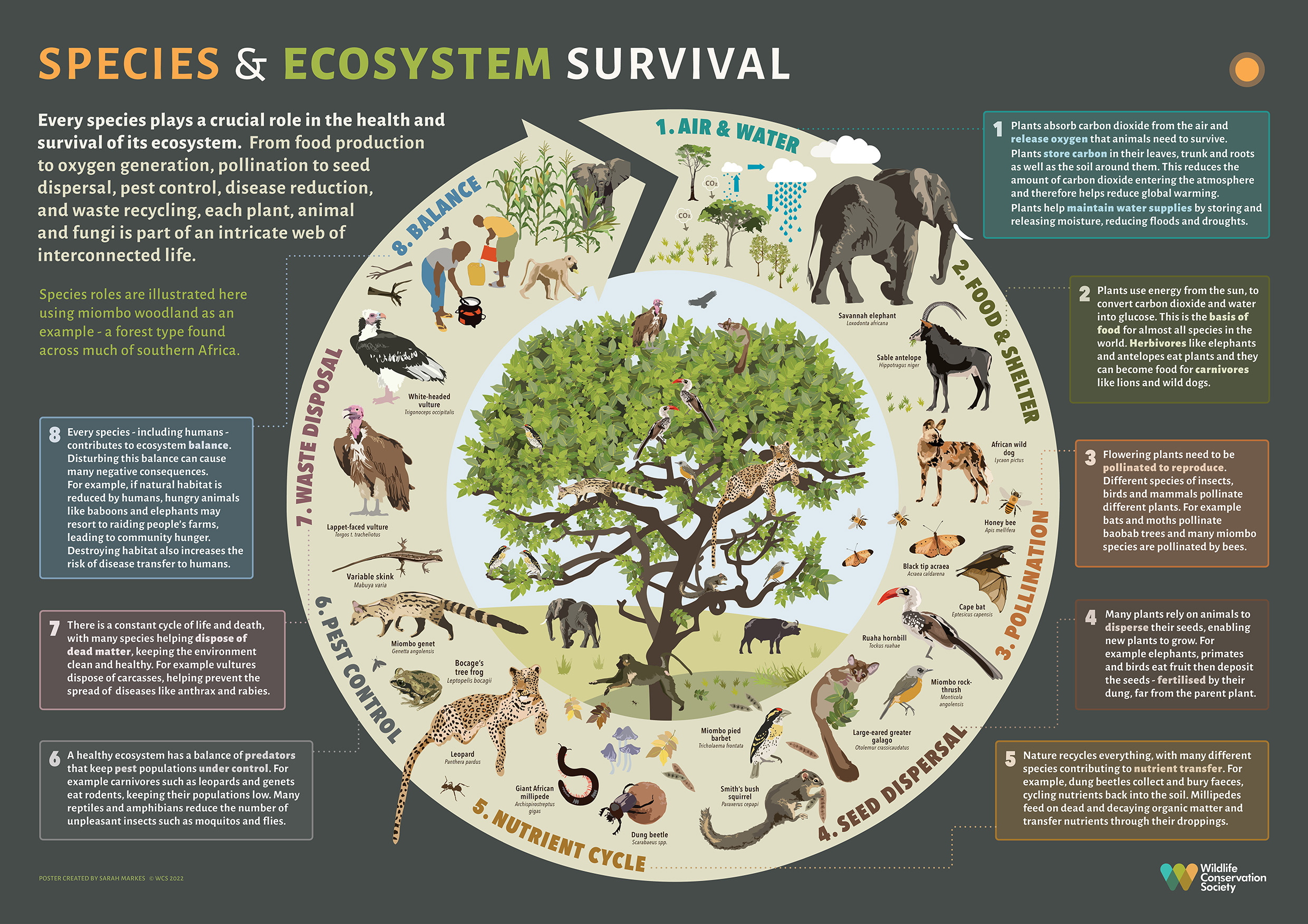
Understanding local wildlife involves not only identifying and appreciating the beauty of these species but also recognizing their importance in ecological processes such as pollination, seed dispersal, nutrient cycling, and pest control. This spotlight on local wildlife emphasizes a comprehensive view that spans conservation efforts, educational outreach, community engagement, and sustainable practices to coexist harmoniously with nature.
Diverse Species and Their Habitats
Range of Species
Local wildlife includes a broad spectrum of species covering various taxonomic groups. From mammals such as deer, coyotes, squirrels, and rodents, to a range of bird species including songbirds and raptors, each plays a unique role in the food web. Additionally, reptiles like snakes and lizards, amphibians such as frogs and salamanders, and an array of insect species contribute to local biodiversity. This diversity is crucial not only for the health of environments but also for sustaining ecosystem services that humans often take for granted.
Habitats and Ecosystem Types
Habitats vary widely, from urban parks and suburban backyards to regional forests, grasslands, wetlands, and coastal areas. Each habitat supports species adapted to its specific environmental conditions. For instance, urban areas may be home to adaptable species like raccoons and feral pigeons, while rural and forested areas might support more sensitive species requiring larger territories and less human disturbance.
Urban and Suburban Environments
Even in densely populated cities, local wildlife thrives in pockets of green space, parks, and along waterways. Urban wildlife often includes species that are highly adaptable and can exploit available resources, sometimes leading to close encounters between humans and animals. Community initiatives encourage residents to implement wildlife-friendly practices, such as securing trash to reduce unwanted attractants and planting native vegetation to support pollinators and birds.
Rural and Natural Landscapes
In more natural settings, the diversity of species becomes even more evident. Forests, grasslands, and wetlands provide sanctuary for a wide range of fauna and flora. Wildlife conservation efforts in these areas focus on maintaining habitat integrity, protecting endangered species, and ensuring that natural processes such as migration and breeding proceed without disruption.
The Role of Education and Community Engagement
Educational Programs and Awareness Campaigns
At the heart of local wildlife conservation is the need for education and awareness. Numerous programs and webinars are designed to help community members—from school children to adults—identify local species, understand their behavior, and learn why conserving these species is critical. Educational efforts often include guided nature walks, interactive identification tools, and hands-on citizen science projects. These initiatives empower individuals to take an active role in monitoring and preserving local ecosystems.
Local schools have incorporated wildlife studies into their curricula, offering resources such as guest lectures from wildlife experts, interactive exhibits, and field trips aimed at observing nature firsthand. This approach not only enriches students' learning experiences but also instills a sense of environmental stewardship early on.
Citizen Science and Community Reporting
Citizen science projects allow community members to participate in monitoring local wildlife. By reporting sightings, participating in survey initiatives, and contributing observations to online platforms, individuals become valuable partners in the effort to track biodiversity and monitor changes in local ecosystems. These data, often collected through mobile apps and community websites, help researchers identify trends in wildlife population dynamics and habitat health.
Programs such as these encourage a closer connection to nature and help demystify the roles of various species in the environment. For example, local observation maps enable residents to see where specific wildlife species have been spotted, turning everyday outings into valuable scientific contributions.
Conservation Initiatives and Sustainable Practices
Protecting Habitats and Species
Conservation is a primary focus when spotlighting local wildlife. Efforts to secure habitats against urbanization and environmental degradation are critical. Many cities are developing wildlife corridors, preserving natural green belts, and enacting policies that reduce habitat fragmentation. These efforts are supported by both government agencies and non-profit organizations dedicated to protecting endangered species.
Specific local initiatives may target vulnerable species, such as urban nesting birds or native plants that serve as keystone components in local ecosystems. By maintaining natural habitats and implementing measures such as controlled burns or invasive species management, environmental agencies help sustain the balances in these ecosystems. Conservation strategies often rely on data provided by citizen scientists, making community participation a cornerstone of these efforts.
Sustainable Urban Planning
Sustainable urban planning seeks to create environments where human development and wildlife conservation coexist effectively. This involves integrating ecological principles into city planning, using green infrastructure like parks, green roofs, and permeable pavements to support local biodiversity. Urban wildlife not only enhances the aesthetic quality of neighborhoods but also contributes to overall environmental health, such as improved air quality and reduced heat islands.
Furthermore, many cities now collaborate with local universities and research institutions to develop and monitor sustainable urban plans. These partnerships ensure that development projects incorporate ecological data and conservation best practices, promoting a healthier environment for both residents and wildlife.
Comparative Overview of Local Wildlife Initiatives Worldwide
Global Conservation Efforts
While the concept of local wildlife spotlight primarily focuses on specific geographic areas, the principles of wildlife conservation are universal. Globally, initiatives range from protected wildlife reserves in Africa, such as Kruger National Park which is renowned for its diverse species including the Big Five, to community-led conservation projects in North America and Europe that emphasize urban biodiversity. Each region adapts its strategies based on local environmental conditions and species-specific needs.
For example, in the United States, local wildlife support networks exist in numerous states where educational programming, community reporting, and habitat management intersect to create a sustainable framework. These efforts also address specific regional challenges – be it urban sprawl, pollution, or climate change – ensuring adaptable conservation practices that can be modified as needed.
Examples from Around the Globe
Consider some illustrative examples:
- In North America, organizations have adopted technology to track wildlife sightings using interactive maps. They invite the public to report species observations via smartphone applications, which are subsequently used to assess local biodiversity health and guide conservation strategies.
- In rural Australia, community-based initiatives work alongside governmental bodies to reintroduce native species to habitats where they had once been extinct or endangered. These projects involve extensive reforestation and water management plans to mimic natural conditions favorable to native wildlife.
- In Europe, urban wildlife corridors have been implemented to allow safe passage for animals in cities divided by modern infrastructure. These corridors help mitigate the effects of urban development on species that require larger, contiguous habitats for migration and feeding.
Local Wildlife Spotlight: Interactive Table of Species
The table below provides a comparative look at various local wildlife species, along with their preferred habitats, conservation status, and key facts.
| Species | Habitat | Region | Conservation Status | Key Facts |
|---|---|---|---|---|
| Eastern Box Turtle | Woodlands, grassy areas | Eastern United States | Threatened in some areas | Adaptable; affected by habitat loss |
| Spotted Salamander | Moist woodlands and wetlands | New Jersey and surrounding areas | Not endangered | Indicator species for habitat health |
| Feral Pigeon | Urban environments, parks | North America, Europe | Common | Highly adapted to city life |
| Mandarin Duck | Wetlands, ornamental ponds | Various localities | Least Concern | Earthen conservation marker |
| Mountain Lion | Forested and mountainous regions | Western United States | Protected in many states | Large carnivore; critical for population control |
The Future of Local Wildlife Conservation
Embracing Technology in Conservation
As technology evolves, new methods are emerging to monitor and protect local wildlife. Satellite imagery, mobile apps, and interactive map tools have revolutionized how communities gather data on species distribution and health. For example, real-time mapping technologies allow conservationists to track migration patterns, identify critical habitats, and respond quickly to environmental threats. This technological integration not only enhances data accuracy and accessibility but also bridges gaps between professionals and the broader public.
Moreover, the future of local wildlife conservation depends on continued collaboration between government agencies, non-profits, academic institutions, and the public. Inclusive partnerships enable the development of sustainable conservation strategies that are scientifically-driven and community-focused. Public data contributions empower citizens to act as stewards of their local environment, enriching conservation efforts with collective insight and shared responsibility.
Challenges and Opportunities Ahead
While local wildlife conservation has seen tremendous growth, challenges remain. Urban expansion, climate change, pollution, and habitat destruction are ongoing threats that require adaptive management strategies. However, these challenges also present opportunities for innovative solutions. The integration of eco-friendly urban design, renewable energy sources, and community-supported conservation projects continues to redefine the relationship between human development and nature.
By focusing on preventive measures, such as creating wildlife corridors and promoting environmental education, communities can mitigate many of the adverse effects of rapid urbanization. These opportunities highlight the potential for local wildlife initiatives to not only protect but also enhance biodiversity, ultimately benefiting ecological systems and human well-being in equal measure.
References
- HERE in Houston - Local Wildlife
-
National Wildlife Federation - Keystone Plants by Ecoregion
- Earthdeck - Wildlife Maps
- Royston Wildlife Blog - Sightings
- PBS SoCal - Earth Month Documentation
Recommended Related Queries
 roystonwildlife.blogspot.com
 dam.assets.ohio.gov
Last updated March 24, 2025