
How to Leave Your Keyless Remote in the Car and Lock the Car Without Triggering the Alarm
Explore effective strategies and necessary precautions for handling keyless entry systems
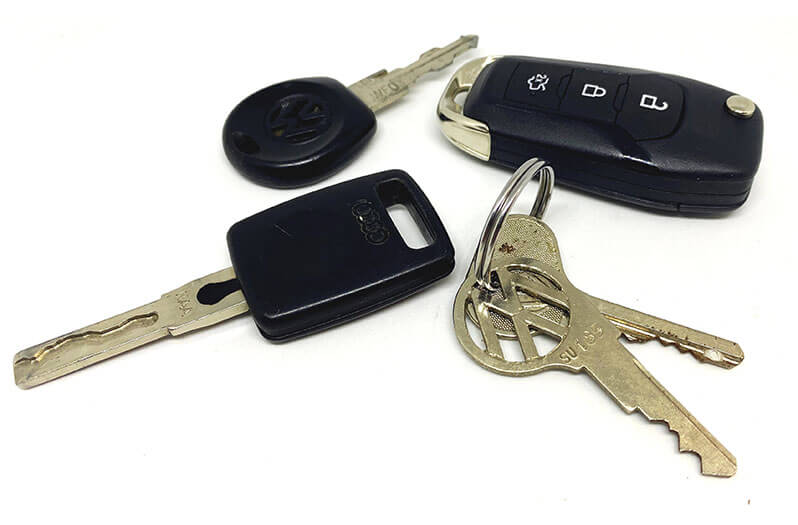
Key Takeaways
- Understanding Modern Safeguards: Most vehicles are designed to prevent locking with the remote inside to avoid unintentional lockouts and security risks.
- Alternative Techniques: There are methods such as using emergency key slots, manual locking options, or specialized keypads available in some models.
- Precaution and Consultation: It is crucial to review your owner’s manual or consult the dealership for model-specific guidance while employing any workaround.
Introduction
In today’s world of advanced automotive technology, keyless entry systems offer convenience and enhanced security. However, modern vehicles are equipped with a host of safeguards that are specifically designed to prevent a situation where the keyless remote (key fob) is left inside the car while the vehicle is being locked. These built-in measures aim to avoid accidental lockouts and to protect the driver from inadvertently disabling crucial security features. Despite these precautions, there are scenarios where a driver might deliberately wish to leave the key fob in the vehicle and still secure it by locking the doors without triggering the alarm system.
This comprehensive guide explores various strategies that some vehicle owners have considered to achieve this. It is important to note that while these methods might work for certain models, misuse or improper implementation may risk triggering the alarm system or even compromising vehicle security. Always prioritize safety and refer to your vehicle’s owner’s manual for the most accurate advice.
Understanding Keyless Entry Systems and Their Safety Mechanisms
Why Modern Vehicles Are Engineered to Prevent Locking with the Fob Inside
Most modern vehicles incorporate sensors and detectors that are designed to recognize the presence of the key fob within or near the cabin. When the system detects that the fob is inside, it generally overrides the lock command to prevent you from inadvertently trapping the keys inside the vehicle. This safety feature is particularly prevalent in keyless entry systems where proximity sensors are used to automatically unlock the car when the key fob is nearby.
The idea behind this safety mechanism is straightforward: avoid situations where the driver might accidentally lock themselves out by leaving their keyless remote inside. While this feature enhances security, it can present a challenge if there is a deliberate need to leave the fob inside while safeguarding the vehicle from unauthorized access.
Inherent Challenges and Considerations
The challenge of intentionally locking a car with the key fob inside revolves around bypassing these automatic safety mechanisms. The difficulties include:
- Automatic sensor detection that prevents the door from locking if the key fob is detected.
- An advanced alarm system that can be triggered if the door is forced or locked improperly.
- Potential security vulnerabilities if non-standard methods are applied, which might inadvertently disable critical safety features.
Given these challenges, any solution must be carefully calibrated to ensure the vehicle remains secure without compromising the integrity of the car’s built-in alarm mechanism.
Potential Methods to Lock the Car with the Keyless Remote Inside
Overview of Techniques and Practical Workarounds
Although not recommended by manufacturers, several techniques have been identified that may help in achieving the goal of locking the car while the keyless remote remains inside. The following methods represent a consolidation of common workarounds that some drivers have reported:
1. Using an Emergency Key Slot or Manual Locking Mechanism
Some vehicles are equipped with an emergency key slot that permits manual locking even when the key fob is detected inside. If your model features an emergency locking system:
- Locate the Emergency Key Slot: This is frequently found near the driver’s side door. Insert your manual key (often found as a backup) into this slot.
- Lock Manually: Turn the key to the lock position. This mechanical override can sometimes bypass the sensor’s detection of the key fob.
Do note that not every vehicle comes with this feature, so consulting your owner’s manual is imperative before attempting this approach.
2. Utilizing a Keypad or Remote Alternatives
Certain models, particularly among some Ford and other brands, include a keypad entry system that allows locking the vehicle independently of the key fob presence. This option works as follows:
- Input Method: Use the physical keypad mounted on the vehicle, enter your personal code, and initiate the locking procedure.
- Bypass the Sensor: The correct code submitted via the keypad effectively communicates with the vehicle’s system to lock the doors without needing the fob signal. This prevents the alarms from being activated.
When considering this method, verify whether your vehicle supports keypad locking with the key fob inside by reviewing your car’s configuration and the manufacturer’s settings.
3. Temporarily Disabling the Keyless Entry Feature
For models that allow drivers to modify the settings, it might be possible to temporarily disable the keyless entry system. This method usually involves:
- Owner’s Manual Consultation: Inspect the “Settings” section of your vehicle’s manual. Some modern systems offer a mode where the proximity sensor is disabled for a short period.
- Using the Ignition Method: In some vehicles, inserting the manual key into the ignition and placing it in the “on” position activates a mode that temporarily deactivates the sensor, allowing you to lock the door without triggering the alarm.
Be cautious with this method, as the exact procedure can vary greatly depending on the make and model. It is advisable to test this method under controlled conditions before relying on it in an emergency.
4. Employing Signal-Blocking Accessories
Signal-blocking pouches, often used to disable wireless signals, may provide a means to prevent the car from detecting the key fob’s presence. Although this method does not directly lock the car, it inadvertently allows the vehicle to perceive that the fob is not present:
- Faraday Pouches/ Bags: Place your key fob in a Faraday bag before leaving it in the car. The bag blocks the radio frequency signals, making the car’s system believe the key fob is absent.
- Cautionary Note: Using this method might result in the inability to unlock the vehicle remotely when needed. Additionally, the permanent retention of the key in such a bag inside the car may pose long-term accessibility risks.
5. Implementing Backup and Manual Entry Options
The simplest method for avoiding an alarm involves preventing the absence of a manual key backup. In scenarios where the keyless remote remains in the car:
- Alternative Key Fob: Always consider having a spare manual key or a second fob stored in a safe, accessible location.
- Roadside Assistance: Align with reliable roadside assistance programs or professional locksmith services that can expertly navigate such security constraints.
Relying solely on these backup measures can be particularly useful in cases of emergency lockouts resulting from leaving the remote inside.
Comparison Table of Methods
The table below summarizes various techniques, along with their descriptions and key precautions:
| Method | Description | Precautions | Suitable For |
|---|---|---|---|
| Emergency Key Slot / Manual Locking | Using the physical key in an emergency slot to bypass the fob sensor | Available only in certain vehicles; consult manual | Vehicles with manual override features |
| Keypad Entry | Locking with a personal code through the vehicle’s external keypad | Ensure the vehicle supports this feature | Vehicles equipped with integrated keypads |
| Temporarily Disabling Keyless Entry | Using settings or ignition-based modes to deactivate sensor temporarily | Varies by model; testing recommended | Vehicles with configurable entry systems |
| Signal-Blocking Accessories | Using Faraday pouches to block fob signals and trick the detection system | May prevent remote unlock; not a long-term solution | Short-term or emergency use |
| Backup Options | Carrying a spare key/fob or using professional unlocking services | Ensure spare is accessible; plan ahead | All vehicles |
Detailed Steps and Experimental Procedures
Step-by-Step Process for a Controlled Scenario
Before fully committing to any method, perform a controlled test in a safe environment. The following detailed steps outline a recommended procedure for assessing these techniques:
Step 1: Consultation and Preparation
Assess Your Vehicle’s Capabilities: Begin by thoroughly reviewing your vehicle’s owner manual. Look for sections describing the keyless entry system, emergency locking mechanisms, or settings adjustments available to the driver. Familiarize yourself with the layout of the door panels, key slot locations, and any integrated keypads.
Gather Necessary Tools: Depending on the intended method, you may need a spare key, a manual key (often stored within the key fob assembly), and possibly a signal-blocking pouch if considering that method. Having an alternative unlocking option, such as contact information for your roadside assistance service or a professional locksmith, will enhance your safety.
Step 2: Testing the Emergency Key Slot or Manual Locking Option
If your vehicle includes an emergency key slot, follow these steps:
- Insert the Key: Place the manual key into the designated keyhole near the driver's side door.
- Manually Engage the Lock: Turn the key to the locking position. Observe if the car accepts the manual lock command without triggering the alarm.
- Confirm the Status: Attempt to re-open the door both manually and using the key fob to ensure that the system has been overridden by the manual input without activating the alarm.
This trial will inform you whether the physical override is a reliable method for your specific vehicle.
Step 3: Using the Keypad Entry System (If Available)
For vehicles that are equipped with external keypads, do the following:
- Locate the Keypad: Find the entry keypad on the driver side panel or near the door handle.
- Enter Your Code: Input your pre-programmed code, ensuring accuracy in the sequence. Once the code is entered correctly, initiate the locking mechanism.
- Verify Operation: Check that the doors lock without the fob’s sensor interfering. This method should bypass the remote’s presence by using a distinct input.
Test the keypad multiple times under controlled conditions to confirm its effectiveness.
Step 4: Temporarily Disabling the Keyless Entry Sensor
If your vehicle allows temporary modifications to the keyless entry settings, proceed as follows:
- Engage Ignition Procedures: Some vehicles allow you to disable the sensor by inserting the key in the ignition and turning it to the “on” position (without starting the engine). This can put the vehicle into a mode where the fob is ignored when locking the doors.
- Initiate Lock: With the sensor effectively disabled, proceed to manually lock the car. Confirm that the alarm does not trigger during this process.
- Return to Normal Function: After testing, ensure that you re-enable the standard keyless entry settings to maintain everyday convenience and security.
Step 5: Evaluating the Use of Signal-Blocking Accessories
As an alternative, if you prefer using accessories, the following steps might be implemented:
- Prepare a Faraday Pouch: Securely place your key fob inside a signal-blocking pouch designed to inhibit radio frequency signals.
- Leave the Fob Inside: Keep the pouch with the fob inside the car before locking the door. The blocking effect should prevent the car from detecting the key fob.
- Monitor the System: After locking, try accessing the car using an external key or the alternative unlocking methods you have prepared. Then, simulate an unlocking procedure to verify that the alarm is not triggered.
This method has the added benefit of not requiring mechanical interventions; however, it does necessitate extra caution to ensure that you do not permanently block the possibility of remote unlocking.
Precautions and Considerations for Vehicle Security
Weighing the Risks and Benefits
While the above methods may help you achieve the goal of locking your vehicle with the key fob inside without triggering the alarm, several general precautions must be considered:
- Consult Your Manual: The safest course of action is to refer to the manufacturer’s instructions. There is often a reason why certain safety features are built into the system.
- Consider Security Implications: Deliberately bypassing safety features can compromise your vehicle’s overall security. Ensure that any modification or workaround does not expose your vehicle to theft or damage.
- Plan for Emergencies: Always maintain a backup plan—this could include carrying a manual key, keeping the contact information for a trusted locksmith, or having roadside assistance options at hand.
If you find that you repeatedly encounter situations where your keyless remote is accidentally locked inside, it may be wise to invest in additional or alternative entry systems, or to change your habits by setting routines that check for the presence of your remote before leaving the car.
Legal and Warranty Considerations
It is equally important to understand that tampering with your car’s security system might void warranties or even lead to legal consequences if the modifications result in a theft or damage incident. Automakers design these systems not only to protect you but also to ensure compliance with safety regulations. Therefore, any deliberate bypassing of these features should be undertaken only after careful evaluation and preferably with professional guidance.
Final Thoughts on Practical Implementation
While modern safety systems in vehicles are robust, there are instances where a driver may need to rely on alternative methods to secure a vehicle while leaving the keyless remote inside. Whether it is through the use of an emergency key slot, keypad entry, temporary sensor deactivation, or signal-blocking accessories, each method carries its own set of risks and operational nuances.
The most critical factor in this process is ensuring that you have thoroughly tested whichever method you plan to rely upon in a safe and controlled environment. In addition, continuous adherence to best practices—such as regularly checking that your backup keys are accessible and keeping a record of procedures tailored to your car’s make and model—can help avoid stressful lockout situations.
Ultimately, the design of modern keyless systems is a testament to the automotive industry’s commitment to safety and user convenience. As tempting as it may be to seek ways to circumvent these features, it is paramount that any experimental method be approached with caution and an understanding of the potential consequences.
Conclusion
Locking your vehicle with the keyless remote inside without triggering the alarm is a challenging feat due to the sophisticated safety mechanisms embedded in modern vehicles. Options such as using an emergency key slot, utilizing a vehicle’s keypad system, temporarily disabling the keyless entry sensor, or strategically using signal-blocking accessories provide possible workarounds. However, each technique comes with specific precautions and risks.
The primary takeaway is that any such method should be implemented only after careful review of your vehicle’s owner manual and, where necessary, consultation with a dealership or automotive professional. Maintaining backup keys and ensuring you have reliable roadside assistance is essential. In every scenario, prioritizing vehicle security and personal safety remains paramount.
In summary, while it is technically possible to leave your keyless remote inside the car and still lock the door without setting off the alarm, doing so requires a clear understanding of your vehicle’s systems and careful practical testing. Always strive for a balance between convenience and security, and consider alternative strategies to sustainably manage key-fob related issues.
References
- How To Lock Car With Key Fob Inside - SafetyFic
- How To Lock Car With Key Fob Inside - Safety Special
- How To Unlock Car With Key Fob Inside - Popalock
-
Is There A Way To Deliberately Lock The Car With The Smart Key Inside - Hyundai Forums
More
Last updated February 19, 2025