
Lödösefynd, Rolf Sundberg and Hedevägen in Lödöse
An in-depth exploration of history, archaeology, and local heritage
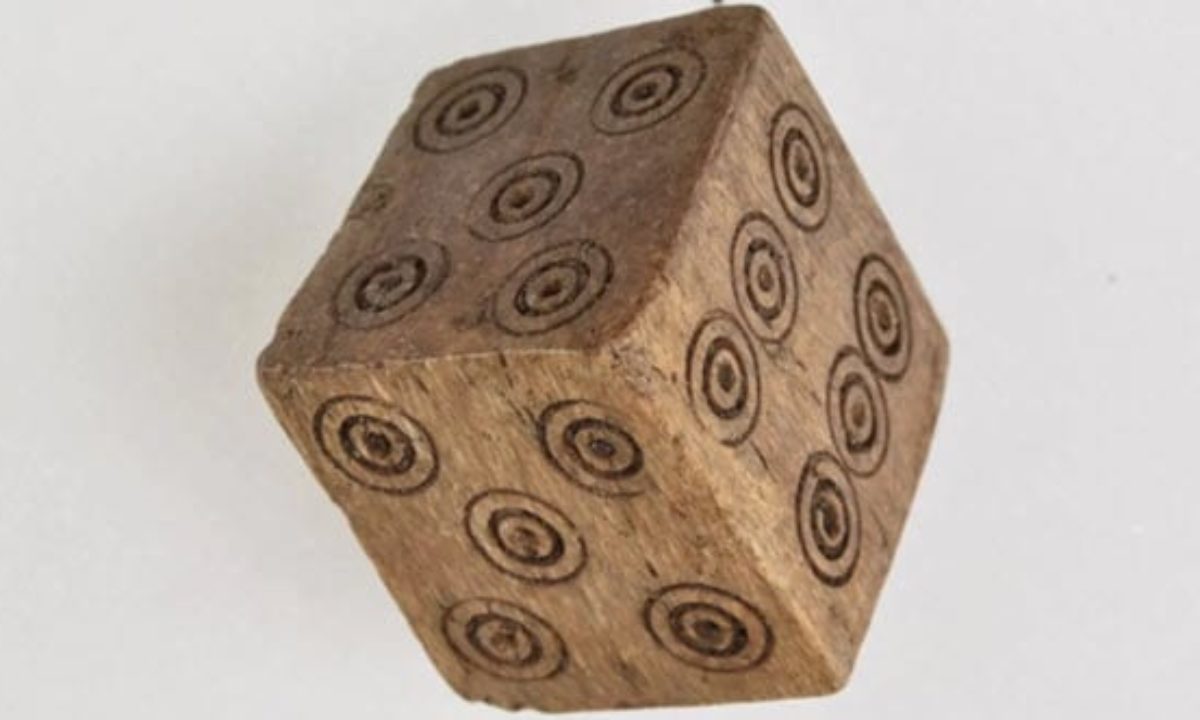
Key Highlights
- Historical Context – The medieval town of Lödöse played a crucial role in early Swedish trade and culture, a fact vividly documented in the book "Lödösefynd."
- Archaeological Significance – "Lödösefynd: ting från en medeltidsstad" sheds light on excavated artifacts, offering a window into medieval life.
- Local Figures – Rolf Sundberg, one of the book’s co-authors and a resident of Hedevägen 1 in Lödöse, actively contributes to preserving local history.
Understanding Lödöse and its Medieval Past
Lödöse is a historical town in Sweden that once held considerable importance during the Middle Ages. As one of the early and significant urban centers, Lödöse served as a bustling hub for trade and cultural exchange. Archaeological discoveries have revealed that the town was a melting pot of diverse influences, providing an intricate picture of medieval urban life.
Lödöse’s Strategic Role in Medieval Sweden
The town of Lödöse is often recognized as a forerunner to modern Swedish cities like Gothenburg. Its strategic location along waterways facilitated commerce and the movement of goods, making it a vital trade center during the medieval period. Excavations in and around Lödöse have uncovered more than half a million objects, which range from everyday items to specialized artifacts, each contributing to the historical tapestry of the region.
Archaeological Findings Documented in "Lödösefynd"
"Lödösefynd: ting från en medeltidsstad" is not only a book but also a repository of knowledge about the material culture of medieval Lödöse. Authored by Rune Ekre, Carl Hylander, and Rolf Sundberg, the book compiles findings from numerous archaeological excavations. It provides detailed accounts of everyday objects and ceremonial artifacts that collectively reflect the social, economic, and cultural life of the medieval population.
This volume serves as an essential resource for historians, archaeologists, and those interested in medieval studies. Its comprehensive documentation aids in understanding the dynamics of urban life in an era where each artifact tells a story of its own. The meticulous research published in 1994 by Stödföreningen för Lödöse Museum remains a cornerstone in the study of Sweden's medieval heritage.
Profile of Rolf Sundberg
Rolf Sundberg is a significant figure associated with the preservation and study of Lödöse’s heritage. As one of the co-authors of "Lödösefynd," his contributions have been instrumental in bringing to light the rich archaeological heritage housed within the town. Sundberg, alongside his colleagues Rune Ekre and Carl Hylander, has played a key role in documenting and interpreting the artifacts uncovered during excavations.
Biographical Details and Local Ties
Born on November 28, 1951, Rolf Sundberg has dedicated much of his professional life to working on projects that illuminate Sweden's medieval past. Residing on Hedevägen 1 in Lödöse, his local ties are not merely nominal but are reflective of his deep-rooted connection to the town’s history. His residence, situated in an area steeped in historical significance, symbolizes the living continuum of Lödöse's cultural narrative.
Contribution to the Field of Archaeology and Local History
Rolf Sundberg’s work extends beyond the pages of "Lödösefynd." His involvement in projects associated with the Lödöse Museum has helped in curating exhibitions that showcase the town’s past. Through his research, Sundberg has contributed to our understanding of the evolution of early urban centers in Sweden. His interdisciplinary approach combines historical research with archaeological evidence, thus providing a more complete picture of medieval Scandinavian society.
He has also been linked to academic and cultural discussions concerning the methodologies used in uncovering and preserving historical artifacts. As a resident of Lödöse, his perspectives are enriched by firsthand experience of the local environment, which blends historical ambiance with the modern needs of conservation and education.
The Book "Lödösefynd: ting från en medeltidsstad"
Published in 1994 by the Stödföreningen för Lödöse Museum, the book "Lödösefynd" stands as an important academic and cultural work. It brings together collaborative research for a broader understanding of medieval urban life as evidenced by archaeological discoveries.
Content and Structure of the Book
The book is structured into multiple sections, each focusing on different types of artifacts such as pottery, tools, and personal items. Every section is backed by rigorous research and detailed illustrations of the finds. The narratives within the book not only describe the artifacts but also give insight into the lives of medieval residents, their customs, and their societal structure.
Its multidisciplinary approach, combining archaeological data with historical context, makes it an invaluable resource for understanding how daily life and trade were organized in medieval Lödöse. The findings documented in the book provide tangible links to the past, allowing modern readers and researchers to reconstruct aspects of early urban life.
Impact on Local Culture and Archaeological Studies
Over the years, "Lödösefynd" has been a subject of study in various academic circles. Its detailed documentation has not only enriched local history but also influenced broader studies in medieval European history. By showcasing the large volume of artifacts—over half a million objects—the book underscores the complex and vibrant life of one of Sweden's earliest towns.
It has served as a guide for subsequent archaeological expeditions, prompting further research and exploration in the area. For residents of Lödöse and historians alike, the book represents a bridge connecting past and present, preserving the memory and heritage of a bygone era.
Hedevägen in Lödöse: A Local Perspective
Hedevägen adds another layer to the local story of Lödöse by being the address associated with one of its prominent figures, Rolf Sundberg. The residential area is emblematic of the town’s enduring traditions and the blend of historical heritage with everyday modern life.
Geographical and Cultural Significance
Hedevägen is recognized as a residential area in Lödöse, where history and contemporary living intermingle. It is here that Rolf Sundberg has chosen to reside, adding a personal connection between the location and the scholarly work encapsulated in "Lödösefynd."
The physical environment of Hedevägen is reflective of the traditional Swedish landscape, characterized by quaint architecture, narrow streets, and a community that appreciates its historical roots. The location serves as a microcosm of Lödöse’s broader cultural identity, where every street and building often has a story to tell about Sweden’s medieval past.
Modern-Day Relevance and Preservation Efforts
As modern development progresses, areas like Hedevägen are vital in preserving the living history of Lödöse. The ongoing efforts by local museums and historical societies, such as the Lödöse Museum, help maintain the connection between the past and the present.
These preservation efforts are critical for ensuring that the archaeological and cultural heritage documented in "Lödösefynd" remains accessible for future generations. Residents, local historians, and cultural enthusiasts use such historical anchors to educate and inspire community pride, turning everyday locales into symbols of sustained heritage preservation.
Synthesis of Historical Data and Local Biography
Integrating the information related to "Lödösefynd," Rolf Sundberg, and Hedevägen allows us to appreciate a comprehensive historical narrative. The book itself serves as both a documentation of medieval finds and a testimony to the vibrant urban culture of early Sweden. Through meticulous documentation, the authors have ensured that artifacts—each carrying an irreplaceable historical context—are celebrated and studied.
At the heart of this narrative stands Rolf Sundberg, a dedicated researcher and local resident whose work transcends academic inquiry by being deeply connected to his community. His residence on Hedevägen 1 is not merely a postal address but a symbol of the living heritage of Lödöse—a heritage preserved by those who understand the importance of connecting with one’s historical roots.
The combined efforts depicted in "Lödösefynd" provide insights into the methods and practices of medieval life which are still relevant today. They also serve an educational purpose, demonstrating how local research can contribute to our broader historical understanding. Such integrative works exemplify the effective use of archaeological research to inform cultural narratives.
A Comprehensive Table of Key Information
| Attribute | Details |
|---|---|
| Book Title | "Lödösefynd: ting från en medeltidsstad" |
| Authors | Rune Ekre, Carl Hylander, Rolf Sundberg |
| Publication Year | 1994 |
| Publisher | Stödföreningen för Lödöse Museum |
| Historical Significance | Highlights medieval archaeology and urban culture in Sweden |
| Key Figure | Rolf Sundberg – co-author and resident at Hedevägen 1, Lödöse |
| Role of Hedevägen | Residential area reflecting local heritage and historical continuity |
Broader Implications for Cultural Heritage and Research
Integration of Archaeology and Local Identity
The integration of archaeological findings with local identity illustrates how communities can maintain a tangible link to their past. "Lödösefynd" is an exemplary model of this integration, where historical documentation not only explores the material culture of the Middle Ages but also underscores the significance of local figures like Rolf Sundberg. His work bridges the gap between academic research and community heritage, ensuring that the story of medieval Lödöse continues to inform contemporary cultural identity.
The Role of Museums and Historical Societies
Institutions such as the Lödöse Museum play an invaluable role in curating and presenting historical artifacts. Through their exhibitions and publications, they bring to life the narrative of an era long past. The museum’s efforts, enhanced by the scholarly contributions found in works like "Lödösefynd," ensure that the archaeological treasures of Lödöse are preserved and appreciated by both scholars and the general public.
These establishments not only safeguard artifacts but also promote educational programs that foster an understanding of local history. They serve as community anchors, linking the past with ongoing narratives in regional and national history, and contributing toward a sense of identity and pride among locals.
Research and Collaboration in Historical Studies
The production of "Lödösefynd" is a testimony to the successful collaboration among researchers from different disciplines. Through the combined efforts of archaeologists, historians, and local experts, the book has become a rich source of knowledge that continues to spur further academic inquiry. This collaborative spirit is essential for the advancement of historical research, where interdisciplinary approaches yield more comprehensive and nuanced insights.
This model of research emphasizes the importance of connecting local historical narratives with broader national and regional histories. By highlighting the dynamic interplay between excavation findings and their sociocultural contexts, works like "Lödösefynd" pave the way for innovative methodologies in documenting heritage and encourage future collaborative endeavors.
References
- Author Listings - AbeBooks
- Catalog Entry - LIBRIS
-
Exhibition Information - Lödöse Museum
- Biographical Data - Birthday.se
- Cultural Insights - VästSverige
Recommended Queries
Last updated March 12, 2025