
Navigating Life with Long COVID: The Power of Community Support
Finding solidarity, shared understanding, and vital resources in a challenging journey.
Key Insights into Long COVID Community Support
- Validation and Empathy: Support groups provide a crucial space for Long COVID patients to feel heard and understood, especially when traditional medical pathways may be dismissive or lack comprehensive answers.
- Information and Resource Sharing: These communities serve as valuable hubs for exchanging information on managing symptoms, navigating healthcare systems, and accessing critical resources that can improve daily life.
- Advocacy and Awareness: Many Long COVID support groups are patient-led, actively working to raise societal awareness, influence research, and advocate for better healthcare policies and disability recognition.
Long COVID, often referred to as Post-COVID Syndrome, encompasses a wide array of persistent symptoms that can last weeks, months, or even longer after the initial COVID-19 infection. Even individuals who experienced mild initial symptoms can develop Long COVID, affecting various bodily systems, from the lungs and brain to the heart and nervous system. The unpredictable nature and broad spectrum of symptoms—including debilitating fatigue, brain fog, shortness of breath, and chronic pain—make living with Long COVID a profoundly challenging and often isolating experience. In this landscape, community support groups have emerged as indispensable lifelines for patients and their caregivers, offering validation, shared wisdom, and a collective voice.
The Indispensable Role of Support Networks for Long COVID Patients
Living with Long COVID can be an incredibly isolating experience. The fluctuating and often invisible nature of symptoms can lead to misunderstanding from friends, family, and even healthcare providers. This is where support groups, both online and in-person, play a vital role. They offer a sanctuary where patients can connect with others who truly understand their struggles, fostering a sense of belonging and reducing feelings of isolation.
Validation and Shared Understanding
One of the most profound benefits of Long COVID support groups is the validation they offer. Many patients report difficulties in finding adequate support from healthcare providers, facing skepticism or a lack of definitive diagnoses for their complex symptoms. In these groups, individuals find empathy and confirmation that their symptoms are real and debilitating, even in the absence of tangible markers in diagnostic investigations. This shared experience helps counteract the "gaslighting" some patients encounter, empowering them to advocate for themselves.
Information Exchange and Practical Strategies
Beyond emotional support, these communities are rich sources of practical information and coping strategies. Members frequently share insights on managing specific symptoms like fatigue, post-exertional malaise (PEM), and brain fog. They discuss effective pacing techniques, dietary adjustments, and even navigating disability accommodations at work or school. This patient-generated knowledge often fills gaps left by the evolving medical understanding of Long COVID.
Navigating the Healthcare System
Support groups are also invaluable for navigating the often-complex healthcare system. Patients share recommendations for doctors, clinics, and specialists who are more informed about Long COVID. They discuss strategies for communicating effectively with healthcare providers, compiling symptom diaries, and advocating for necessary tests and treatments. This collective intelligence can significantly improve a patient's access to care and the quality of their medical journey.
Diverse Avenues for Long COVID Support
The landscape of Long COVID support is diverse, encompassing various formats and focuses to meet the varied needs of patients. From large international online communities to local, specialized groups, individuals can find a space that resonates with their specific situation.
Online Platforms: A Global Network
The internet has been instrumental in the rapid formation and growth of Long COVID support networks. Platforms like Facebook, Reddit, and dedicated forums host thousands of members, offering international reach and continuous interaction. These online communities facilitate immediate connections, allowing patients to share experiences, ask questions, and offer encouragement regardless of geographical location. Many are private, moderated groups, ensuring a safe and supportive environment for members.
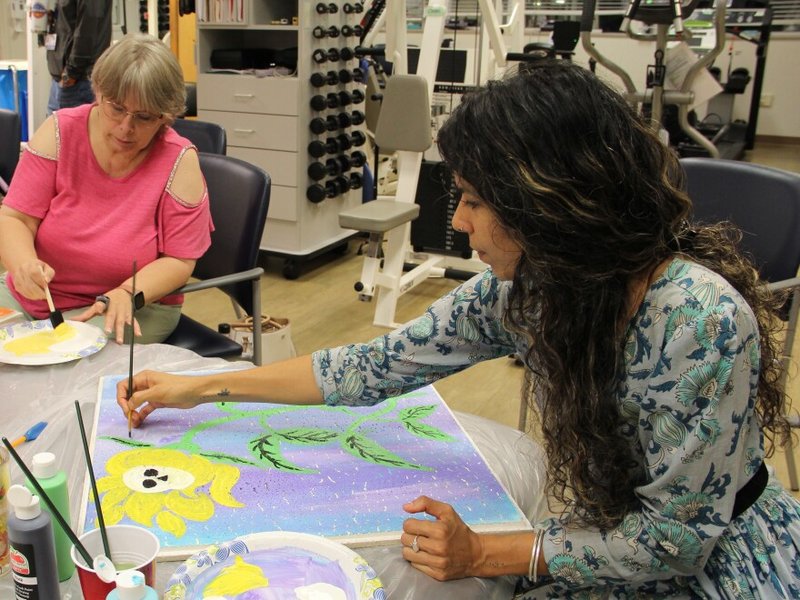
Individuals gathering in a support group setting.
Professionally Facilitated and Peer-Led Groups
Support groups vary in their leadership and structure. Some are peer-led, established organically by patients themselves who recognized the desperate need for community. Others are professionally facilitated by nurses, chaplains, or social workers, often associated with healthcare institutions or non-profit organizations. These facilitated groups may include educational components, expert speakers, and structured discussions on coping strategies rooted in therapeutic approaches like Acceptance and Commitment Therapy (ACT).
Specialized and Targeted Support
Beyond general Long COVID groups, many specialized communities address particular aspects or demographics. This includes groups for caregivers, children and adolescents, individuals with co-existing conditions like ME/CFS or fibromyalgia, and specific racial or ethnic communities who may face additional barriers to care and experience medical inequality. For example, groups for Black and African American people with Long COVID provide a space to discuss unique challenges and advocate for equitable treatment.
The Broader Impact of Patient-Led Movements
The rise of Long COVID support groups is not merely about individual well-being; it's a testament to the power of patient-led movements in shaping public health. These communities have played a critical role in bringing Long COVID to the forefront of scientific and political discourse.
Driving Research and Awareness
Organizations like the Patient-Led Research Collaborative (PLRC) exemplify how patients can actively contribute to scientific understanding. Composed of individuals with Long COVID from diverse professional backgrounds, PLRC aims to improve the breadth, depth, and speed of global research. Similarly, advocacy groups like the Long COVID Alliance and the COVID-19 Longhauler Advocacy Project work to raise awareness, educate the public and medical community, and advocate for policy changes that benefit patients.
Advocacy for Disability Rights and Recognition
Long COVID is increasingly recognized as a disability, and support groups are at the forefront of this advocacy. They campaign for its recognition as a disability, promote understanding of its impact on lives, relationships, and work, and ensure patients have access to employment rights and accommodations. Federal agencies like the Administration for Community Living (ACL) and the Department of Health & Human Services (HHS) have published resources addressing Long COVID as a disability, partly due to persistent patient advocacy.
Analyzing the Strengths of Long COVID Support Groups
To further illustrate the multifaceted benefits of these groups, the following radar chart visually represents key areas where Long COVID support communities provide significant value to their members. The scores are based on the collective insights gleaned from the provided resources, reflecting the perceived effectiveness and impact of these groups.
As depicted in the radar chart, Long COVID support groups excel particularly in providing emotional support and validation, as well as significantly reducing feelings of isolation. Their strength also lies in facilitating information and resource sharing, and offering guidance for navigating the complex healthcare landscape. While they contribute to advocacy and mental health coping strategies, these areas might see further growth as the understanding and resources for Long COVID continue to evolve.
Organizations and Resources for Long COVID Support
Numerous organizations, both grassroots and established, provide valuable resources and foster community for Long COVID patients. These entities are pivotal in offering comprehensive support, from medical guidance to mental well-being and advocacy.
| Organization/Resource | Focus Areas | Key Offerings |
|---|---|---|
| Long-COVID Alliance | Advocacy, Research, Community Building | Connects patient-advocates, scientists, drug developers; offers virtual support groups (including for ME/CFS, FM, Long COVID). |
| COVID-19 Longhauler Advocacy Project (C19LAP) | Advocacy, Patient-led Support | Grassroots nonprofit combating Long COVID; offers Facebook groups and virtual support. |
| Patient-Led Research Collaborative (PLRC) | Patient-led Research, Advocacy | International group driving research into Long COVID and associated conditions; advocates for patient-centered policies. |
| RECOVER COVID Initiative | Research, Understanding, Treatment | Brings together diverse stakeholders to understand, treat, and prevent Long COVID. |
| Solve ME/CFS Initiative | Information, Support for Associated Conditions | Provides resources for Long COVID, especially related to ME/CFS and post-viral conditions. |
| ACL (Administration for Community Living) | Community-based Resources, Disability Rights | Guide to resources for living independently, working, or attending school with Long COVID; focuses on disability civil rights. |
| Long Covid Support (Charity) | Campaigning, Advocacy, Online Support | UK-based charity providing online support groups and advocating for recognition of Long COVID as a disability. |
| Inspire - Living with Long COVID Community | Peer Support, Patient & Caregiver Network | Online community connecting patients, families, and caregivers for support and shared experiences. |
| Blooming Magnolia Network | Mental Health, Education, Research Funding | Empowers Long COVID survivors by strengthening mental health and supporting therapeutic research. |
| UCHealth Long COVID IDS Group | Information, Discussion, Support (Regional) | Facilitated group in Northern Colorado for patients and their families, open to those diagnosed or not. |
This table highlights key organizations and their contributions, demonstrating the ecosystem of support available for Long COVID patients. Many of these groups offer online forums, virtual meetings, and educational materials, making support accessible to a wider population.
Understanding Long COVID: A Deeper Dive
To further contextualize the importance of these support systems, it's helpful to understand the complex nature of Long COVID itself. While the initial infection might clear, the lingering symptoms can be diverse and debilitating, posing unique challenges for patients and healthcare providers alike.
The Varied Manifestations of Long COVID
Long COVID, also known as Post-Acute Sequelae of SARS-CoV-2 infection (PASC) or post-COVID-19 condition, is characterized by symptoms that persist for more than 4 weeks after the initial infection, and in some cases, new symptoms may emerge. The World Health Organization (WHO) recognizes it as a diverse condition, meaning its presentation varies greatly among individuals. Common symptoms include:
- Fatigue and Post-Exertional Malaise (PEM): Extreme tiredness that worsens after physical or mental exertion.
- Cognitive Dysfunction ("Brain Fog"): Difficulties with memory, concentration, and executive function.
- Shortness of Breath: Persistent respiratory issues, even in individuals who did not have severe acute COVID-19.
- Heart Palpitations and Chest Pain: Issues related to cardiac involvement or dysautonomia (POTS).
- Muscle and Joint Pain: Myalgia and arthralgia can be widespread and persistent.
- Neurological Symptoms: Headaches, numbness, tingling, and nerve pain.
- Digestive Issues: Nausea, diarrhea, and abdominal pain.
- Mental Health Challenges: Anxiety, depression, PTSD, and emotional lability, often exacerbated by the chronic nature of the illness and lack of societal understanding.
The fluctuating and unpredictable nature of these symptoms makes daily life incredibly challenging and can lead to significant limitations in activity, affecting employment, finances, and relationships. It is in this context that community support groups become not just beneficial, but often essential for quality of life.
This video, "COVID 'long haulers' turn to online support groups for help," underscores how patients are increasingly relying on virtual communities to cope with persistent symptoms and find a sense of belonging in their recovery journey. It highlights the crucial role these online spaces play in providing emotional support and shared experiences when medical answers are still evolving.
Frequently Asked Questions about Long COVID Community Support Groups
What is Long COVID?
Why are support groups important for Long COVID patients?
Are Long COVID support groups professionally run or patient-led?
Where can I find a Long COVID support group?
Do these groups also support caregivers?
Can support groups help with understanding Long COVID as a disability?
Conclusion
Long COVID presents a formidable public health challenge, affecting millions worldwide with its chronic, complex, and often debilitating symptoms. In the face of evolving medical understanding and sometimes inadequate formal healthcare responses, community support groups have emerged as foundational pillars for patients. These groups offer more than just a place to vent; they are vibrant ecosystems of emotional solace, practical wisdom, and collective advocacy. They validate lived experiences, facilitate the exchange of vital information, and empower individuals to navigate their illness and assert their rights. As the long-term impacts of COVID-19 continue to unfold, the enduring power of these patient-led communities will remain essential for fostering resilience, driving research, and ensuring that those living with Long COVID are seen, heard, and supported on their healing journeys.
Recommended Further Exploration
- What are the most common Long COVID symptoms and how can they be managed?
- How are patient-led initiatives shaping Long COVID research and advocacy?
- What are the legal and practical implications of Long COVID as a disability?
- How does Long COVID affect mental health, and what resources are available?
Referenced Search Results
 cdn.who.int