
Latest Research Findings on Long COVID
Exploring the multifaceted insights into long-term COVID effects
Key Highlights
- Prevalence and Demographic Risks: Persistent symptoms, gender differences, and long-term health implications.
- Biological and Immune Mechanisms: Immune dysregulation, autoimmunity, and persistent viral particles.
- Research Initiatives and Treatment Approaches: Large-scale funding, clinical trials including drug candidates, and novel treatment pathways.
In-depth Analysis of Long COVID Research
Understanding the Prevalence and Demographic Trends
Recent research indicates that a significant portion of COVID-19 survivors continue to experience symptoms well beyond the acute phase of the infection. Studies estimate that between 10% to 15% of individuals who contracted COVID-19 develop what is now widely known as long COVID—a condition where individuals suffer from lingering symptoms that persist for months or even years. For instance, data from multiple studies suggest that approximately 5% of U.S. adults may be living with long COVID, with some patients experiencing symptoms as far out as two years after the initial infection.
Persistent Symptom Duration
Research conducted on long COVID patients, notably from studies in Germany, has revealed that about 68% of patients reported the persistence of their symptoms into the second year of the disease. This underlines the chronic nature of long COVID and emphasizes the need for sustained medical follow-up and specialized treatment strategies.
Gender and Age Differences
Demographic studies have spotlighted distinct patterns in long COVID prevalence. Women, particularly those in the 40-55 age bracket, appear to be at higher risk, with their likelihood of developing long COVID estimated at 1.45 times that of their male counterparts. Moreover, women over 40 demonstrate a 31% higher risk compared to men, indicating that age and hormonal factors, such as estrogen levels, may influence the long-term effects of the virus.
Biological Mechanisms and Underlying Causes
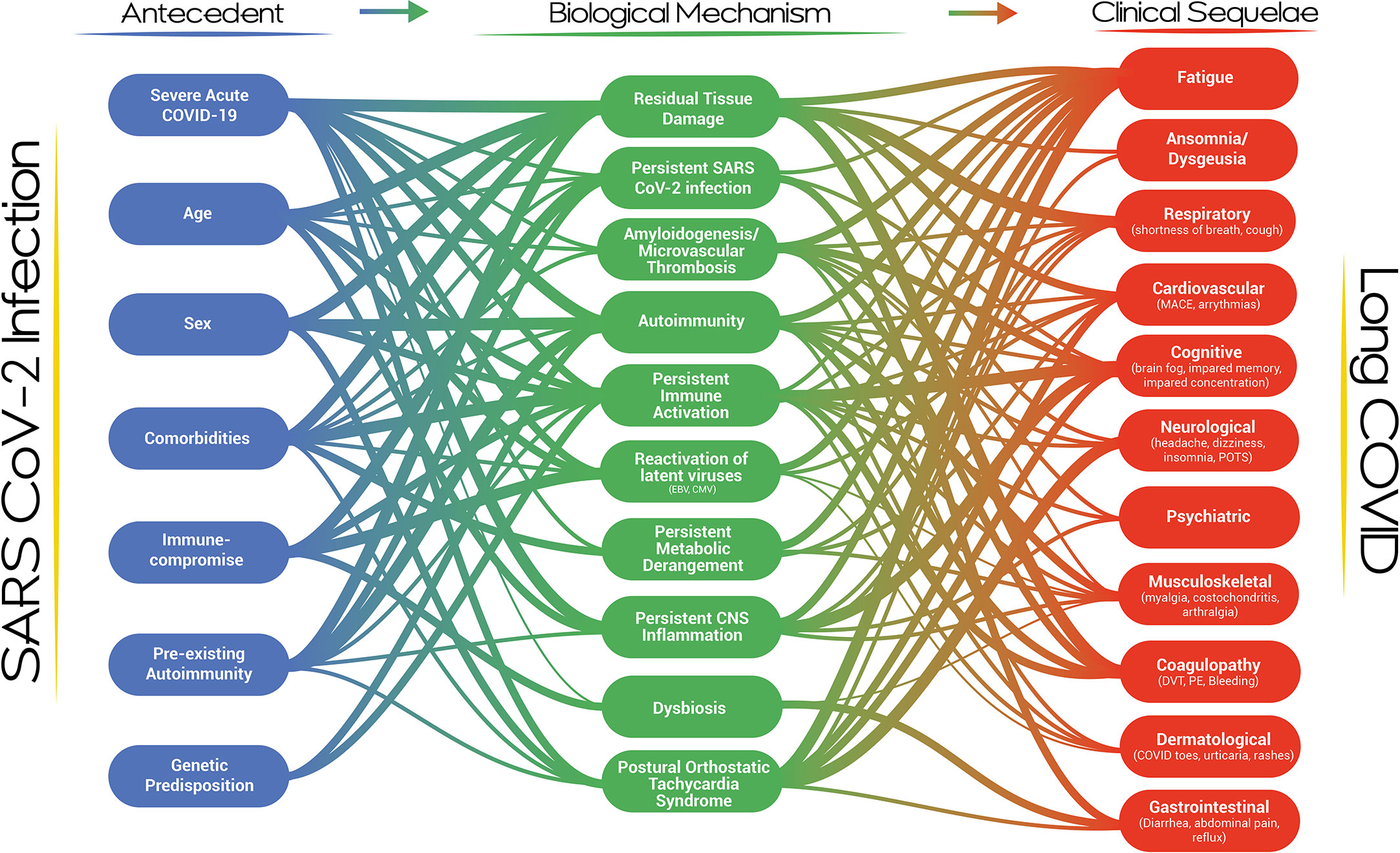
Differentiating long COVID from acute COVID-19 involves understanding its complex underlying biological processes. Current research has identified several mechanisms that might be responsible for persistent symptoms:
Immune System Dysregulation
One leading hypothesis revolves around immune dysregulation. Long COVID patients often exhibit abnormal inflammatory responses where there is an increased presence of inflammatory immune cells such as neutrophils and monocytes, and a notable reduction in lymphocytes that typically help in combating viral infections. For instance, researchers have detected elevated levels of markers like galectin-9 and artemin, proteins associated with inflammation, cognitive impairment, and other neurological symptoms. Furthermore, there is evidence of exhausted killer T cells, which may contribute to the body’s inability to fully recover from the initial viral infection.
Autoimmunity
Several studies have explored the possibility that long COVID may, in part, be an autoimmune disorder. One innovative study led by researchers at Yale demonstrated that transferring antibodies from long COVID patients into mice could induce symptoms similar to those observed in patients, such as pain and dizziness. This provides strong evidence for an autoimmune component in which the body’s immune system mistakenly attacks its tissues, leading to prolonged symptoms.
Persistent Infection and Viral Particles
Another strand of research focuses on the hypothesis of persistent infection. Certain studies have found that individuals with long COVID might harbor remnants of SARS-CoV-2 viral proteins in their blood, even long after the acute infection has subsided. This lingering presence of viral components might trigger a continuous inflammatory response, thereby contributing to the chronic symptoms seen in long COVID. Recognition of this mechanism also opens the door to potential antiviral treatment strategies tailored for these patients.
Advances in Research Funding and Clinical Trials
Large-Scale Research Initiatives
The significant impact of long COVID on public health has spurred major research initiatives globally. One prominent example is the RECOVER Initiative by the National Institutes of Health (NIH) in the United States. This program has secured a total new funding of $662 million, with an initial reallocation of $147 million to support comprehensive research into the pathobiology, diagnostics, and treatment options for long COVID. The funding is dedicated to closing critical knowledge gaps and developing biomarkers that could lead to more reliable diagnostic tools.
Clinical Trials and Experimental Treatments
On the therapeutic front, numerous clinical trials are underway to ascertain effective treatments for long COVID. Notable among these is the REVERSE-LC trial, which is examining the efficacy of six months of baricitinib treatment aimed at improving neurocognitive and physical function in patients affected by long COVID. Another investigational treatment involves the use of antiviral drugs like Paxlovid, which are being explored not only for their ability to manage acute infection but also for potentially preventing long COVID in individuals during recovery.
Complementing these efforts are studies exploring the therapeutic benefits of hormone-based treatments, particularly aimed at remedying the heightened risk observed in females. Early research suggests that hormone replacement therapies might mitigate some long COVID symptoms by addressing underlying hormonal imbalances.
Integration of Research Findings: A Comprehensive Overview
To better illustrate the relationship among various research themes, the following table provides a consolidated overview of the key research areas, findings, and potential therapeutic targets in long COVID:
| Research Area | Key Findings | Potential Interventions |
|---|---|---|
| Prevalence & Demographics |
|
|
| Immune Response |
|
|
| Persistent Infection |
|
|
| Clinical Trials & Interventions |
|
|
Additional Insights and Emerging Themes
Vaccination Impact and Protection
Vaccination remains a crucial factor in reducing the incidence and severity of long COVID symptoms. Numerous studies have confirmed that individuals who are vaccinated tend to have a lower risk of developing prolonged symptoms. There is emerging evidence suggesting that, even if breakthrough infections occur, the severity and duration of long COVID symptoms appear to be mitigated in vaccinated individuals. This has reinforced the global public health strategy emphasizing widespread vaccination.
Long-term Health Implications
Beyond the immediate symptoms, there is increasing awareness of the lasting health implications of long COVID. Patients who have been hospitalized for COVID-19 may face an elevated risk of mortality for years following the initial infection. This prolonged risk underlines the importance of ongoing health monitoring and interventions designed to manage chronic conditions associated with long COVID.
Challenges and the Need for Diagnostic Tools
Despite considerable progress in understanding long COVID, there remains a significant challenge in identifying reliable diagnostic biomarkers for this condition. Many of the current diagnostic protocols rely heavily on symptom reporting and exclusion of other illnesses. The development of precise diagnostic tools would not only improve patient care but also aid researchers in stratifying patients for clinical trials and targeted therapies.
Current and Future Research Directions
Translating Discoveries into Treatments
The evolution of long COVID research is marked by a proactive approach to translating laboratory discoveries into meaningful clinical interventions. Researchers are now focusing on several critical areas:
Targeted Therapeutic Strategies
With the identification of specific inflammatory markers and autoimmune mechanisms, new drugs and treatment strategies continue to be examined in clinical settings. For instance, treatments aiming to modulate immune response—such as baricitinib for its anti-inflammatory properties—are being rigorously tested. Alongside this, there is focused attention on antiviral therapies that target any residual viral proteins, which could serve as a therapeutic pathway to reduce chronic inflammation.
Tailored Treatment for High-Risk Groups
Understanding that long COVID does not manifest uniformly across all populations, research is advancing towards personalized medicine approaches. High-risk groups, particularly middle-aged women and patients with pre-existing conditions like diabetes or sleep apnea, are being targeted for specialized diagnostic and treatment protocols. This personalized approach is likely to revolutionize how clinicians manage long COVID, shifting from generalized symptom management to precision medicine.
Potential for Preventative Measures
The link between effective vaccination strategies and the reduced development of long COVID symptoms has direct implications for public health policy. Researchers are now exploring whether early interventions during the acute phase of COVID-19, including optimized vaccine regimens and prompt antiviral therapy, could act as preventative measures that significantly reduce the risk of progressing to long COVID.
Furthermore, studies investigating the role of hormones suggest that hormone-targeted therapies might not only serve as treatments but also as preventative strategies for populations that are disproportionately affected.
References and Further Reading
- Latest Research on Long COVID and Its Lasting Impact - Assure Test
- Have US Scientists Found the Key to Long COVID Treatment? - DW
- RECOVER COVID Initiative: Home - RECOVER COVID
- NIH Adds Funds to Long COVID-19 Research, Advances Work on New Clinical Trials - NIH
- New MRI Study Uncovers Hidden Lung Abnormalities in Children With Long COVID - SciTechDaily
Recommended Related Queries
Last updated March 7, 2025