
Exploring the Longest-Living Animal Species
A journey across species that defy time with astonishing lifespans
Highlights
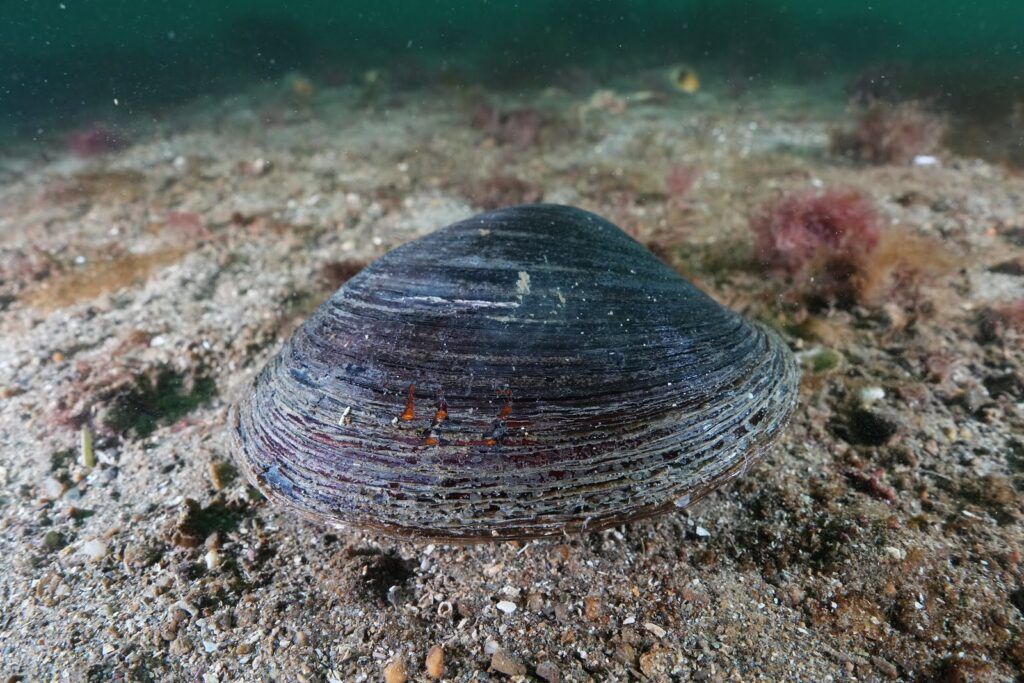
- Ocean Quahog Clam: Holds a record lifespan exceeding 500 years due to a slow metabolism and stable deep-sea environment.
- Greenland Shark and Bowhead Whale: These vertebrates demonstrate extraordinary longevity, reaching ages of hundreds of years.
- Unique Longevity Mechanisms: Species such as the Immortal Jellyfish illustrate nature’s innovative strategies for evading death.
Overview of Remarkable Lifespans Across the Animal Kingdom
The animal kingdom is home to myriad species that have adapted to thrive under extreme conditions, resulting in some of the longest lifespans observed in nature. Longevity in animals often arises from a combination of slow metabolism, evolutionary adaptations, stable and low-stress environmental conditions, and unique genetic traits. This overview explores several key species whose lives span centuries and, in some cases, millennia.
Ocean Quahog Clam (Arctica islandica)
Among all known animals, the ocean quahog clam has captured the spotlight as the longest-living non-colonial animal. Specific individuals have been confirmed to live over 500 years. The remarkable life of these clams is primarily attributed to their incredibly slow metabolism. Living in the North Atlantic, these mollusks benefit from stable, low-temperature deep-sea environments that help reduce cellular damage caused by oxidation. Their age is determined by counting growth rings on their shells— a method comparable to counting tree rings. This rigorous method of age determination provides reliable estimates, underscoring how fundamental environmental constancy is in facilitating extended lifespans.
Greenland Shark (Somniosus microcephalus)
The Greenland shark stands as the longest-living vertebrate, with ages estimated between 300 and 500 years, and some studies hinting at the possibility of even longer lifespans. Inhabiting the frigid, deep waters of the North Atlantic and Arctic, these sharks possess an exceptionally slow growth rate and delayed sexual maturity—often not reproducing until around 150 years of age. Their low metabolic rate and adaptation to some of the most challenging environments on the planet are key factors contributing to their longevity.
Bowhead Whale (Balaena mysticetus)
The bowhead whale, renowned for its impressive lifespan among mammals, can live over 200 years. Their longevity is linked to a combination of their sheer size, which minimizes predator pressures, and their residence in the icy waters of the Arctic. This environment appears to offer a protective role in terms of metabolic stress and the incidence of disease. Documented examples of bowhead whales that have been estimated to be around 211 years old underscore not only their longevity but also the resilience of marine mammals in harsh environments.
Black Coral
Black coral, particularly those species found along the Hawaiian coast, demonstrate lifespans that can exceed 4,000 years. Unlike individual animals, the longevity of corals is often assessed by estimating the age of expansive and intertwined colonies. These corals develop extremely slowly in the deep sea where conditions such as low temperatures and limited resources for rapid growth create the perfect stage for a marathon of life extending over millennia.
The Immortal Jellyfish (Turritopsis dohrnii)
Unique among animals is the immortal jellyfish, celebrated for its ability to biologically “reset” its life cycle. After reaching maturity, this species can revert to its juvenile polyp stage, thereby potentially escaping the typical pathways to death. Although this process does not guarantee eternal life—it is often a response to environmental stressors—it highlights the profound diversity in survival strategies among animals. This remarkable phenomenon has positioned the immortal jellyfish as a subject of keen scientific interest, particularly in studies focusing on aging and cellular rejuvenation.
Other Noteworthy Species
A number of other species also demonstrate impressive longevity:
- Aldabra Giant Tortoise: Land-dwelling giants like the Aldabra giant tortoise can live for over 150 years, with some individuals having been reported to reach ages around 255 years. For instance, a tortoise named Adwaita, believed to be over two centuries old when it died, underscores the potential longevity of such reptiles.
- Rougheye Rockfish: This deep-water fish is noted to have lifespans surpassing 200 years. Their robust physiology and relatively protected deep-sea habitat contribute to their extended longevity.
- Tuatara: Native to New Zealand, the tuatara is known as the longest-living reptile. With a lifespan that can reach nearly 200 years, they have evolved a suite of adaptations to cope with their unique environment and slow metabolism.
- Red Sea Urchin: In the marine environments off the coasts of Washington and Alaska, red sea urchins have been documented to reach ages over 100 years, with some estimates suggesting that certain populations may live for 200 years or more.
Factors Contributing to Longevity in Animals
The longevity observed in these species is not purely a matter of chance; it is the cumulative result of various biological, ecological, and evolutionary factors. Understanding these factors not only highlights the mechanisms of aging but also provides insight into how different species have adapted to their specific environments.
Slow Metabolism and Reduced Oxidative Stress
One of the most common traits among long-living species is a slow metabolic rate. A slower metabolism typically results in reduced production of free radicals and lower cumulative oxidative damage, both of which are linked to aging. For example, the ocean quahog’s low metabolic rate plays a crucial role in minimizing cellular deterioration over centuries. Similarly, the cold, stable environments inhabited by species like the Greenland shark and black coral contribute significantly to lower metabolic demands, reducing the biological wear and tear typically associated with aging.
Environmental Stability and Low Stress
Many long-living species reside in environments that are remarkably stable over long periods. The deep-sea environments of glass sponges, black corals, and certain clams provide consistent conditions that protect inhabitants from the rapid changes typical of terrestrial or shallow-water environments. This stability results in less physiological stress, leading to prolonged periods of growth and maintenance.
Genetic Adaptations and Evolutionary Strategies
Longevity can also stem from specific genetic traits and evolutionary adaptations that protect against disease and cellular damage. The unique ability of the immortal jellyfish to revert to an earlier life stage is a striking example of such adaptations. While not every long-lived animal exhibits this exact mechanism, many benefit from robust DNA repair mechanisms, slow cell division, and other traits that collectively provide a buffer against the passage of time.
Comparative Table of Lifespans
| Species | Estimated Lifespan | Key Factors for Longevity |
|---|---|---|
| Ocean Quahog Clam | Over 500 years | Slow metabolism, stable deep-sea environment |
| Greenland Shark | 300 - 500+ years | Slow growth, frigid habitat, delayed maturity |
| Bowhead Whale | 200+ years | Large size, Arctic habitat |
| Black Coral | Over 4,000 years (colony age) | Slow growth, deep-sea conditions |
| Immortal Jellyfish | Potentially infinite cycles | Ability to revert to a juvenile form |
| Aldabra Giant Tortoise | 150 - 255 years | Slow metabolism, protective body structure |
Research and Implications
Studying these long-living species provides valuable insights into the biology of aging, the role of environmental factors, and the evolutionary strategies that allow for extended lifespans. Understanding the mechanisms at work can have profound implications not only for conservation efforts but also for medical research related to aging. Scientists analyze genetic factors, metabolic processes, and environmental conditions to unlock potential interventions that might one day mitigate the adverse effects of aging in other species, including humans.
Ongoing Scientific Exploration
As researchers continue to delve into the secrets of longevity, they leverage advanced techniques such as radiocarbon dating, genetic sequencing, and long-term ecological monitoring. These empirical methods are crucial to accurately assess age and understand the influences that lead to extended lifespans. The emerging data not only challenges our understanding of the life limits of various species but also inspires innovative research avenues into the fundamental principles of life and longevity.
Future Perspectives
The insights gathered from studying exceptionally long-lived animals may eventually contribute to breakthroughs in understanding aging and extending healthy lifespans. While nature has provided these examples through millions of years of evolution, ongoing studies aim to mimic or at least learn from these natural phenomena, helping to inform both conservation strategies and biomedical research that focuses on extending lifespan and improving quality of life.
References
- The Longest Living Animals on Earth 2024 - Science Focus
- Longest Living Animals - HowStuffWorks
- Longest Living Animals - Live Science
- Longest Living Animals in the World - Ultimate Kilimanjaro
-
Longest Living Animals - Ripley's
- 13 of the Longest Living Animals - Our Endangered World
- 22 Animals With the Longest Lifespans - Fauna Facts
- Meet 8 of the World’s Longest Living Species - Discover Magazine
- List of Longest Living Organisms - Wikipedia
-
Further Reading on Longevity - Example.com
Recommended Related Queries
Last updated March 1, 2025