
The Longest Road in the World
Journey Along the Pan-American Highway from North to South America
Key Takeaways
- Extensive Reach: The Pan-American Highway stretches approximately 30,000 kilometers (19,000 miles), connecting Prudhoe Bay, Alaska to Ushuaia, Argentina.
- Diverse Landscapes: This highway traverses 14 countries, encompassing a variety of climates, terrains, and cultures.
- Significant Interruption: The journey is interrupted by the Darién Gap, a challenging 160-kilometer (100-mile) stretch of dense jungle that necessitates alternative transportation methods.
Overview of the Pan-American Highway
The Pan-American Highway holds the prestigious title of the world's longest road, extending approximately 30,000 kilometers (19,000 miles). This monumental roadway begins in Prudhoe Bay, Alaska, the northernmost point of North America, and stretches all the way to Ushuaia, Argentina, the southernmost city on the South American continent. Spanning two continents, the highway serves as a vital artery for transportation, commerce, and cultural exchange.
Historical Background
The concept of the Pan-American Highway was first proposed in the early 20th century, aiming to create a continuous road system that would link the Americas. While the highway was officially declared complete by the Pan-American Highway Association in 1965, its true completion is hindered by natural obstacles, the most notable being the Darién Gap.
Route and Geography
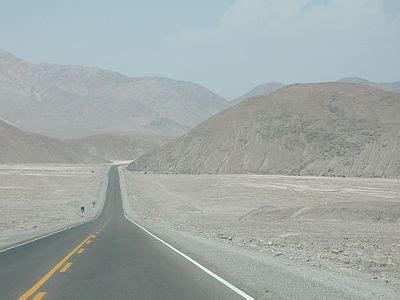
The highway winds through a diverse array of landscapes, including arctic tundras, dense rainforests, expansive deserts, and towering mountain ranges. This variety not only showcases the continent's natural beauty but also presents significant engineering and maintenance challenges. The Pan-American Highway passes through 14 countries, each contributing uniquely to the overall journey with their distinct cultures and environments.
Countries Traversed by the Pan-American Highway
The Pan-American Highway spans 14 countries, facilitating an extensive cross-continental journey. Each country offers unique experiences and challenges for travelers:
| Country | Key Cities | Notable Features |
|---|---|---|
| United States | Fairbanks, Anchorage | Arctic tundras, Alaskan wilderness |
| Canada | Vancouver | Mountain ranges, coastal landscapes |
| Mexico | Mexico City, Guadalajara | Desert terrains, historical sites |
| Guatemala | Guatemala City | Volcanic landscapes, Mayan ruins |
| El Salvador | San Salvador | Mountainous regions, beaches |
| Honduras | Tegucigalpa | Rainforests, coastal areas |
| Nicaragua | Managua | Lake Nicaragua, volcanic zones |
| Costa Rica | San José | Biodiverse rainforests, beaches |
| Panama | Panama City | Panama Canal, tropical climates |
| Colombia | Bogotá, Medellín | Andes mountains, Caribbean coast |
| Ecuador | Quito | Galápagos Islands, Andes highlands |
| Peru | Lima | Incan heritage, Amazon rainforest |
| Chile | Santiago | Atacama Desert, Patagonia |
| Argentina | Buenos Aires, Ushuaia | Patagonian landscapes, southern tip |
Diverse Landscapes and Climates
Traveling along the Pan-American Highway offers a journey through a vast spectrum of environments. From the icy expanses of Alaska to the tropical rainforests of Central America, and from the arid deserts of Chile to the temperate regions of Argentina, the highway showcases the Earth's rich geographical diversity.
North America
Starting in Alaska, travelers encounter rugged terrains and extreme cold. As the highway moves south into Canada and the United States, it passes through mountainous regions, expansive plains, and bustling urban centers, each offering unique cultural and natural attractions.
Central America
The route through Central America is characterized by dense jungles, active volcanoes, and vibrant cultures. Countries like Guatemala and Costa Rica provide lush landscapes and historical sites that reflect the region's rich heritage.
South America
In South America, the highway traverses diverse ecosystems, including the Andes Mountains, the Amazon Basin, and the windswept plains of Patagonia. The journey culminates in Ushuaia, often regarded as the southernmost city in the world.
The Darién Gap: A Natural Barrier
Despite its extensive reach, the Pan-American Highway is not a continuous roadway. The Darién Gap is a notorious 160-kilometer (100-mile) stretch of dense jungle and swampland located between Panama and Colombia. This impassable section remains a significant barrier to uninterrupted road travel between North and South America.
Geographical Challenges
The Darién Gap is characterized by its challenging terrain, including thick rainforest, marshes, and rivers. The area is also home to diverse wildlife and is one of the most biologically rich regions on the planet. These environmental factors make road construction and maintenance extremely difficult.
Safety Concerns
In addition to natural obstacles, the Darién Gap poses safety risks due to the presence of illicit activities and hostile groups. Travelers face potential threats from organized crime, making the region one of the most dangerous stretches for those attempting to cross on foot or by unconventional means.
Alternative Transportation Methods
Due to the impossibility of driving through the Darién Gap, travelers must resort to alternative methods to continue their journey:
-
Ferries: Shipping vehicles by sea is a common solution, allowing travelers to bypass the gap entirely.
-
Flights: Air travel provides a quick and efficient means to traverse the gap, though it incurs additional costs.
-
Hiking: For the adventurous, a strenuous four-day hike through the rainforest is possible, though it is highly discouraged due to safety and environmental concerns.
Recognition and Records
The Pan-American Highway is widely recognized by authoritative organizations for its remarkable length and significance. The Guinness World Records acknowledges it as the longest "motorable road" in the world, despite the interruption caused by the Darién Gap.
Global Significance
The highway serves as a vital link between North and South America, facilitating trade, tourism, and cultural exchange. Its construction and maintenance reflect the logistical prowess required to connect such diverse and expansive regions.
Economic Impact
By providing a continuous transportation route, the Pan-American Highway boosts economic activities across the countries it traverses. It enables the efficient movement of goods and services, contributing to regional development and integration.
Challenges Faced by the Pan-American Highway
Maintaining and navigating the Pan-American Highway presents numerous challenges, both natural and human-made:
Environmental Obstacles
The highway passes through some of the most remote and environmentally sensitive areas on Earth. Extreme weather conditions, such as heavy rainfall, snowstorms, and intense heat, can lead to road damage and delays. Additionally, preserving the ecological integrity of regions like the Darién Gap requires careful management.
Infrastructure Maintenance
Given its sheer length, maintaining the highway demands substantial resources and coordinated efforts among multiple countries. Varying standards of road construction, funding limitations, and differing government priorities can complicate maintenance and improvements.
Political and Social Factors
Political instability, conflicts, and differing regulations across bordering nations can hinder seamless travel. Social issues, such as crime and corruption, further impact the safety and reliability of the highway for international travelers.
Cultural and Social Impact
The Pan-American Highway is more than just a transportation route; it is a cultural conduit that fosters interaction and exchange among diverse populations. Traveling this highway offers deep insights into the varied traditions, languages, and lifestyles of the people living along its path.
Cultural Exchange
The highway enables the blending of cultures, allowing for the sharing of ideas, cuisine, music, and art. This exchange enriches the cultural tapestry of the Americas, promoting mutual understanding and appreciation among different communities.
Tourism Development
As a major travel route, the Pan-American Highway promotes tourism by providing access to numerous attractions, from natural wonders like the Amazon rainforest to historical landmarks like ancient ruins and colonial cities. This influx of tourists supports local economies and encourages the preservation of cultural heritage sites.
Economic Significance
The Pan-American Highway plays a crucial role in the economic landscape of the Americas. It facilitates the efficient movement of goods and people, enhancing trade and commerce across continents.
Trade Facilitation
By providing a continuous roadway, the Pan-American Highway reduces transportation costs and delivery times for goods. This efficiency boosts trade between countries, fostering economic growth and strengthening regional markets.
Employment Opportunities
The highway's construction and maintenance create numerous job opportunities in engineering, transportation, and service industries. Additionally, the tourism bolstered by the highway generates employment in hospitality, guiding services, and related sectors.
Future Prospects and Developments
Looking ahead, the Pan-American Highway continues to evolve with advancements in infrastructure and transportation technologies. Future developments aim to enhance connectivity, safety, and sustainability along the route.
Infrastructure Upgrades
Ongoing projects focus on improving road quality, expanding highway sections, and implementing modern traffic management systems. These upgrades aim to accommodate increasing traffic volumes and enhance overall travel safety.
Bridging the Darién Gap
While a continuous roadway across the Darién Gap remains a challenging prospect due to environmental and safety concerns, discussions and studies continue to explore potential solutions. Sustainable development practices and respect for the region's ecological significance are paramount in any future endeavors.
Conclusion
The Pan-American Highway stands as a testament to human ingenuity and the desire for connectivity across vast and diverse landscapes. Spanning approximately 30,000 kilometers (19,000 miles) and traversing 14 countries, it offers an unparalleled journey through the Americas' rich geographical and cultural tapestry. Despite challenges such as the Darién Gap and varying infrastructure standards, the highway remains a symbol of continuous exploration and economic integration. As advancements in technology and infrastructure continue to unfold, the Pan-American Highway is poised to further cement its role as the world's longest and most significant roadway.
References
Last updated January 17, 2025