
ITT Lorenz S-1288 Frequency Response Graph Inquiry
Analyzing vintage speaker data, design, and available resources
Key Highlights
- Vintage Sound Characteristics: The ITT Lorenz S-1288 is appreciated for its wide frequency range and unique vintage design.
- Frequency Range Information: Sources consistently mention a frequency span of around 18 Hz to 15,000 Hz, with some variations in later models.
- Graphical Data Availability: Direct graphical representations are rare and may only be found in archival technical documents or vintage catalogs.
Understanding the ITT Lorenz S-1288
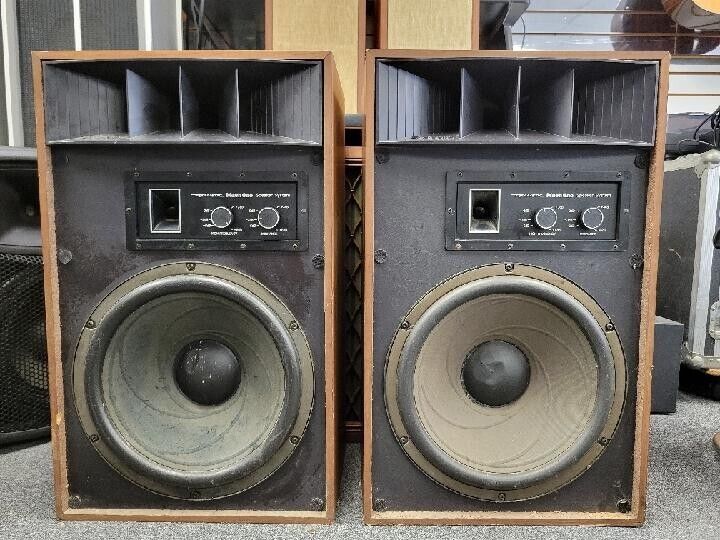
The ITT Lorenz S-1288 is a well-regarded vintage loudspeaker, often cited for its quality sound reproduction and robust engineering. Manufactured in West Germany, this 12-inch loudspeaker has garnered interest among collectors and audiophiles. Its reputation is built on practical performance that bridges the gap between vintage charm and technical capability. Designed with twin voice coils, the S-1288 is equipped to be configured in various impedance settings (4, 8, or 16 ohms), and its frequency response is typically reported as spanning from 18 Hz at the lower end up to 15,000 Hz, which provides an ample breadth of sound reproduction suitable for both low and high frequencies.
While many enthusiasts and audio historians appreciate the ITT Lorenz S-1288, it is essential to understand that, unlike many modern speakers, the various technical data, including graphical frequency responses, were not always documented in the same fashion. This is compounded by the fact that detailed graphs and analyses were more common in certain audiophile and engineering catalogs from the vintage era, which may not be as readily accessible online.
Frequency Response Overview
Spanning the Sound Spectrum
The reported frequency response of the S-1288, which covers approximately 18 Hz to 15,000 Hz, indicates its capability to handle a wide spectrum of audio frequencies. This range:
Low Frequencies (18 Hz)
At the lower end, the speaker approaches 18 Hz, which is near the extreme low-frequency limit of human hearing. Such frequencies are typically associated with robust bass performance, and while modern subwoofers might extend even lower, the S-1288’s design is reflective of the period's balance between quantity and practical design. This range suggests that the speaker can reproduce bass tones adequately despite its vintage design.
High Frequencies (Up to 15,000 Hz)
On the high end, the S-1288 achieves clarity up to about 15,000 Hz, ensuring that it can handle treble frequencies effectively. The reproduction of higher frequencies is crucial for the perception of clarity and detail in music and sound recordings. Some sources even mention variations where models or revisions, like the S-1288 II, might have tweaked frequency limits extending up to 18,000 Hz, particularly with added twin tweeters.
Graphical Data and Technical Specifications
Despite these well-documented numeric specifications, concrete frequency response graphs for the ITT Lorenz S-1288 are not commonly available online. This is partly due to the era in which the speaker was produced. Many audio enthusiasts and collectors have relied on qualitative descriptions and technical brochures rather than modern digital measurements.
In some instances, enthusiasts have compiled data from vintage catalogs, technical documents, and discussions on forums where the speaker's performance was tested, with some references available through reputable sites such as AudioKarma, Reverb, and eBay listings. However, a definitive graph that visually represents the frequency response curve is rarely found, and it appears that one may need to look through archival sources or specialized vintage audio publications to locate such graphical data.
Resource Table for Further Exploration
The following table provides a structured overview of potential resources for additional technical details. These resources include discussions, technical brochures, and forum threads where the ITT Lorenz S-1288 has been referenced in the context of vintage audio performance:
| Source | Details | URL |
|---|---|---|
| AudioKarma Forum | Discussions on vintage speakers and user tests of the S-1288. | Visit AudioKarma |
| High Fidelity Magazine Archive | Historical context with occasional technical specifications from the era. | Read the Archive |
| eBay Listings | Marketplace listings that sometimes include detailed speaker specifications. | View eBay Listing |
| Reverb Listings | Vintage audio items with technical descriptions and performance highlights. | Visit Reverb |
| Worthpoint Database | Archival information on vintage audio equipment including Lorenz models. | Check Worthpoint |
Interpreting and Verifying Vintage Audio Data
Reliable Sources & Archival Research
Given that detailed frequency response graphs for the ITT Lorenz S-1288 are not widely available on modern websites, those interested in obtaining a clearer graphical representation should consider exploring vintage audio catalogs, manufacturer brochures, or even printed technical documents from the period. Many of these documents have been digitized and made available on archival websites.
Additionally, engaging with communities dedicated to vintage audio systems, such as discussion forums and collector groups, can yield valuable insights. Members of these communities sometimes perform their own measurements or may have access to archived graphs not widely distributed online. Searching for threads related to the S-1288 in forums like AudioKarma may prove particularly fruitful.
Measurement Challenges with Vintage Equipment
It is also important to note that vintage audio equipment like the ITT Lorenz S-1288 were not always subject to the same standardized testing and measurement protocols prevalent in today’s high-fidelity audio industry. As a result, while numerical data such as the frequency range is recorded, the accompanying detailed graphs that plot amplitude versus frequency might not exist in a high-resolution, technical graph format. They could be found only in old technical manuals or might have been created by enthusiasts after the fact using modern measurement tools.
More recent attempts at digitizing these analyses may appear as compilations on modern websites. However, if you are specifically looking for an original manufacturer-provided graphical frequency response, it may be available in technical archives or through specialized vintage audio publications.
Exploring Graphical Data Options
Where to Look for Graphs
If you are in search of a graph that depicts the frequency response of the ITT Lorenz S-1288, consider exploring the following avenues:
Manufacturer Brochures
Vintage brochures and technical service manuals from the era of production often contained detailed specifications. These documents might include graphical representations of the frequency response alongside numerical data. Some brochures have been scanned and are available online through audio archives.
Audiophile Forums & Communities
Bold members of communities such as AudioKarma sometimes share scanned documents, personal measurements, or high-quality images of original technical specifications, including frequency response graphs. Engaging with these communities via dedicated threads or requests may yield additional insight or help locate the graph you are searching for.
Archive Websites
Archive websites that preserve vintage publications can be invaluable. For example, publications like High Fidelity Magazine might include reviews or technical data listings that contain such graphs. Exploring these resources can provide both the graph you need and context about the audio engineering standards of the time.
Summary of Frequency Response Specification
To summarize, the ITT Lorenz S-1288 is typically characterized by a frequency response range of approximately 18 Hz to 15,000 Hz. Some modified or later models, such as the S-1288 II, reported incorporating additional elements like twin tweeters which can extend the high-frequency range up to 18,000 Hz. However, an explicit, readily available graph depicting this frequency response in real time is not commonly encountered in modern online databases or websites. Instead, most references come from technical brochures, archived audio magazines, and forum discussions.
Resources for Further Exploration
Where to Continue Your Search
For those looking to explore this subject further, the following resources provide detailed discussions and information about the ITT Lorenz S-1288:
- AudioKarma Discussion - Vintage Audio Forums
- High Fidelity Magazine Archive - October 1959 Issue
- Reverb Listing - ITT Lorenz S-1288 Specifications
- eBay Vintage ITT Lorenz S-1288 Listing
- Worthpoint Archive - Lorenz ITT Vintage 12" Speaker Overview
Additional Information and Considerations
Examining the Broader Impact
Understanding the historical and technical context of vintage speakers like the ITT Lorenz S-1288 enriches the appreciation of audio engineering from a bygone era. Even if a direct graphical frequency response is not readily available online, the prevailing specifications provide valuable insight into the design philosophy and intended performance parameters at the time of manufacture.
The analysis of such equipment not only involves looking at direct numerical data but also appreciating the user experiences, detailed reviews, and the interplay between practical engineering constraints and aesthetic considerations. Enthusiasts often bridge these gaps by interpreting available technical data, collaborative measurements from audiophile forums, and archival research to reconstruct a coherent picture of the speaker's performance.
Ultimately, the search for a frequency response graph for the ITT Lorenz S-1288 is as much about uncovering rare historical documentation as it is about appreciating vintage audio equipment's unique design. The collective effort of collectors, forum enthusiasts, and archivists continues to preserve the legacy of such speakers, providing modern audiences with a window into the technical craftsmanship of yesteryear.
References
- AudioKarma Discussion - Vintage Audio Forums
- High Fidelity Magazine Archive - October 1959 Issue
- Reverb Listing - ITT Lorenz S-1288 Specifications
-
eBay Vintage ITT Lorenz S-1288 Listing
- Worthpoint Archive - Lorenz ITT Vintage Speaker Overview
Recommended Further Queries
Last updated March 12, 2025