
Lorenz S-1288 Loudspeaker Sensitivity
In-depth Analysis of the Vintage Speaker's Sensitivity
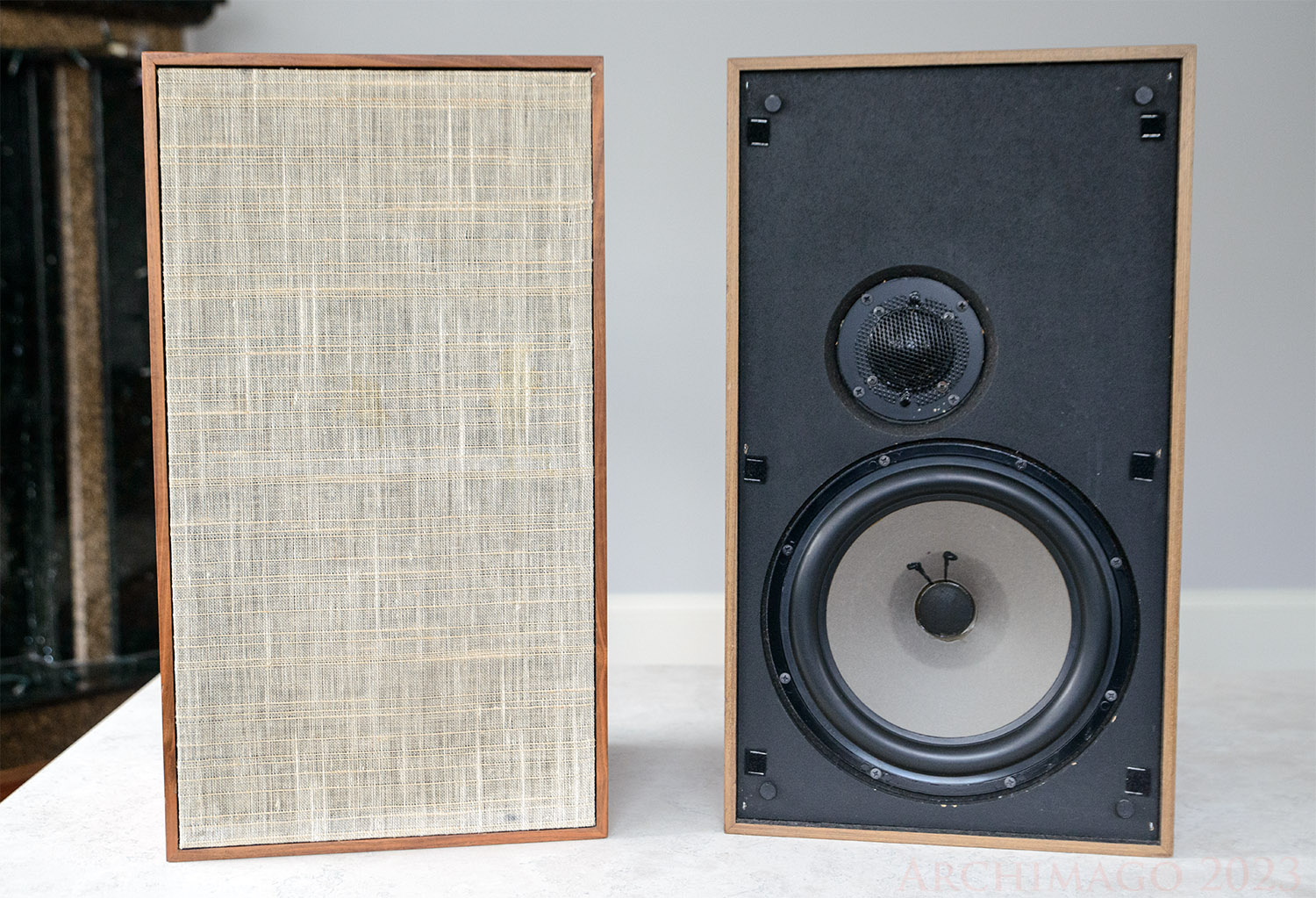
Key Insights
- Lack of Official Sensitivity Rating: Official firmware or printed specifications for the Lorenz S-1288 do not clearly state its sensitivity.
- Measurement Standards Matter: Sensitivity is normally measured in decibels (dB) at 1 watt/1 meter, but vintage measurement methods may vary.
- User and Forum Discussions: While many anecdotal discussions mention its efficiency, reliable numerical sensitivity remains elusive.
Understanding Loudspeaker Sensitivity
Loudspeaker sensitivity is a key specification that determines how efficiently a speaker converts electrical power into sound. Typically expressed in decibels (dB), sensitivity ratings provide an indication of the sound pressure level (SPL) produced by the speaker with a given power input, often measured at 1 watt of power at a distance of 1 meter. For modern speakers, sensitivity ratings are clearly listed in technical datasheets. However, with vintage equipment like the Lorenz S-1288, documentation may not always provide this vital metric, necessitating indirect methods of evaluation.
Standard Measurement of Sensitivity
The standard measurement of sensitivity involves powering the speaker with a 1-watt input and measuring the resulting sound pressure level at a distance of 1 meter. This methodology gives a reliable and consistent way to compare speakers. Generally, a speaker rating of 90 dB SPL/watt/meter is considered efficient for many modern speakers. In historical contexts, especially with vintage speakers, manufacturers sometimes used alternative methods or indirect measurements, which can lead to discrepancies when comparing them to modern standards.
Vintage Measurements Versus Modern Standards
In the case of the Lorenz S-1288, which was manufactured in a period where audio technology was emerging into its modern form, sensitivity might have been measured using different criteria than those standard today. Some references mention an indirect measurement of microvolt levels under specific conditions such as 30 dB of quieting for FM radio setups. However, this is not the same as the typical acoustic sensitivity rating (in dB) provided for modern loudspeakers. This demonstrates that while forum discussions and user experiences are valuable, they do not substitute for manufacturer-provided specifications.
Specifics of the Lorenz S-1288
The Lorenz S-1288 is a vintage 12-inch loudspeaker made in West Germany, noted for its high-quality construction during its production era. Designed with dual cones and twin voice coils, its build allowed for versatile impedance options (commonly 4, 8, or 16 ohms), which further enhanced its appeal among audiophiles of the time. The S-1288 model, especially versions like the S-1288 II, could feature additional components such as twin tweeters mounted on a rigid metal bracket along with a high-pass crossover to manage the high-frequency response.
Impedance and Efficiency
While impedance ratings and the ability to handle different audio setups are clear from the historical documentation, the specific sensitivity rating (i.e., dB SPL per watt at a standard distance) is not readily available from the primary sources. Enthusiasts and vintage audio collectors often rely on community testing and anecdotal evidence found on audio forums. Some discussions have indicated that although the speaker was considered efficient for its day, there is no uniform established sensitivity value that one can pinpoint without direct manufacturer data.
Forum Discussions and Anecdotal Data
Audio forums like AudioKarma have hosted extensive discussions on the performance characteristics of the Lorenz S-1288. Contributors note that while the loudspeaker exhibits commendable performance characteristics when used in its original context (for example, the dual-cone design offering a rich sound profile), the sensitivity specification is notably missing from most published documents. Some users have attempted to deduce efficiency levels through practical tests, yet these values can be influenced by various factors like testing environment, speaker condition, and measurement apparatus.
Practical Considerations for Audio Enthusiasts
Given the dearth of a clearly stated sensitivity figure, modern audio enthusiasts interested in the Lorenz S-1288 are advised to consider transformation methods to gauge its performance. Many choose to query vintage audio equipment experts or seek out specialized documentation during audio shows and fairs. The historical context will sometimes necessitate hands-on testing if one wishes to accurately assess the speaker’s efficiency relative to contemporary standards.
Testing and Calibration
If you have access to a Lorenz S-1288, performing standardized tests can help determine its sensitivity. Utilizing calibrated sound level meters, you can conduct controlled measurements in an anechoic or low-reflection environment. Apply a 1-watt signal and measure the sound pressure level one meter away. This provides a baseline to compare against the typical modern sensitivity figure and understand how the legacy design stands today.
Experimental Data and Variances
It is worth noting that experimental measurements might yield variance depending on the condition and configuration of the loudspeaker—especially with vintage units that have undergone wear or modifications over the decades. Differences in crossover arrangements, wear in the voice coils, and material degradation can all subtly affect the actual acoustic output.
Summary Table of Lorenz S-1288 Characteristics
| Characteristic | Description |
|---|---|
| Model | Lorenz S-1288 (including S-1288 II variants) |
| Active Period | 1950s-1960s |
| Speaker Size | 12-inch |
| Impedance Options | 4, 8, or 16 ohms |
| Voice Coils | Twin voice coils |
| Tweeter Configuration | Some models feature twin tweeters with a high-pass crossover |
| Sensitivity (Standard Measurement) | Not explicitly provided in dB SPL/watt; anecdotal and experimental data available via forums |
| Documentation | Historical documents, user manuals, and vintage audio forums |
Navigating the Absence of a Clear Sensitivity Rating
The lack of a definitive sensitivity rating for the Lorenz S-1288 illustrates some of the challenges faced when dealing with vintage audio equipment. Modern speakers typically come with comprehensive technical specifications, yet older models like the S-1288 are often documented through a mix of technical briefings, anecdotal reports, and legacy literature.
Consulting Manufacturer Documentation and Vintage Manuals
The most straightforward method to attempt to locate sensitivity details is to review original manufacturer documentation or vintage service manuals. Such materials, if accessible, might offer more exact measurements or testing conditions under which figures were originally reported. Given the state of archival preservation, collectors and audio enthusiasts might need to rely on specialized archives and forums to track down these documents.
Community Insights and Audio Forums
Many knowledgeable communities such as the AudioKarma forums provide a wealth of information shared by veteran users, experts, and enthusiasts who have spent decades working with vintage equipment. While these insights are invaluable, it is important to note that discussions might yield subjective interpretations rather than absolute ratings. Nonetheless, these community discussions are a rich resource for comparing notes on performance, measured output, and overall efficiency when a detailed specification is missing.
Broader Context of Vintage Loudspeaker Performance
Evaluating vintage speakers like the Lorenz S-1288 requires an appreciation for both the technical constraints of their era and the innovation they represented at the time. Although the sensitivity in modern terms may not be explicitly documented, the performance of these speakers continues to garner respect among collectors for their robust build quality and characteristic sound profile which may have been optimized for the listening environments of their day.
Legacy in Design and Audio Performance
The engineering care that went into designing the Lorenz S-1288 is evident in its flexibility with impedance settings and the inclusion of twin voice coils, a feature that supported enhanced efficiency across different audio applications. Despite the challenges in obtaining a sensitivity rating in decibels, collectors and restorers value these speakers for their unique sonic signature which blends historical design with enduring performance.
Future Testing for Accurate Assessment
Modern audio testing equipment offers enthusiasts the chance to conduct controlled measurements. Should you possess a Lorenz S-1288, using calibrated instrumentation to measure its output at standardized conditions can provide empirical data. This not only renews interest in classic audio engineering but also bridges the gap between historical legacy and modern technical evaluation.
References
- ITT Lorenz S-1288 Speaker - AudioKarma
- Lorenz S-1288 on Reverb - Reverb
-
Vintage Lorenz S-1288 on eBay - eBay
- Vintage Lorenz S-1288-II - PicClick
- Lorenz ITT Vintage Speaker - WorthPoint
Recommended Queries
Last updated March 12, 2025